








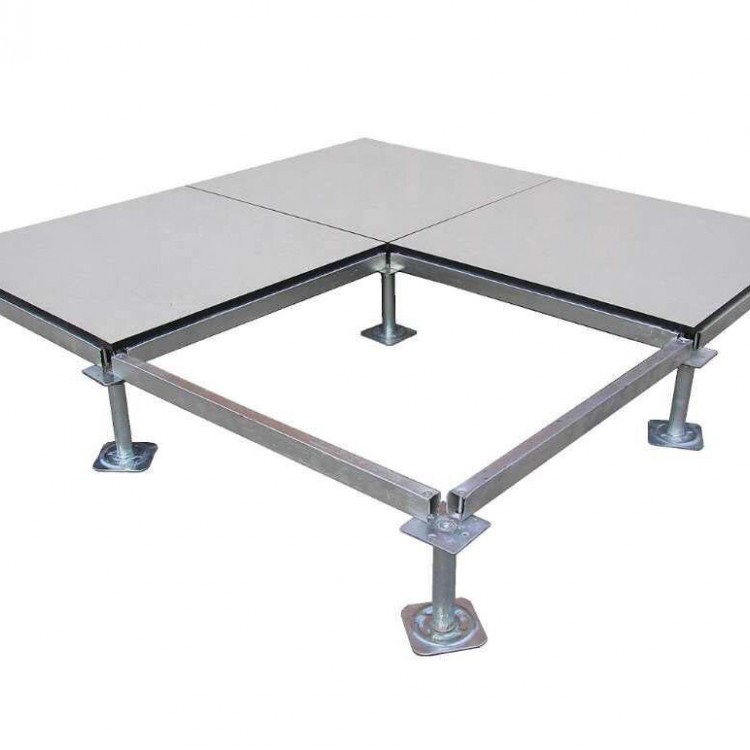
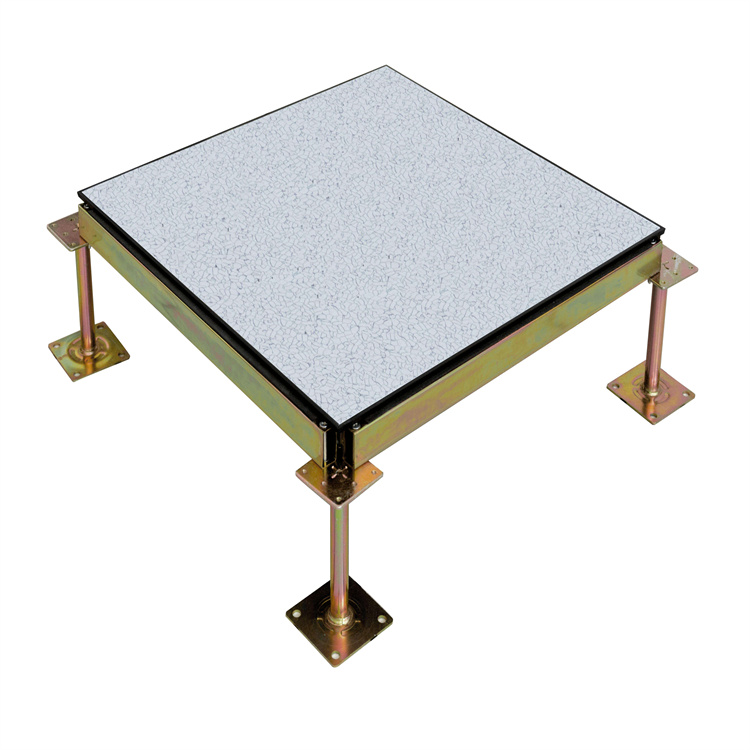
Key construction considerations for concrete flooring cover various aspects to ensure quality, safety, and durability. Here are some critical construction tips:
I. Pre-Construction Preparation
Inspect concrete structures: Ensure the integrity of the concrete structure without any coatings, sealants, films, or other adherents, as these may affect the bonding strength and overall performance of the flooring.
Measure humidity and temperature: Before construction, the humidity and temperature of the concrete ground must be measured. The subfloor temperature should be between 18~32 degrees Celsius, and the humidity should be below 80%. The indoor construction temperature should be maintained above 5 degrees. Use methods such as calcium chloride tests or in-situ relative humidity tests to accurately measure humidity.
Subgrade Treatment: Remove dirt, grease, oil stains, and other contaminants from the old subgrade to ensure the ground is clean and free of debris. The new concrete subgrade should be dry and ready for pedestrian traffic.
II. Construction Process Control
Material Selection:
Sand: Choose coarse or medium sand, avoid using fine sand. Fine sand mixed mortar has high shrinkage, prone to cracking, and poor water retention,不利于pressing smooth. The silt content of the sand should not exceed 3% to prevent affecting the mortar strength.
Cement: Preferably use ordinary portland cement due to its good water retention, low shrinkage, and high early strength. Avoid using expired or damp cement, as these will significantly decrease their strength, hardness, and wear resistance.
Pouring and vibration:
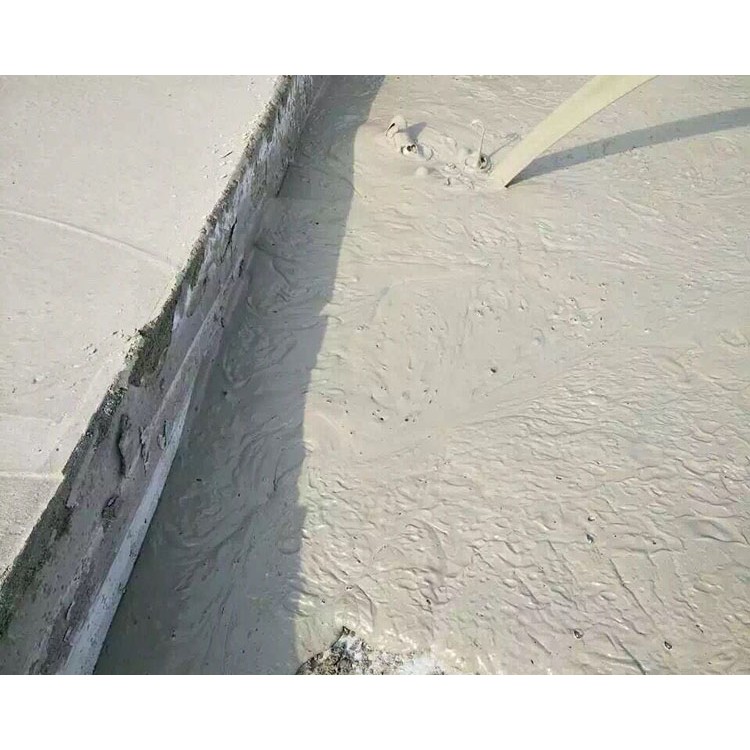
When pouring concrete, be mindful to control the pouring height to prevent segregation of aggregates due to excessive height.
When using a vibration rod to compact, follow the principle of "quick insertion, slow withdrawal," advance evenly, and avoid missed areas. The compaction should be dense, aiming for a surface with a paste-like appearance.
Setting of expansion joints: Install expansion joints at the intersections of different rooms, between different material surfaces, and at structural changes to prevent the floor from cracking due to temperature changes or uneven settlement of the foundation.
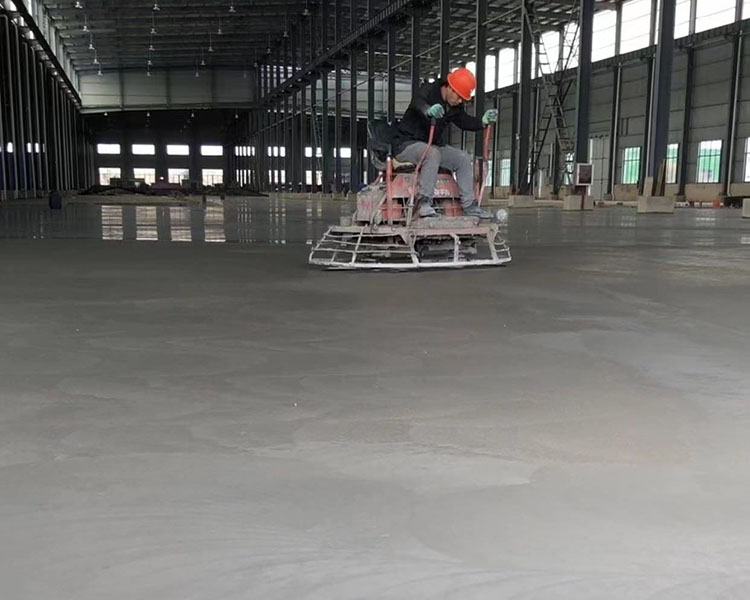
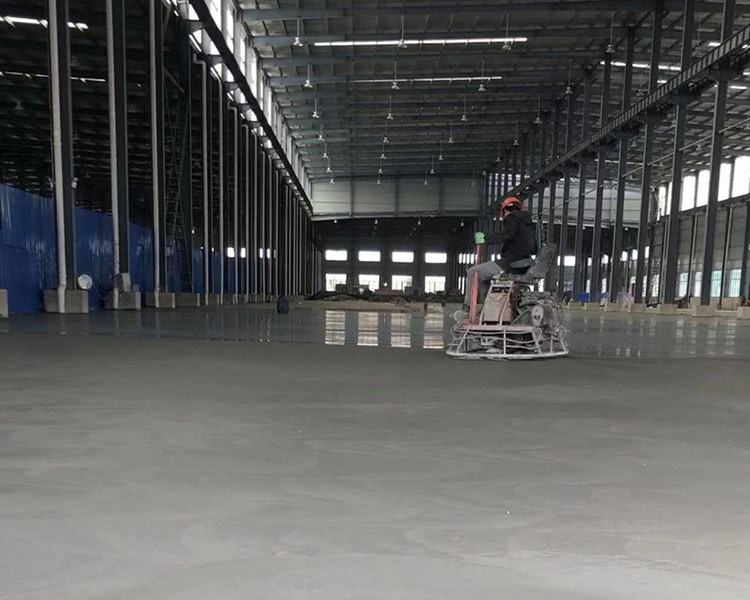
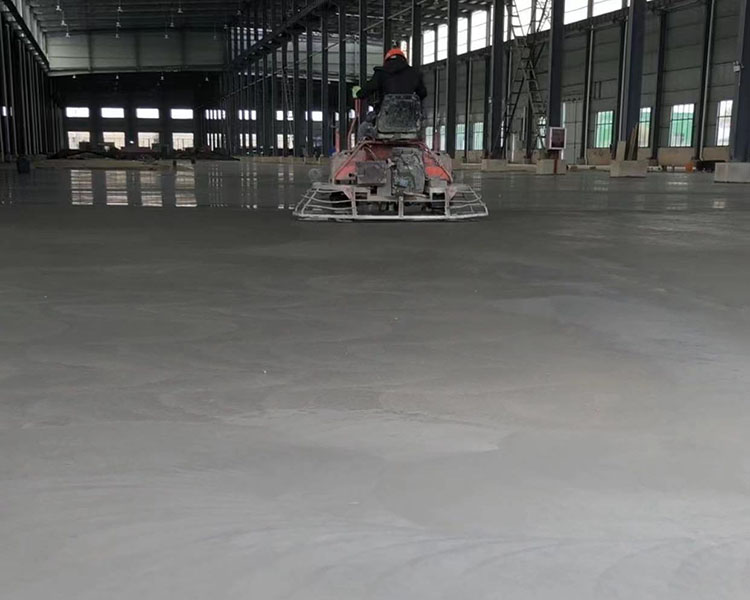
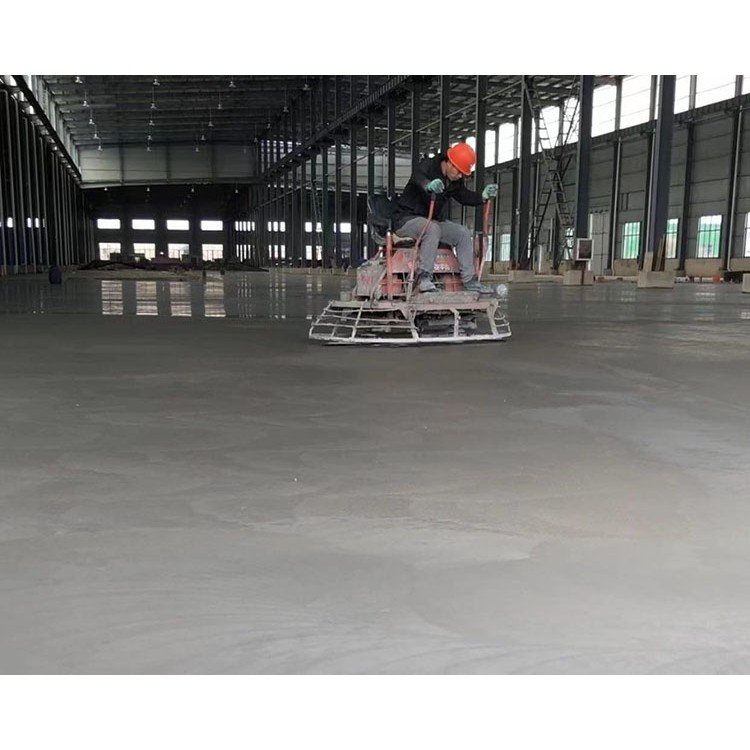
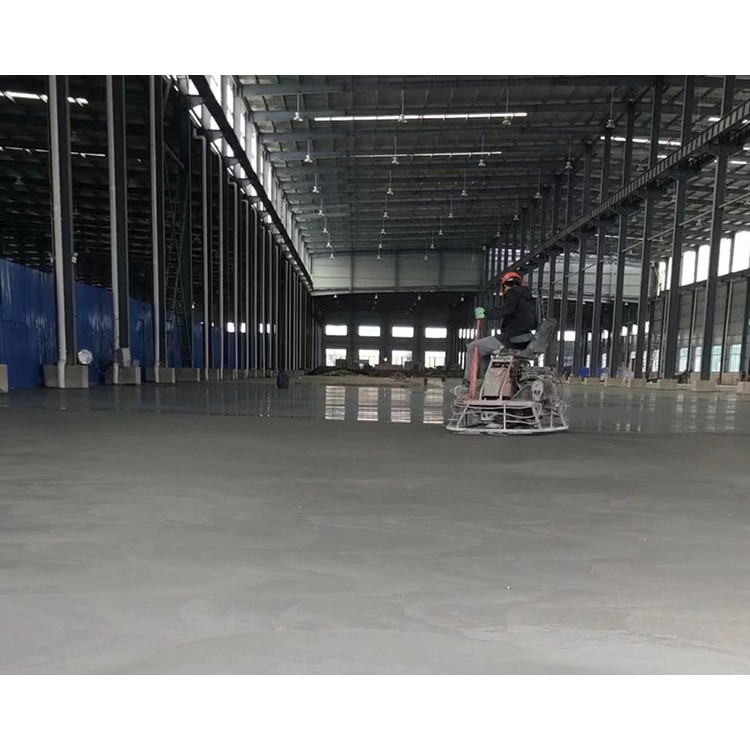
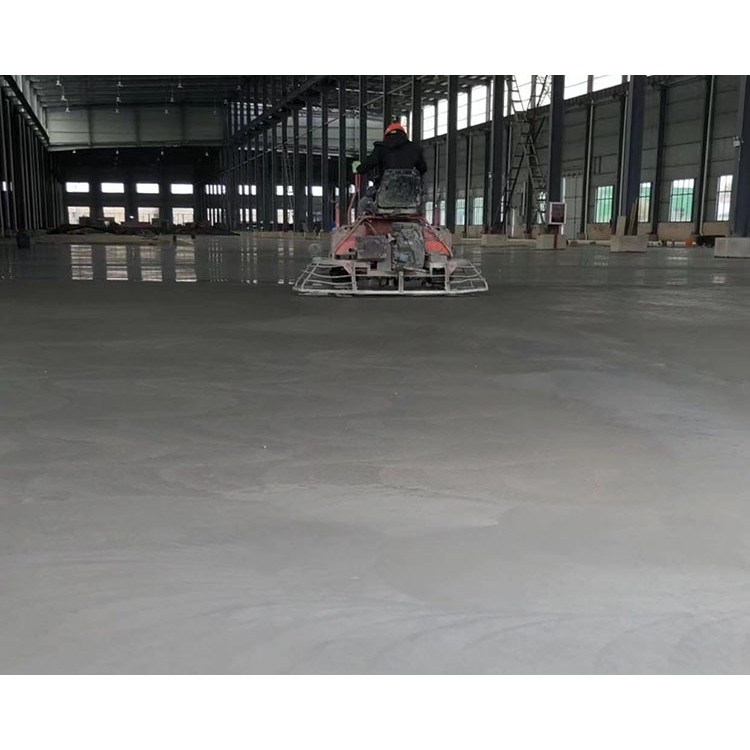
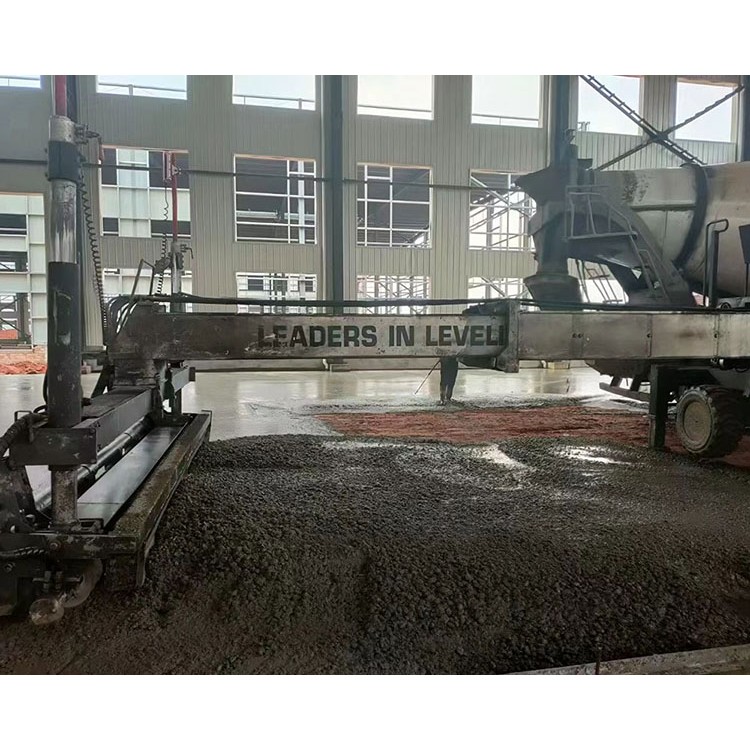
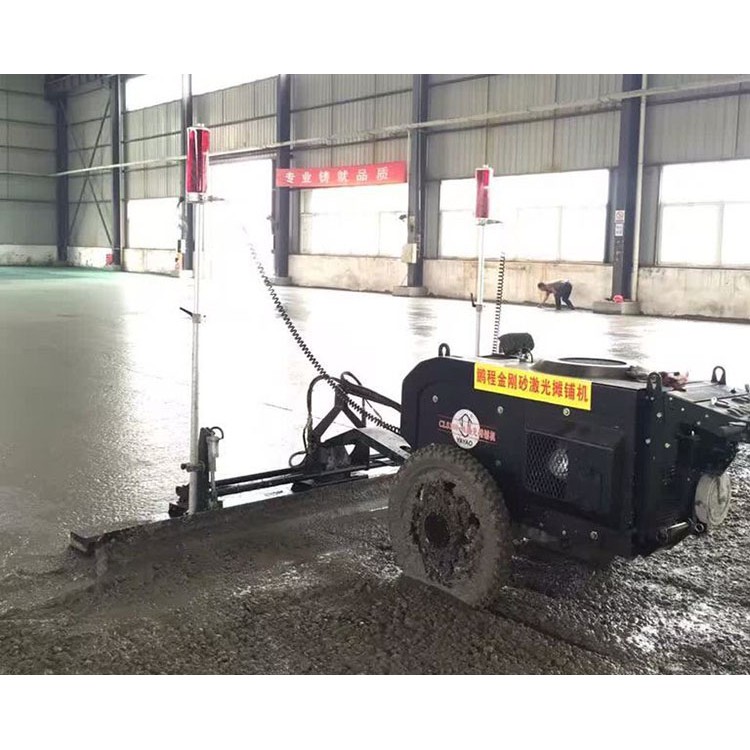
Leveling and smoothing: Perform leveling and compaction before the cement starts to set, using a wooden trowel to work from the inside out, and check the flatness with a 2-meter ruler at all times. The surface smoothing should be done in three passes with an iron trowel to ensure the floor surface is smooth and even.
Three: Post-construction maintenance
Curing Time: After the concrete surface is poured, it should be covered and watered for curing within 12 hours. The initial curing involves spraying water, with the watering period not less than 7 days. Maintain sufficient moisture in the concrete to promote hardening and strength development.
Curing Methods: Water retention can be maintained by covering with plastic sheets or sprinkling fine sand. Only allow pedestrian traffic once the concrete reaches an compressive strength of 5MPa. Normal use is permitted when the compressive strength meets the design specifications.
IV. Other Points to Note
Construction Environment: Choose dry weather for construction and avoid working in rainy or cooler weather conditions. Construction under low temperatures can affect the setting and curing speed of concrete.
Safety Protection: Construction workers must wear protective gear, particularly high-top waterproof boots, to prevent cement from irritating the skin.
Quality Control: Strict control over all process parameters and quality indicators should be maintained during construction to ensure the floor's flatness, strength, and wear resistance meet design requirements.
In summary, the construction considerations for concrete flooring cover pre-construction preparation, during-construction control, post-construction maintenance, and other aspects. Adhering to these considerations ensures the construction quality, safety, and durability of the concrete flooring.