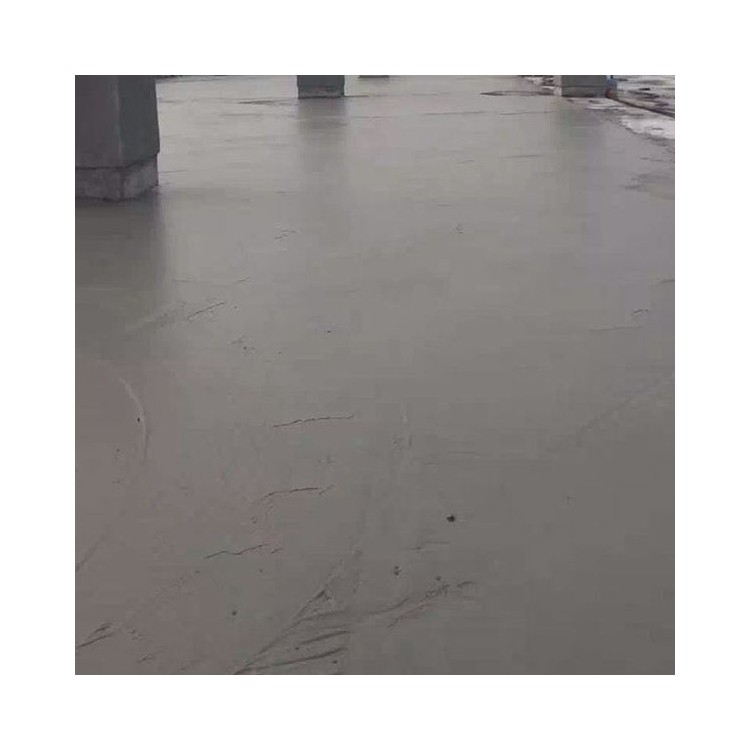



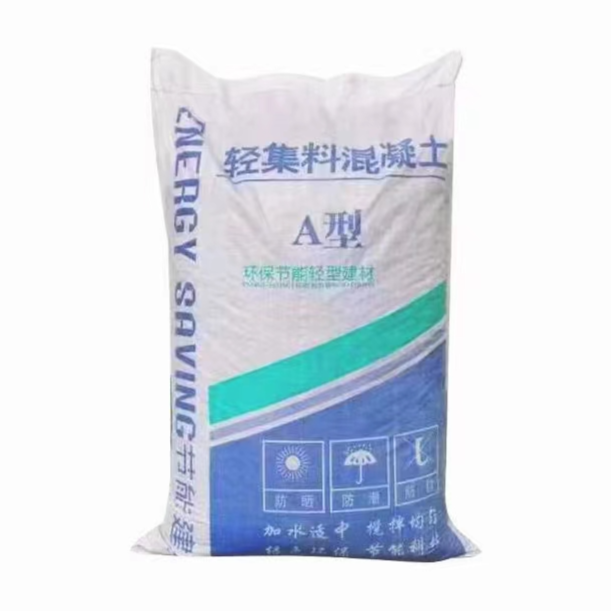

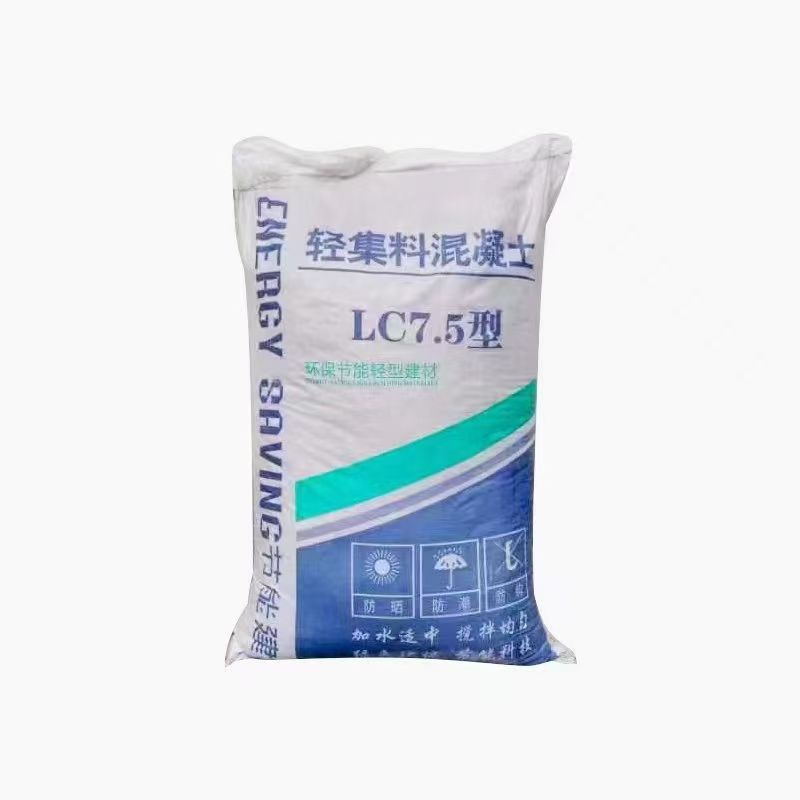
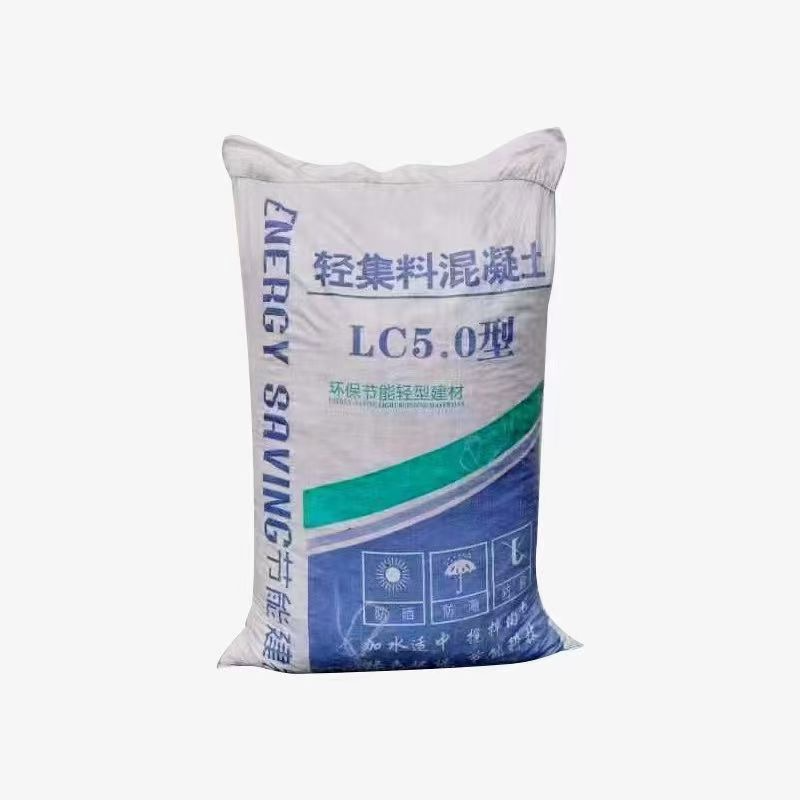





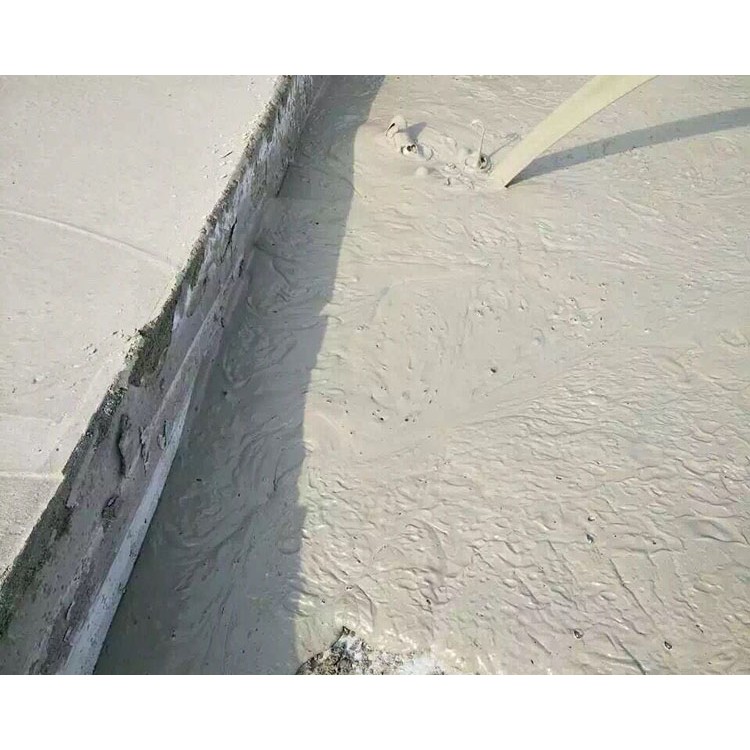
Lightweight concrete is a structural lightweight concrete made by mixing lightweight coarse aggregates (such as expanded clay), ordinary sand (or partially lightweight sand), cement, and water. Its main characteristics are:
Lightweight: Due to the use of lightweight coarse aggregates, the weight of lightweight aggregate concrete is significantly reduced, which can reduce its self-weight by over 20% to 30% compared to ordinary concrete of the same grade. This feature gives lightweight aggregate concrete a distinct advantage in high-rise buildings and large-span structures.
High strength: Despite the reduced weight, lightweight aggregate concrete can still achieve high compressive strength through rational mix design. Its compressive strength can vary over a wide range depending on the application and mix ratio.
Insulation and Heat Retention: Lightweight aggregate concrete contains a high number of air voids internally, which gives it excellent insulation and heat retention properties. This characteristic makes lightweight aggregate concrete particularly suitable for building sections requiring insulation and heat retention, such as roofs and walls.
Seismic Resistance and Waterproofing: Lightweight aggregate concrete boasts excellent elasticity and compactness, effectively enhancing a building's seismic performance and waterproofing capabilities. This makes it widely applicable in seismic-prone areas and for structures requiring high waterproofing performance.
Excellent fire resistance: Lightweight aggregate concrete has high fire resistance, with combustion performance reaching A2 level, suitable for building sections requiring fire prevention.
Excellent deformation properties: Lightweight aggregate concrete has a lower elastic modulus, offering good deformation performance. Generally, it exhibits significant shrinkage and creep. This characteristic gives it an advantage in applications where high deformation performance is required.