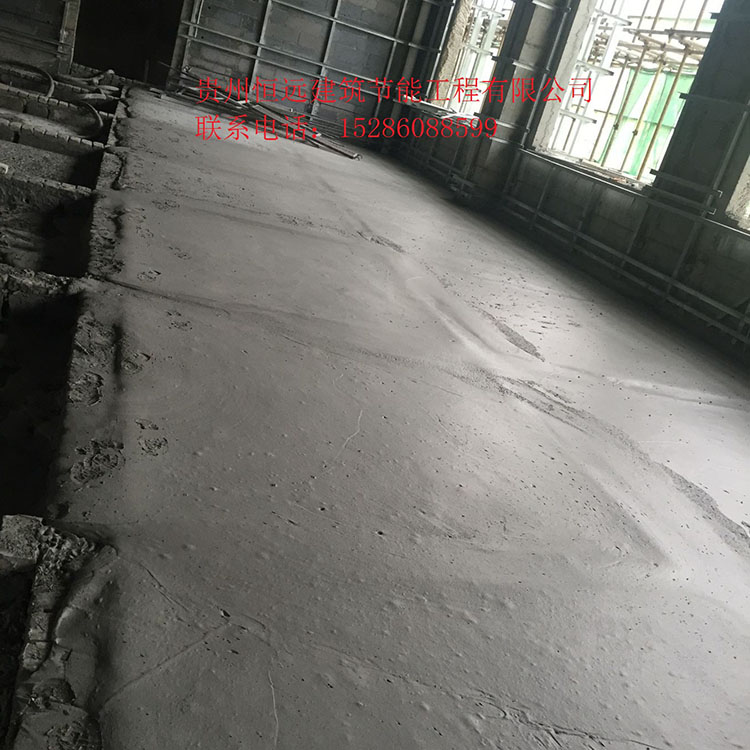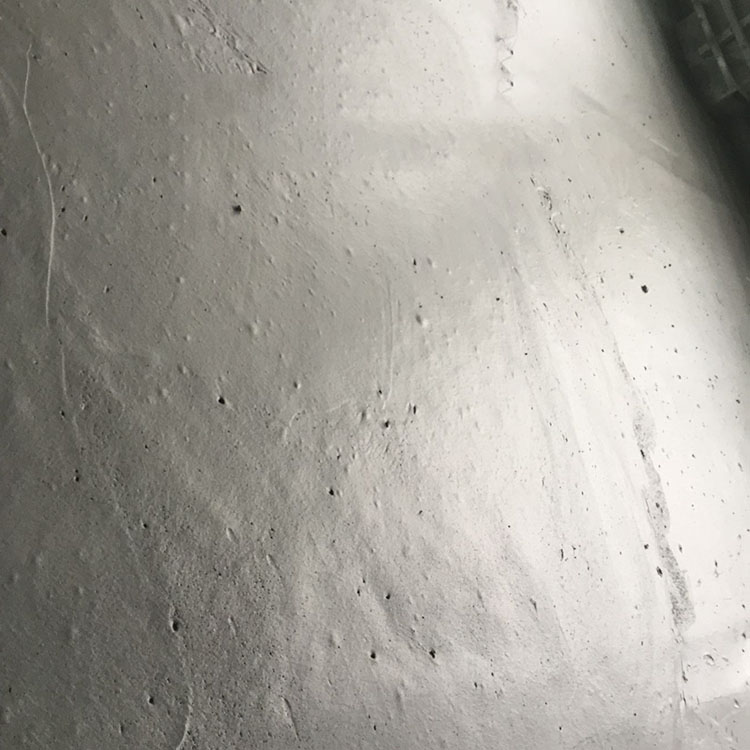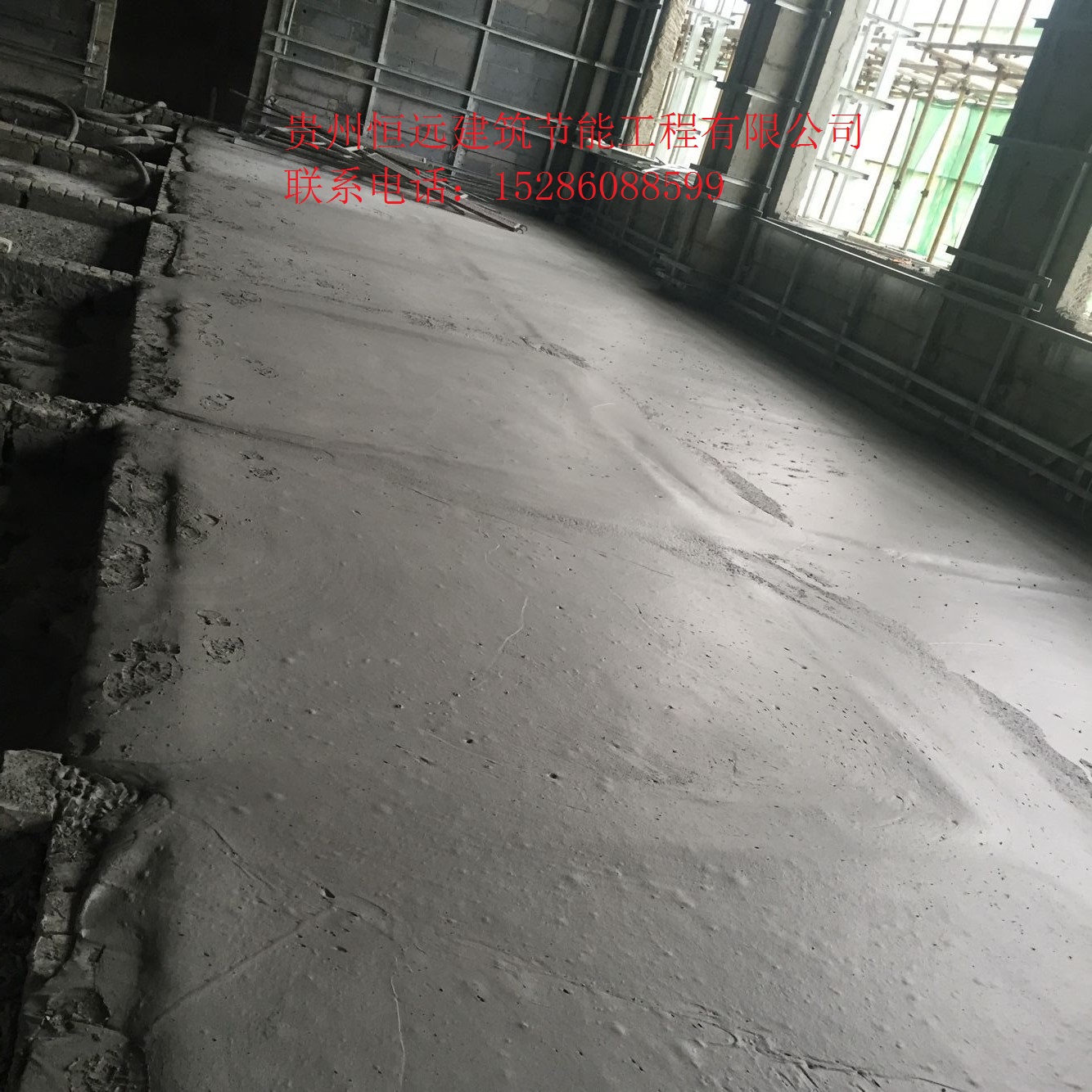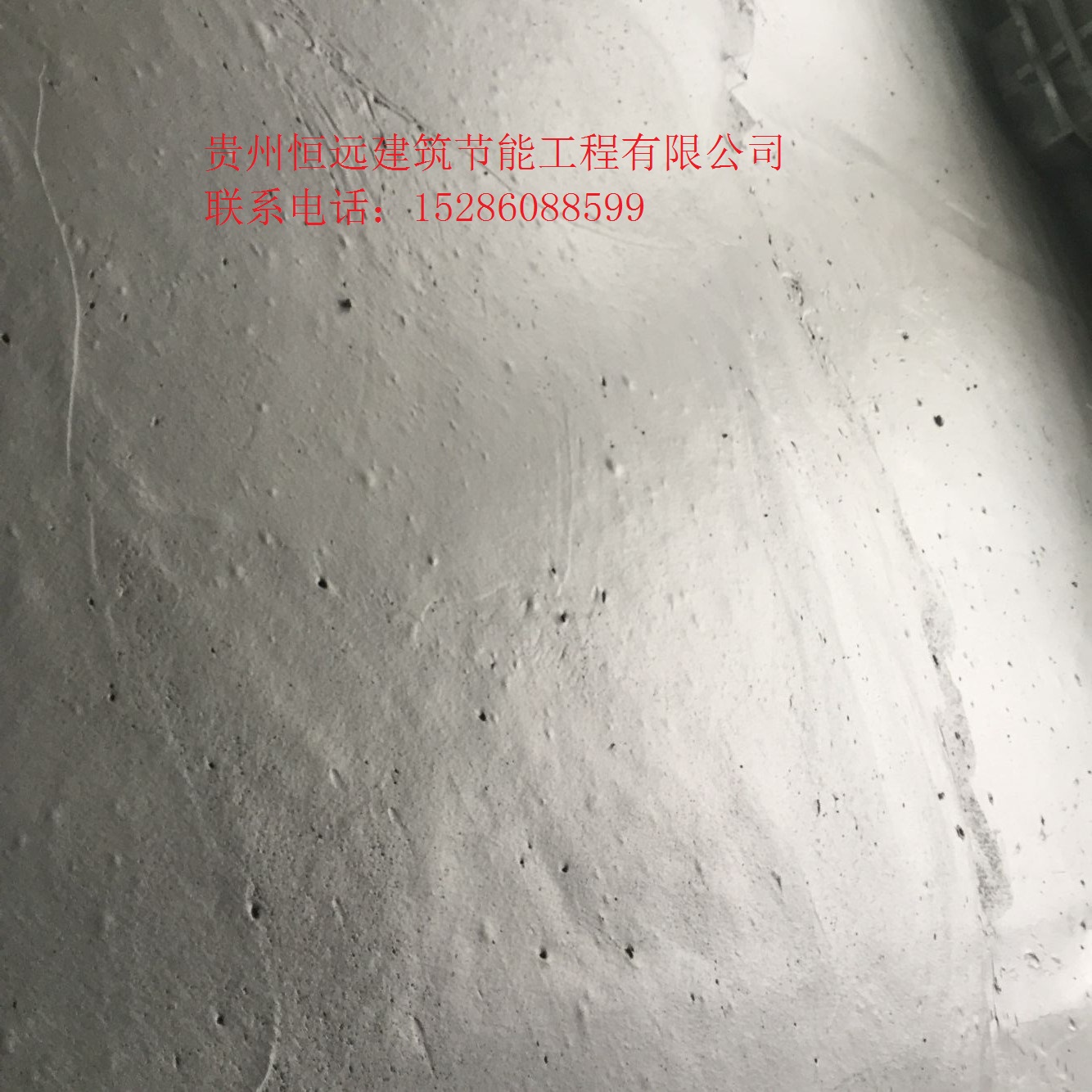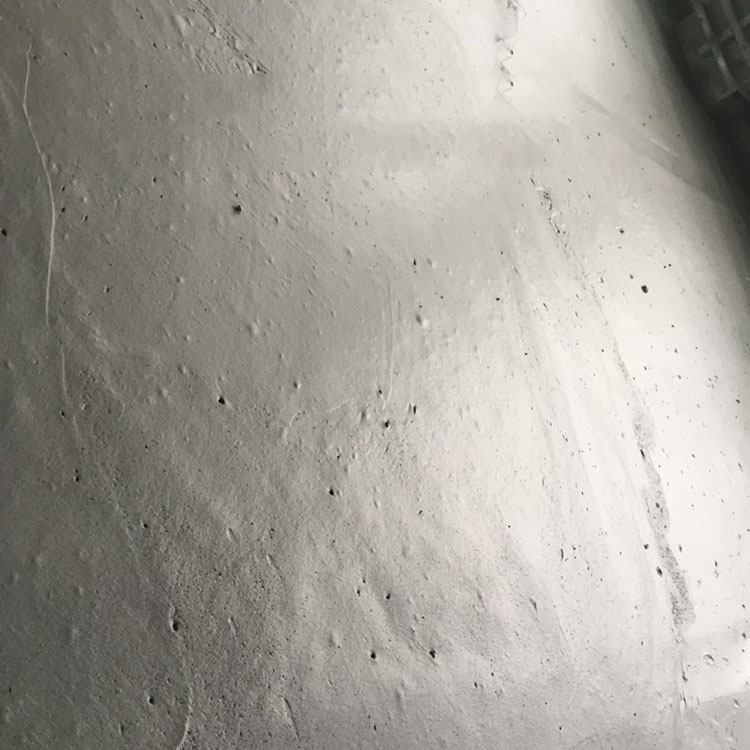


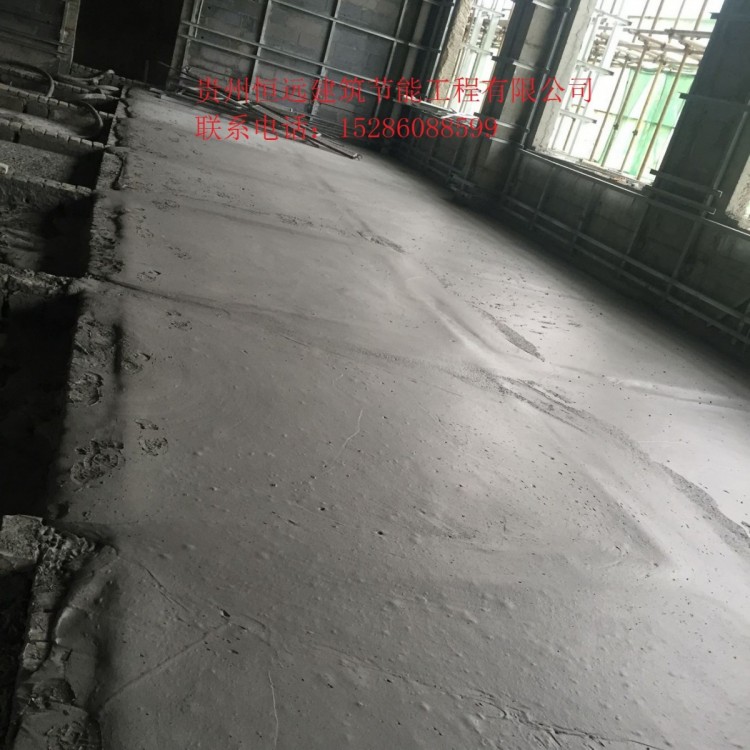


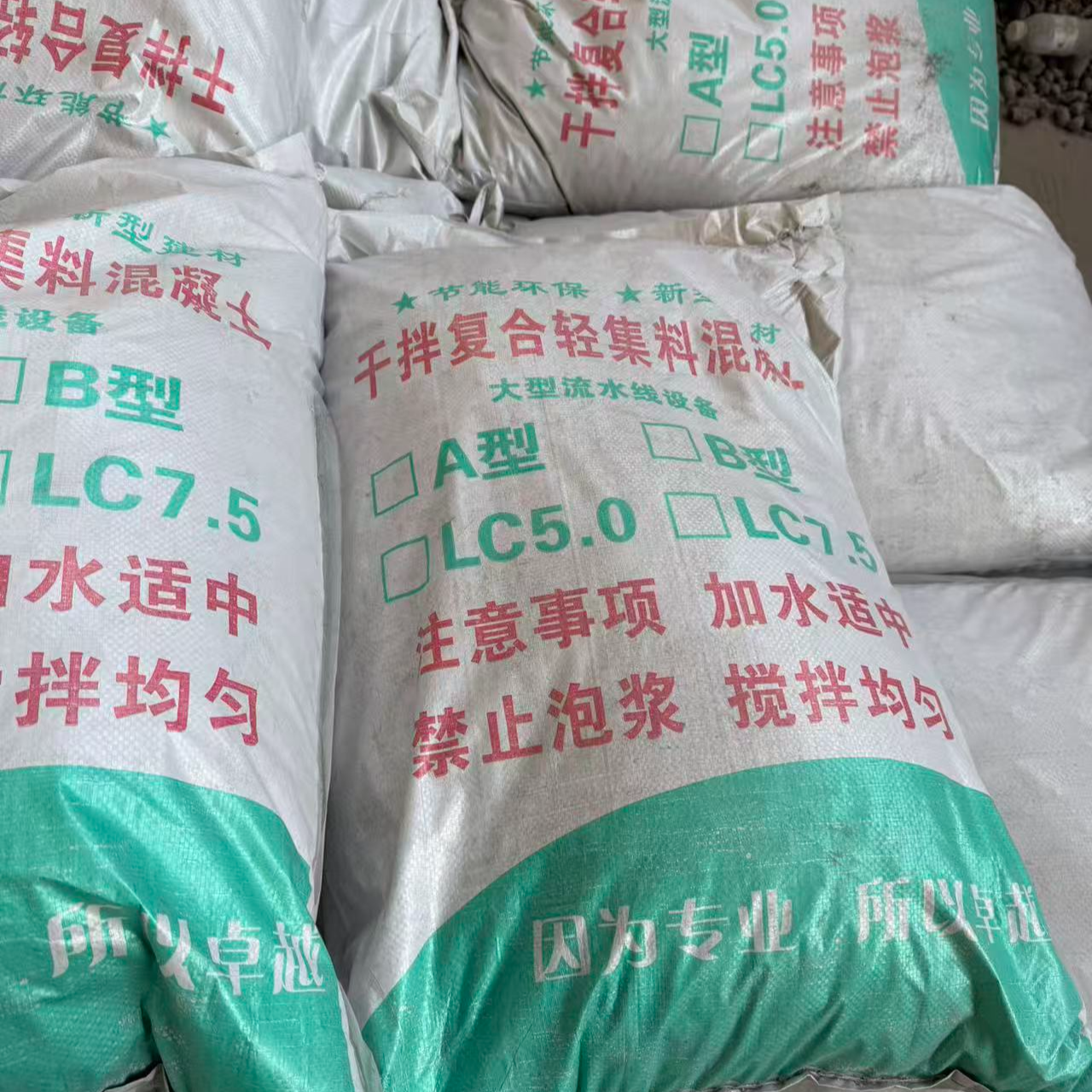
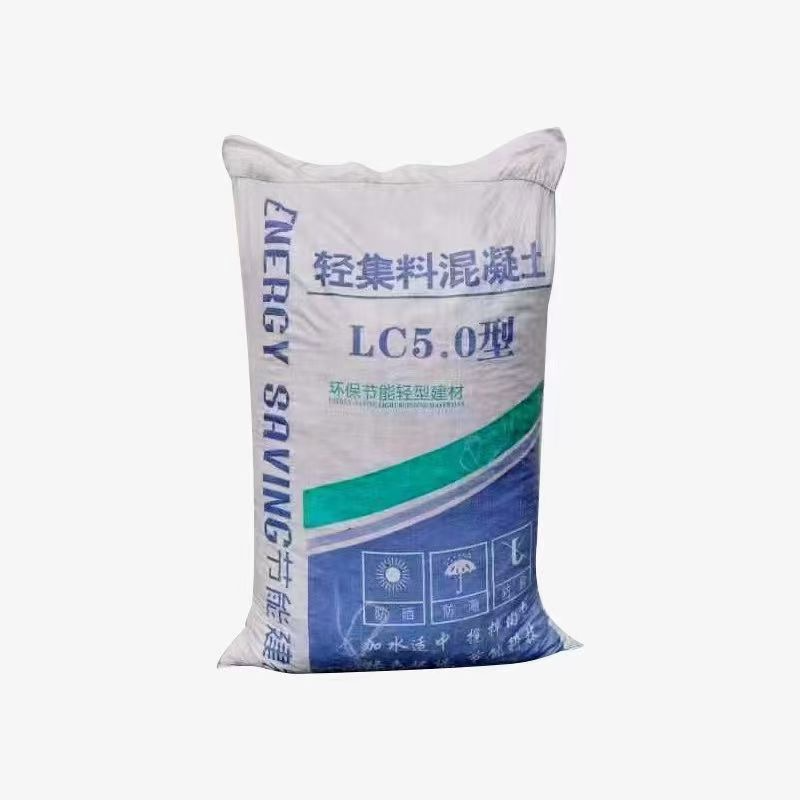





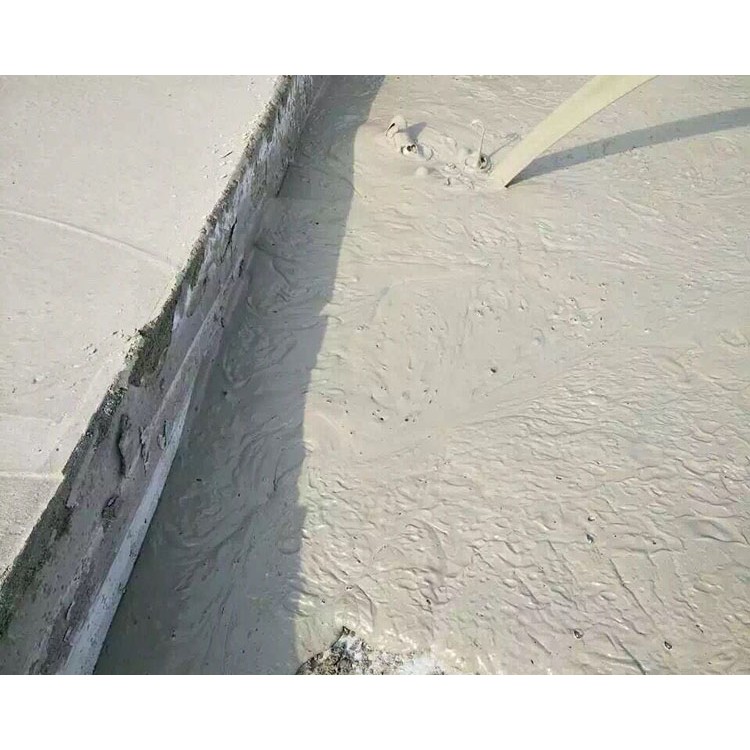
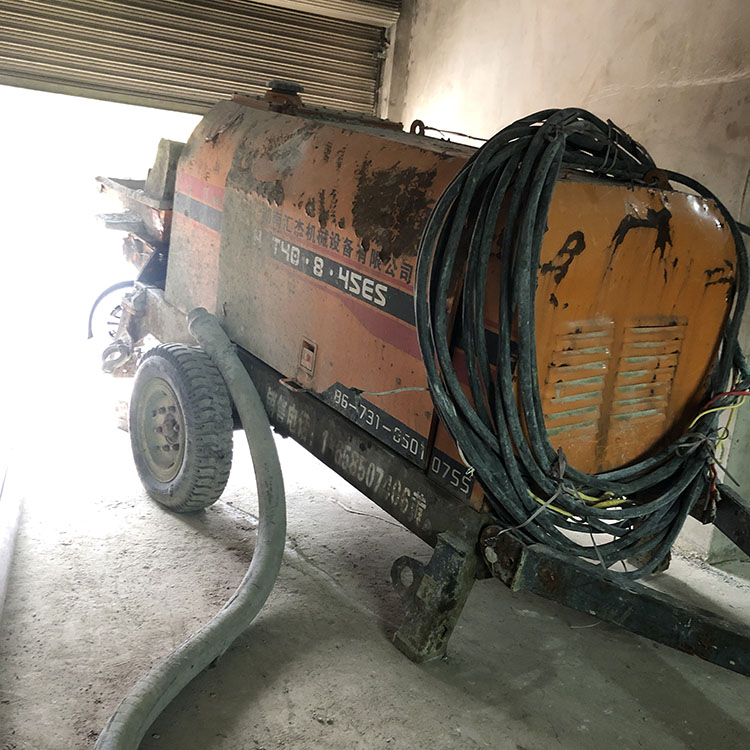
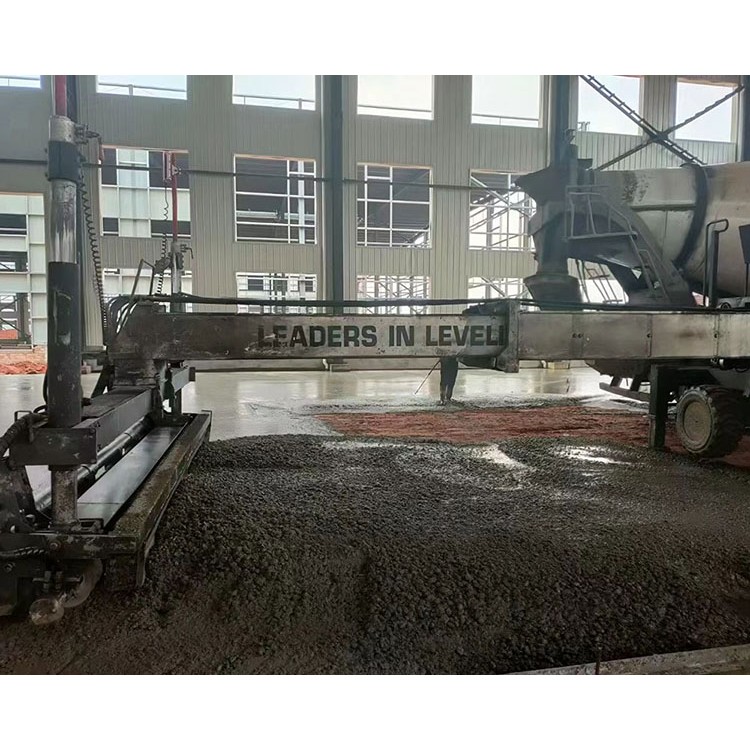
Expanded Concrete, also known as Foam Concrete, is a new type of lightweight thermal insulation material containing a large number of sealed pores. Below is a detailed introduction to expanded concrete:
I. Definition and Manufacturing Process
Expanded Concrete is produced by using a foaming machine to fully foam the foaming agent mechanically, then uniformly blending the foam with cement slurry. It is subsequently pumped through the machine's pumping system for either cast-in-place construction or molding, and finally cured naturally. The manufacturing process primarily includes key steps such as raw material preparation, mixing and blending, casting and molding, curing, and solidification.
II. Features
Lightweight: The density of foamed concrete is low, generally ranging from 300 to 1800 kg/m³, with the commonly used density grade being 300 to 1200 kg/m³. In recent years, ultra-light foamed concrete with a density of 160 kg/m³ has also been applied in construction projects. This lightweight characteristic allows foamed concrete to significantly reduce the self-weight of buildings in various structural elements such as interior and exterior walls, floors, columns, and more.
Insulation and Heat Retention: The foam concrete contains a large number of sealed pores, which give the concrete excellent insulation and heat retention properties. It has a lower thermal conductivity coefficient and a thermal resistance about 10 to 20 times that of ordinary concrete, thus offering good energy-saving effects.
Soundproof and Fire Retardant: Foam concrete is an inorganic soundproofing material with excellent sound insulation properties. Additionally, it is non-flammable and has good fire resistance, which can enhance the fire safety performance of buildings.
Waterproof: The low water absorption rate of expanded concrete, along with its relatively independent closed bubbles and good integrity, endows it with certain waterproof properties.
Excellent durability: The foamed concrete has the same lifespan as the main structure, offering great durability.
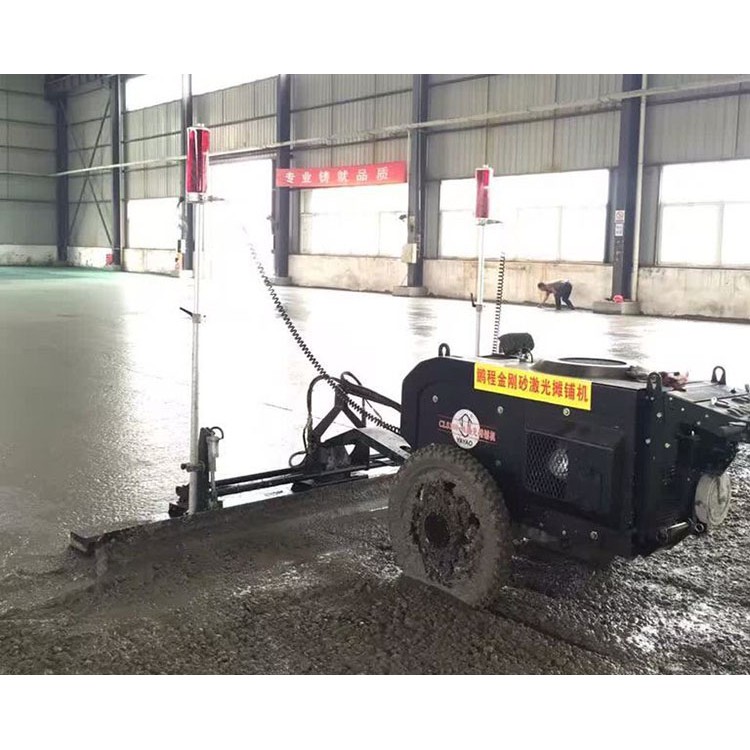
Construction Convenience: The production and processing of foam concrete are easy, allowing for the manufacture of various products in the factory and direct on-site construction for roofs, floors, and walls. Moreover, the construction process is relatively simple, requiring only a cement foaming machine for foam creation and natural curing, without the need for autoclave curing.