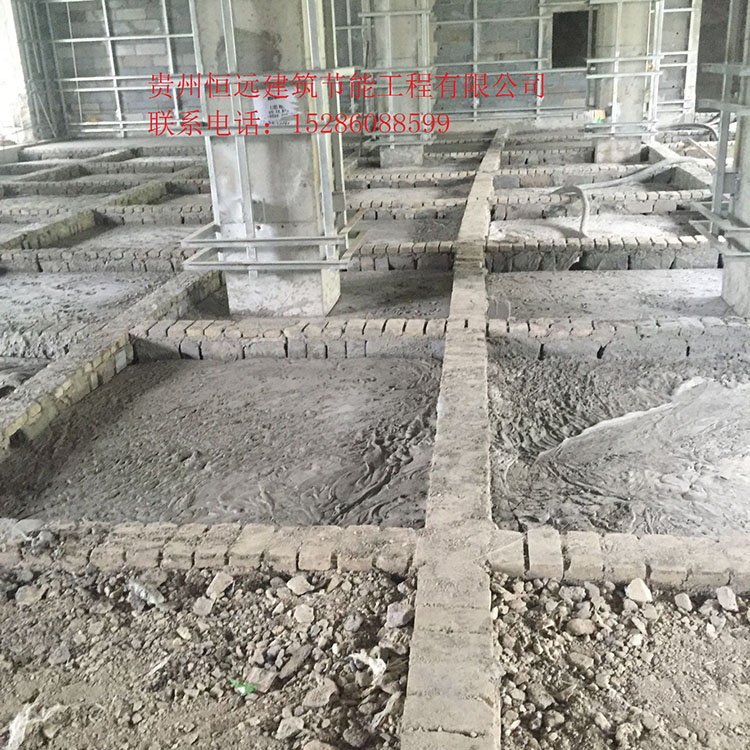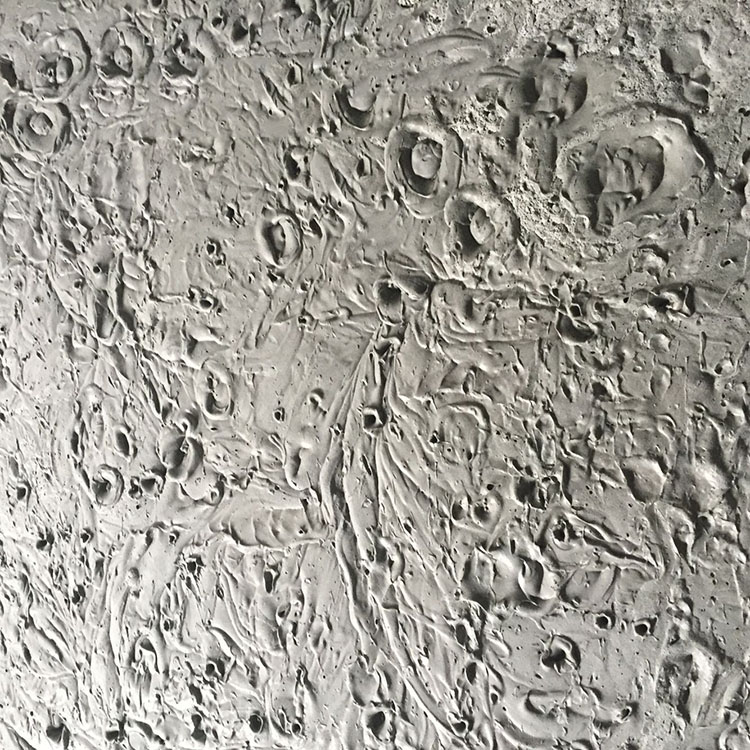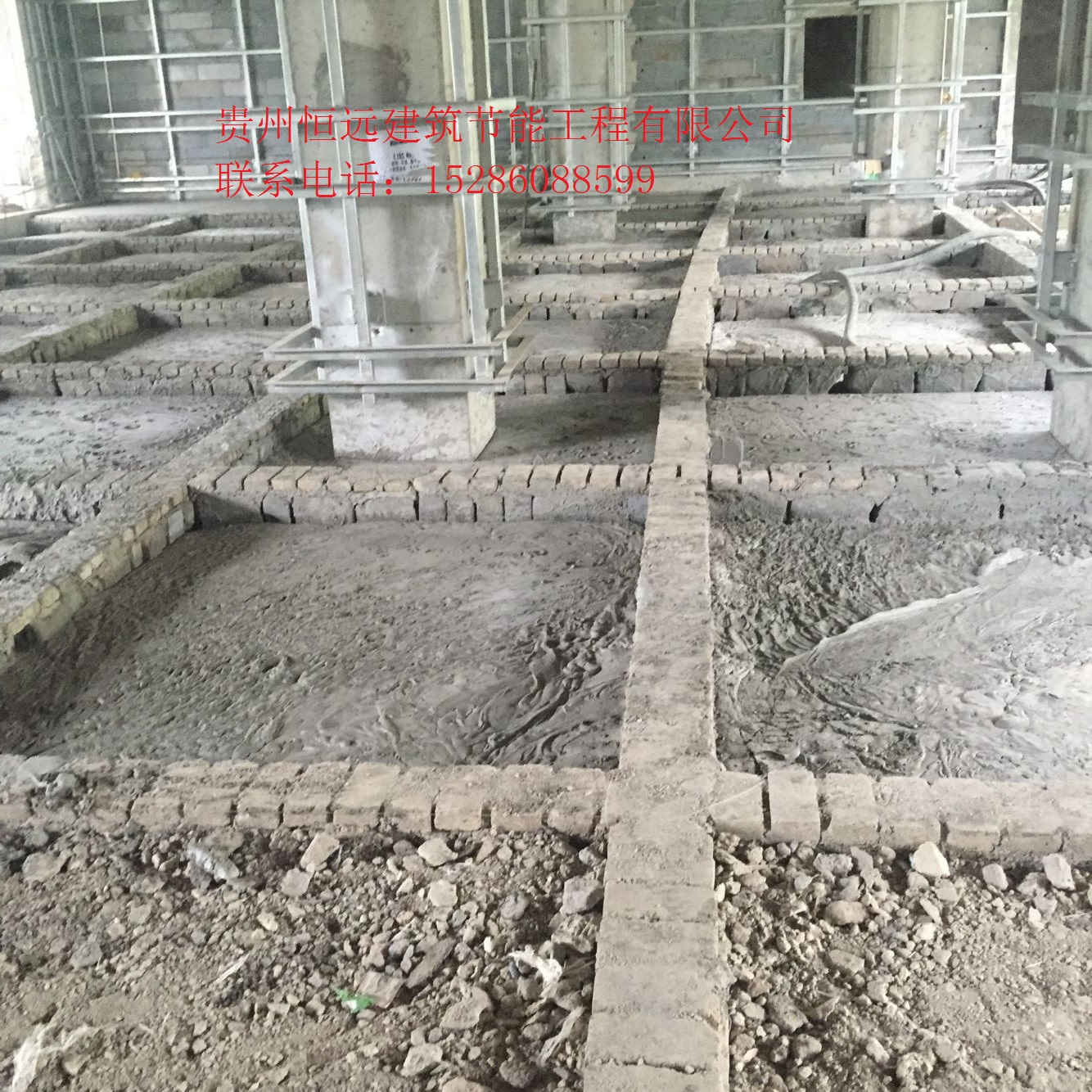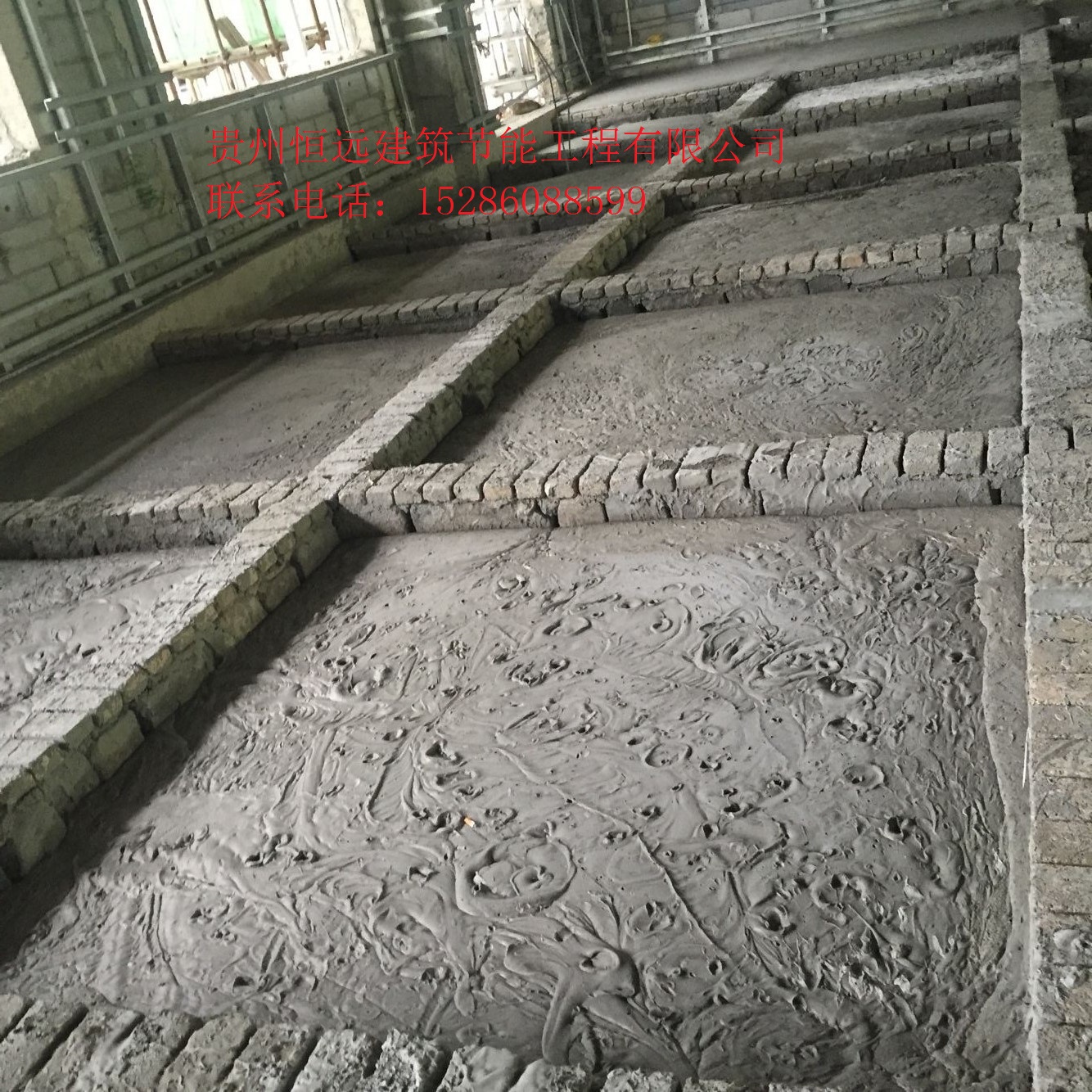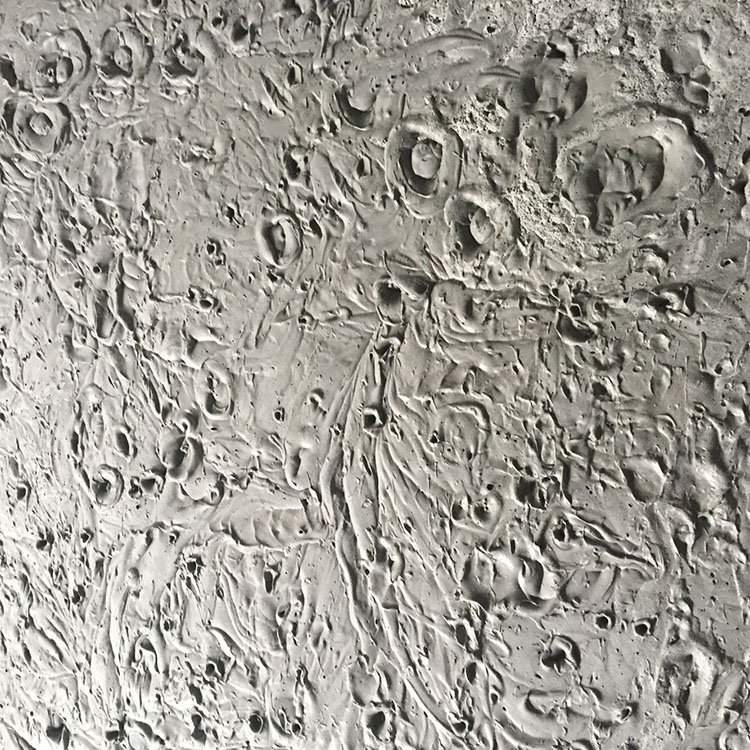

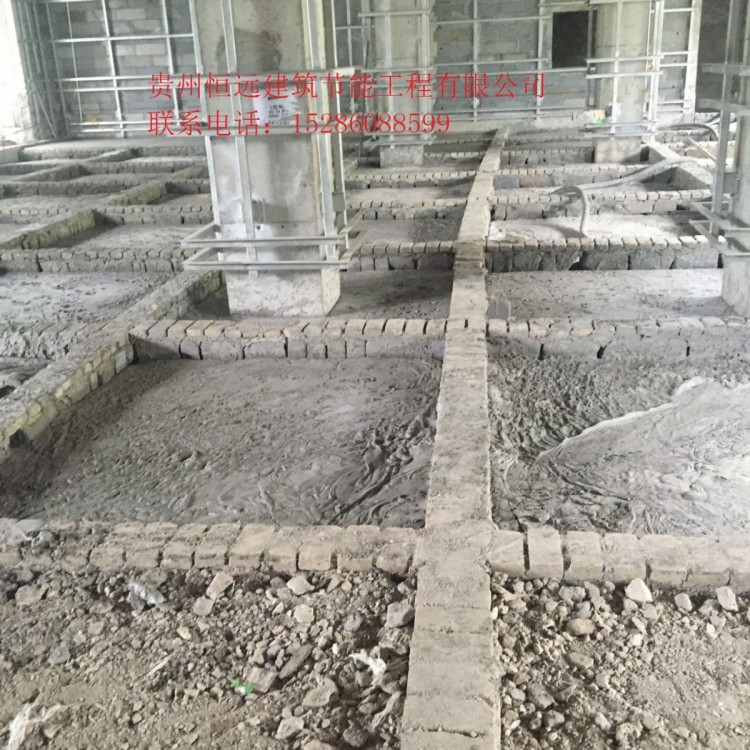


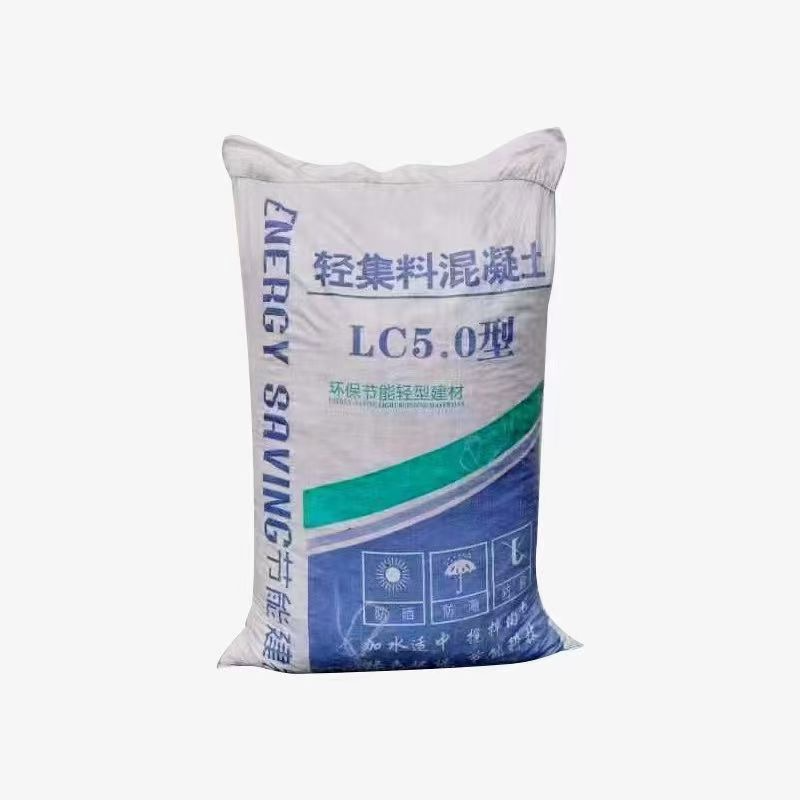





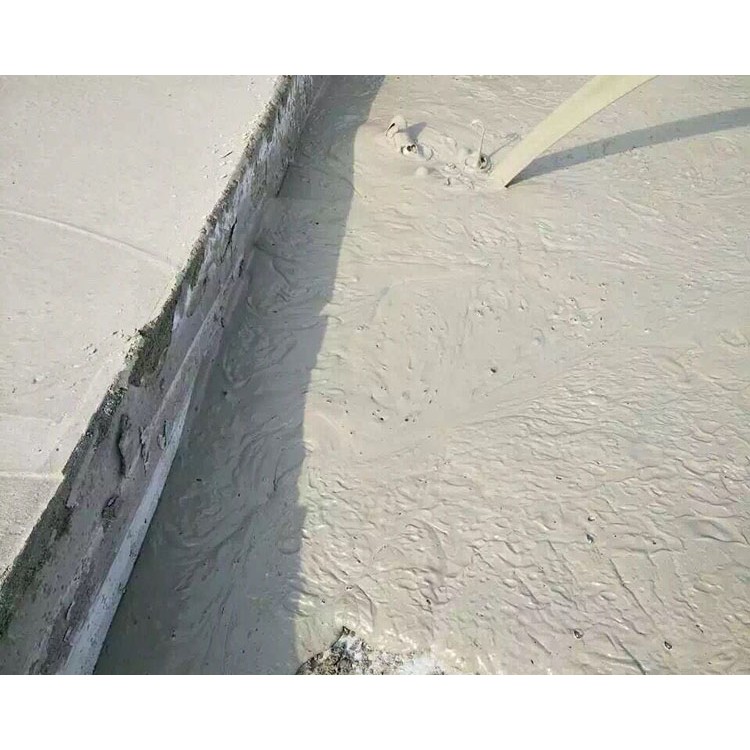
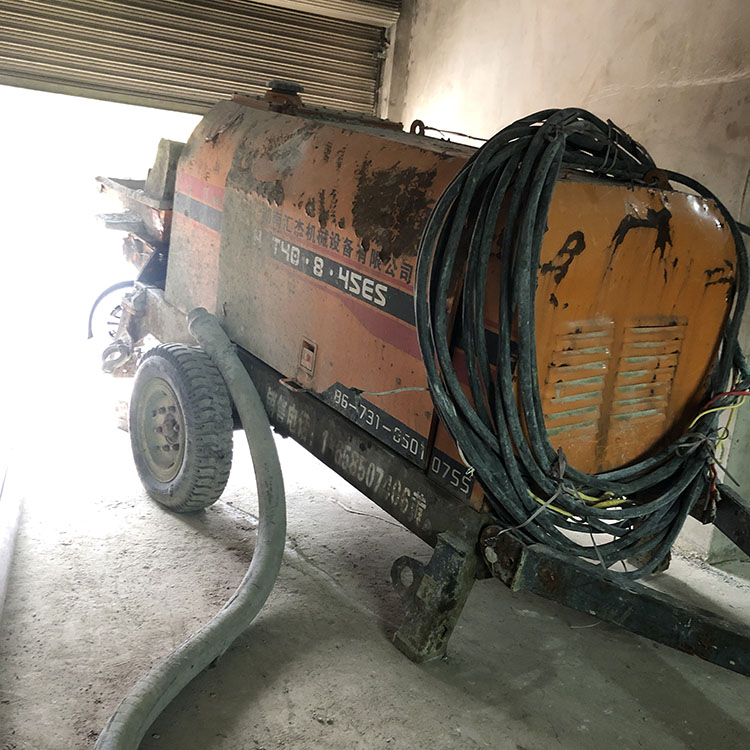
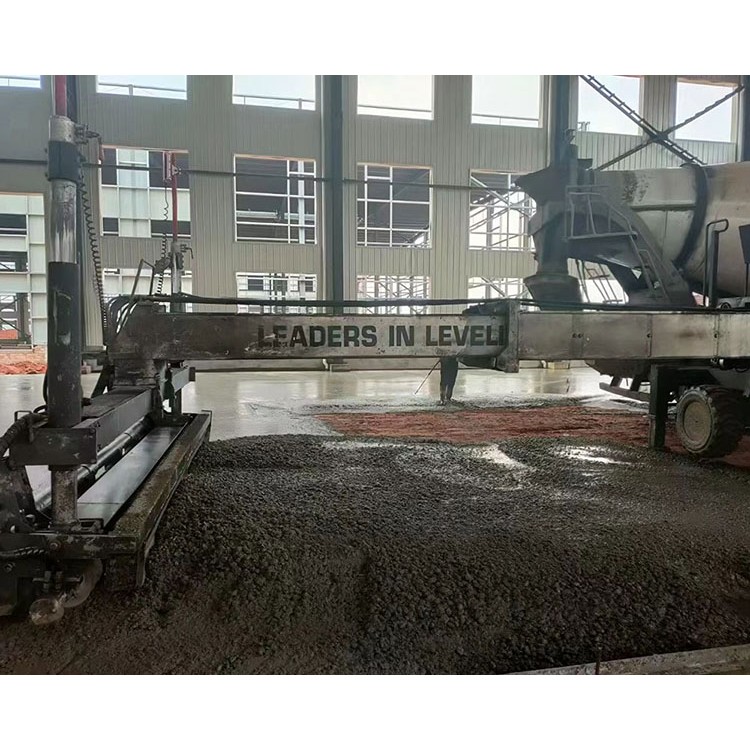
Foam concrete is made primarily from cement, mixed with water, foaming agents, and other materials in specific proportions. The production process includes: fully foaming the foaming agent using a foaming machine's system, uniformly blending the foam with the cement slurry, and then either casting in place or molding using the foaming machine's pumping system. It is then naturally cured to complete the process.
Features:
1. Lightweight: The dry volume density of foam concrete is approximately 300-1600 kg/m³, which is about 1/5 to 1/8 of that of normal cement concrete. This can reduce the overall load of buildings and lower the cost of structures and foundations.
2. Thermal Insulation: Foam concrete contains numerous tiny holes, which form excellent thermal properties with a normal thermal conductivity of 0.08~0.25 W/m·K, providing significant insulation and soundproofing effects.
3. Soundproof and Fire-Resistant: Foam concrete is an inorganic soundproofing material that does not burn and has excellent fire resistance. Its use in buildings can enhance the fire safety performance of the structure.
4. Waterproofing: Cast-in-place foam concrete has low water absorption due to its relatively independent closed bubbles and good integrity, which endows it with certain waterproofing properties.
5. Durability: Foam concrete has the same lifespan as the main structure.
6. Fast construction speed: Simple machinery enables automated operations, long-distance transportation, and high work volume.
7. Eco-Economic: The raw materials for foam concrete are cement and foaming agent, with the foaming agent being neutral and free of harmful substances like benzene and formaldehyde, thus avoiding environmental pollution and fire hazards. Additionally, it can fully utilize waste materials, conserve farmland and energy, and reduce costs.