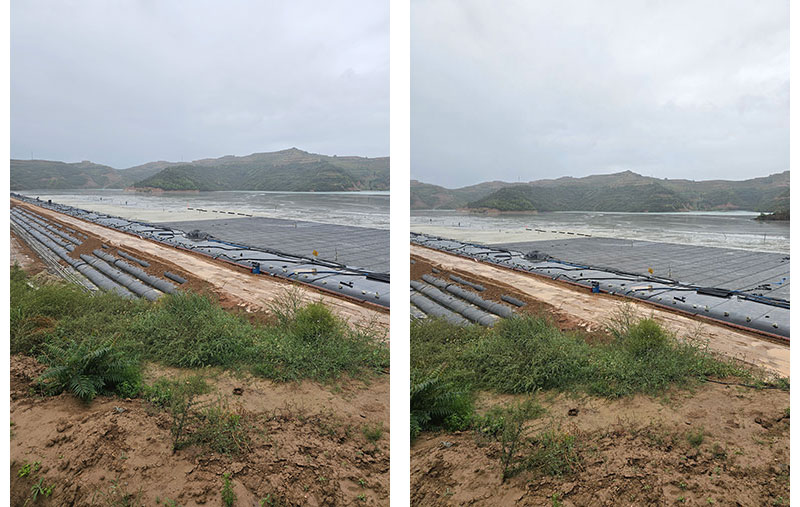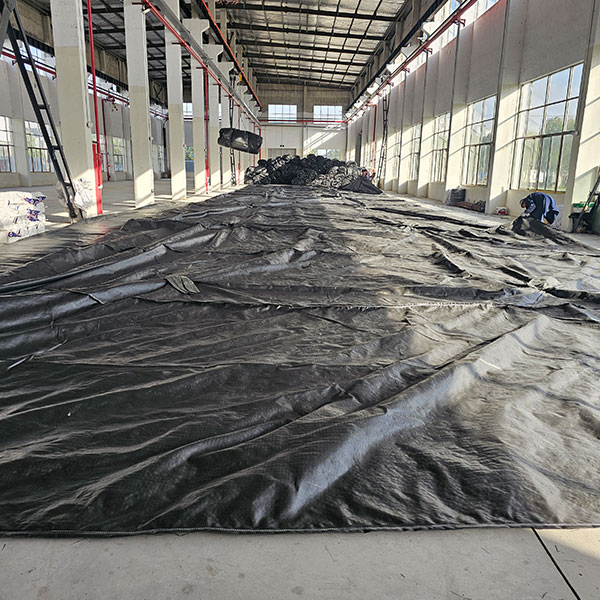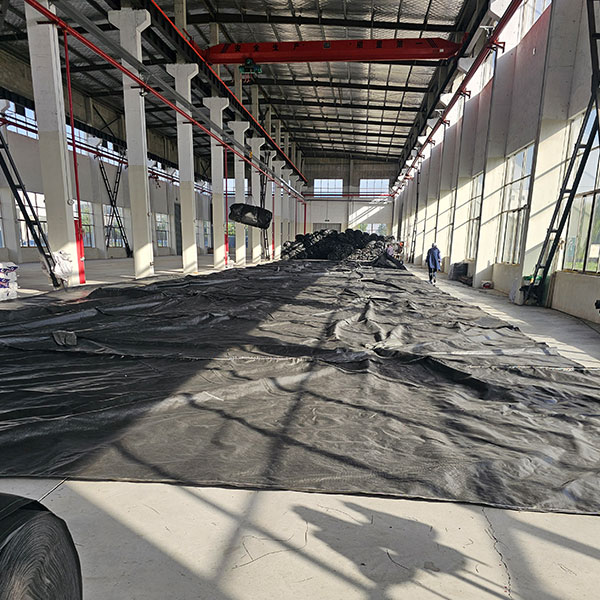



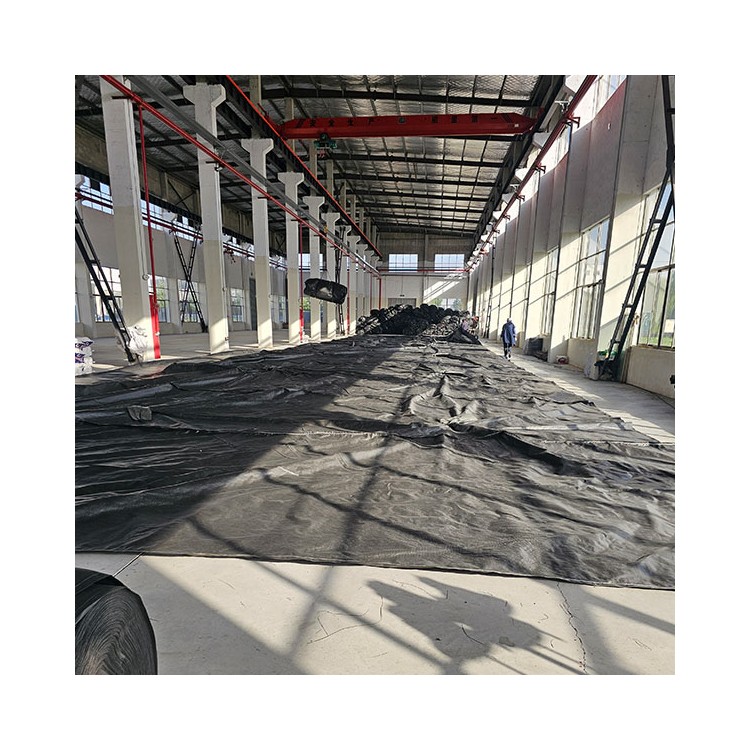
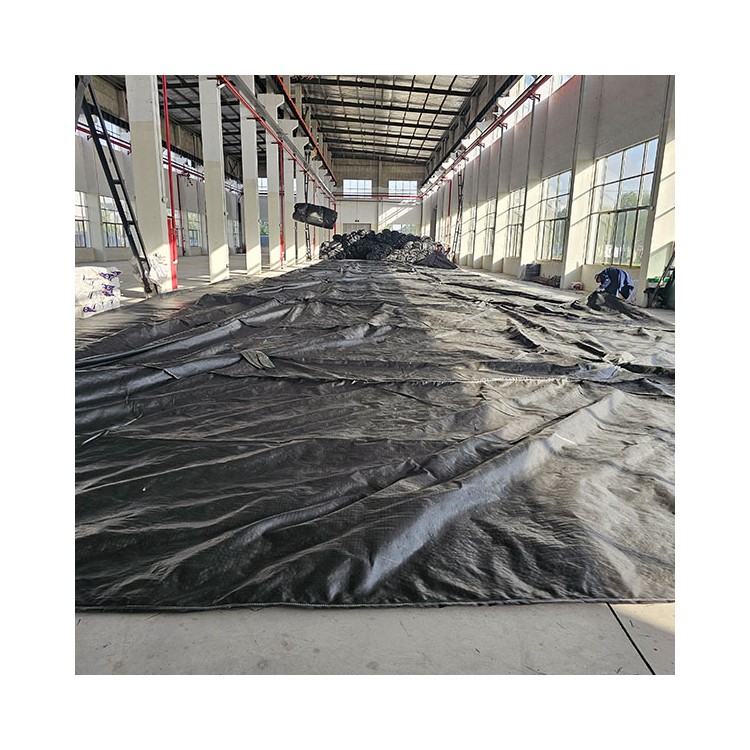









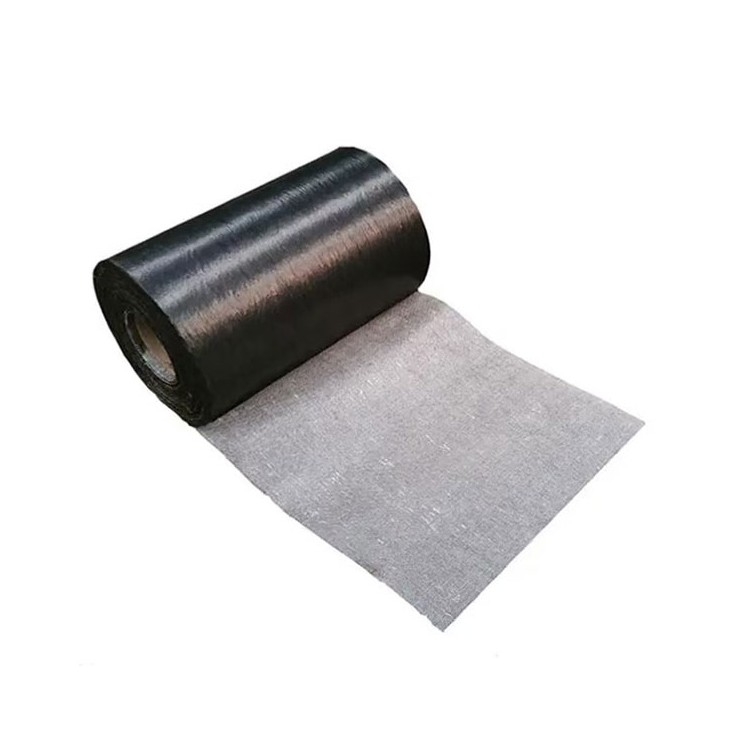
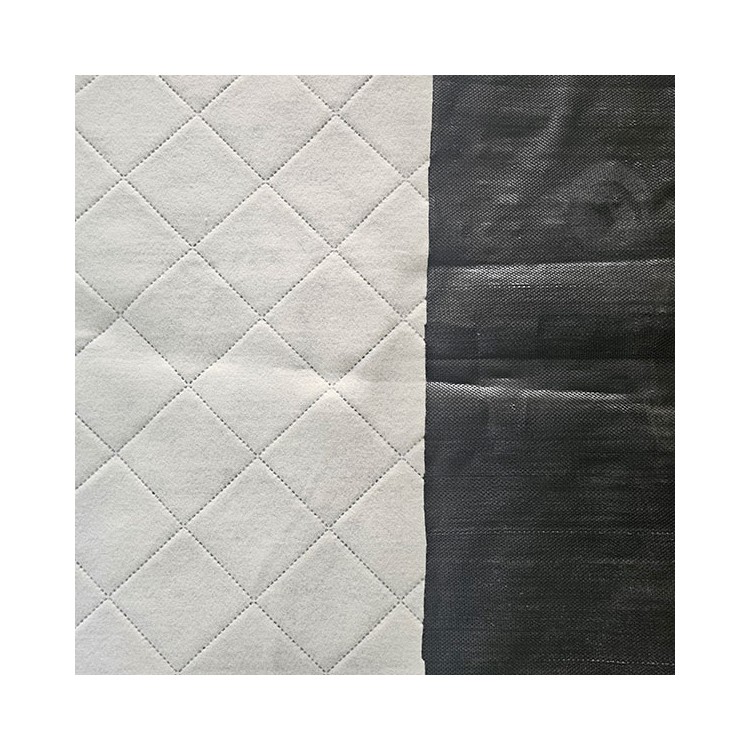
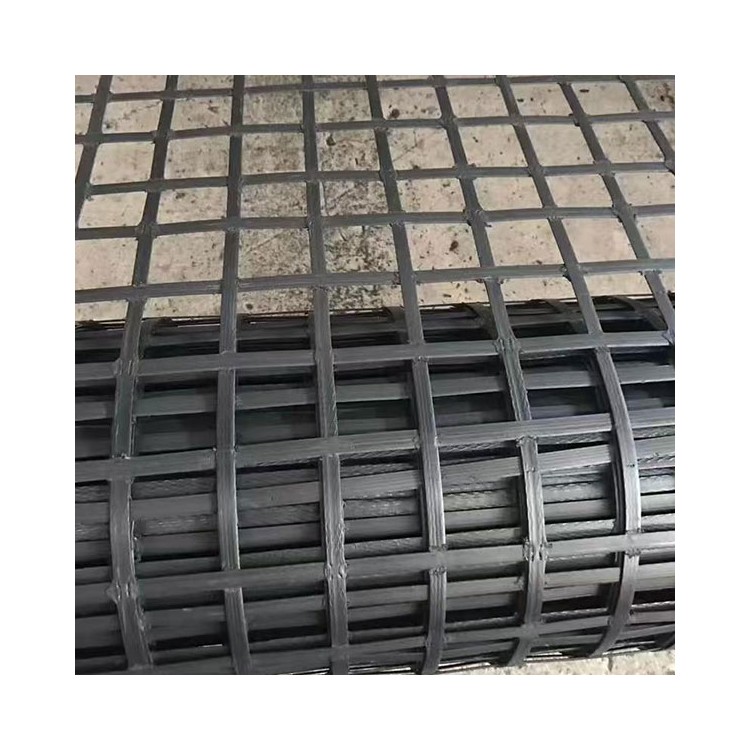
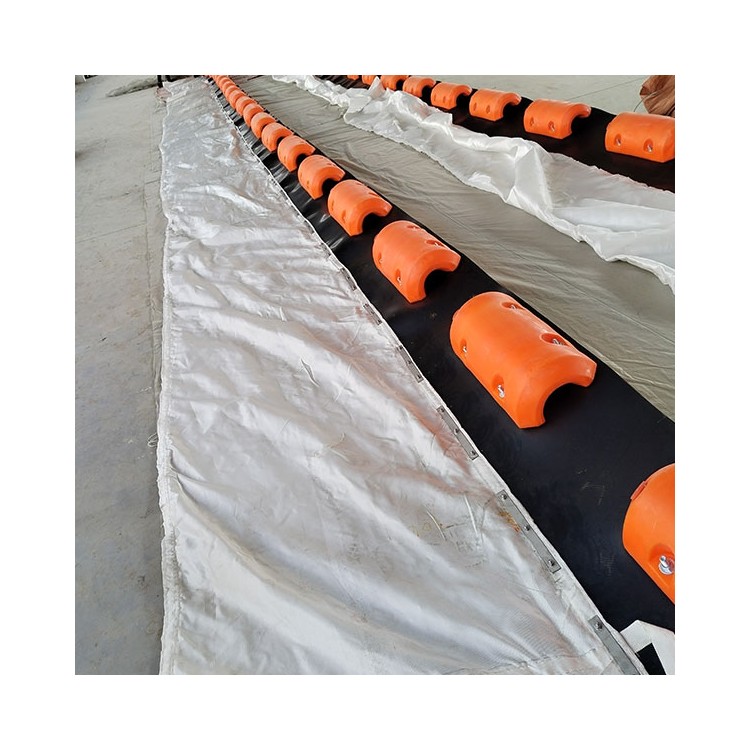
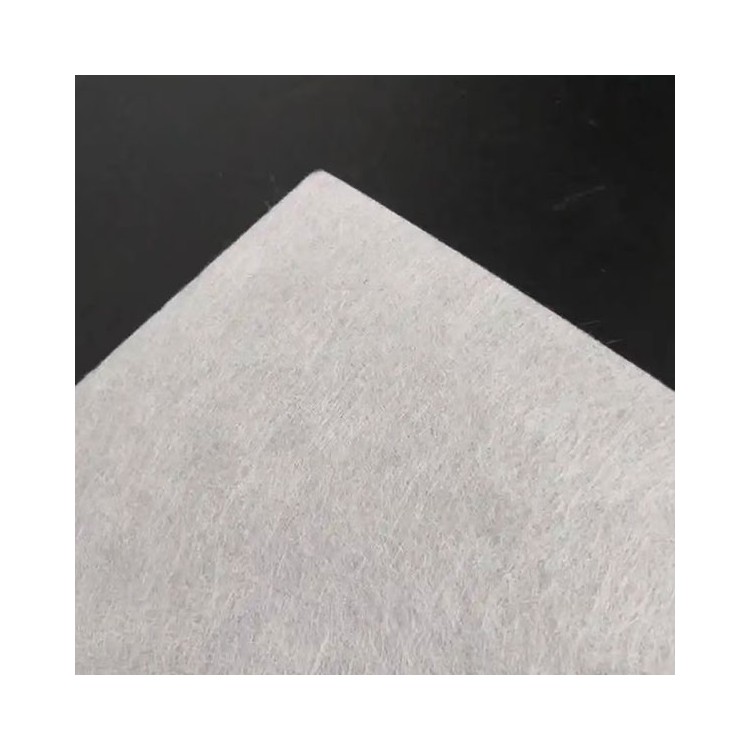
Sand-filled Bags (Filling Bags, Geotextile Bags): Utilizing the high strength and low elongation characteristics of materials such as PP woven fabric, slit film woven fabric, and long fiber woven fabric. The bags are sewn from a single or multiple widths of base fabric according to the design dimensions, with regular filling sleeves on top and fixed rings around the sides.
Application Fields: Land reclamation, dock construction, artificial islands, river weir, floodgates, temporary and permanent cofferdams, flood control and rescue operations.
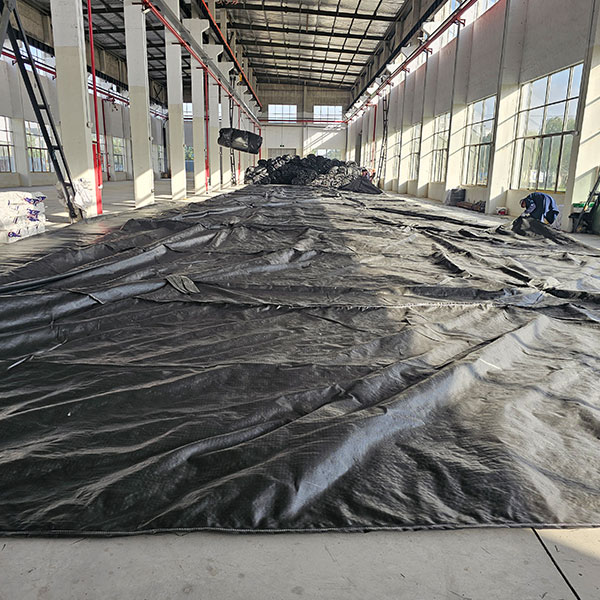
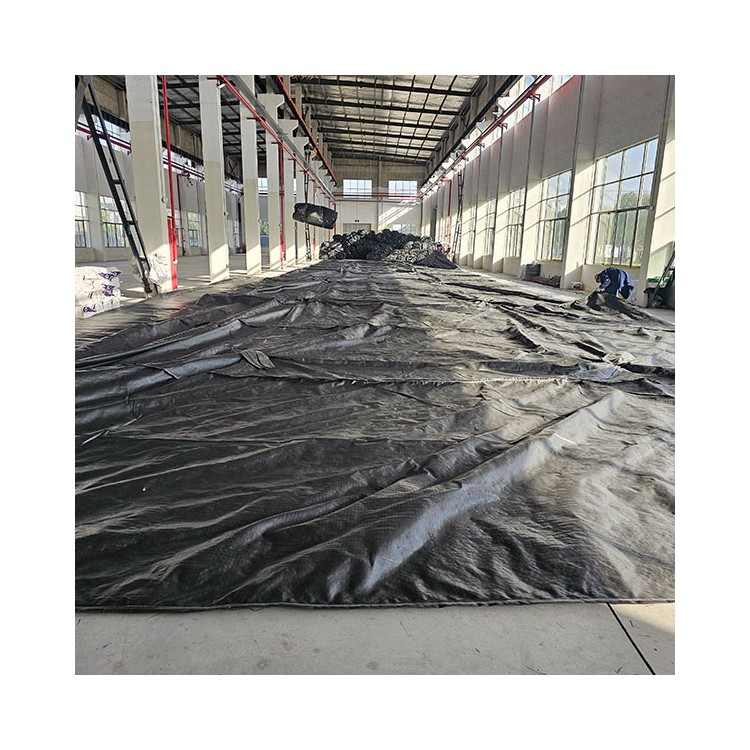
Process Description: Determine the dimensions of the bladder based on cross-sectional size and engineering requirements. Lay out the qualified materials (coiled materials) flat on the open ground in the processing workshop, measure and cut according to the processing dimensions, and simultaneously mark the positions for the filling sleeve. Carefully inspect for any quality issues such as skipped needles during cutting; dispose of as defective if found. After cutting, join the pieces together, sewing the filling sleeve at the same time. Use industrial sewing machines and high-strength polyester thread for stitching. Once the sandbags are self-inspected and deemed合格, fold them into bundles, print with serial numbers, size specifications, manufacturing dates, and usage locations. For bladder bags that need to be laid in water, the length is generally controlled at 15-20m, height of 0.5m. Set a sand-filling hole every 5m on the bladder surface, shaping the hole into a sleeve-like design and connecting it to the bladder. After processing, transport the bladder bags to the construction site, cover them with rain tarps to prevent excessive sun exposure, and ensure their protection.
Anti-aging: As most geotextiles lack anti-aging properties, and sand-filled bags are required to be exposed to the sun for extended periods, anti-aging becomes the primary concern for sand-filled bags. Currently, anti-aging sand-filled bags are made from geotextiles treated with anti-aging processes, which can provide over a year and a half of anti-aging protection in most parts of our country.
Important Notes: 1. All bags requiring long-term outdoor exposure must use anti-aging geotextile. 2. Properly set the sleeve opening and fixed ring during sewing. 3. Ensure protective measures during transportation. 4. The filling bags should be filled to no less than 80%. Once the lower layer bags achieve 70% consolidation, proceed with the upper layer filling. 5. The filling material is sandy soil, with less than 10% clay content below 0.005 mm in particle size, and more than 50% particle content above 0.075 mm.