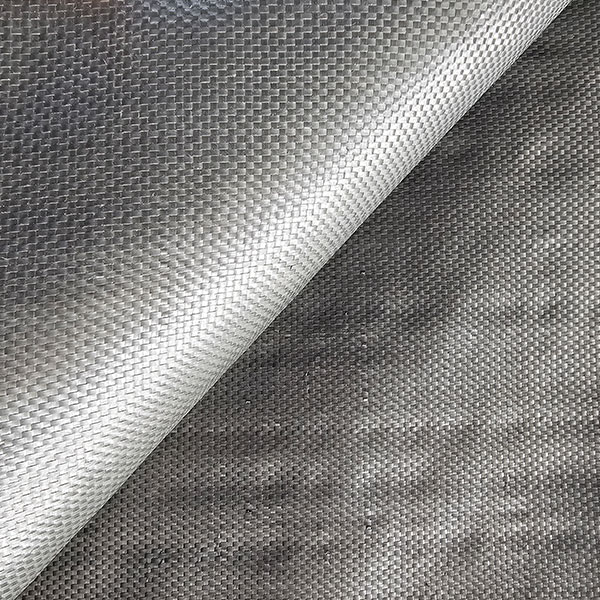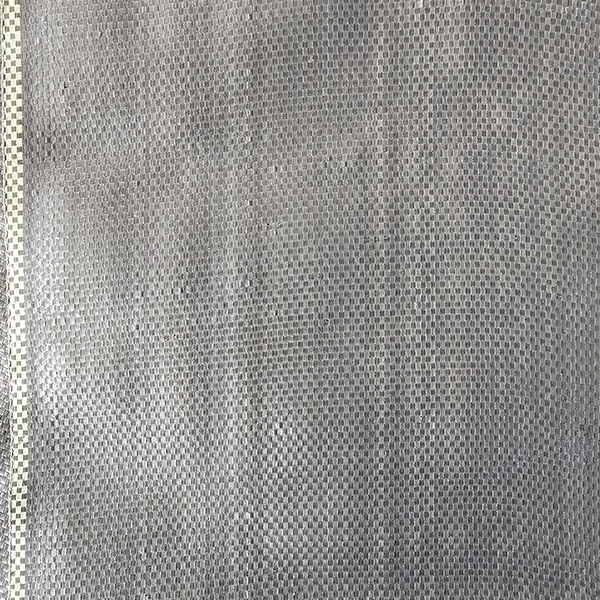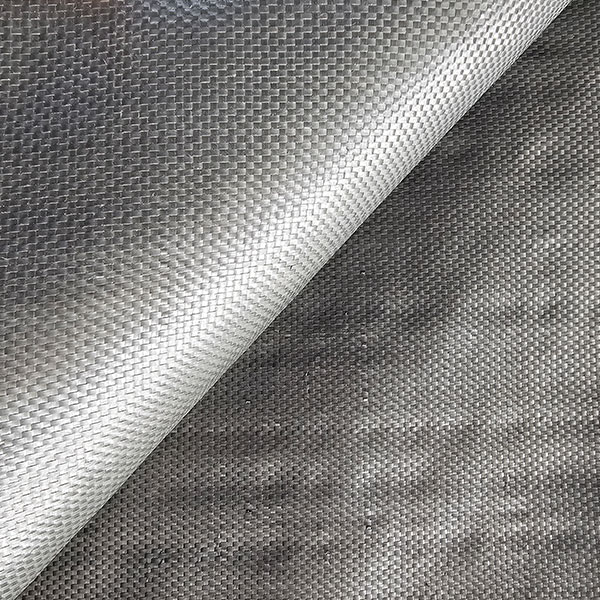

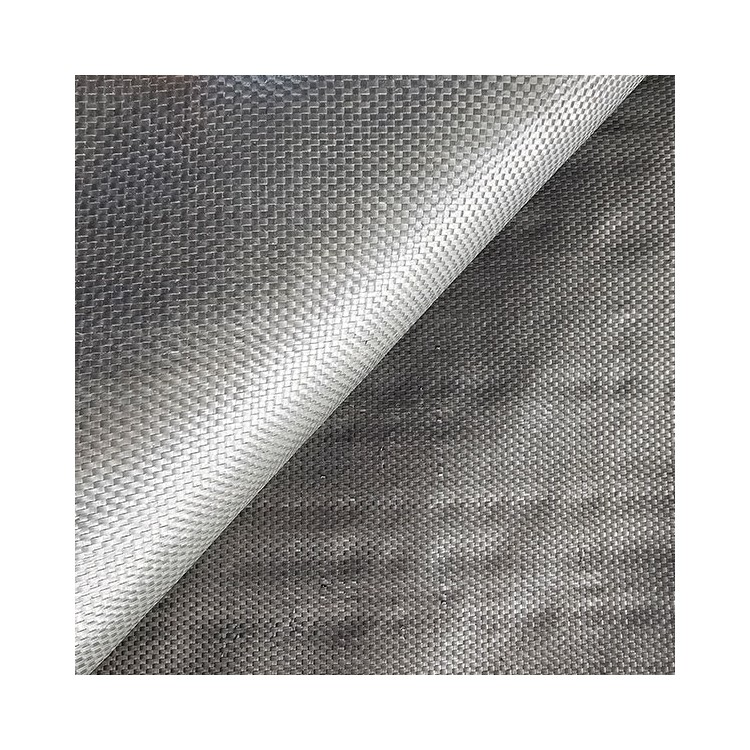


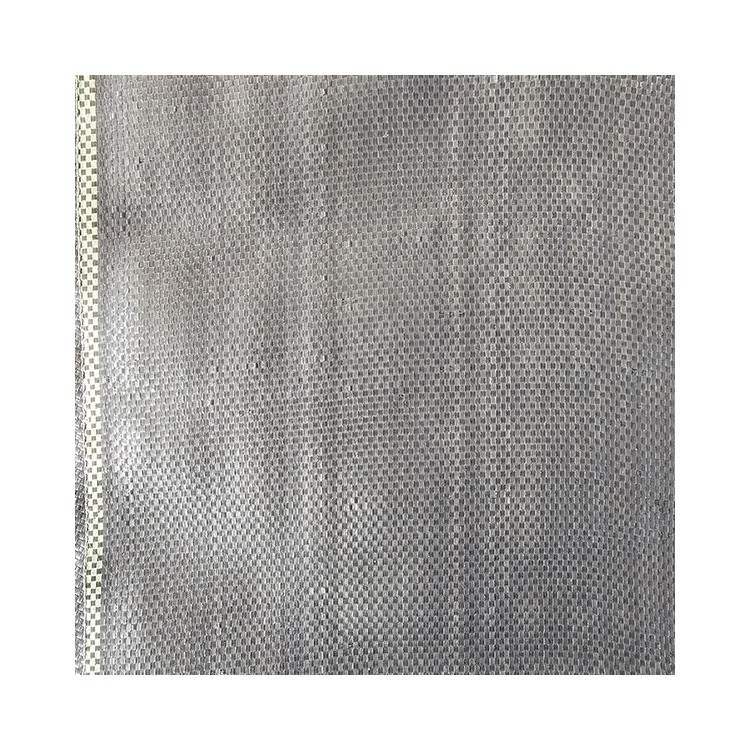
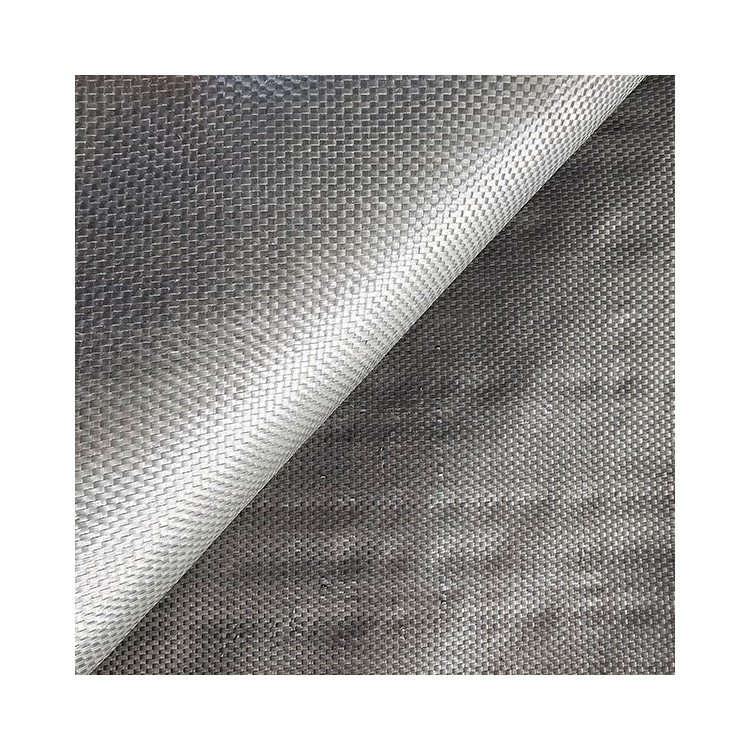











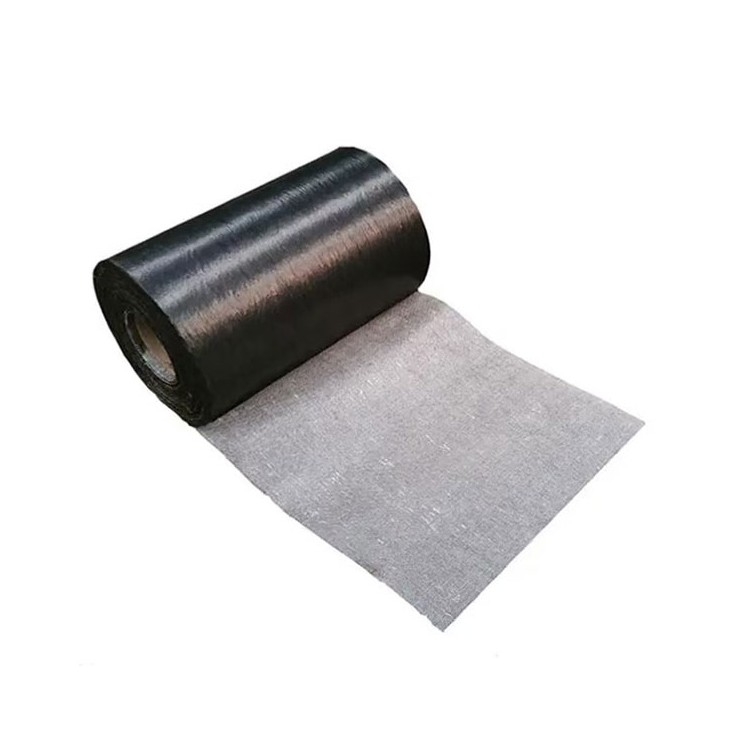
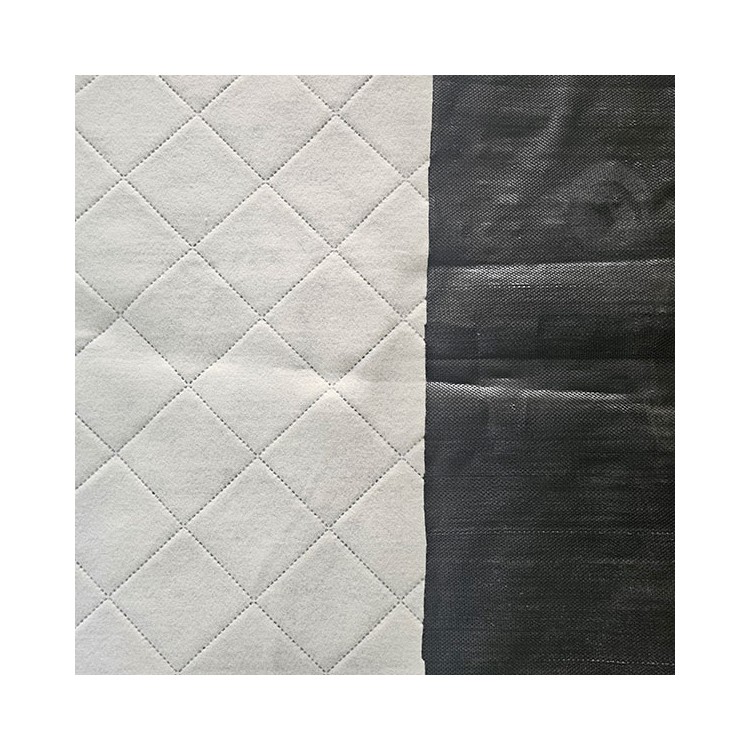
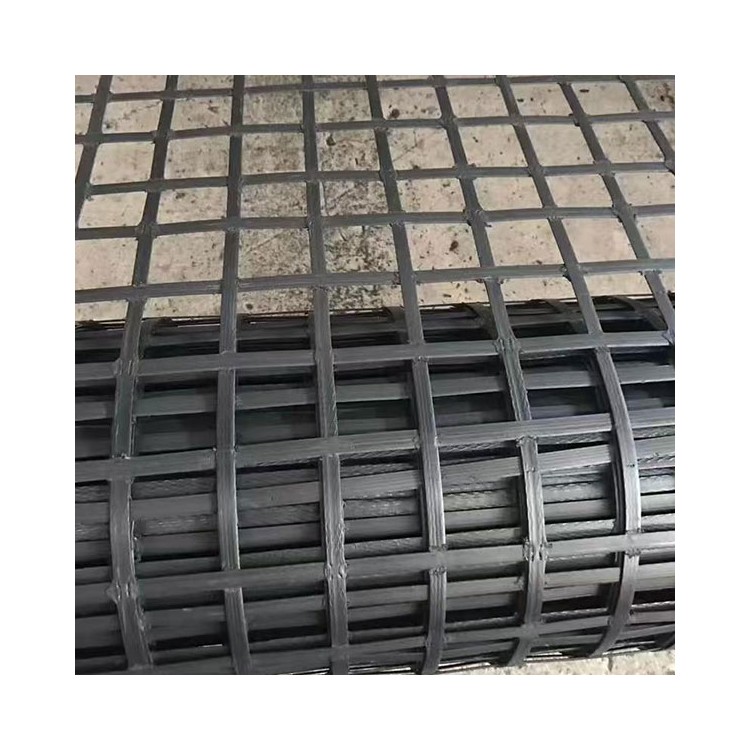
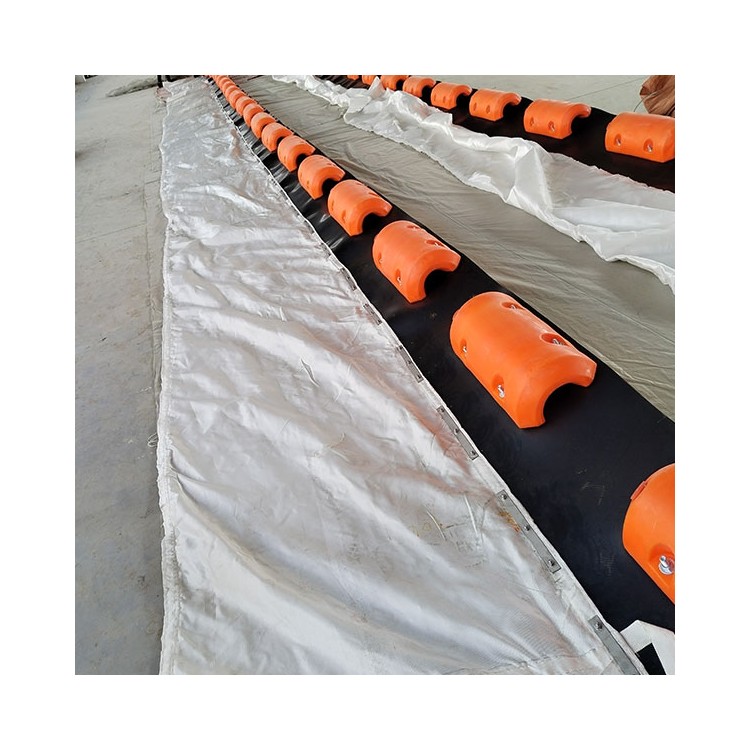
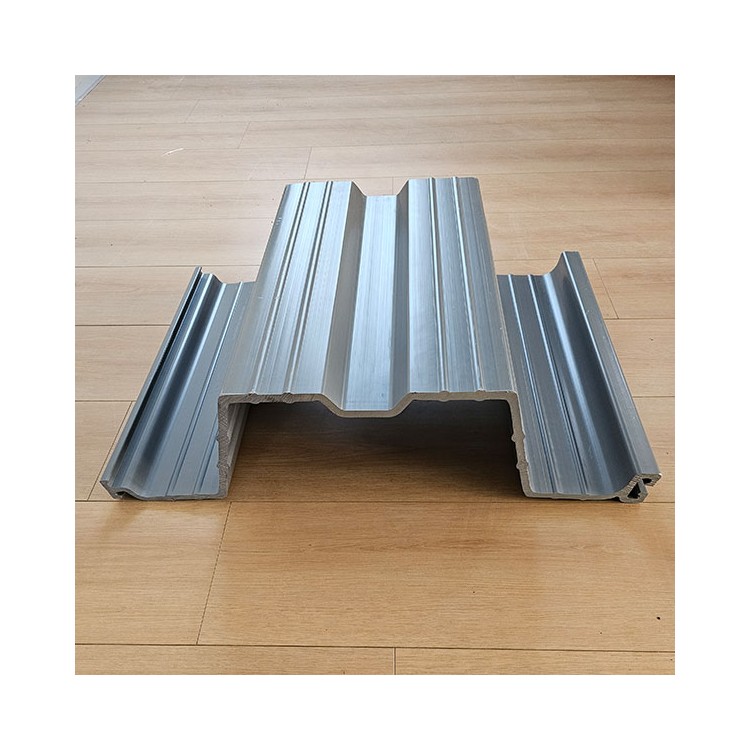
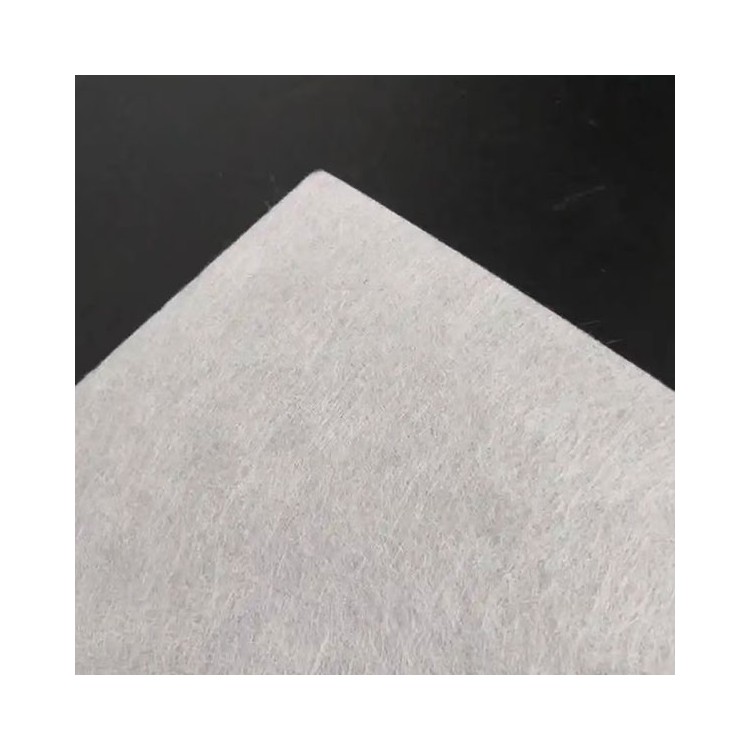
Woven geotextile, also known as spunbonded geotextile, is a product made from polypropylene and polypropylene/ethylene terephthalate staple fibers. It is commonly used for reinforcing and strengthening in civil engineering projects, primarily for reinforcement and enhancement, with functions of plane isolation and protection. Compared to non-woven geotextile, woven geotextile does not have filtering capabilities, i.e., plane drainage function.
Woven geotextiles are composed of at least two sets of parallel yarns (or filaments), one set running lengthwise along the loom, known as warp, and the other set laid horizontally, referred to as weft. They are woven into fabric by different weaving machines and techniques, allowing for varying thickness and density depending on the intended use. Generally, woven geotextiles are thin and possess significant tensile strength in both the warp and weft directions (warp strength exceeds weft), with excellent stability. They maintain full strength and elongation in both dry and wet conditions. Woven geotextiles are divided into two main categories based on weaving processes and the use of warp and weft: reinforced geotextiles and non-reinforced geotextiles. The tensile strength of the warp in reinforced geotextiles is much greater than that of ordinary geotextiles.
Product Performance:
1. Reinforcing Effect: Used in rock engineering for roads, railways, airports, stone embankments, retaining walls, backfills, and embankments, it disperses soil stress, increases soil modulus, limits soil sliding, and enhances stability.
2. Protective Function: Prevents erosion from wind, waves, tides, and rain, and is used for bank protection, slope protection, bottom protection, and to prevent soil and water loss.
3. Filter Function: Used as a filter layer for embankments, dams, rivers, coastal rock revetments, slopes, and retaining walls to prevent sand and soil particles from passing through while allowing water or air to flow freely.