







Landscape Water Treatment Methods
1. Characteristics and Issues of Landscape Water Quality
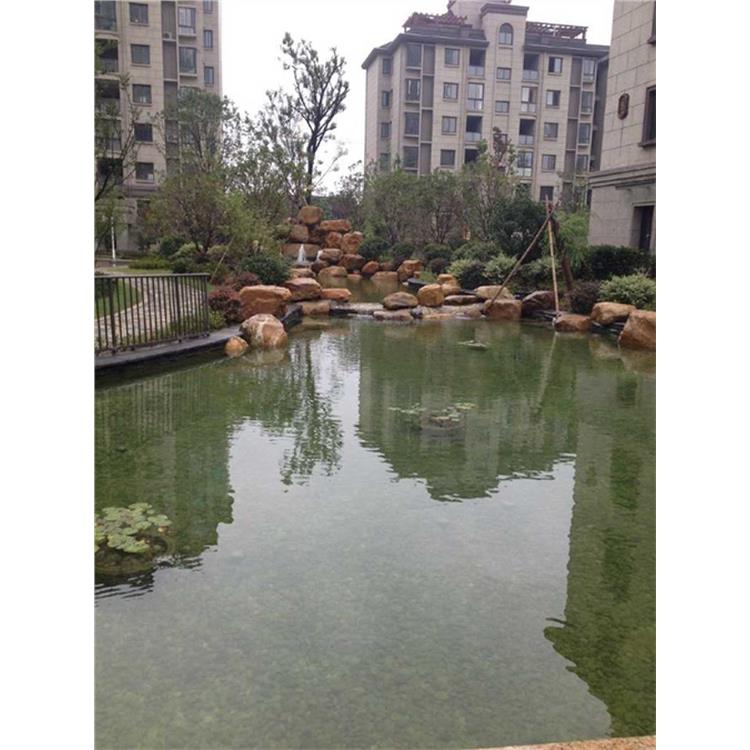
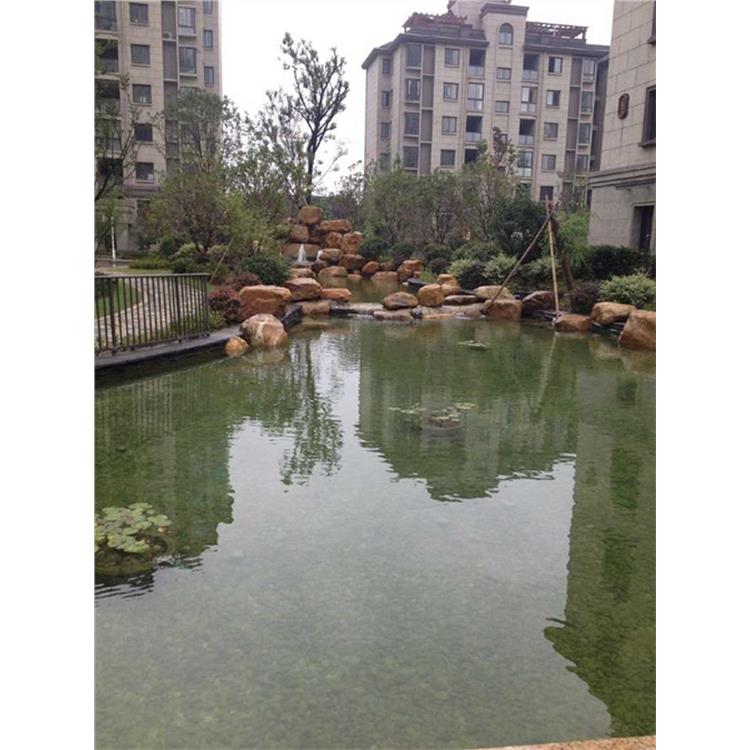
The pollution in general landscape water has many unique characteristics, significantly different from domestic wastewater, pool water, etc. For example, artificial lakes commonly found in landscape water are often completely enclosed, non-natural lakes with extremely low self-purification capabilities. Moreover, due to water source limitations, the main source of replenishment for artificial lakes is typically recycled water. However, the water quality standards for recycled water are far from those required for landscape water, mainly due to excessive nitrogen, total nitrogen, and total phosphorus, which further exacerbates water pollution.
The main pollution sources for typical enclosed, stagnant water lakes can be categorized into the following aspects:
1) Organic matter and nitrogen-phosphorus nutrients from surface runoff and soil brought by rainwater (referred to as "surface source pollution" in the industry);
2) Exogenous organic matter and nitrogen-phosphorus nutrients brought by dust;
3) Organic matter accumulated by the continuous development of the lake's own biological community.
For artificial lakes, it is anticipated that three types of pollution with different properties may occur in the water quality:
1) Eutrophication pollution caused by an excess of nitrogen and phosphorus nutrients. This is manifested by the lake turning green, with an abundance of cyanobacteria and even algal blooms;
2) Organic pollution caused by an excessive amount of organic pollutants. This is characterized by turbid water, oxygen deficiency, blackening, and an unpleasant odor;
3) Pollution caused by an excess of particulate dust and leaves, among other solid foreign matter. This results in excessive impurities in the water, low transparency, and an impact on the aesthetic.
Each type of pollution leads to the deterioration of water quality and the direct destruction of the landscape. Therefore, targeted treatment measures must be implemented for all three types of pollution to comprehensively protect the artificial lake from damage.
For landscape water treatment, the challenge lies in the large volume of water. There are numerous artificial lakes with tens of thousands of cubic meters of water, and large urban parks and landscape waterways contain at least hundreds of thousands, if not millions, of cubic meters of water. If the methods used for wastewater or pool water treatment are directly applied, the cost of treatment per cubic meter is generally over $300, totaling over $3 million for 10,000 cubic meters. This makes the cost of landscape water treatment prohibitive for users.
Therefore, for the treatment of landscape water, it is necessary to address both the technical challenges and significantly reduce the treatment costs, which is a daunting task. This is why landscape water treatment has become a global challenge.
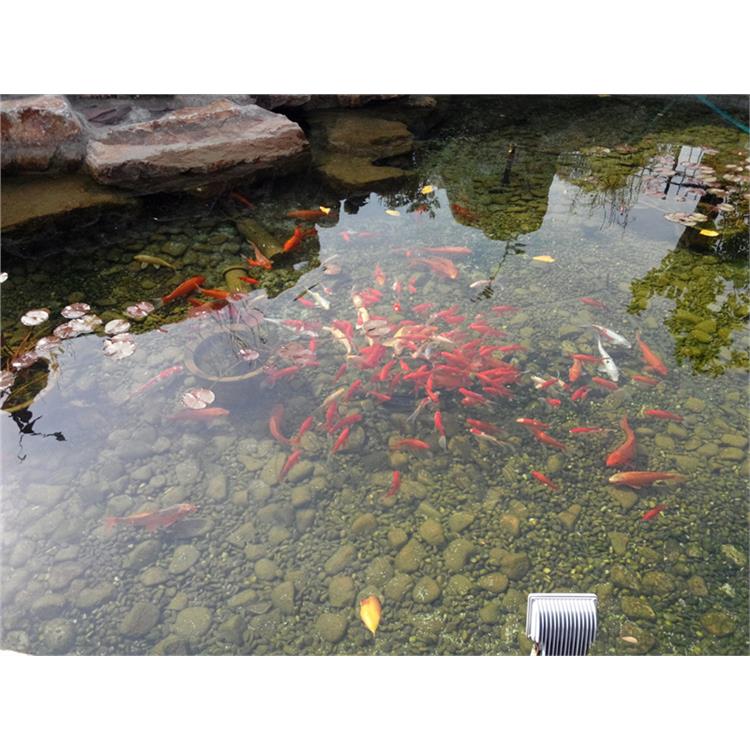
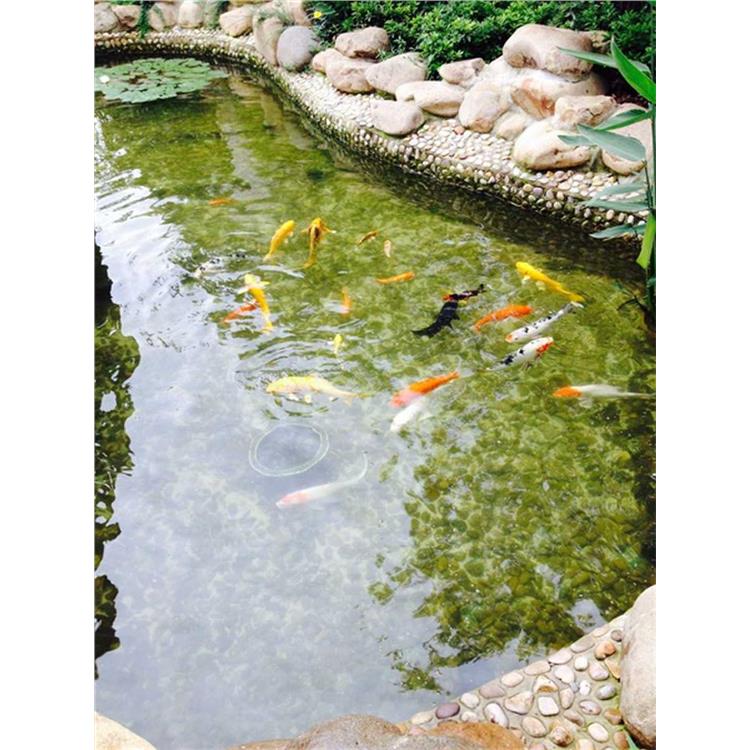
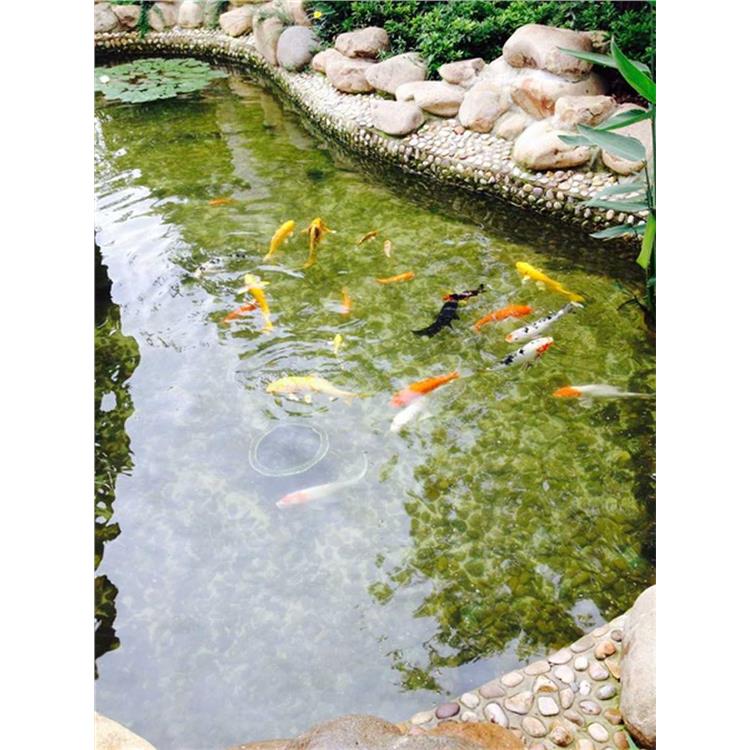
Year-round water replacement is not required, and the water is crystal clear, visible to the bottom!
How to raise fish starts with raising water
When changing water, retain some of the old water in the fish tank. The water used for the fish should be exposed to sunlight for 24 to 72 hours. The new water should be similar in temperature to the old water. Add a pinch of salt to the new water to boost the fish's disease resistance. Goldfish should not be overfed as uneaten food can spoil, causing illness in the fish and affecting water quality. Method for changing goldfish water.
Goldfish Water Change Method
"An old saying among goldfish breeders is 'first take care of the water before raising fish,' which highlights that water quality directly impacts the normal growth and development of goldfish. The purpose of changing water is to remove impurities (such as waste, fish droppings, leftover feed, and decomposed debris) to maintain water cleanliness, regulate water temperature, increase oxygen levels in the water, thereby promoting the growth and development of goldfish."
To raise goldfish well, it is essential to have a basic understanding of fishkeeping water:
Raw Water
Water that has just been released and not sun-dried, from taps or wells. Its temperature often differs significantly from that of the fish pond (tank), containing higher levels of impurities, which can be harmful to goldfish.
2. New Water
It is clean water, either from tap, well, or spring, that has been left to settle and sediment for about 2-3 days, and is at a temperature equal to or similar to the fish pond (tank) water.
3. Chen Shui
Dirt water at the bottom of a fish pond (tank) containing feces and debris, including the water that has not been changed in the tank for an extended period.
4. Vintage Water
A general term for the clean water in fish ponds (tanks) that is pale green, green, olive green, or green-brown, with pale green water being the most desirable. In older water, there is more floating green algae, which also serves as feed for goldfish. This water has less decomposed organic matter and more dissolved oxygen. Fish raised in this clean, pale green old water tend to have robust appetites, strong bodies, vibrant colors, and rapid growth.
5. Reverse osmosis water
If the old, green water in the pond suddenly turns clear, with much green algae settling at the bottom, this phenomenon is known as "turning clear." Such water is prone to causing fish diseases and requires a complete change.
(1) Routine Water Change Under normal circumstances, especially during hot summers, it is recommended to gently siphon out 1/10 to 1/5 of the fish tank's bottom waste and debris along with the old water using a flexible hose. Then, remove surface dust and floating feces. Subsequently, slowly pour in equal-temperature fresh water along the tank walls to maintain water cleanliness. This method of water change is gentle on the fish, simple, and safe, making it suitable for home aquariums or small pond fishkeepers.
(II) Partial Water Replacement - This method is primarily conducted in two situations. One is during the hot summer and early autumn, when the water in the fish pond (tank) has been changed only a few days prior and the water turns green quickly (due to insufficient feed), yet remains relatively clean. To prevent the goldfish from getting sunburned tails, all the goldfish in the pond (tank) can be removed. Then, rotate the water in the pond (tank) in a spiral pattern. After a moment of stillness, use a rubber tube to suck out 1/3 to 1/2 of the central sludge and old water. Next, pour in an equal amount of new water at the same temperature, and then return the goldfish to the original pond (tank) for breeding.
In another scenario, if the pool (tank) water has only been changed within the past few days and the water color is still good, but excessive feeding that day has caused fish to float to the surface, emergency measures must be taken. The method for changing the water is the same as previously mentioned.
If it's a large pond at a fish farm, there's no need to remove the goldfish. Instead, use a collapsible net to encircle the fish on one side, then gently swirl the water in the pond with a scoop net for several seconds. Wait for the water to settle for a moment, then open the drain valve to slowly release the water or use a siphon to remove excess fish waste, feces, and old water from the center of the pond (tank). Alternatively, after scooping out the excess waste with a fish net, drain 1/4 to 1/2 of the old water, and then refill with an equal amount and temperature of fresh water. This method is commonly used as an emergency measure in fish farms or homes when too much feed has been provided.
(3) Water Change - This method of water change is often combined with pool (tank) turnover, and is carried out while selecting fry or mature fish. It is typically used when water quality is severely degraded or algae overgrowth is excessive, and when fish density is too high. There are two specific methods:
1. In the absence of an available pool, we can only transfer all the goldfish into basins or place the net cages in the water of an adjacent pool for temporary housing. Then, add an aeration head to the basins or cages to increase oxygenation. Next, scrub off the algae from the original pool walls, rinse it clean, and refill with equal temperature fresh water. Let it sit for a moment until the water temperatures match, then transfer the fish back into the original pool or tank.
2. When there is available water and new water, simply transfer all the goldfish into basins or net boxes, sort and prepare them accordingly. Place the fish in separate pools as needed, and once the water temperatures are equal, transfer them to the new water for breeding. Pay close attention to water temperature and ideally perform this process before 9 AM on a sunny morning. However, this method is generally suitable only for adult fish or larger juveniles; it is not recommended for fry. If possible, before changing the water, fill a backup pool or tank with standing water and then transfer the fish directly into the backup pool or tank. This minimizes temperature changes, making it easier for the fish to adapt to the new environment and avoiding the stress of overcrowding in basins or net boxes. This water change method should be done approximately every two weeks during spring and autumn. In summer, during extreme heat and when water temperatures exceed 28°C, with water color becoming darker and water quality easily deteriorating, water should be changed every 5-7 days. In winter, when water temperatures drop to around 4°C, goldfish become less active and their appetite decreases, making water quality less prone to deterioration. Under normal circumstances, a full water change is not necessary unless there are special circumstances.
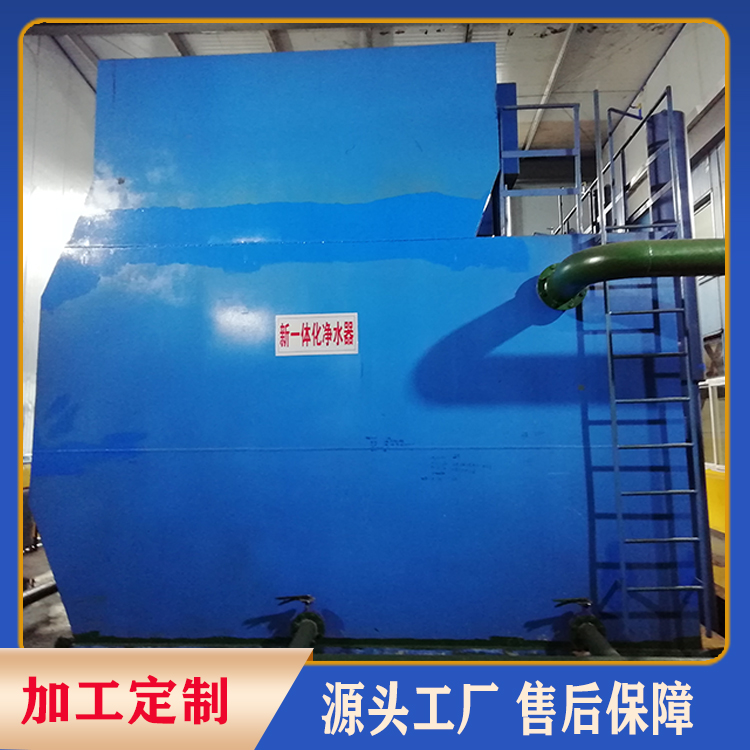
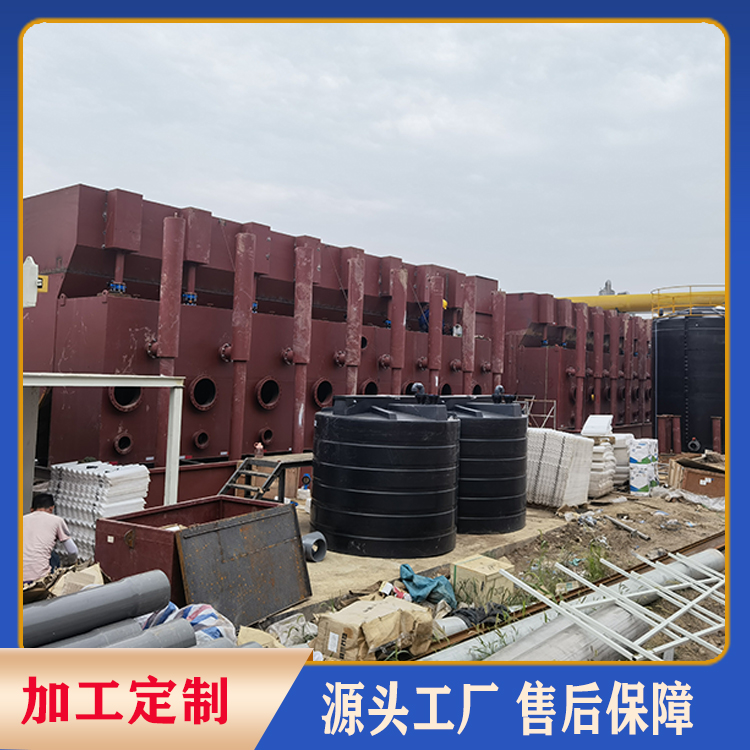
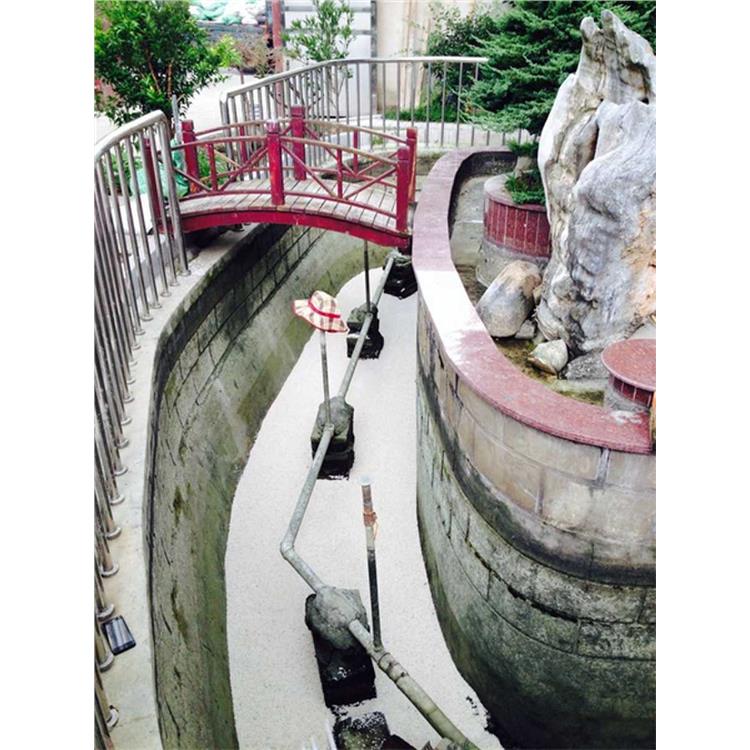
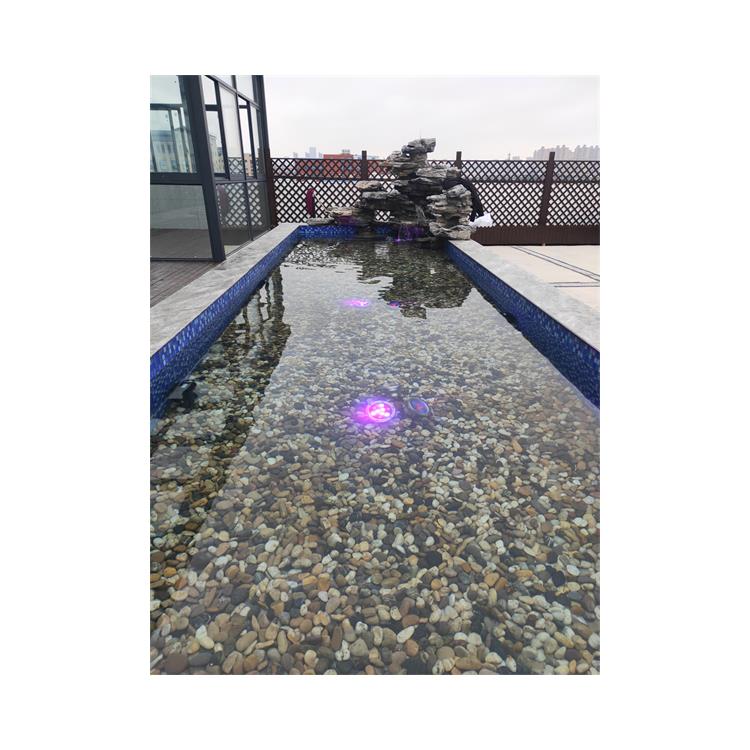
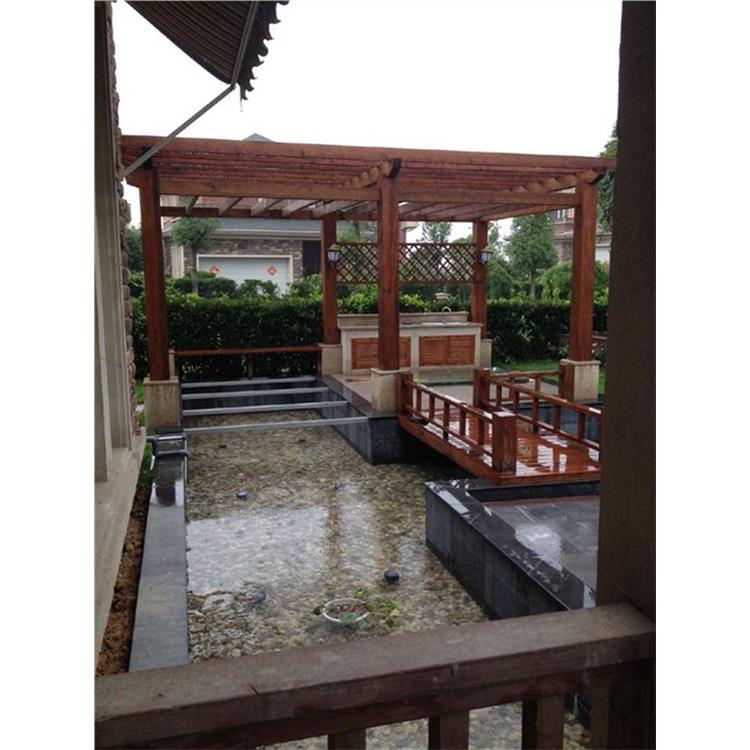
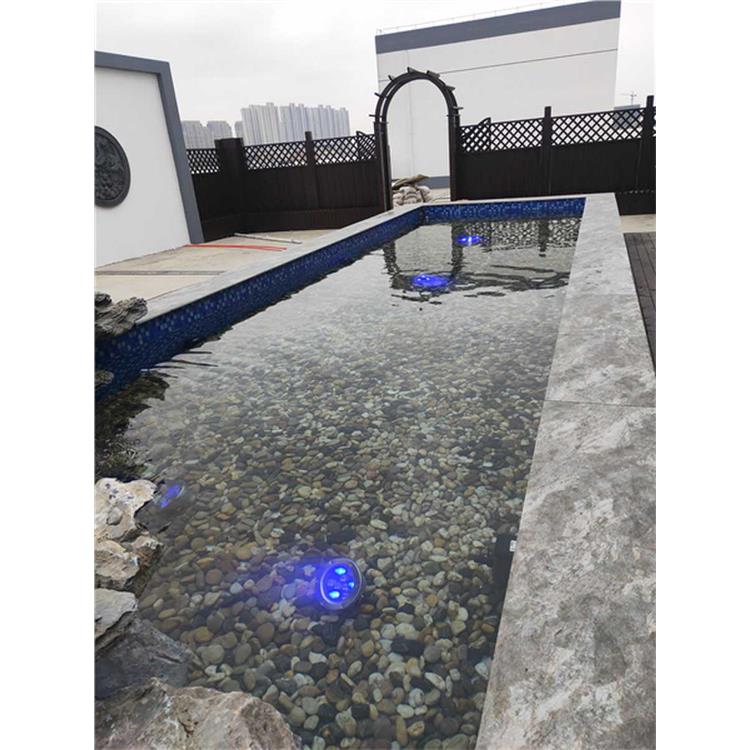
Changzhou Hongbo Environmental Protection Engineering Co., Ltd. has adopted the bio-purification system technology for most of its fish pond projects since successfully developing the fish pond bio-purification system, discarding the traditional mechanical and sponge filtration methods used for many years.
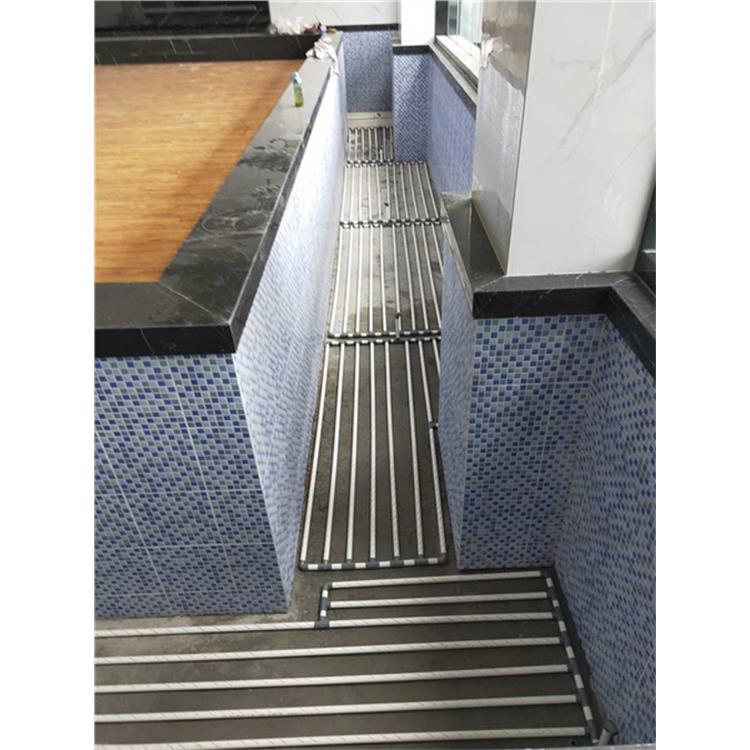
B filters only at the bottom, offering a more aesthetic look and significantly saving space, simulating a natural ecological environment.
No special care required; maintains clear water for extended periods without needing to change it, allowing you to see all the fish's activities in the pool.
Our company's original liquid effectively inhibits the growth of algae, decomposes, oxidizes waste, leftover feed, and nutrients, and has a positive effect on fish health.
E Requires only small pumps, long lifespan, easy to replace; low operating costs; short construction period;
The combination of physics and biology, featuring four functions of oxygenation, circulation, filtration, and purification.
WeChat Official Account

Scan to follow Official Account