







How to raise fish starts with nurturing the water
When changing water, leave some of the old water in the fish tank. The water used for the fish should be exposed to sunlight for 24 to 72 hours. The new water should be similar in temperature to the old water. Add some salt to the new water to enhance the fish's disease resistance. Do not overfeed goldfish, as uneaten food can spoil and cause illness in the fish, as well as degrade water quality. Method for changing goldfish water.
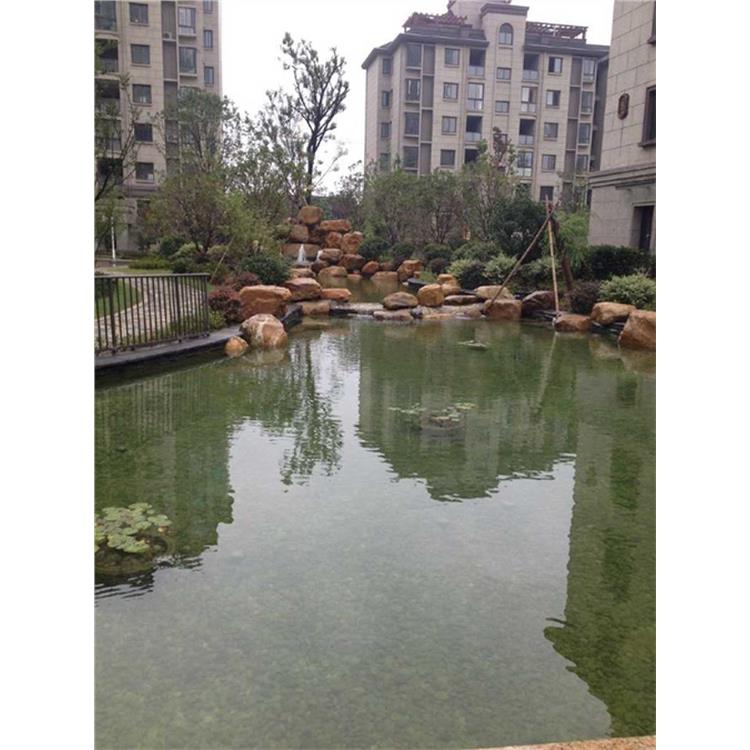
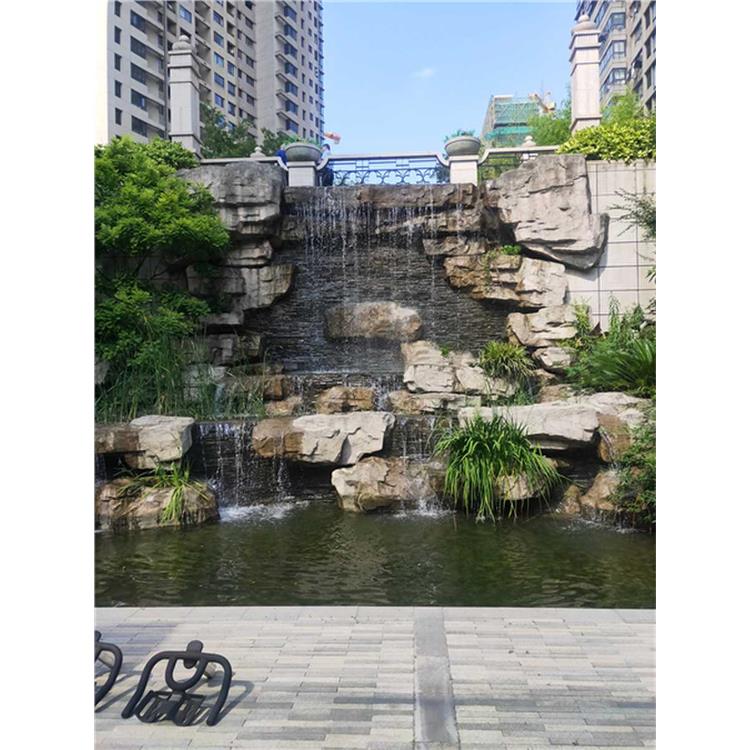
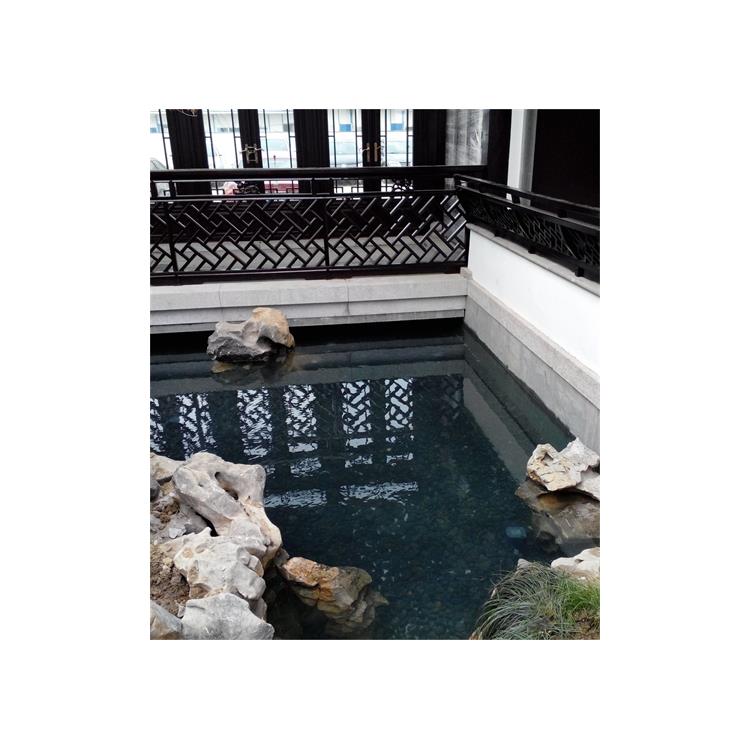
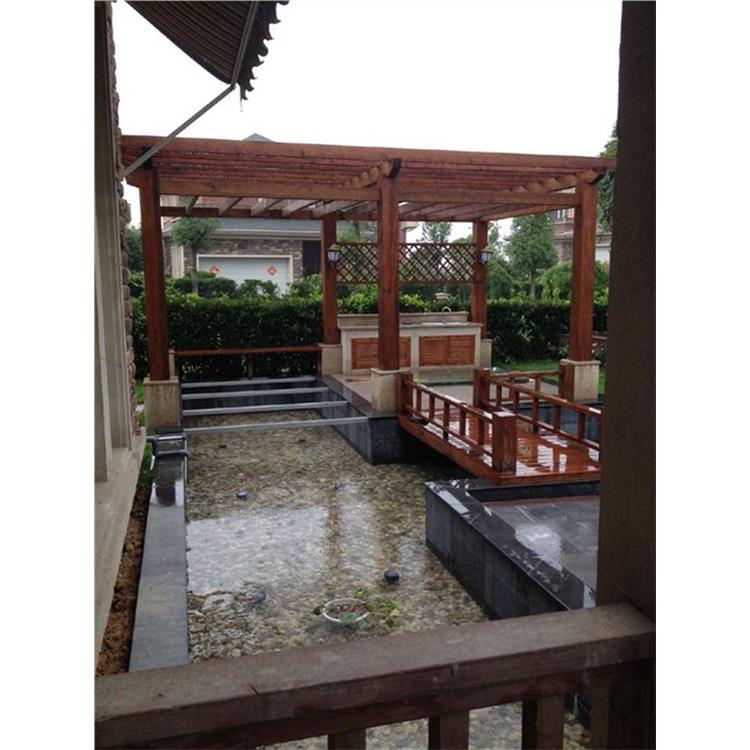
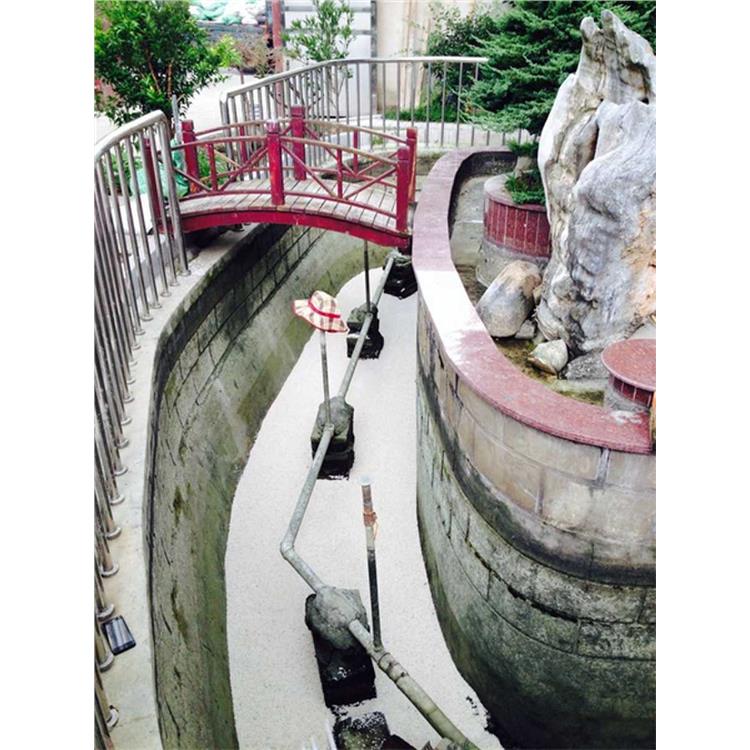
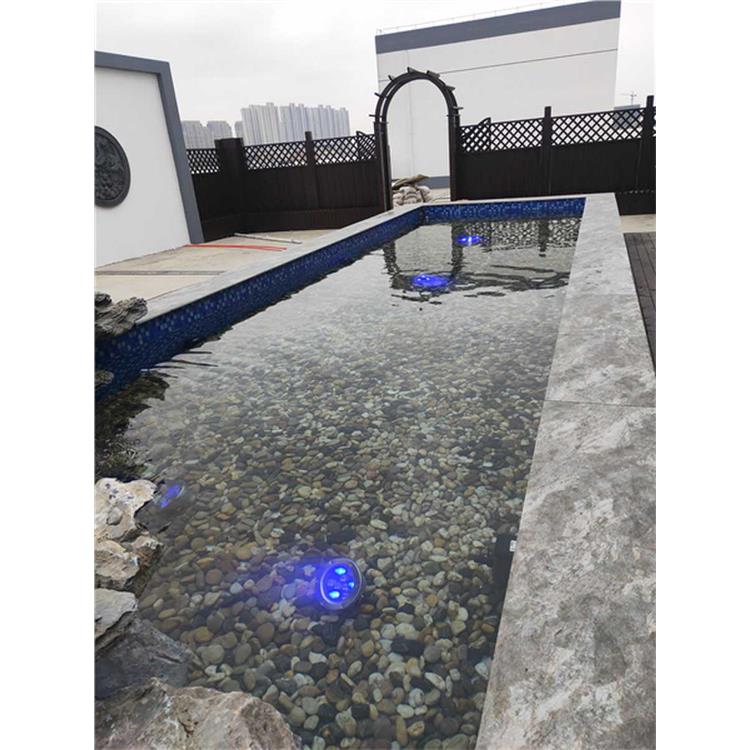
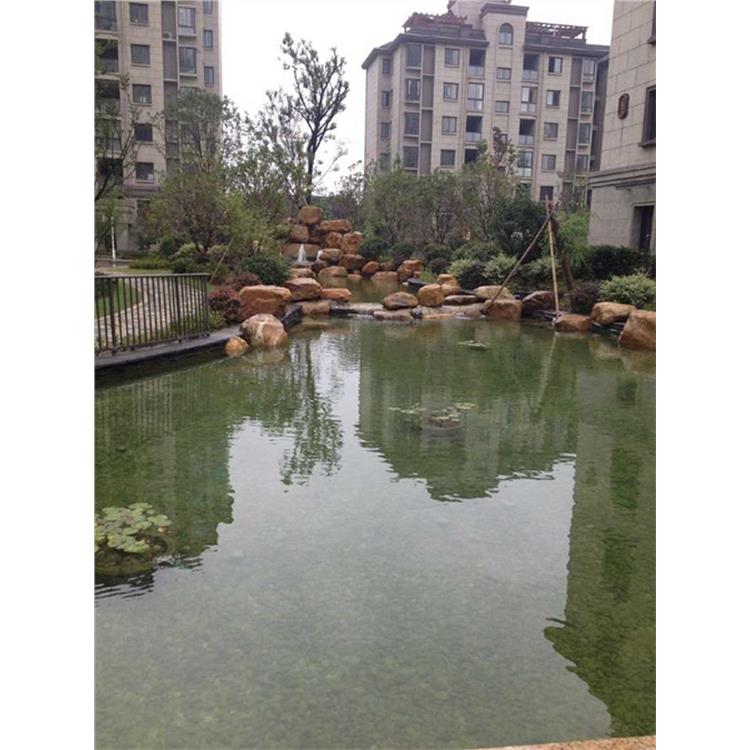
Landscape pond biological purification process
Before construction, prepare a power supply for Pond 1, and 4 to 5 power supplies for Ponds 4 and 5 for separate management.
Drain, clean, and refresh the water in the landscape fish pond;
3. Lay a recirculation pipe at the bottom of the landscape fish pond to maintain water flow beneath the surface, ensuring the entire pond water circulates and forms oxygen-rich, lively water.
4. Our bio-sand is soaked and cultivated for half a month, then laid at the bottom of the landscape fish pond, forming a bio-filter bed.
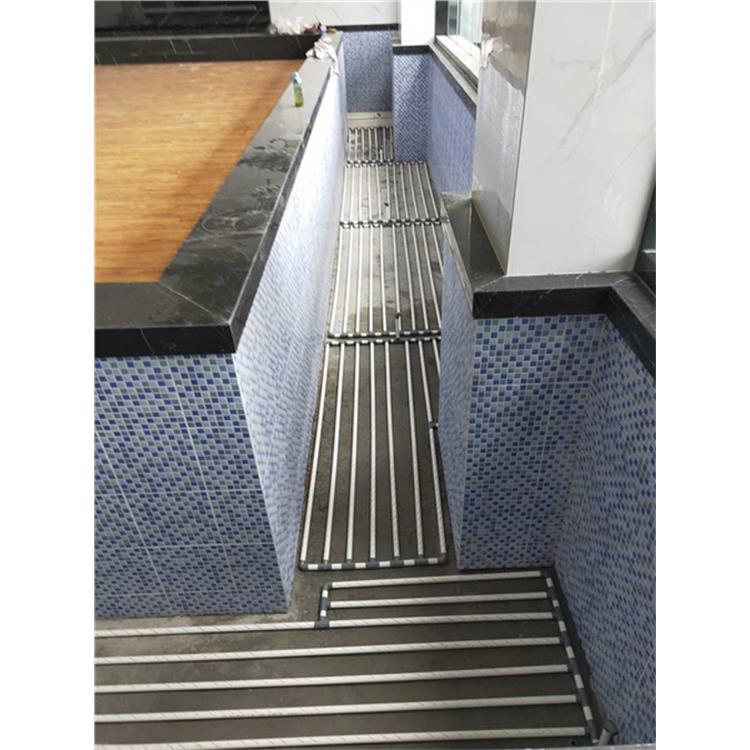
5. Laying barrier mesh
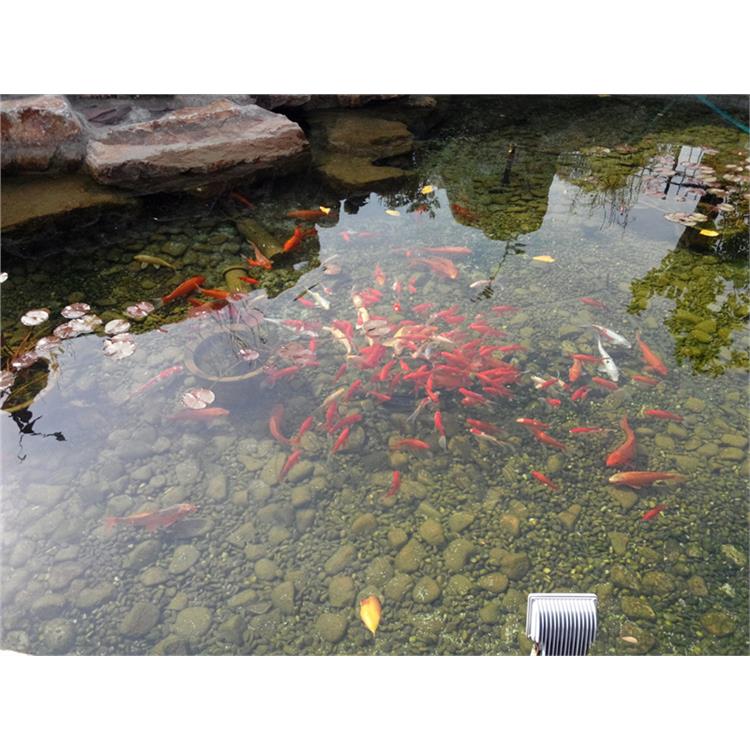
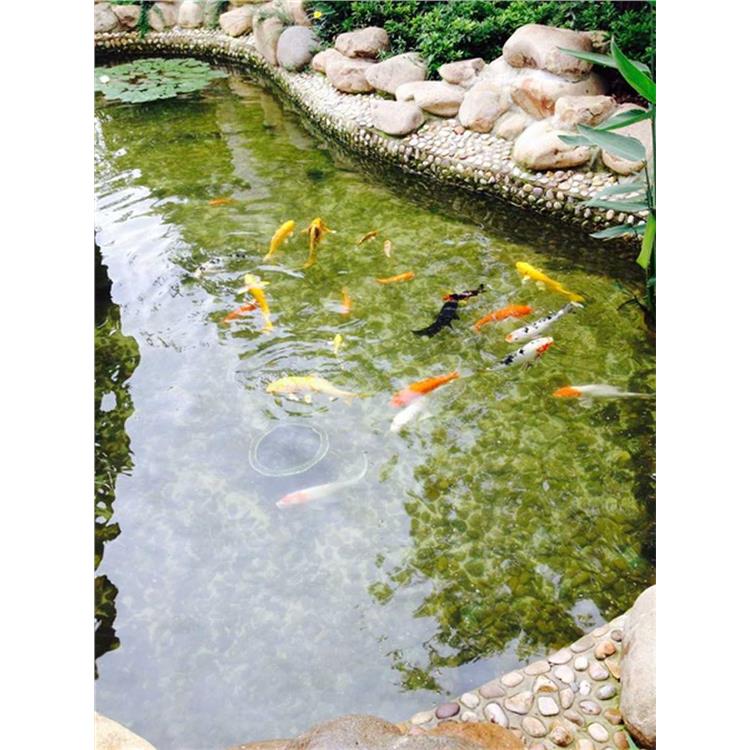
6. Spread river sand or cobblestones on the surface to create an alternative biofilter bed, offering koi a natural ecological environment. Notably, some koi have the habit of "grinding their bellies."
7. Connect the water pump, adjust the water flow direction, create a circulating water system, and connect the pump's electrical wires.
8. Connect power supply.
9. Install biological filtration equipment (in operation)
10. Apply our company's developed ecological liquid (Original Ecological Liquid, Ecological Base Preparation, Ecological Purification Liquid)
11. Observe stability before placing the fish in the pond, completed.
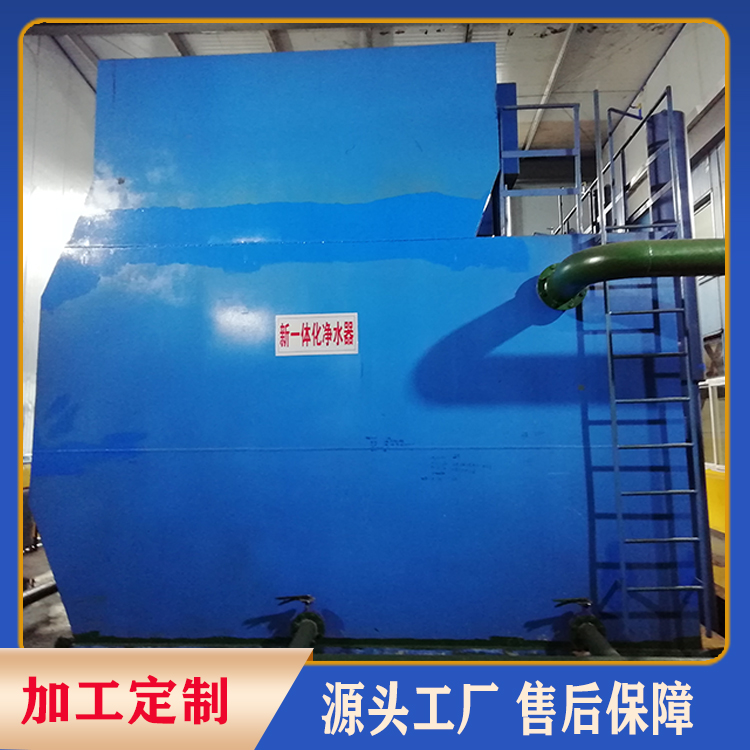
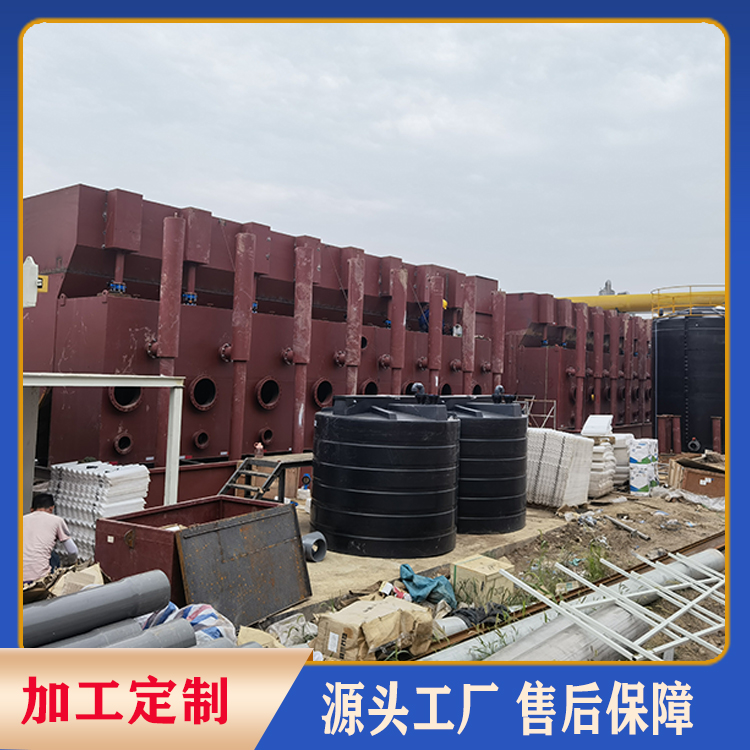
Changzhou Hongbo Environmental Protection Engineering Co., Ltd. has been adopting the biological purification system technology for most of the fish pond projects since successfully developing the fish pond biological purification system. It has abandoned the traditional mechanical and sponge filtration methods used for many years. Through continuous construction and practice, it has accumulated rich experience and possesses the following advantages:
A reputable company with accumulated practical experience in mature eco-technology.
Filtered only at the bottom, offering a more aesthetic look and significantly saving space, simulating a natural ecological environment.
No special care required; maintains clear water for extended periods without changing it, allowing for a clear view of all fish activities in the pool.
Our company's proprietary native liquid effectively suppresses algae growth, decomposes, oxidizes excreta, leftover feed, and nutrients, and has a positive effect on the fish's health.
E Only requires small water pump, long lifespan, easy to replace; low operating costs; short construction period.
The combination of physics and biology, with quadruple functions of oxygenation, circulation, filtration, and purification.
Goldfish Feed Selection and Feeding Techniques
Goldfish are omnivorous species with low requirements for feed. Besides artificial feed, some other foods like red worms, earthworms, small shrimps, egg yolks, noodles, rice grains, bread, etc., can also be used as feed. Just ensure not to contaminate the water quality. It's preferable to feed with animal-based feed, and feeding should be scientific, adhering to one protection and three determinations.
(1) Quality Assurance: The feed provided is guaranteed fresh and nutritionally balanced. Spoiled feed cannot be used. The feed can be disinfected, thoroughly rinsed with clean water, and then fed.
(2) Feeding Schedule: Feed the goldfish once or twice daily at a fixed time each day. Do not change the feeding time. Generally, during spring, feeding can be done when it's warm at noon, and in summer, it's best to feed in the cooler morning and evening hours.
(3) Quantitative Feeding: Goldfish are gluttonous, so feeding them to 80% fullness each time is sufficient. When keeping fish outdoors, reduce or avoid feeding during cloudy days.
(4) Feeding Position: Select a fixed location for each feeding session, with the specific choice depending on the environment.
WeChat Official Account

Scan to follow Official Account