







Aesthetic Fish Pond Biological Filtration Purification Technical Requirements
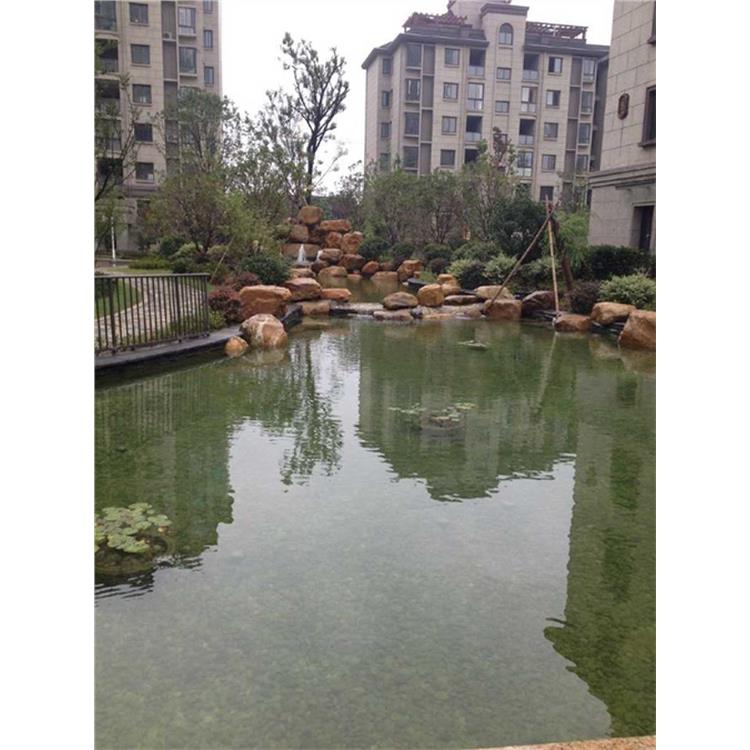
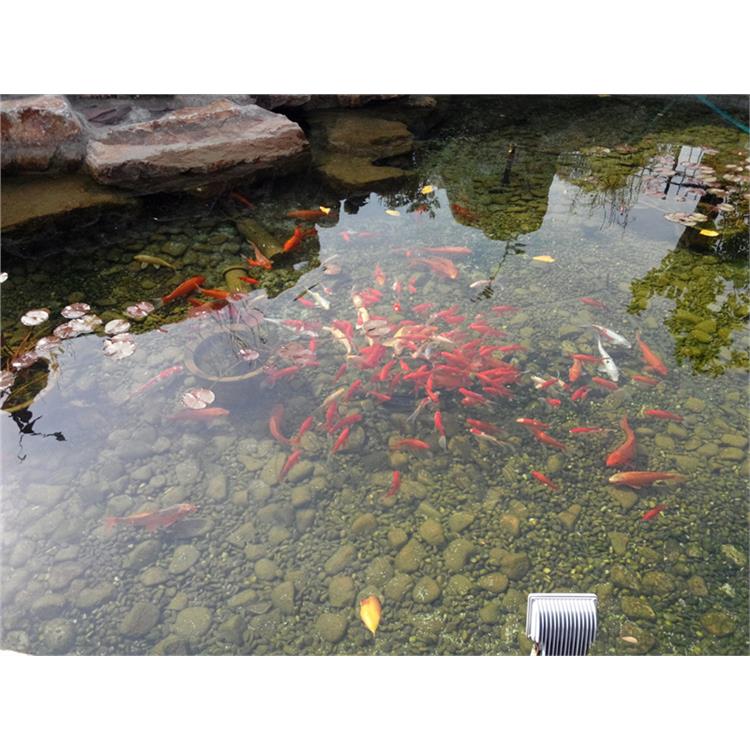
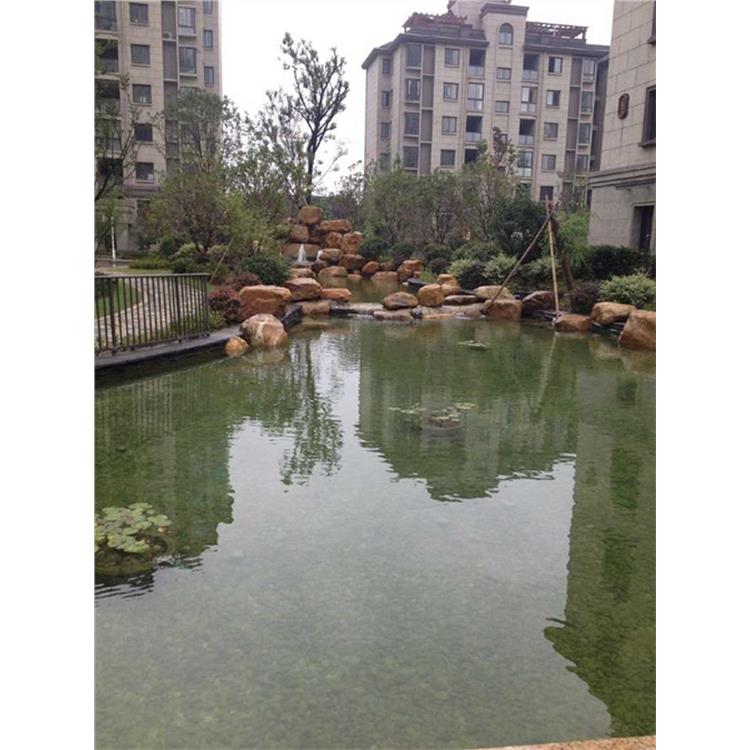
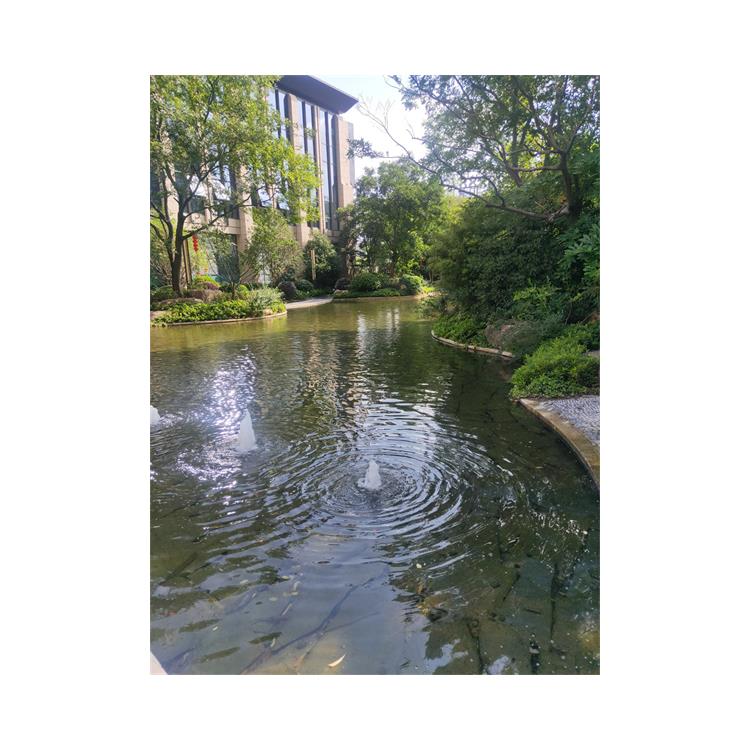
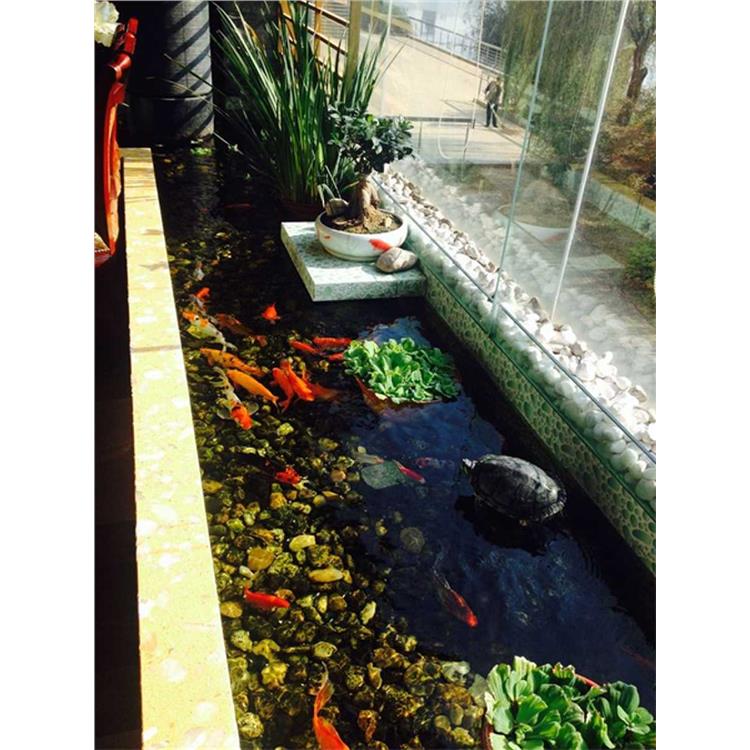
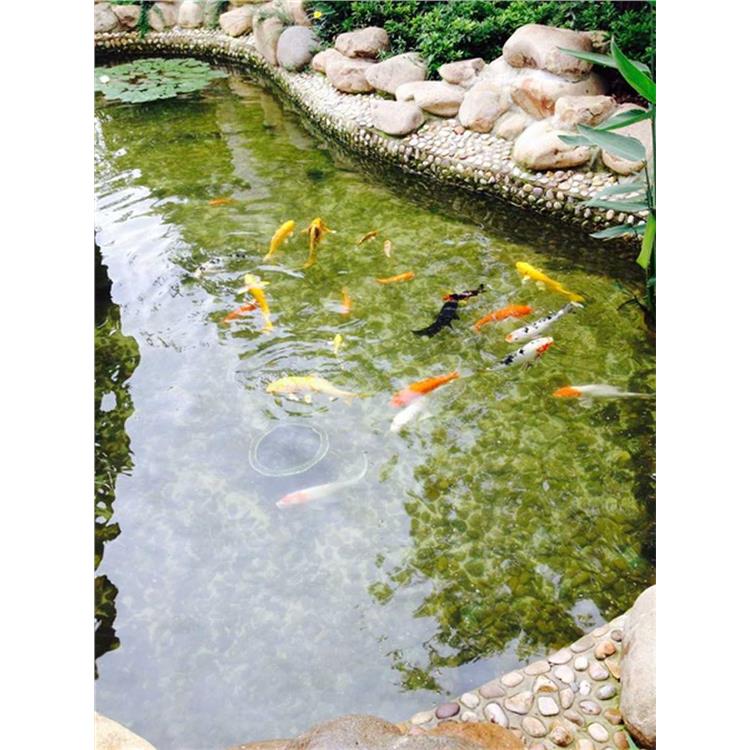
Crystalline clear, allowing you to see every little fish swimming at the bottom of the pool, lively and vibrant.
Chemical-free, Koi health assured, flexible operations.
Completely mimics a natural ecological environment, forming a favorable "living water" ecological natural habitat with abundant oxygen.
No green algae present; water is clear and bright.
No odor, no noise.
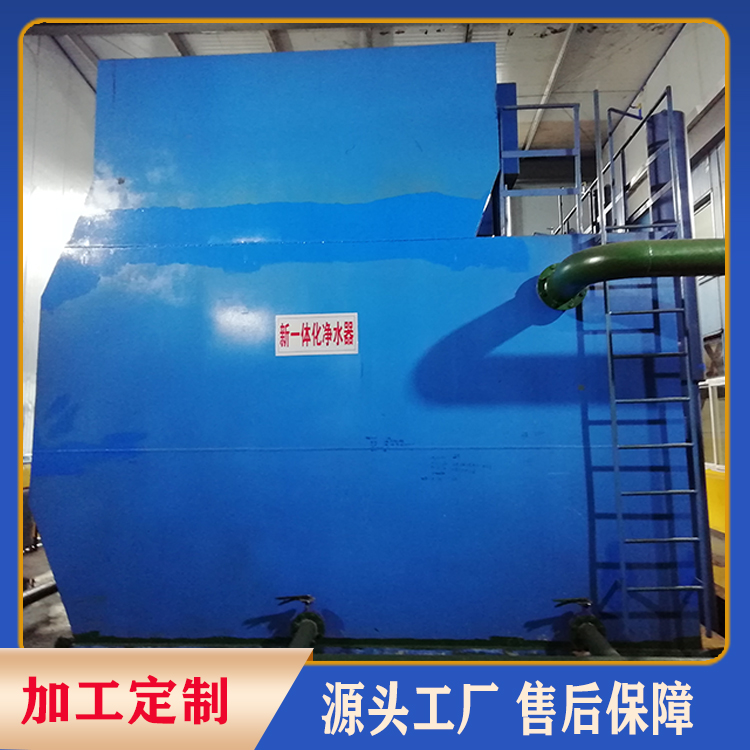
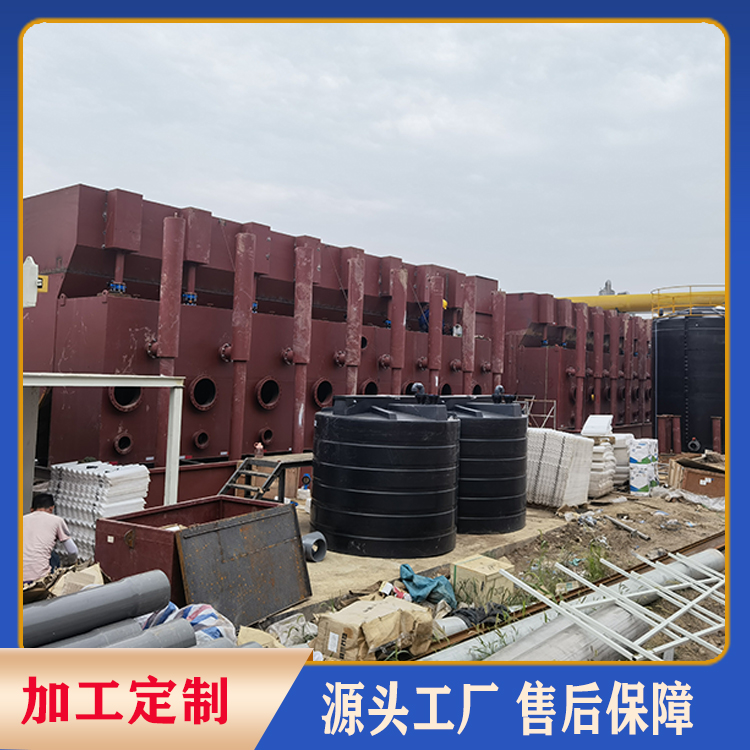
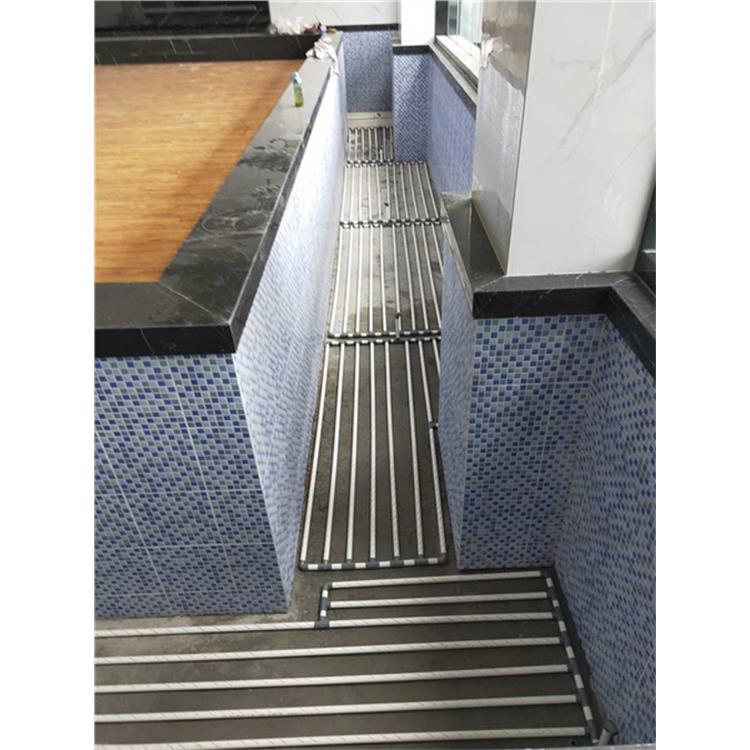
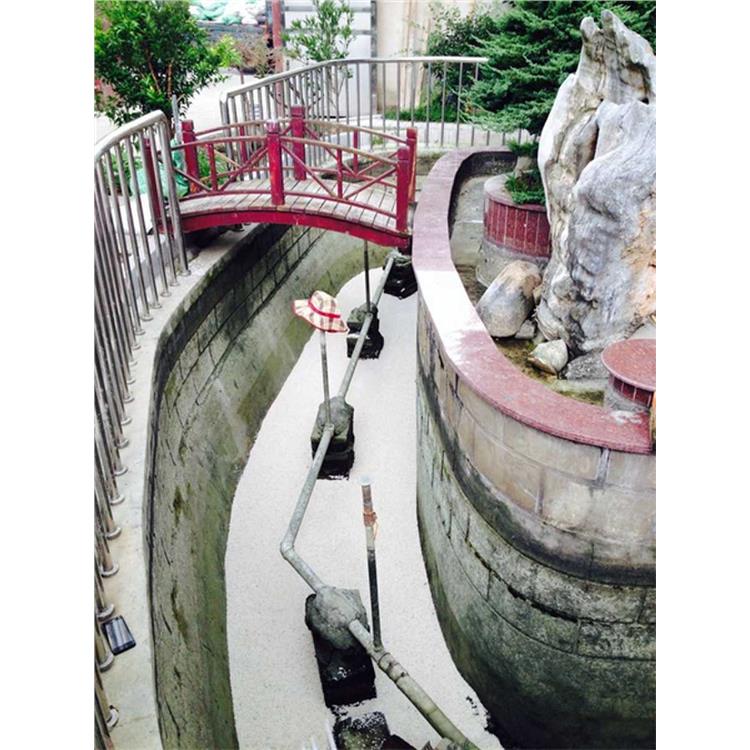
With our company's biological filtration equipment, filtration is enhanced, and water replacement is needed every few years.
Hazardous material content ≤ 0.01%, water temperature difference with the outside world not exceeding 3 degrees.
pH maintained between 7~8, moderate hardness, dissolved oxygen in water ≥7.5mg/l (up to saturation), containing an appropriate amount of beneficial microorganisms.
Turbidity ≤ 5 NTU, Color ≤ 15, Dissolved Oxygen ≥ 7.5 mg/L, Salinity ≤ 5 ppm, Salinity ≤ 1 ppm.
Landscape pond koi cultivation faces a significant issue: the high excretion rate of koi leads to a large accumulation of fish waste and leftover feed, causing an increase in decomposing bacteria and deterioration of water quality. This results in the formation of carbonates, making the pond water murky and green, smelling foul, affecting its appearance, and posing a threat to the fish's health. Moreover, it leads to an excessive growth of green algae, consuming the limited oxygen in the pond, making it easier for koi to suffer from oxygen deficiency.
Frequent water changes can lead to frequent alterations in temperature, pH, and dissolved oxygen, affecting the reproduction and nitrification of beneficial bacteria; significant changes in water quality and temperature can impact fish growth and harm their health.
For these reasons, it is imperative to install a filtration and purification system before raising fish in a landscape pond. This will bring the entire pond water to life, preventing the issues mentioned above and achieving crystal-clear water visibility. The surface will shimmer with ripples, the water will flow gently, the fish will leap at the bottom, and the breeze along the shore will make it even more pleasing to the eye.
Goldfish Feeding: Choosing Bait and Feeding Techniques
Goldfish are omnivorous species with low feed requirements. Besides artificial feed, a variety of foods such as red worms, earthworms, small shrimps, egg yolks, noodles, rice grains, and bread can be used as feed. Just be cautious not to contaminate the water quality. Prefer animal-based feed, and feed scientifically to ensure one protection and three determinations.
(1) Quality Assurance: The feed provided is guaranteed fresh and nutritionally balanced. Spoiled feed should not be fed. The feed can be disinfected, rinsed clean with fresh water, and then fed.
(2) Feeding Schedule: Feed the goldfish once or twice daily at a fixed time each day. Do not change the feeding time. Generally, in spring, feeding can be done during the warmer midday, and in summer, during the cooler early morning or evening hours.
(3) Feeding Quantities: Goldfish are greedy eaters, so feed them to about 80% fullness each time. When keeping fish outdoors, reduce or avoid feeding on cloudy days.
(4) Positioning: Select a fixed location for each feeding, with the specific choice depending on the environment.
Changzhou Hongbo Environmental Protection Engineering Co., Ltd.
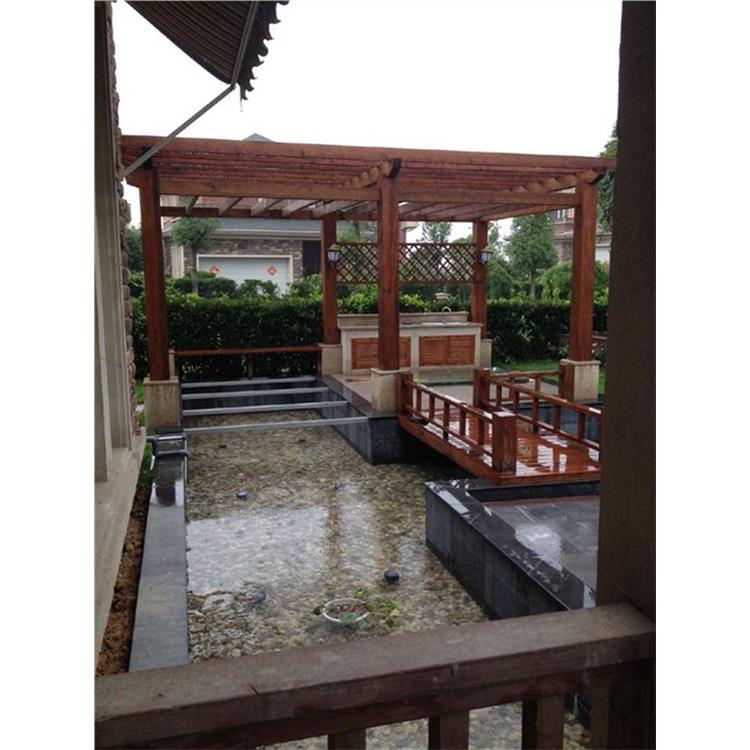
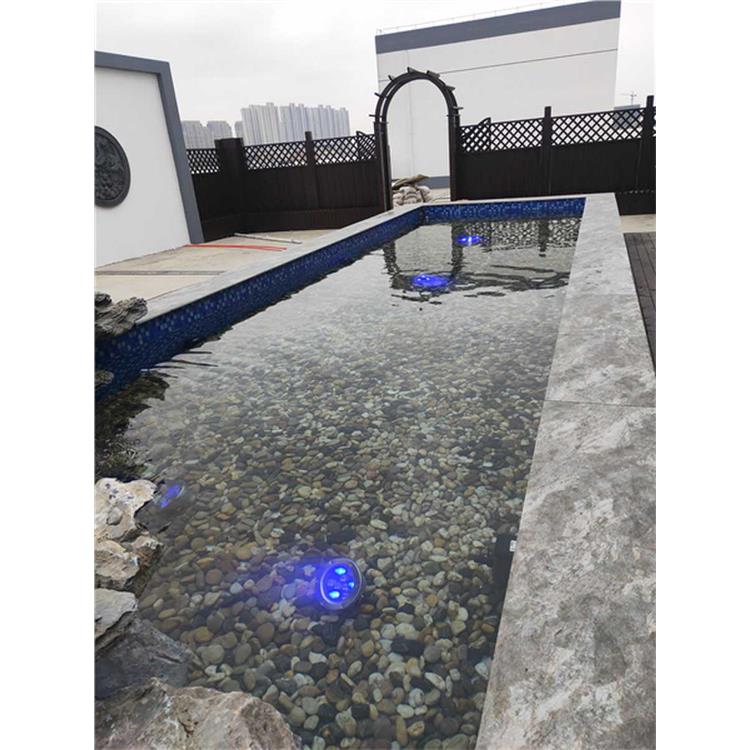
Ensure crystal clear water visibility to the bottom, with the ability to see objects with a 3CM diameter at the pool floor; and the water quality is a pure ecological environment mimicking nature, suitable for the growth of koi and other ornamental fish.
If the甲方's pond does not reach the agreed clarity as stipulated in the contract within the warranty period, 乙方 shall attempt to resolve the issue within 48 hours of receiving a call.
Party B agrees to, within the warranty period, send technicians to the site for cleaning guidance free of charge upon Party A's request for time, and simultaneously train relevant property management personnel on maintenance knowledge and methods.
Ensure fish pond operates normally, water quality clear, and suitable for fish farming; maintenance no more than once per year.
WeChat Official Account

Scan to follow Official Account