



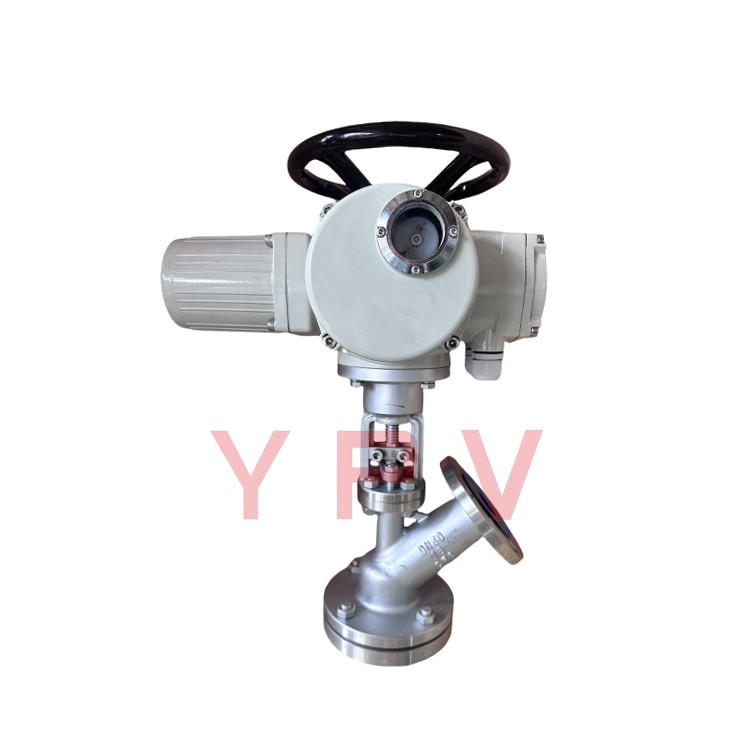












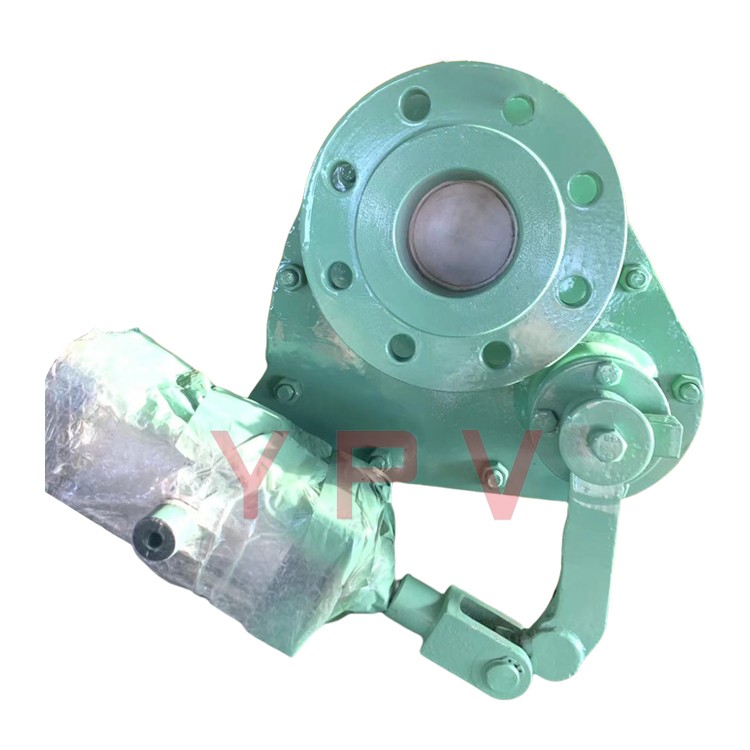
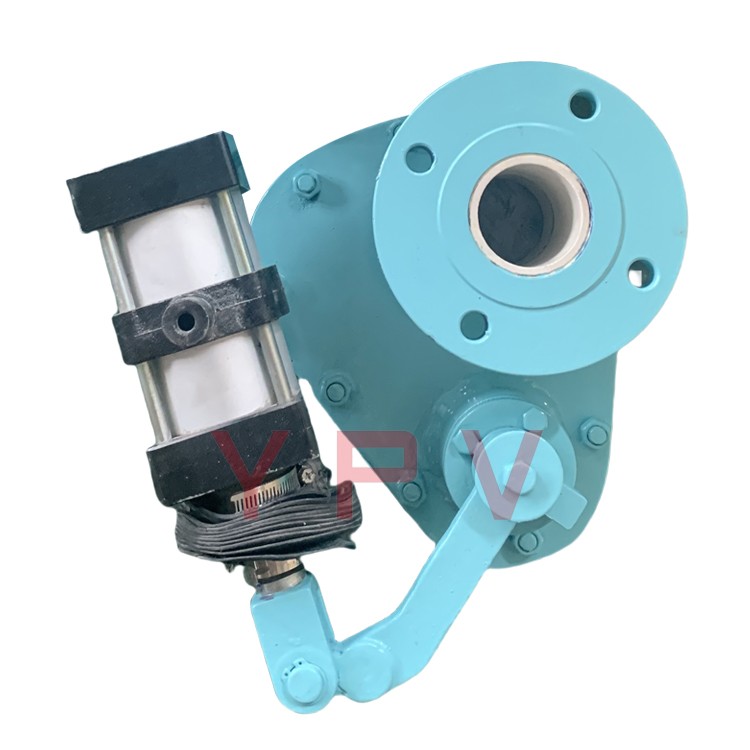
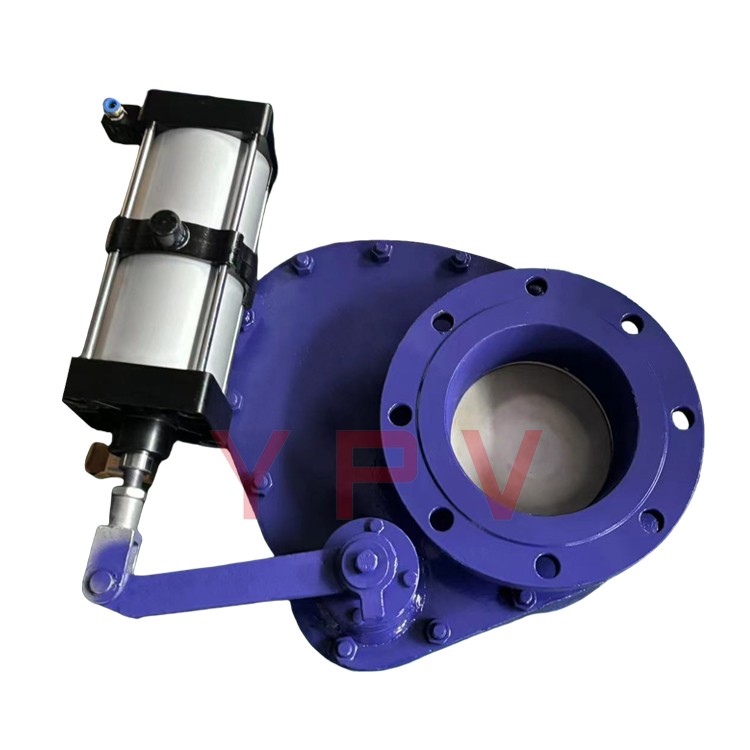


An electric discharge valve is a valve that uses an electric motor to rotate the valve stem, thereby achieving the functions of opening and closing. It is mainly used for discharging materials from the bottom of reaction vessels or containers, featuring high control accuracy and simple operation.
Structural Features
The electric discharge valve is mainly composed of the valve body, valve disc, valve stem, locating screw, seal ring, air travel mechanism or electrical installation mechanism, etc. Its structural features include:
Flat-bottomed discharge opening: Designed as flat-bottomed for easy material discharge and cleaning.
Y-shaped valve body: Smooth flow path, high flow rate, low pressure drop loss, conducive to improving system efficiency.
Abrasion and corrosion-resistant sealing rings: Protect the valve body from erosion and corrosion by the medium while ensuring the reliability of the seal.
Short-travel valve design: Allows for quicker and more flexible opening and closing of the valve.
Working Principle
The working principle of the electric discharge valve is to use an electric motor to drive the valve rod to rotate, pushing the valve disc up or down to achieve the purpose of opening and closing. Specifically, when it is necessary to discharge material, the electric motor drives the valve rod to rise or fall, moving the valve disc to change the fluid flow path, thereby discharging the material.
Application Scenario
Electromagnetic discharge valves are widely used in industries such as chemicals, petrochemicals, metallurgy, dyeing, and food processing. They are particularly suitable for discharging materials from the bottom of reaction vessels or other containers, effectively eliminating residue of process media at the container outlet. Additionally, electromagnetic discharge valves are also suitable for conveying fine and soft particle media, featuring wear and corrosion resistance.

















