









Product Description:
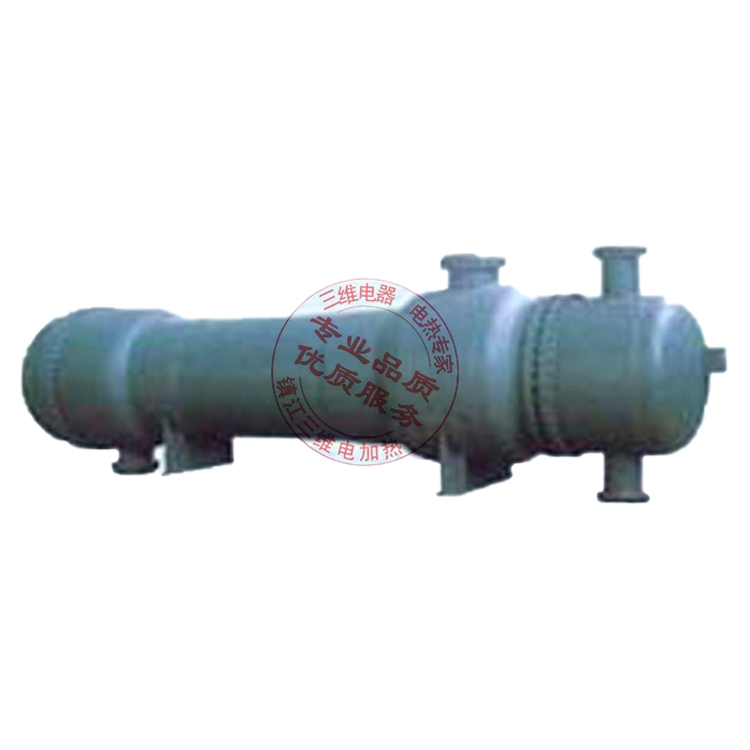
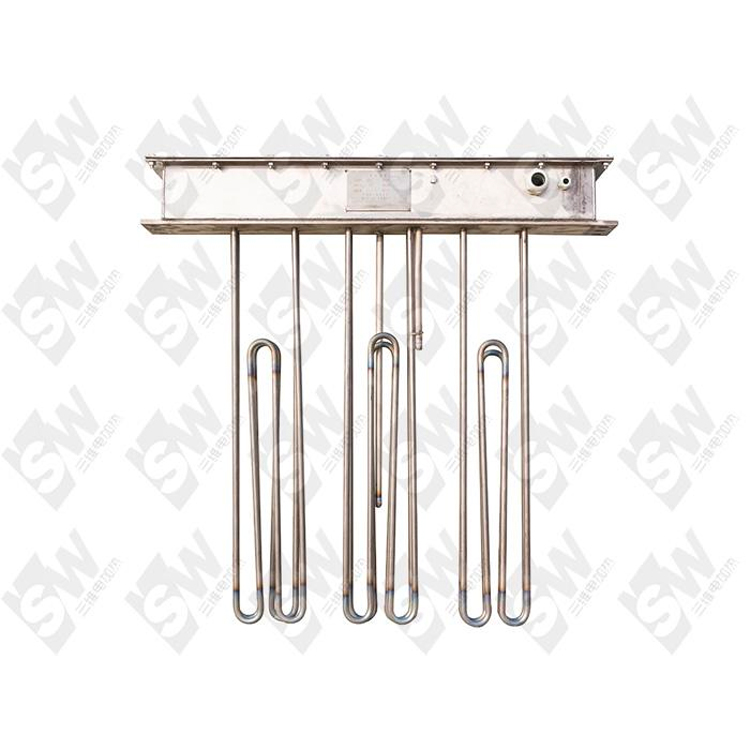
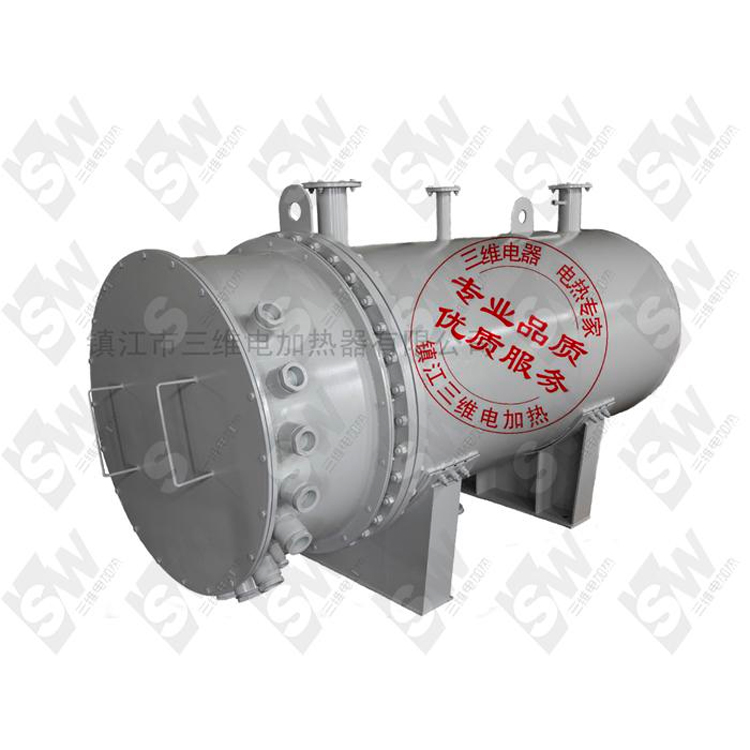
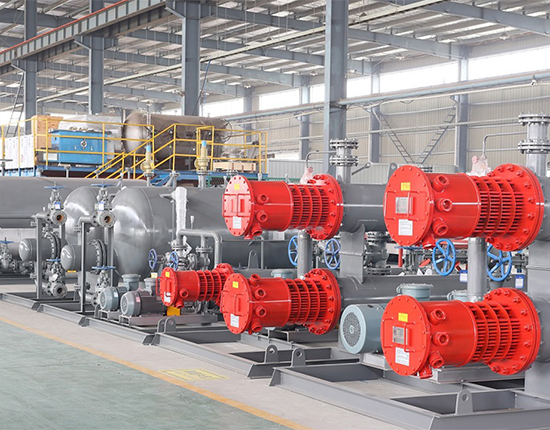
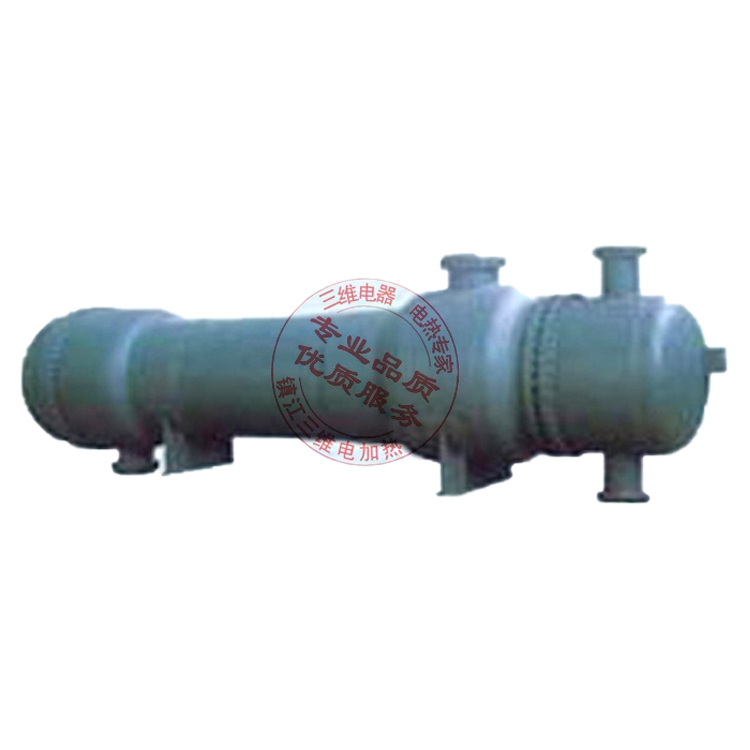
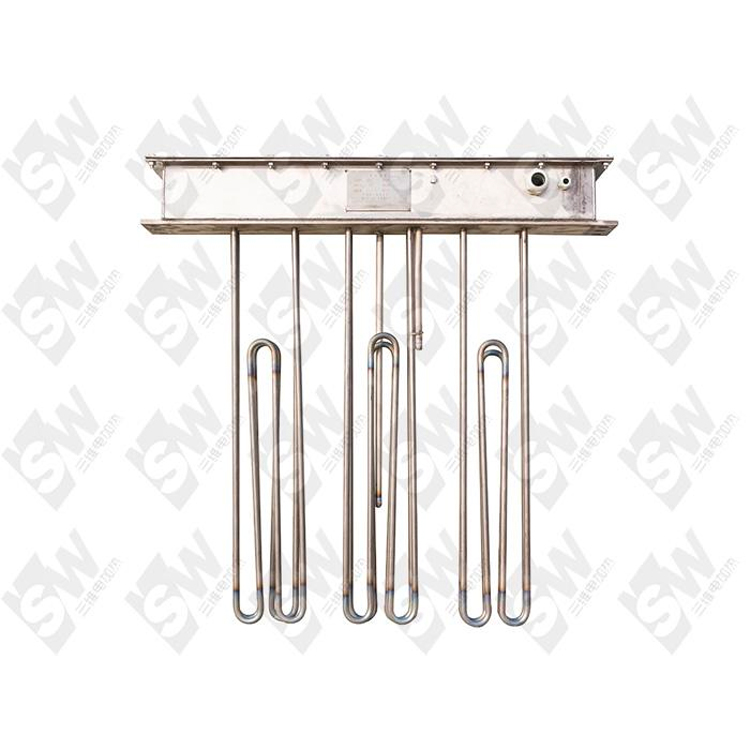
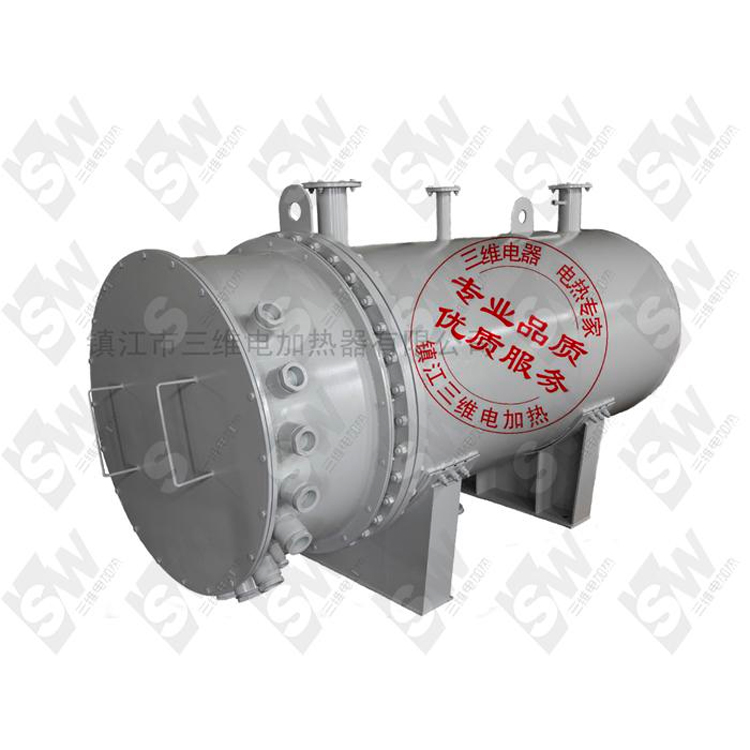
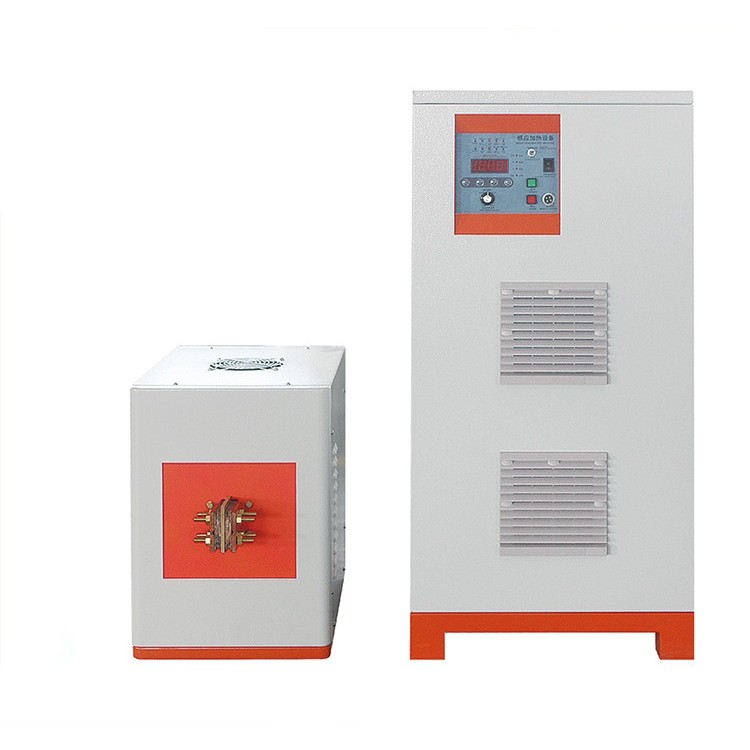
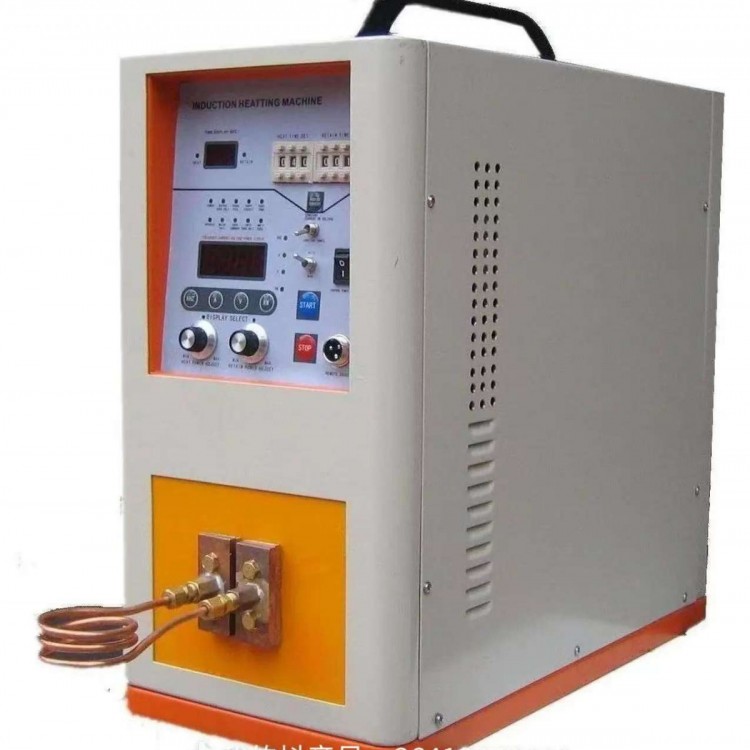
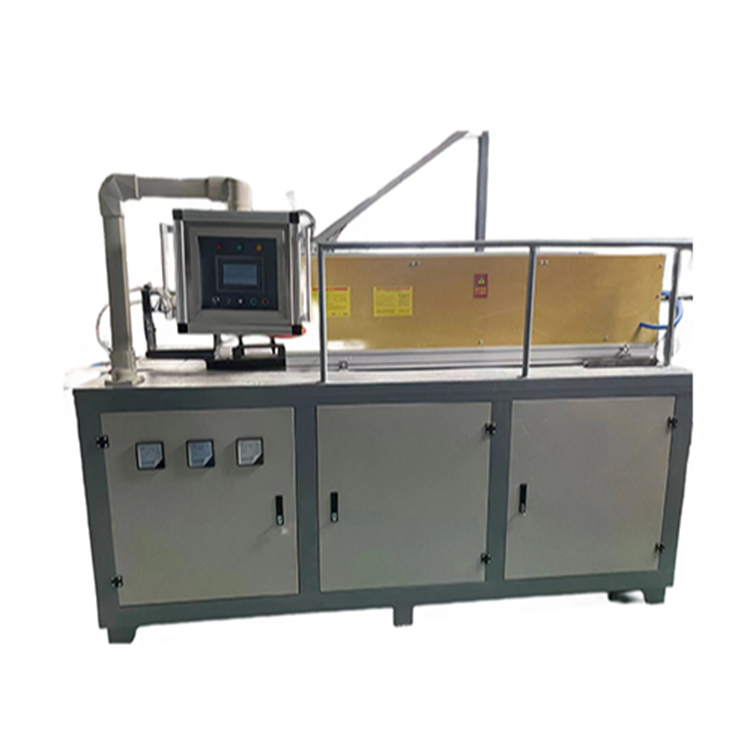
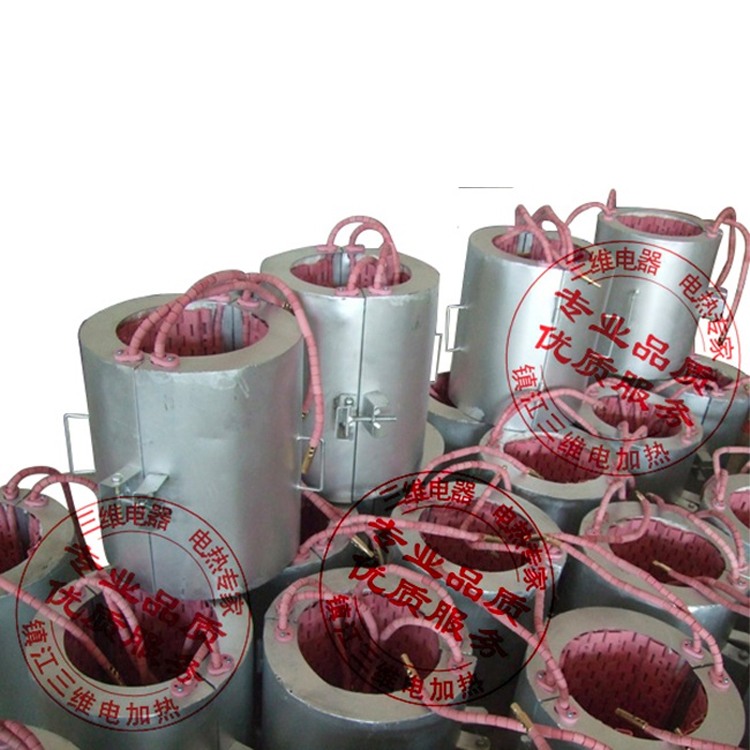
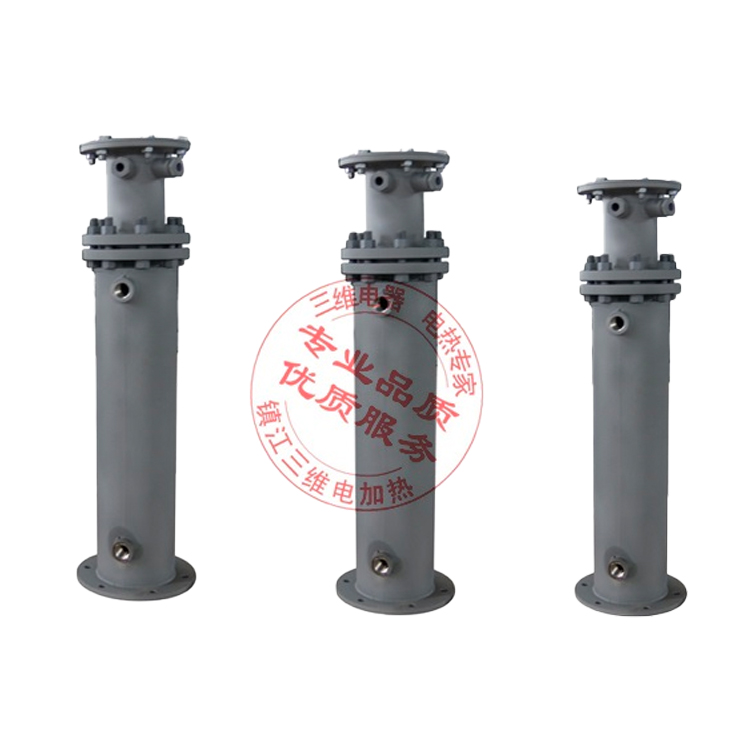
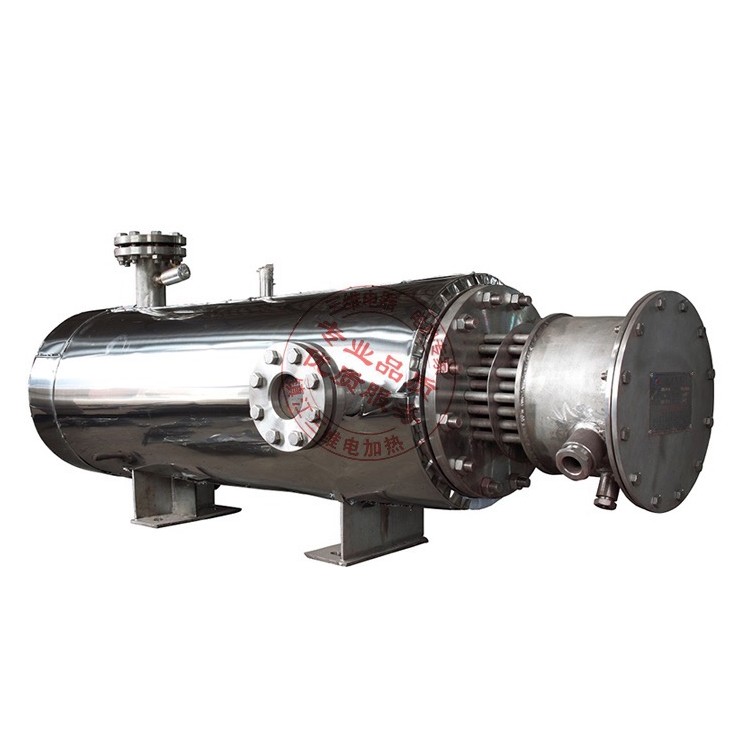
High-Nickel Alloy Electric Heater
IncoNernel 600 Incoloy 800 Incoloy 800H
Nickel 200
Nickel 200 contains 99.9% nickel, offering excellent mechanical properties and corrosion resistance. It also exhibits magnetic properties, magnetostrictive characteristics, high thermal conductivity, electrical conductivity, low gas content, and low vapor pressure.
Nickel 200's corrosion resistance makes it uniquely effective in maintaining food purity for food processing, artificial fiber production, and corrosive alkali metals. It is also a great choice for anti-corrosion architectural applications.
Other applications include chemical transportation containers, electrical and electronic components, aviation and missile parts, rocket engines, and more.
Monel® 400
Monel® Nickel-Copper Alloy 400 is a cold-working alloy that hardens only during cold working. It boasts high strength and toughness over a wide temperature range and excellent resistance to corrosion in many environments.
Alloy 400 is widely used in various industries, particularly in the marine and chemical processing sectors. Typical applications include valves and pumps, drive shafts, ship equipment, electrical and electronic accessories, springs, chemical processing equipment, oil and freshwater tanks, crude oil distillation units, processing vessels, oil pipelines, boiler water heaters, and other heat exchangers, degasser heaters, and oxygen heaters, among others.
Inconel® 600
Inconel® alloy 600 is a chrome-nickel alloy designed for environments ranging from low temperatures to 2000°F (1093°C). The alloy is non-magnetic and readily weldable.
The 600 alloy is used in various corrosion-resistant fields. Its high nickel content exhibits a certain degree of corrosion resistance in environments with reduced corrosion levels, while the chromium in the alloy offers corrosion resistance in mild oxidation conditions. The alloy's high nickel content also boasts exceptional resistance to chloride-induced corrosion cracking.
The high nickel content in the 600 alloy moderately reduces corrosion and provides excellent resistance to the environment. The nickel in the alloy imparts a strong resistance to chloride stress corrosion cracking. The 600 alloy is used in magnesium chloride solutions.
Similarly, the chromium content in the 600 alloy provides corrosion resistance under weaker oxidizing conditions. In this aspect, the 600 alloy is an improvement over the 200 alloy. In strong oxidizing solutions such as concentrated hot nitric acid, the corrosion resistance of the 600 alloy is poor.
The 600 alloy is relatively resistant to corrosion from most neutral and saline solutions, hence it is used in certain corrosive environments.
The 600 alloy exhibits tolerance to steam and mixtures of steam, air, and carbon dioxide. Its ability to resist oxidation reaches high temperatures of up to 2100°F (1149°C). However, the nickel content in the alloy makes it susceptible to corrosion in sulfur-rich environments as temperatures rise.
Inconel® 625
Inconel® alloy 625 is an austenitic superalloy primarily composed of nickel, featuring excellent anti-oxidation and corrosion resistance. It is suitable for a wide range of applications, including jet engine environments and industries such as aviation and chemical processing. At temperatures ranging from low to 2000°F (1093°C), the alloy also exhibits exceptional fatigue resistance.
The strength of the 625 alloy originates from the molybdenum and niobium solid solution strengthening effect within the nickel-chromium alloy. These elements also confer corrosion resistance to the alloy. Although designed for strength in high-temperature environments, its high alloy composition endows it with excellent resistance to general corrosion and tolerance to a wide range of oxidizing and non-oxidizing environments. The chromium and molybdenum content provide the alloy with excellent resistance to chloride ion-induced pitting corrosion, while the high nickel content enhances its resistance to chloride stress corrosion cracking.
This material boasts high formability and is easier to weld than many nickel-based alloys. Even under welding conditions, the alloy retains its resistance to intergranular corrosion.
The 625 alloy can be produced using vacuum induction melting (VIM) or argon-oxygen decarburization (AOD) methods. Further refinement can be achieved through electroslag remelting.
The high content of chromium and molybdenum in the 625 alloy provides excellent resistance to pitting and cracking corrosion, making it corrosion-resistant in chloride-contaminated mediums such as seawater, neutral salts, and brine.
This alloy exhibits corrosion resistance against a wide range of corrosive media—from highly oxidizing environments to moderately reduced oxidizing environments.
The geothermal brine test results indicate that the 625 alloy has high tolerance to geothermal water, with its corrosion resistance comparable to grade 2 titanium.
The simulated pipeline gas desulfurization environment test shows that the 625 alloy has higher corrosion resistance compared to the 316 alloy, and its corrosion resistance is comparable to that of the 276 alloy.
INCO C-276
INCO alloy C-276 (UNS N10276) is a nickel-molybdenum-chromium-iron-tungsten alloy, currently known for its corrosion resistance. High molybdenum content provides the alloy with resistance to localized corrosion, such as pitting. Low carbon content reduces the precipitation of carbides during welding, maintaining the alloy's ability to resist intergranular corrosion in the heat-affected areas of the weld joint.
Although the 276 alloy will eventually become brittle and form precipitates under high temperatures, it also boasts excellent high-temperature strength and moderate resistance to oxidation.
276 Alloy has been used for many years and is employed in construction projects related to boiling and pressure valves as specified by the American Society of Mechanical Engineers (ASME) standards. The alloy is presented in various product forms in Sections 1 and 2 of the ASME's eight-chapter standard.
The alloy is made by welding. Its welding technology is similar to that used for Austenitic stainless steel and other nickel-based alloys. It is noteworthy in the welding process that an increase in the carbon and silicon content of the material may lead to a reversal in the material's important properties.
Incoloy® Alloy 800
Alloy 800 (UNS NO8800), 800H (UNS NO8810), and 800AT (UNS8811). Nickel-chromium-iron alloys are designed for resistance to oxidation and carburization at elevated temperatures. At a nickel content of 32%, they enhance the alloy's tolerance to corrosion cracking caused by chlorides and to embrittlement during precipitation in the sigma phase. Overall corrosion resistance is excellent. In solution annealed condition, 800H and 800AT alloys exhibit excellent resistance to creep and stress cracking. These three basic 800 series alloy products are approved for use in construction materials and are widely applied in ASME boilers, superheater valves, power boiler sections, three sections of nuclear material containers, and red high-pressure vessels.
The 800, 800H, and 800AT alloys are essentially the same, with the primary difference being that the carbon content in the 800H alloy is slightly higher (0.5-0.15), and the aluminum and titanium content in the 800AT alloy is increased by 1%. The 800 alloy is typically used in environments with temperatures around 1100°F (593°C). The 800H and 800AT alloys are usually used in environments with temperatures above 1100°F, where the alloy must exhibit creep and fracture resistance properties.
The chromium and nickel content in alloys 800, 800H, and 800AT is higher than that in the 304 alloy family. In many application environments, the performance of alloys 800, 800H, and 800AT is similar to that of alloy 304. For example, their performance varies in most industrial and agricultural settings and in chemical media such as nitric and organic acids. It is not recommended to use either alloys 800, 800H, 800AT or 304 in sulfuric acid environments unless the concentration and temperature are low. Similar to austenitic stainless steels, if alloys 800, 800H, and 800AT are heated for an extended period to between 1000°F to 1400°F (538°C to 760°C), they will exhibit sensitization (precipitation of chromium carbide particles). Sensitized metals are prone to intergranular corrosion by certain corrosive mediums, including acidic substances or experiments with 65% nitric acid heated to boiling point (stainless steel corrosion resistance test).
Although 800 alloy cannot completely resist cracking corrosion caused by stress, it does possess high resistance to such corrosion. Extensive field tests have demonstrated that the 800 alloy consistently exhibits its excellent properties in a variety of equipment in the oil, chemical, food, pulp, and paper industries. Therefore, the 800 alloy can show significant advantages when used in moderately corrosive environments, while other austenitic stainless steels have shown a tendency to be affected by stress cracking corrosion during application. However, strict magnesium chloride tests have proven that the 800 alloy cannot completely eliminate the influence of stress cracking corrosion.
Incoloy® 825
Incoloy® alloy 825 is an austenitic nickel-iron-chromium alloy, with added copper, molybdenum, and titanium. It exhibits excellent resistance to stress corrosion and oxidation-reduction corrosion in complex media containing oxides, and has good resistance to sulfuric and phosphoric acids, as well as to various acidic solutions. It is widely used in pipelines for oil and gas transportation, coolers for oil and gas, nuclear waste disposal facilities, and components used in acidic gas environments.
Alloy 020
INCO ALLOY 020 is an austenitic nickel-iron-chromium alloy, with added copper and molybdenum. The copper and molybdenum enhance the alloy's resistance to reducing environments. Molybdenum imparts excellent resistance to pitting and crevice corrosion. Chromium provides resistance against oxidation environments, such as nitric acid. The added niobium reduces the impact of carbide precipitation during welding and improves the alloy's resistance to intergranular corrosion.
NICO ALLOY 020 boasts exceptional corrosion resistance in sulfuric acid environments, making it suitable for a range of applications in such acidic conditions. Other applications include gasoline products, solvents, explosives, inorganic and organic chemicals, pharmaceuticals, food, synthetic products, and more. In these fields, INCO ALLOY 200 is used to manufacture mixers, heat exchangers, process pipelines, pickling equipment, pumps, valves, fasteners, and pipe fittings, among others.
Inconel® alloy 600 is a chromium-nickel alloy designed for environments ranging from low temperatures to 2000°F (1093°C). It is non-magnetic and easy to weld.
600 alloy is used in various corrosion-resistant fields. Its high nickel content exhibits a certain degree of corrosion resistance in environments with reduced corrosion levels, while the chromium in the alloy provides corrosion resistance in weaker oxidizing conditions. The high nickel content of the alloy offers particular resistance to chloride-induced cracking.
The high nickel content in the 600 alloy moderately reduces corrosion and provides excellent resistance to the environment. The nickel in the alloy imparts a strong resistance to chloride stress corrosion cracking. The 600 alloy is used in solutions of magnesium chloride.
Similarly, the chromium content in the 600 alloy provides corrosion resistance under weak oxidizing conditions. In this regard, the 600 alloy is an improvement over the 200 alloy. In strongly oxidizing solutions, such as concentrated hot nitric acid, the 600 alloy's corrosion resistance is poor.
600 alloy is relatively unaffected by most neutral and saline solutions, thus it is used in certain corrosive environments.
The 600 alloy exhibits tolerance to steam and a mixture of steam, air, and carbon dioxide. The alloy's ability to resist oxidation extends to temperatures as high as 2100°F (1149°C). However, the nickel content in the alloy makes it susceptible to erosion in sulfur-rich environments as temperatures rise.
Alloy 800 (UNS NO8800), 800H (UNS NO8810), 800AT (UNS8811). Nickel-chromium-iron alloys are designed for resistance to oxidation and carburization as temperatures rise. At a nickel content of 32%, they enhance the alloy's tolerance to chloride-induced corrosion cracking and brittleness during sigma-state precipitation. Overall corrosion resistance is excellent. In solution annealed condition, 800H and 800AT alloys exhibit superior resistance to creep and stress cracking. These three basic 800 series alloys have been approved for use in building materials and are widely applied in ASME boilers, superchargers, sections of electric boilers, three sections of nuclear material containers, and red high-pressure vessels.
800, 800H, and 800AT alloys are essentially the same; the difference lies in the carbon content of 800H alloy being slightly higher (0.5-0.15) and the aluminum and titanium content in 800AT alloy increasing by 1%. The 800 alloy is generally used in environments with temperatures around 1100°F (593°C). 800H and 800AT alloys are typically used in environments with temperatures above 1100°F, where the alloy must exhibit creep and fracture resistance properties.
The 800, 800H, and 800AT alloys contain higher percentages of chromium and nickel than the 304 alloy family. In many application environments, the performance of the 800, 800H, and 800AT alloys is similar to that of the 304 alloy. For instance, their performance varies in most industrial and agricultural settings and in chemical media such as nitric and organic acids. It is not recommended to use either the 800, 800H, 800AT or 304 alloys in sulfuric acid environments unless the concentration and temperature are low. Similar to austenitic stainless steels, if the 800, 800H, 800AT alloys are heated for extended periods to between 1000°F and 1400°F (538°C to 760°C), they will exhibit sensitization (precipitation of chromium carbide particles). Sensitized metals are prone to intergranular corrosion by certain corrosive agents, including acidic substances or 65% nitric acid heated to boiling point (stainless steel corrosion resistance test).
Although 800 alloy cannot completely resist cracking corrosion caused by stress, it possesses a high resistance to such corrosion. Extensive field tests have shown that the 800 alloy consistently exhibits its excellent properties in various equipment across the oil, chemical, food, pulp, and paper industries. Therefore, the 800 alloy demonstrates a significant advantage when used in moderately corrosive environments, while other austenitic stainless steels have shown a tendency to be affected by stress-induced cracking corrosion. However, strict magnesium chloride tests have proven that the 800 alloy cannot be completely exempt from the influence of stress cracking corrosion.