








I. Overview of Electrically Heated Radiant Tubes
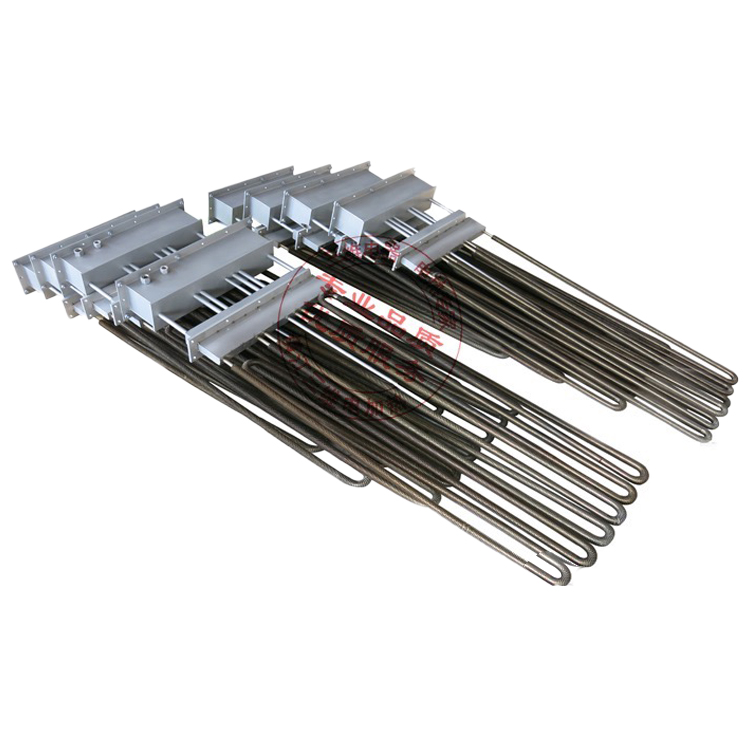
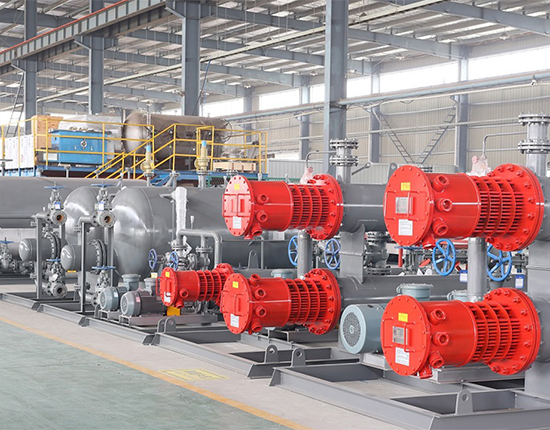
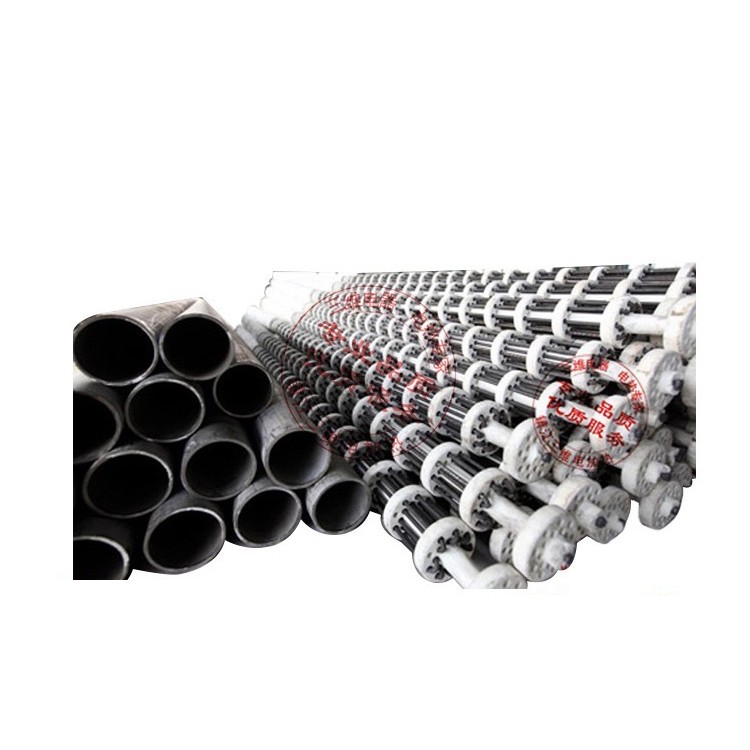
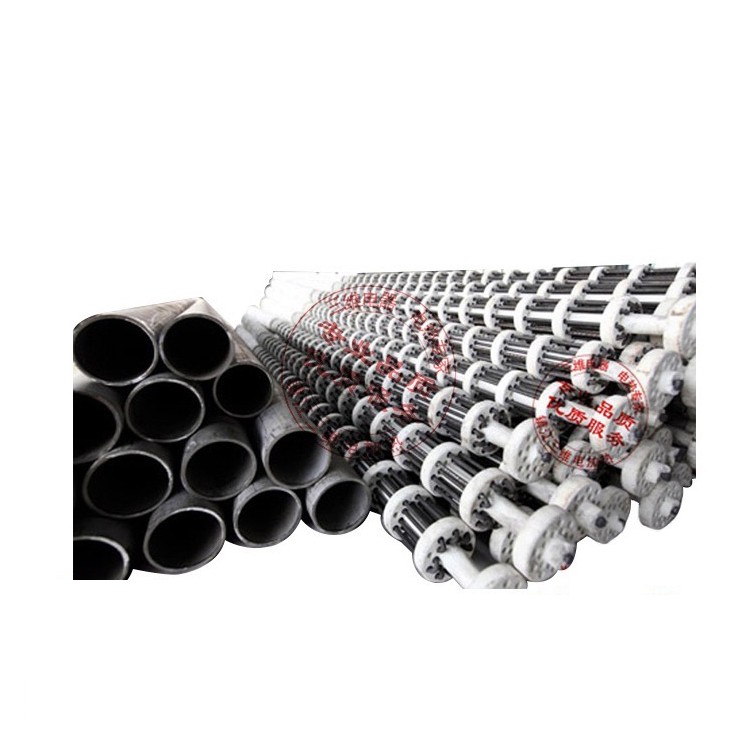
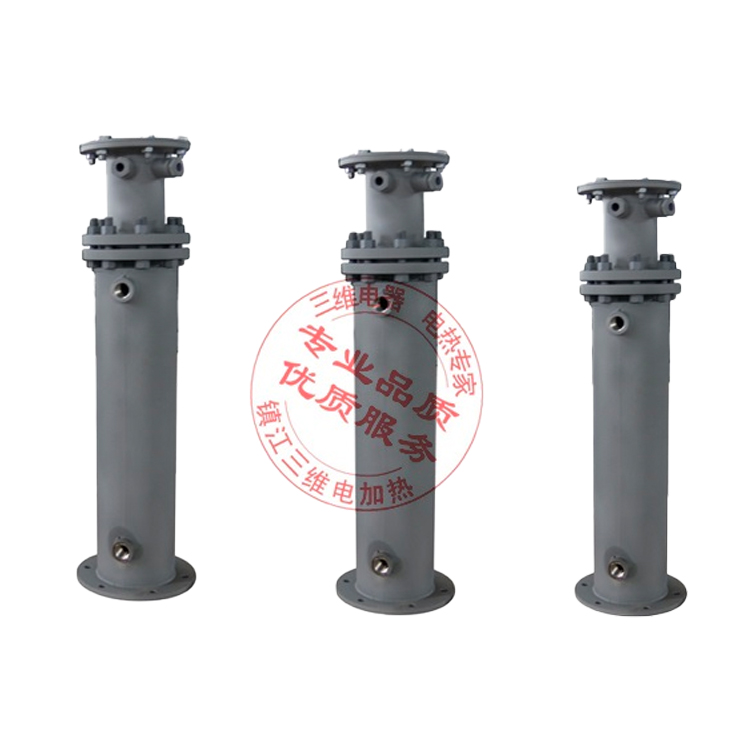
This electrically heated radiant tube consists of a heat-resistant alloy steel casing and a heater. The tube core is typically made up of multiple grouped cores. Under the same surface load, it features a large radiant surface area and a long service life, with a heat-resistant rod used for central fixation.
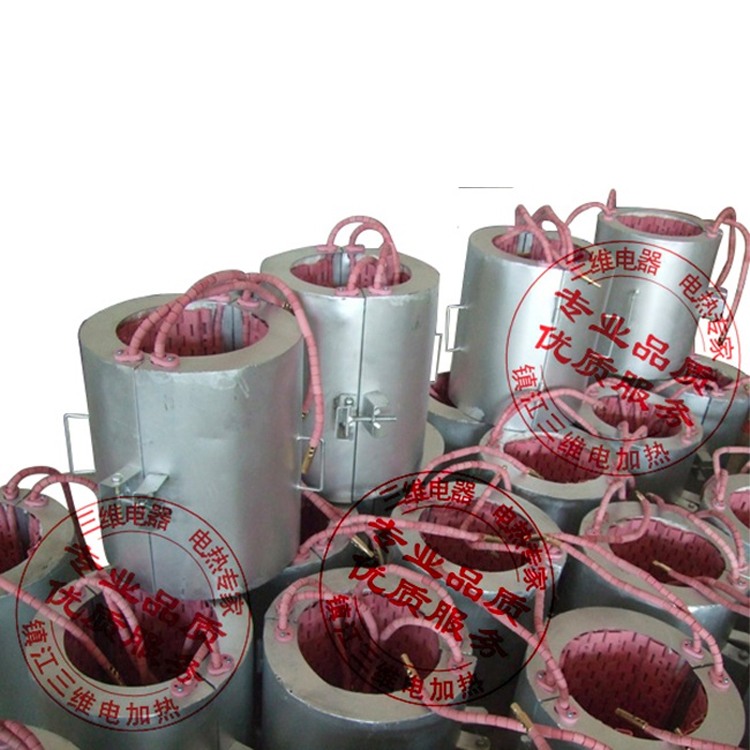
1. The spiral-wound electric radiant heating tube features a heat-resistant alloy steel sleeve and a heater. The heater typically consists of φ3-5 mm electric resistance wire wrapped around a heat-resistant insulating ceramic core with spiral grooves. The operating voltage is 220V, and the power rating is usually 5-7KW.
2. This heater features a band spiral electric radiant tube, with a structure similar to another, but with heating elements wound from resistive strips, typically 1-3 mm thick and 10-20 mm wide. The tube cores are usually made up of multiple grouped cores. Under the same surface load, it offers a larger radiant surface area, allowing for material savings. This type of radiant tube is commonly used in high-power point heating applications.
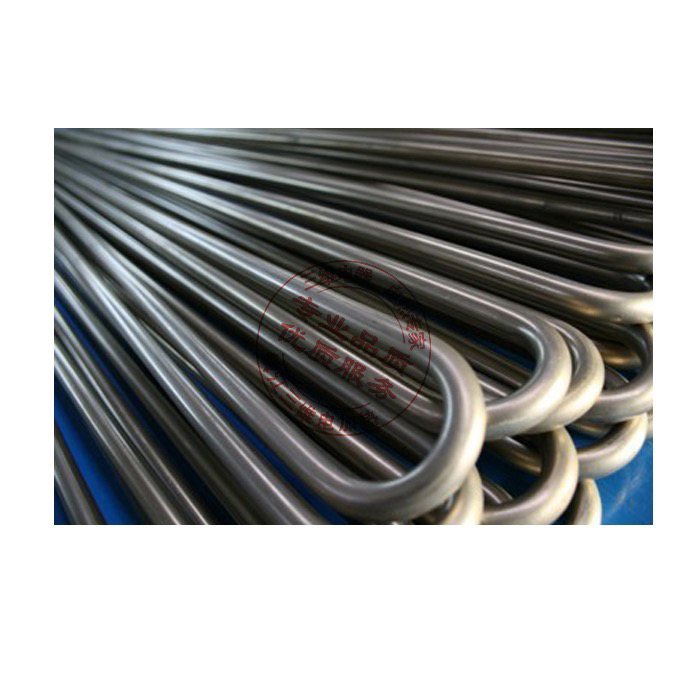
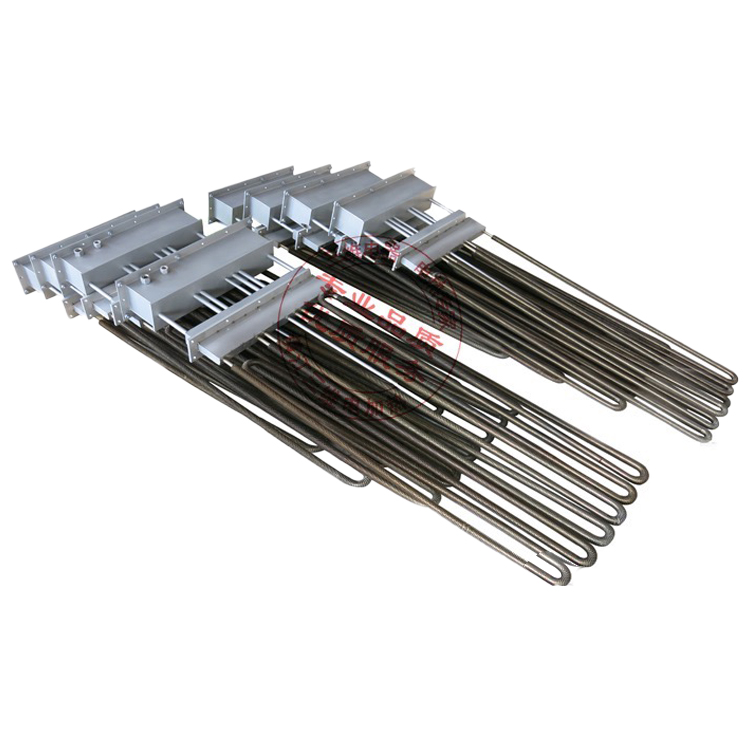
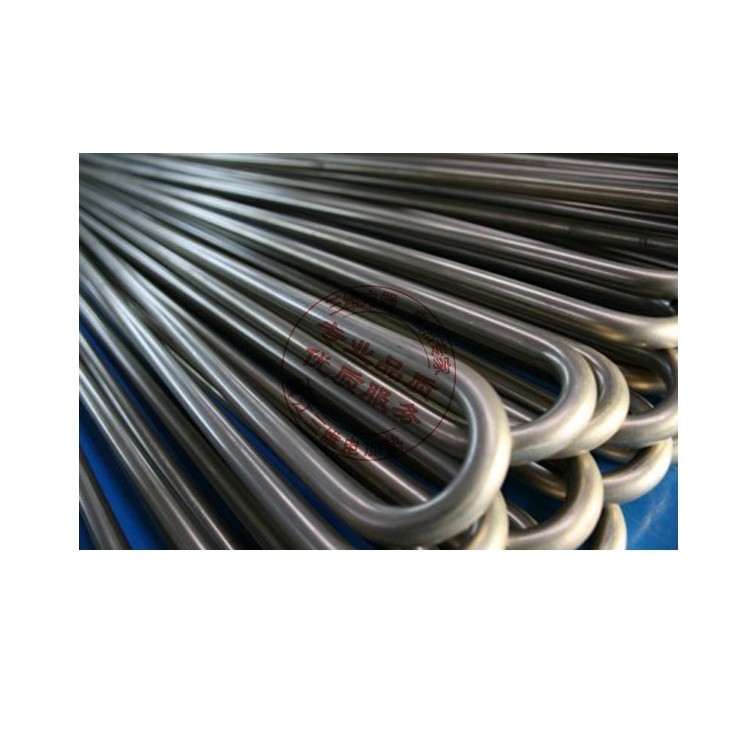
3. Axial corrugated cage-type electric radiant tubes (commonly known as squirrel cage type) have a structure that involves bending the resistance wire (strip) of the heating element into a "U" shape and threading it through multiple high-temperature-resistant ceramic support plates. A heat-resistant rod is used to secure the middle section. The general effective length is 900-2400mm; the general outer diameter of the sleeve is φ80-φ280. Single-tube power: 2kW-40kW; single-tube voltage: 30V-220V. These radiant tubes have a long service life.
II. Characteristics of Electrically Heated Radiant Tubes
Our electric radiant tubes, designed and manufactured by our company, are available in high, medium, and low-temperature furnace specifications for your selection. The outer tube is made of seamless high-temperature alloy tubes and plate coiled tubes, as well as centrifugal cast tubes. They are designed for use with heating elements of radiant tubes under various operating conditions and harsh cyclic environments. These heating tubes offer stable performance, high resistivity, and a low temperature coefficient, suitable for various types of radiant tube heating elements. Their unique performance characteristics replace expensive imported materials.
1. Practical and reliable. Our factory's products have undergone production verification, ensuring quality that is both reliable and durable.
2. Core materials are焊接 using DC TIG welding, ensuring that technical specifications such as surface load and resistance difference are guaranteed.
3. Heat-resistant insulating materials are formulated in Germany, featuring excellent thermal shock resistance, high-temperature resistance, long service life, and good surface quality.
Section 3: Advantages of Electric Radiant Tubes
Installation, inspection, and maintenance are convenient, all performed outside the furnace. There is no need to shut down or cool the furnace temperature for maintenance and replacement of the electric heating equipment. Under normal production conditions, the replacement only takes about 10 minutes, greatly reducing labor intensity and improving productivity.
2. Compact structure, stable performance, high single-wire power, and a lifespan several times that of conventional electric heating pipes.
3. Heat-resistant insulating materials are formulated for medium to small sizes, featuring good thermal shock resistance, high-temperature tolerance, long service life, and excellent electrical insulation properties at high temperatures.