








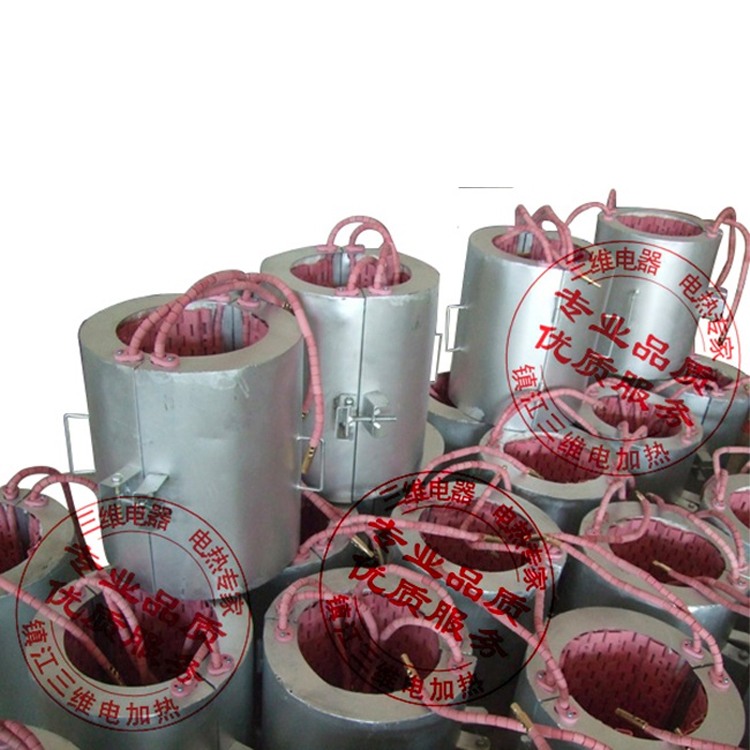
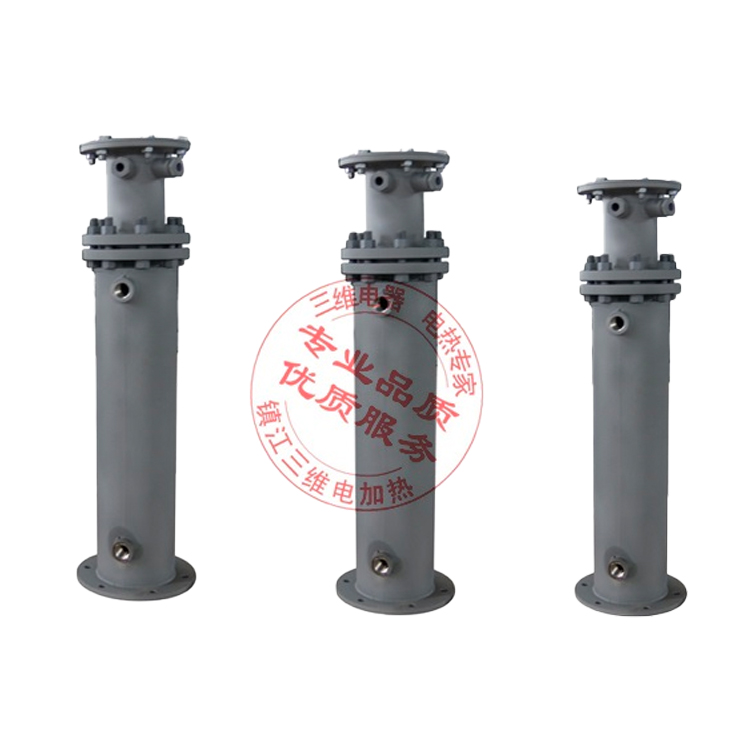
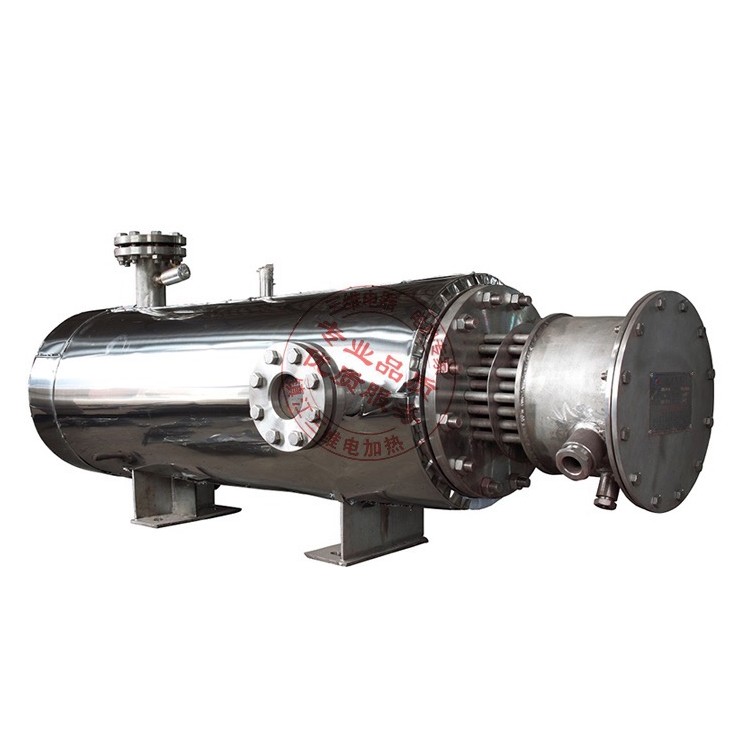
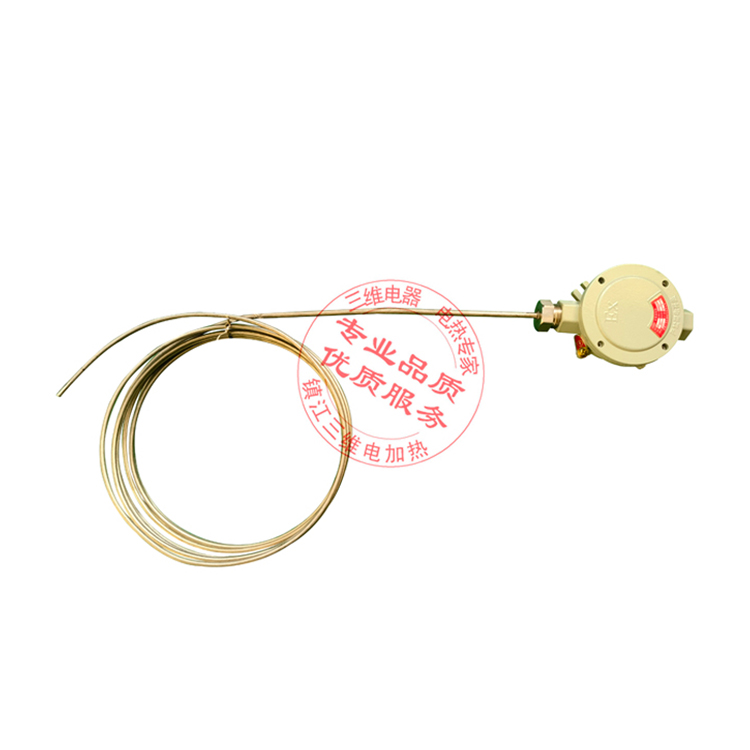
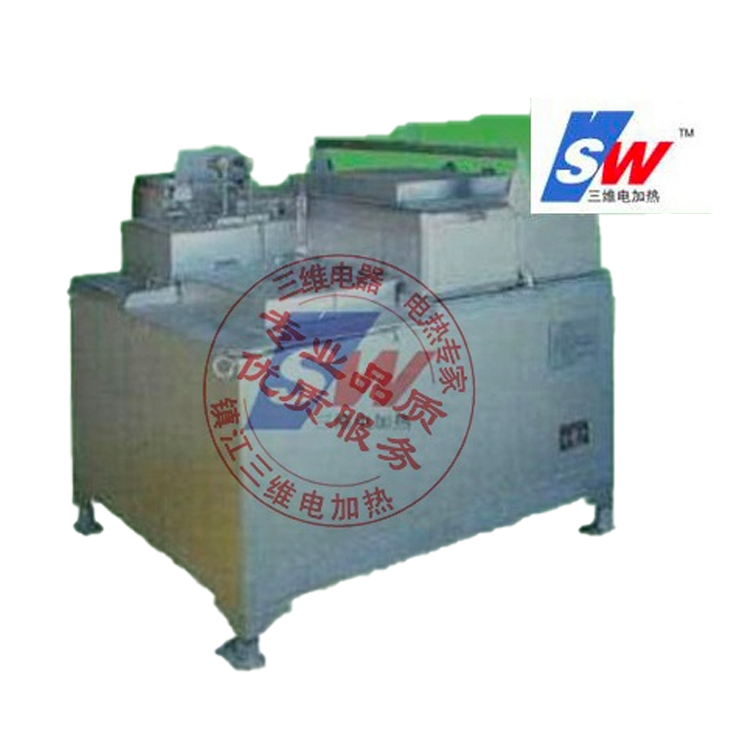
I. Electric Heating Tube Introduction:
Electric Heating Tube Overview
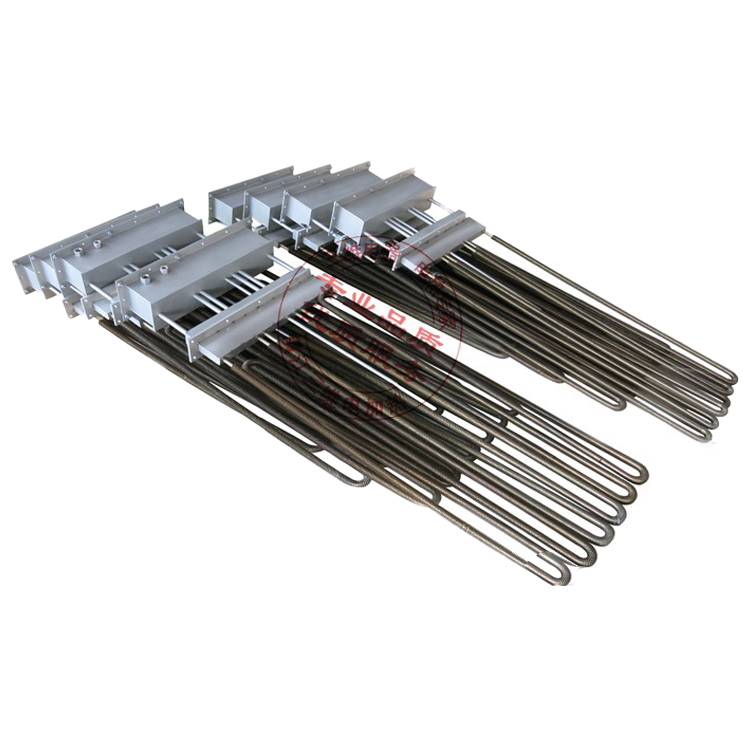
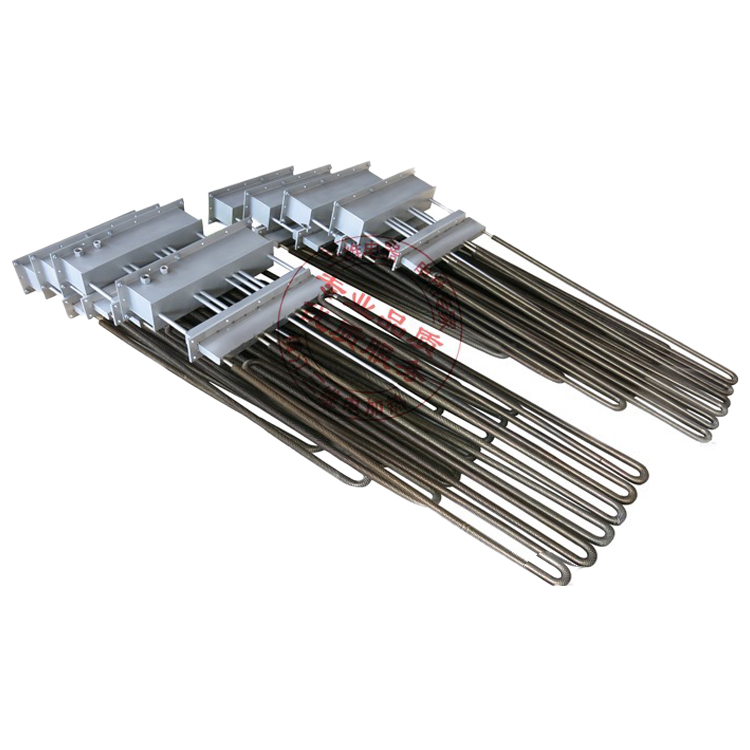
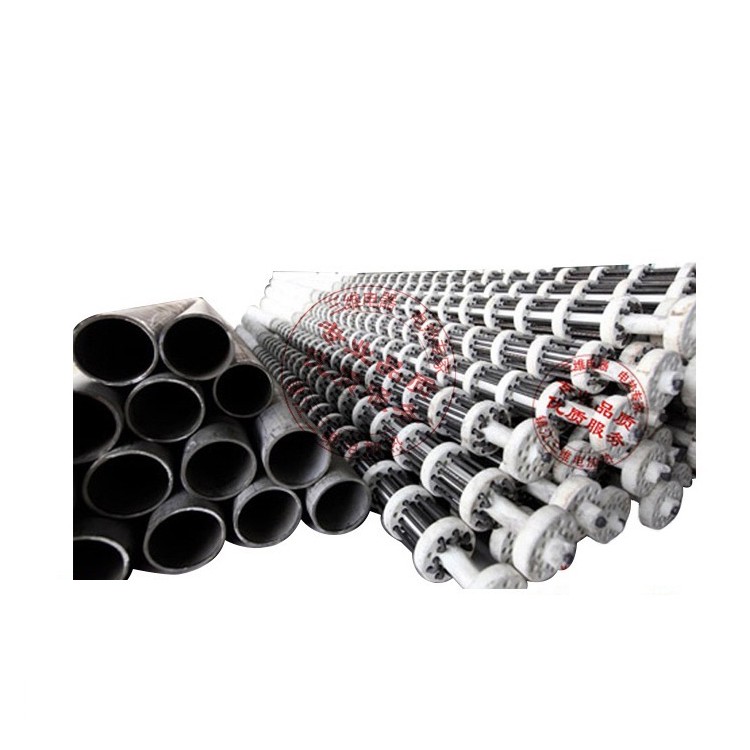
Electric heating tubes are composed of metal tubes, spiral resistance wires, and crystalline magnesium oxide powder with good thermal conductivity and insulation properties. They are suitable for heating air, oil, water, chemical media, hot press molds, and for melting salts, alkalis, and low-melting point alloys. They feature high thermal efficiency, long service life, high mechanical strength, easy installation, and safety and reliability.
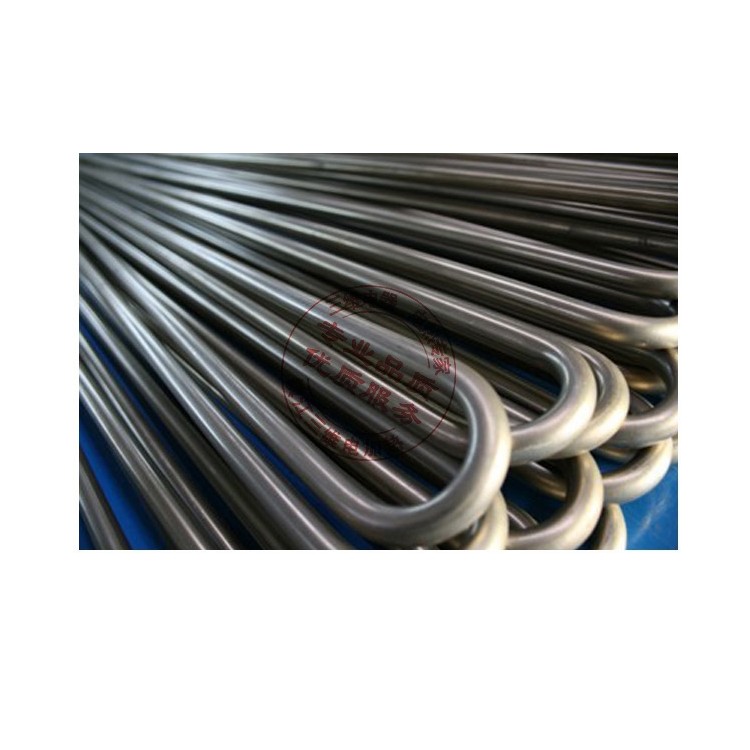
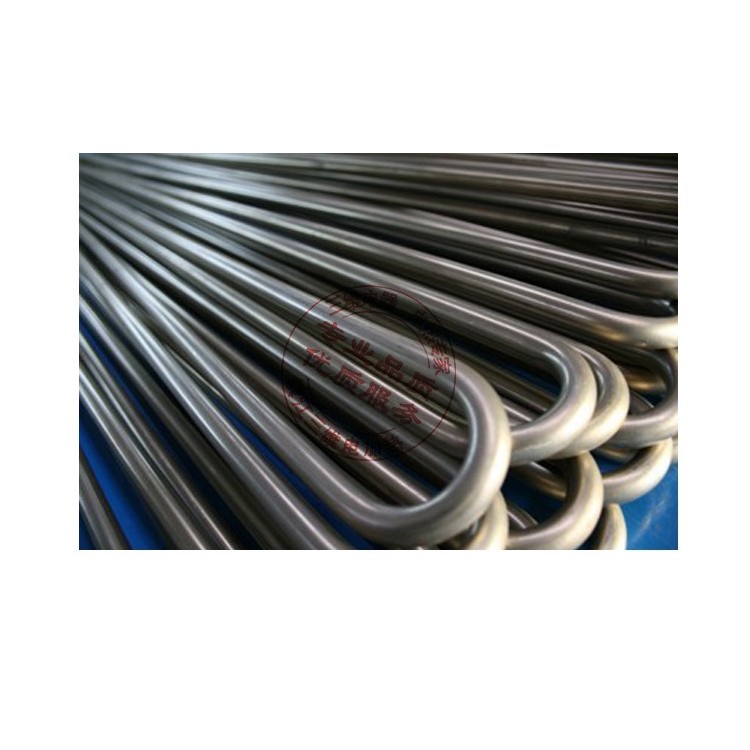
Electrical heating tube structural diagram. The tubular electrical heating elements can be processed into various shapes such as U-shaped, wavy, spiral, and straight rod, as required. The element cross-sections can be categorized into circular, elliptical, rectangular, triangular, and more. The elements can be single-ended or double-ended wired, with each end having 1 to 3 wire rods.
2. Three-phase connection for electric heating element
In a 380V three-phase four-wire circuit, the voltage between any two live wires is 380V, and any live wire can form a 220V circuit with the neutral wire. This system can generate three types of power sources: single-phase 220V, single-phase 380V, and three-phase 380V. Single-phase 220V is commonly used in homes, while the other three are more frequently used in industrial motors, with two types being less common. Only AC welders regularly use the single-phase 380V power source.
Section II: Working Principle of Electric Heating Tubes:
The high-temperature resistance wire is evenly distributed inside the high-temperature-resistant stainless steel seamless tube, while the gaps are densely filled with crystalline magnesium oxide powder, which excels in both thermal conductivity and insulation. This structure is not only advanced and highly efficient in heat transfer but also ensures even heat distribution. When an electric current passes through the high-temperature resistance wire, the generated heat diffuses through the crystalline magnesium oxide powder to the surface of the metal tube, then transfers to the heated object or the air, achieving the heating purpose.
III. Features of Electric Heating Tubes:
Most of the hot air circulates within the box, ensuring high thermal efficiency and energy conservation.
2. Utilizing forced ventilation, the container is equipped with adjustable air distribution baffles for even material drying. Heat sources can include steam, hot water, electricity, and far-infrared, offering a wide range of options.
3. Low overall noise, smooth operation. Automatic temperature control, easy installation and maintenance.
4. Broad application range, capable of drying various materials, a versatile drying equipment.
Application Scope: Hot air circulation ovens are suitable for the heating and curing, drying and dehumidification of materials and products in industries such as pharmaceuticals, chemicals, food, agricultural and sideline products, aquatic products, light industry, and heavy industry. This includes raw drugs, traditional Chinese medicine, traditional Chinese medicine slices, extracts, powders, granules, effervescent powders, water pills, packaging bottles, pigments, dyes, dehydrated vegetables, dried fruits, sausages, plastic resins, electrical components, baking varnishes, etc.
Four: Precautions for the use of electric heating pipes:
1. Components are allowed to operate under the following conditions: A. Relative air humidity not exceeding 95%, without explosive or corrosive gases. B. Operating voltage should not exceed 1.1 times the rated value, and the housing should be effectively grounded. C. Insulation resistance ≥ 1MΩ, Dielectric strength: 2KV/1min.
2. The heating tube should be properly positioned and secured; the entire effective heating area must be fully immersed in liquid or a metal solid. Absolutely no dry burning is permitted. If scaling or carbon deposits are found on the tube surface, they should be cleaned thoroughly before reuse to avoid affecting heat dissipation and shortening the service life.
3. When heating fusible metals or solid nitrate, alkali, asphalt, paraffin, etc., the applied voltage should be reduced first, and only increased to the rated voltage after the medium has melted.
4. When heating air, components should be arranged in a cross pattern for even distribution, ensuring optimal heat dissipation and allowing the air to be fully heated as it passes through. 5. When heating nitrate salts, safety measures should be considered to prevent explosion accidents.
6. The wiring section should be placed outside the insulation layer to prevent contact with corrosive, explosive substances, and moisture; the lead wires should be capable of withstanding the temperature and heating load of the wiring section for a long time. Avoid excessive force when tightening the wiring screws.
7. Components should be stored in a dry place. If the insulation resistance drops below 1MΩ due to long-term storage, they can be dried in an oven at around 200°C, or heated by applying a voltage until the insulation resistance is restored.
8. Magnesium oxide powder at the electrical heating tube's outlet end should be protected from pollutants and moisture intrusion at the usage site to prevent electric leakage accidents.