

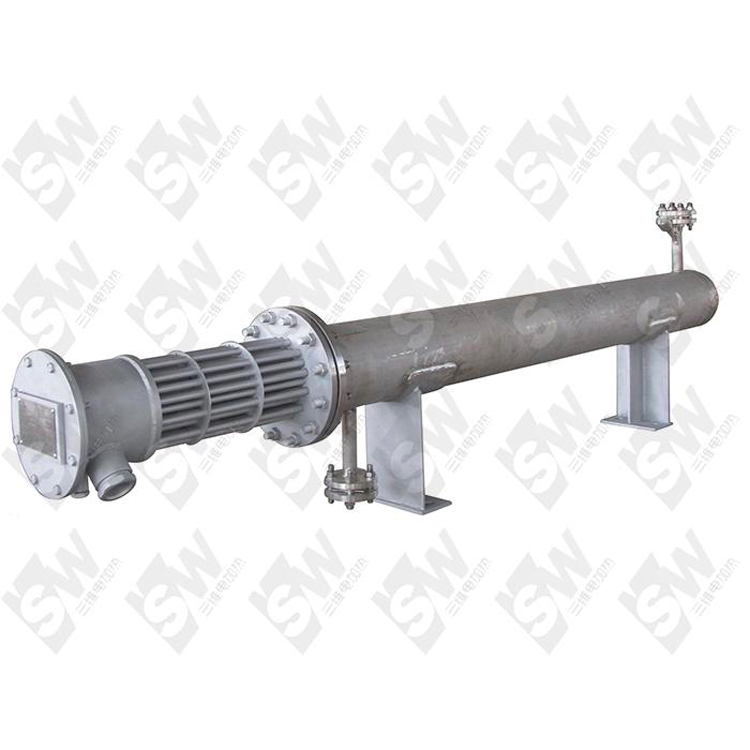
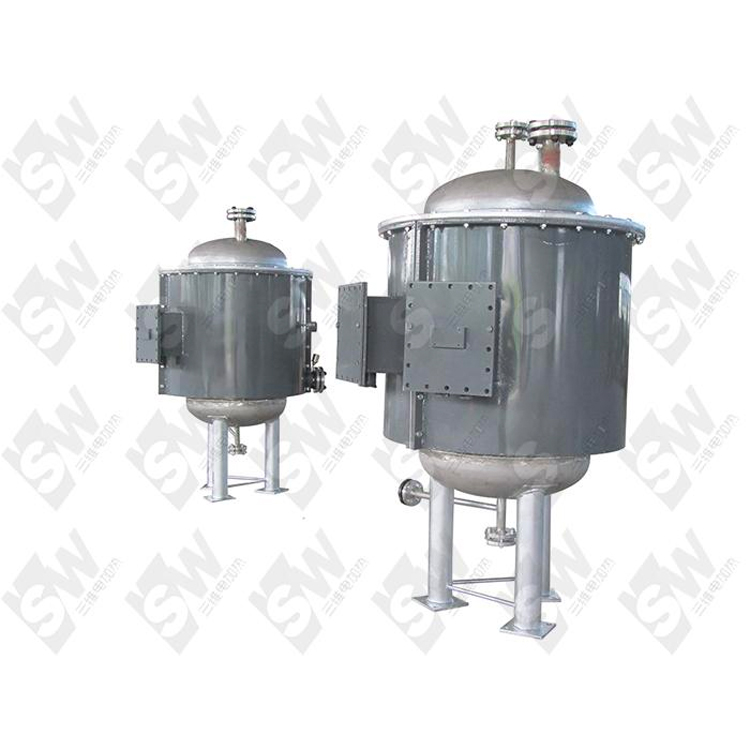
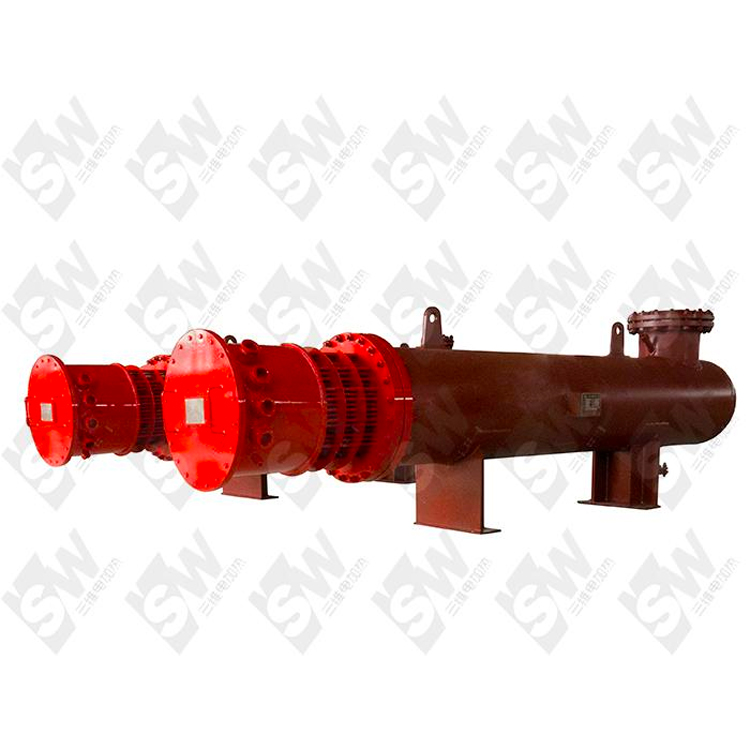







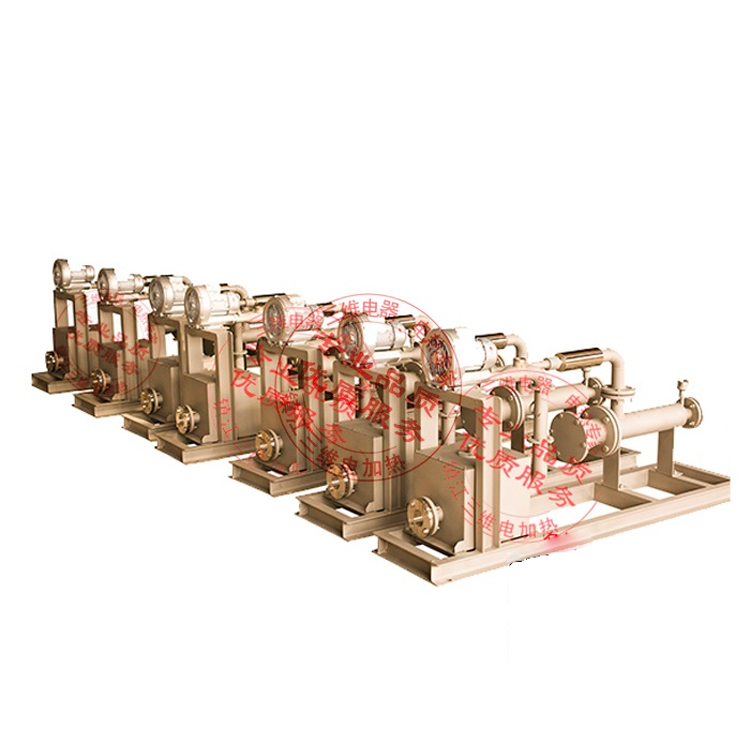
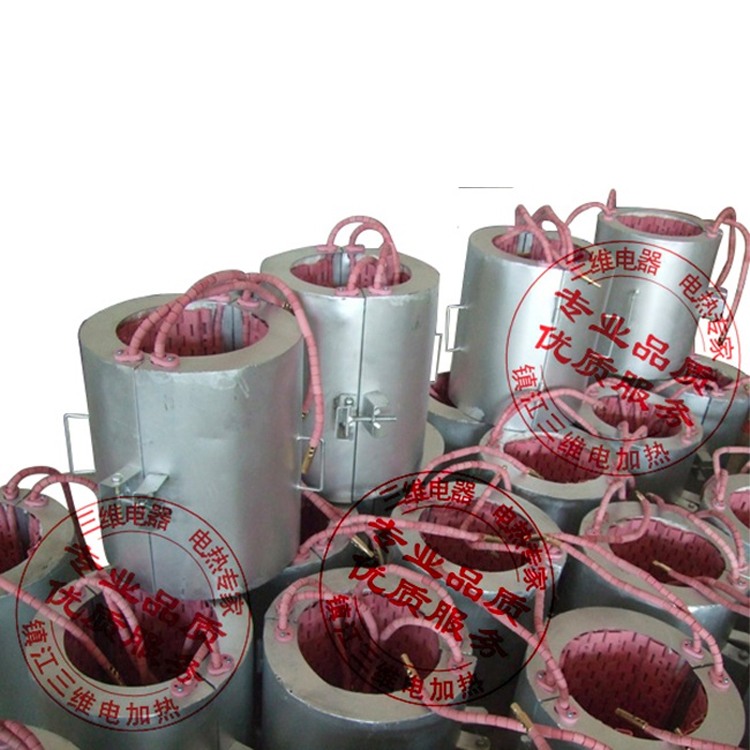
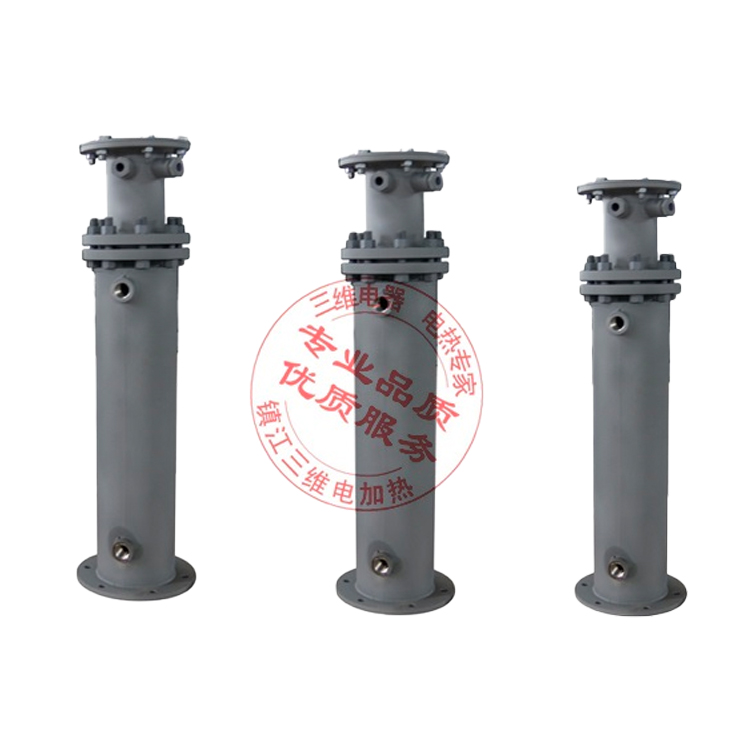
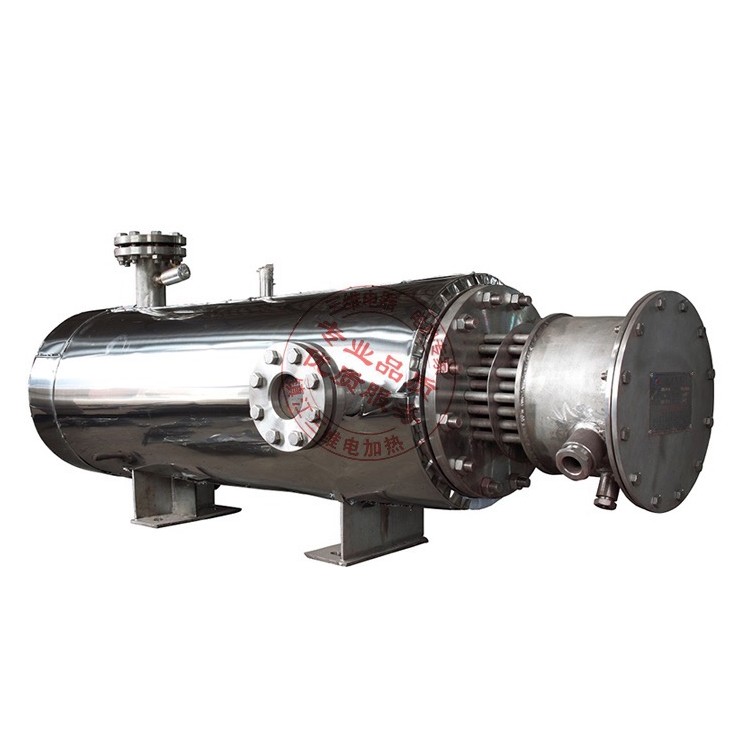
I. Principle of Operation for Nitrogen Electric Heater:
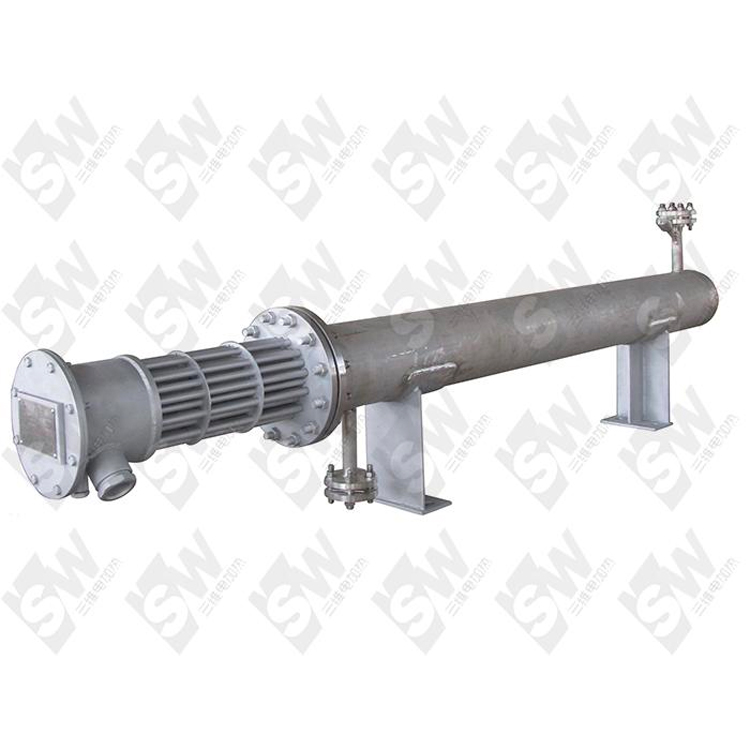
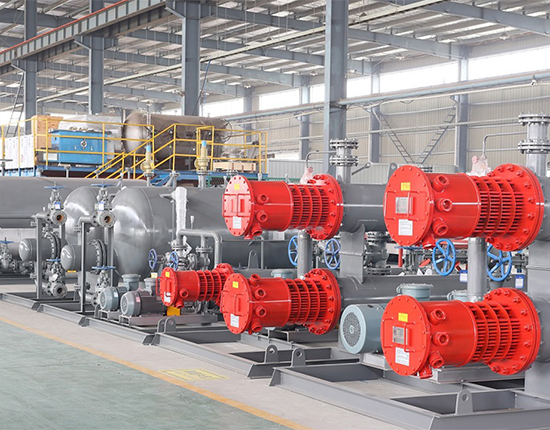
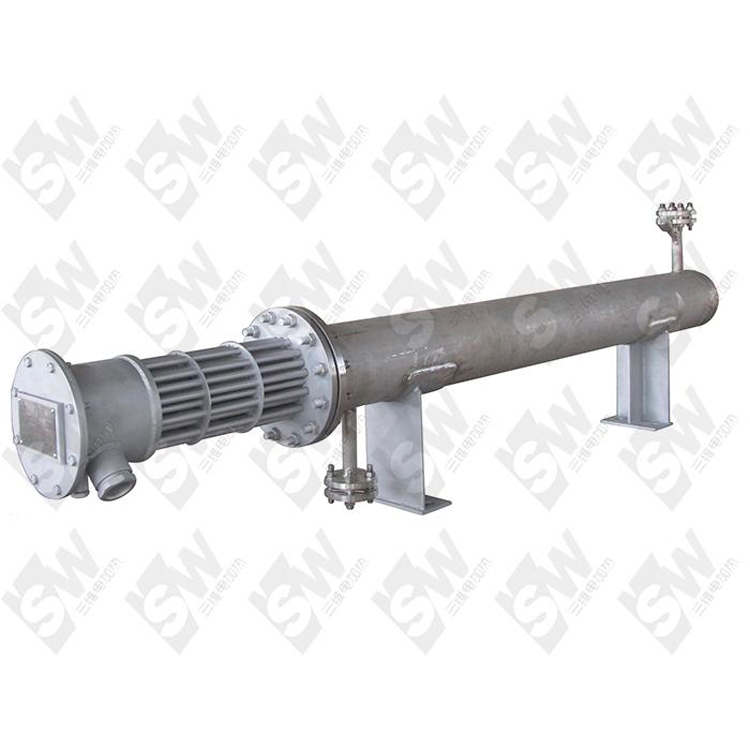
For nitrogen electric heaters, heat is generated by electric heating elements placed within the heater. It heats the medium through forced convection, where the medium enters the vessel through the inlet and is heated using fluid thermodynamic principles. The immense heat produced during the operation of the nitrogen electric heater is then transferred as a heat carrier through a pump, ensuring continuous heat transfer to meet the process heating requirements.
As the medium temperature approaches the set value, the nitrogen electric heater control system, based on the output temperature sensor signal, performs PID calculations and automatically adjusts the heater's output power to achieve the required medium temperature at the output; in case the heating element overheats, the overheating protection device of the heating element immediately automatically cuts off the heating power to prevent the heating element from burning out, thereby extending its service life.
Section II: Applications of Nitrogen Electric Heaters:
Nitrogen electric heaters are primarily used to heat the required nitrogen flow from an initial temperature to the desired nitrogen temperature. They have been widely applied in aerospace, arms industry, chemical industry, and many scientific research and production laboratories in colleges and universities. Particularly suitable for automatic temperature control and high-flow high-temperature combined systems and accessory testing. The range of nitrogen electric heaters is broad: they can heat any gas, producing dry, moisture-free, non-conductive, non-flammable, non-explosive, non-corrosive, non-polluting, safe and reliable nitrogen with rapid temperature rise in the heated space (可控).
3. Technical Features of Nitrogen Electric Heater:
1. Capable of heating nitrogen to very high temperatures, up to 450°C, with the shell temperature at around 50°C.
2. High efficiency: up to 0.9 and above.
3. Rapid heating and cooling rates up to 10℃/s, quick and stable adjustments. No temperature control drift due to the controlled nitrogen temperature leading or lagging, ideal for automatic control.
4. Excellent mechanical properties: Due to its special alloy material heating element, it boasts superior mechanical properties and strength under the impact of high-pressure nitrogen flow compared to any other heating element. This is particularly advantageous for systems and accessories that require continuous and long-term heating of nitrogen.
5. Durable and long-lasting, with a lifespan of several decades when used in accordance with the operating instructions.
6. Nitrogen is clean and compact in volume.
7. Custom-designed nitrogen electric heaters of various types are available to meet customers' needs.
Section 4: Common Faults and Repair Methods for Nitrogen Electric Heaters
Fault One: Digital display not functioning. Check if the nitrogen switch is closed and the control circuit is intact.
Fault 2: The heater temperature does not rise. Check if the fuse is intact and if the gas heater is damaged?
Fault Three: Three-phase imbalance. Check if there is a phase missing in the three-phase input voltage. Open the protective cover of the nitrogen gas electric heater, and use a multimeter to check if the single electric heating element is open circuit.
V. Factors Affecting the Performance of Nitrogen Electric Heaters:
Increasing the gas flow rate at the inlet of the nitrogen electric heater can enhance the convective heat transfer, thereby reducing the surface temperature of the electric heating elements within the nitrogen heater. This not only extends the service life of the electric heating elements but also decreases the heat dissipation loss of the nitrogen electric heater, thus improving its efficiency. However, if the speed is too high, it leads to a sharp increase in pressure loss, which is detrimental to improving the heating efficiency.
2. If all other conditions remain unchanged, altering the surface load will cause a linear change in the wall temperature of the electric heating elements in the nitrogen electric heater. An increase in surface load will lead to a rise in the wall temperature of the electric heating elements, which will reduce their service life in the nitrogen heater. However, if the surface load is too low and the wall temperature is too low, the heat exchange efficiency of the nitrogen heater's exchanger will decrease as well. Therefore, the selection of the surface load for the electric heating elements in the nitrogen heater is quite important.
When the final temperature of nitrogen in the nitrogen heater, T2, increases, the viscosity of nitrogen rises, resulting in a decrease in the gas Reynolds number, which in turn reduces the intensity of convective heat transfer. Concurrently, the surface temperature of the electric heating elements in the nitrogen heater also increases, causing an increase in heat loss through radiation and thus reducing the efficiency of the heat exchanger. As T2 becomes excessively high, the surface temperature of the electric heating elements will also rise significantly, which may exceed the load-bearing capacity of most electric heating elements. Therefore, the increase in T2 is typically limited by the heat resistance of the material used in the electric heating elements within the nitrogen heater.