









1. Overview
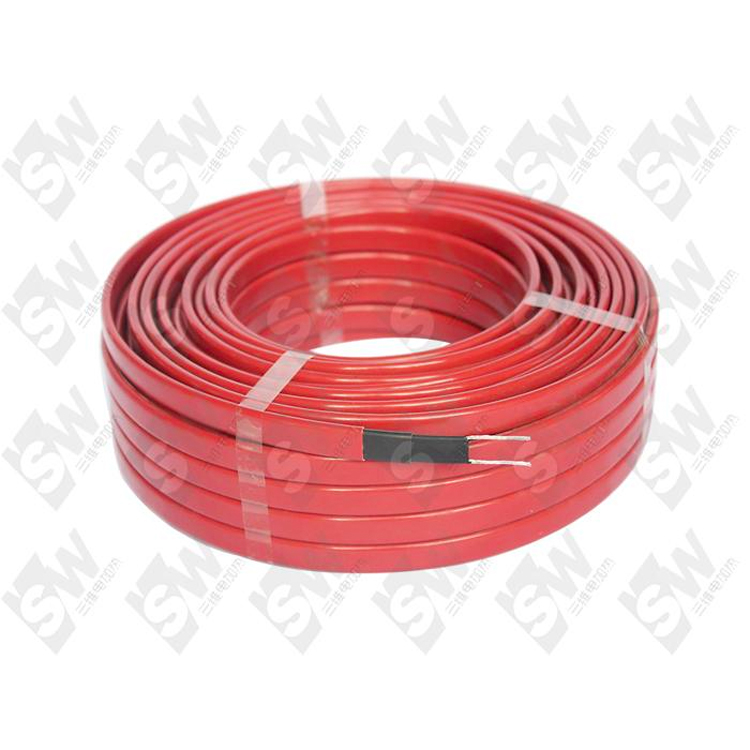
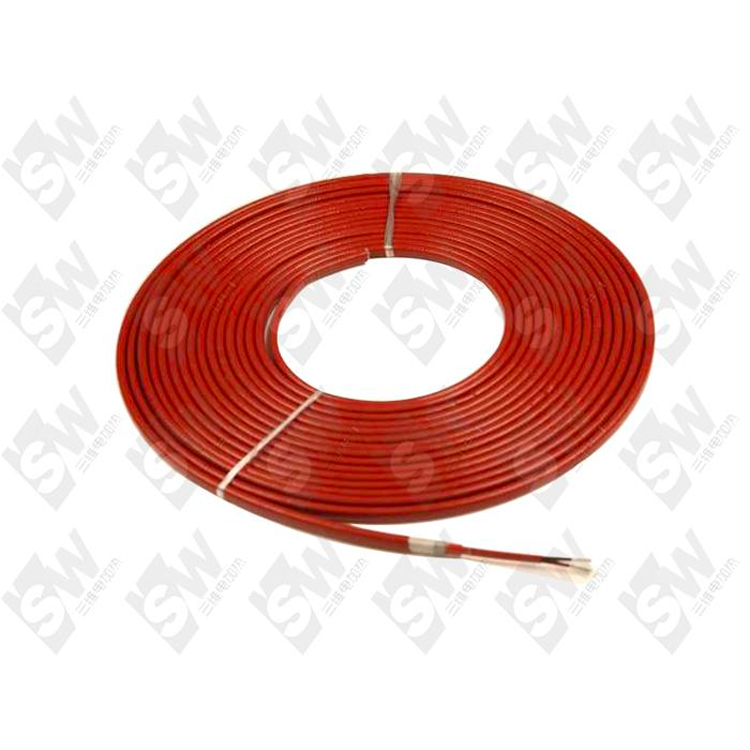
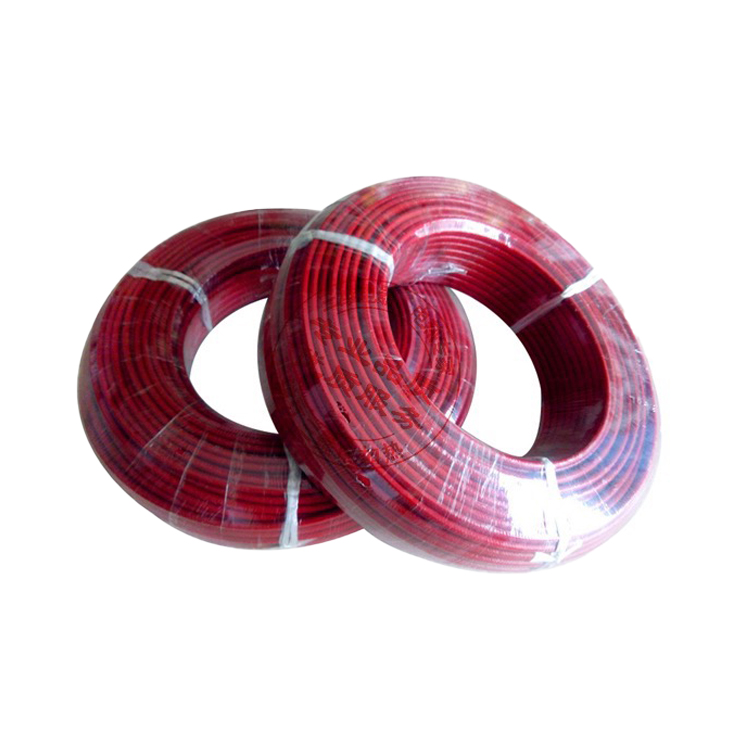
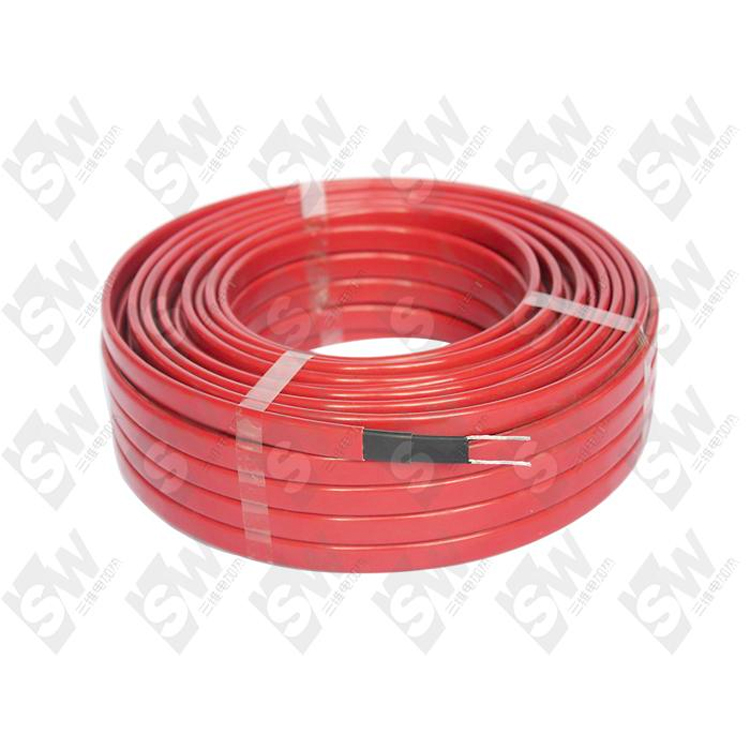
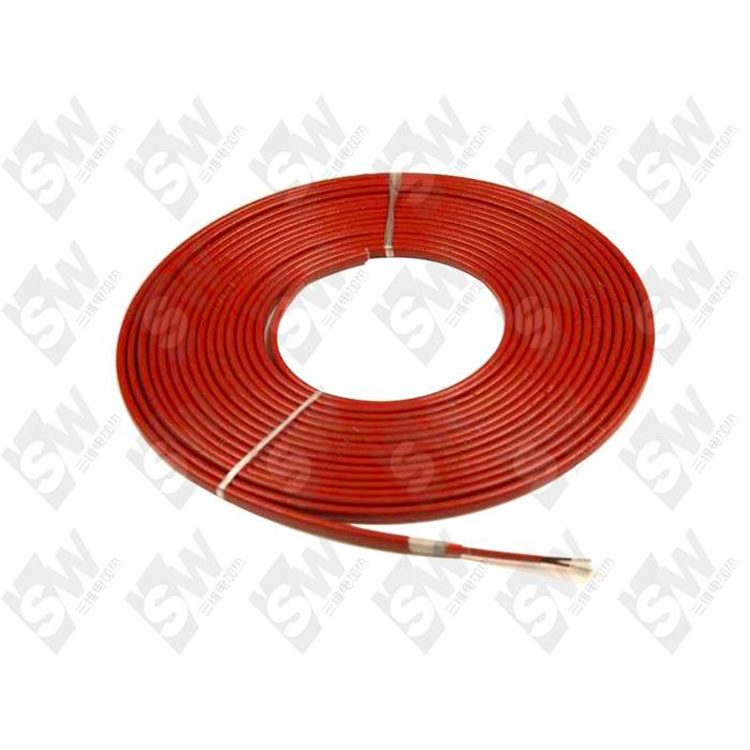
High-temperature electric heat tracing is designed and manufactured to provide high-temperature heating or localized heating for pipes, troughs, valves, and the like. The insulation material employs high-temperature-resistant, waterproof glass fiber and materials with a temperature resistance higher thanF46Our fluoroplastic, maintaining fluid temperature up to180℃~205°F, This product is suitable for explosive gas mixtures in Factory Zones 1 and 2.T3Group venue.
2Product Model
SWX2(Q)--J4--□
□: Nominal Power:W/m)
J4: Insulation Material Code:J4For waterproof glass fiberPFAFluoroplasticJ
QEnhanced type, standard type not specified
2Core wire count2Single-phase220VVoltage
Parallel electric heating tape
3. High-Temperature Electric Trace Heating Model and Specifications
| Product Model | Rated PowerW/m) | Maximum Use Lengthm) | Fluid, High Maintenance (℃) | |
| Standard Type | Enhanced | |||
| SWX2-J4-40 | SWX2(Q)-J4-40 | 40 | 140 | 205 |
| SWX2-J4-60 | SWX2(Q)-J4-60 | 60 | 115 | 180 |
4Handling Precautions
* Rated Voltage:220V
* Normal Insulation Resistance: ≥50MΩ/Km
* Dielectric Strength:~2500V 50HZ/1min
* High-temperature resistance:260℃
5. Electric heating tape application range:
Electric tracing can be widely used for pipe, tank, valve, pump, sump, and other heating, insulation, anti-foaming, and heating applications in industries such as oil, chemical, power, metallurgy, machinery, and pharmaceuticals. Specific locations include:
* Insulation, anti-foaming, and drag reduction for oil pipelines.
* Chemical pipeline, tank, and instrumentation line heating, insulation, and thermal retention.
* Heating and insulation for fuel pipelines in power plants, etc., as well as frost protection for water pipelines.
* Heating and insulation for oil production trees and various oil pipes at oil wellheads.
* Pipe, valve, pump, tank, etc., accessories for heating, anti-coking, and drag reduction for easily liquefied, solidified, crystallizable, and viscous fluids.
* Prevent surface snow accumulation on pipes, containers, etc.
* Process drying or shortening the process cycle.