


 采商通
采商通





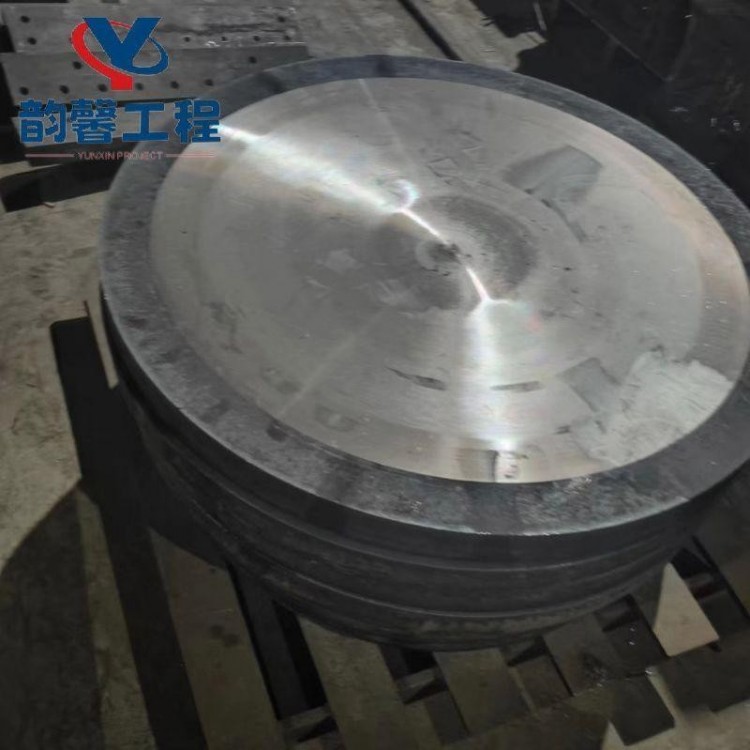
Viscous Damper (VFD)
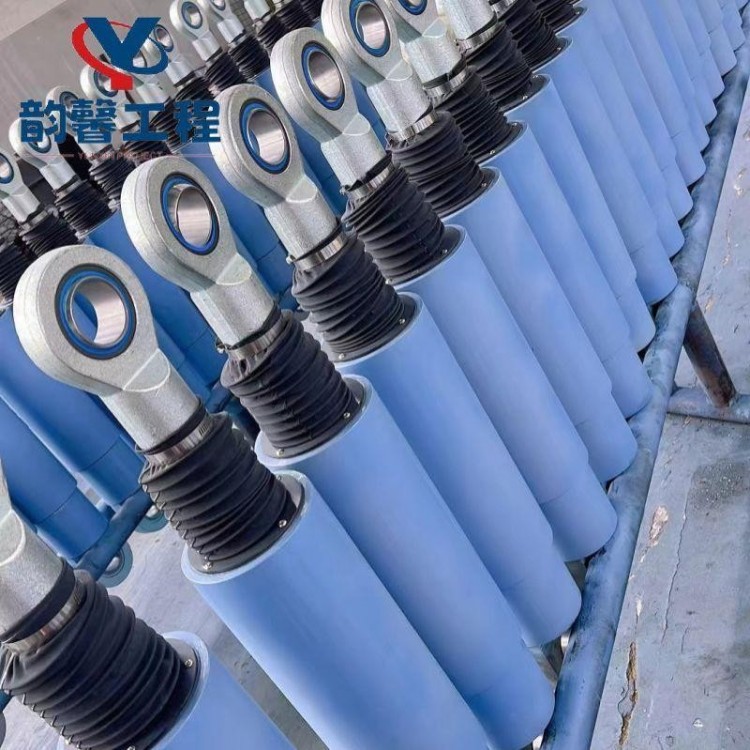
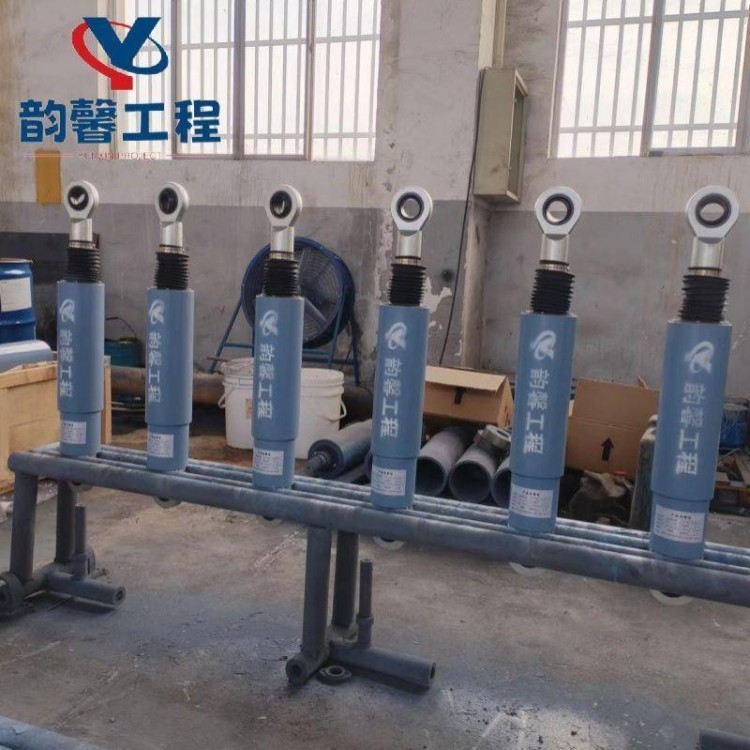
Viscous dampers, as part of the structural protection system, provide a reverse viscous damping force during the relative movement of the structure. The damping force of the viscous dampers originates from the internal interactions within the structure, including:
① The interaction between the damping medium and the piston.
② The interaction between the damping medium and the oil cylinder.
③Interactions between media.
④ The interaction between the piston rod and the sealing components.
This force opposite to the direction of the piston's motion is called damping force. During the operation of the damper, these interaction processes convert mechanical energy into heat energy and dissipate it.
Hengshui Yunxin Engineering Design Co., Ltd. is committed to the technical development of the third-generation viscous fluid damper. Based on understanding and mastering the technological development of products domestically and internationally, we have developed a new generation of viscous fluid damper products with consideration for process and heat dissipation, and have applied for national patents.
2. The third-generation sticky fluid damper can be defined as:
① Utilizes low-viscosity methyl silicone oil as the medium.
② The hysteresis curve is full, and the energy consumption mechanism meets the nonlinear N-S equation.
③ High-efficiency, long-life sealing system
④ Low-speed friction damping is low, less than 10% of the rated load.
⑤ Long lifespan, oil-tight, stable performance, reusable, with both shock and wind resistance.
3. Damper外形及几何尺寸:


Table 1: Damper外形Parameters:
Serial Number | Rated Load (kN) | Shaft diameter D (mm) | Outer Diameter D (mm) | Travel Distance S (mm) | Sales Distance L (mm) |
1 | 30 | 20 | 60 | ±600 | Custom design as per customer's installation requirements |
2 | 60 | 25 | 83 | ||
3 | 100 | 35 | 102 | ||
4 | 160 | 40 | 127 | ||
5 | 250 | 50 | 152 | ||
6 | 400 | 60 | 194 | ||
7 | 650 | 80 | 245 | ||
8 | 1000 | 100 | 325 | ||
9 | 1800 | 140 | 402 | ||
10 | 2400 | 160 | 450 | ||
11 | 3000 | 180 | 500 | ||
12 | 3500 | 200 | 554 | ||
13 | 4000 | 220 | 610 |
4. Selection Parameters
F=CVα
In the formula: F represents the maximum damping force, C is the damping coefficient, V is the design speed, and α is the speed exponent.
Rated Load (kN) | C damping coefficient (kN·(s/mm)α) | Speed Index | V design speed (mm/s) | Note |
200 | 70 | 0.15 | 1000 | Seismic-resistant |
200 | 85 | 0.15 | 300 | Seismic-resistant |
200 | 100 | 0.15 | 100 | Seismic-resistant |
200 | 50 | 0.2 | 1000 | Seismic-resistant |
200 | 65 | 0.2 | 300 | Seismic-resistant |
200 | 80 | 0.2 | 100 | Seismic-resistant |
200 | 25 | 0.3 | 1000 | Seismic-resistant |
200 | 35 | 0.3 | 300 | Seismic-resistant |
200 | 50 | 0.3 | 100 | Seismic-resistant |
200 | 6 | 0.5 | 1000 | Seismic-resistant, wind-resistant, bridge |
500 | 125 | 0.2 | 1000 | Seismic-resistant |
500 | 160 | 0.2 | 300 | Seismic-resistant |
500 | 200 | 0.2 | 100 | Seismic-resistant |
500 | 65 | 0.3 | 1000 | Seismic-resistant |
500 | 90 | 0.3 | 300 | Seismic-resistant |
500 | 125 | 0.3 | 100 | Seismic-resistant |
500 | 32 | 0.4 | 1000 | Seismic-resistant, wind-resistant, bridge |
500 | 51 | 0.4 | 300 | Seismic-resistant, wind-resistant, bridge |
500 | 80 | 0.4 | 100 | Seismic-resistant, wind-resistant, bridge |
500 | 0.5 | 1 | 1000 | Seismic-resistant, wind-resistant, bridge |
800 | 200 | 0.2 | 1000 | Seismic-resistant |
800 | 255 | 0.2 | 300 | Seismic-resistant |
800 | 320 | 0.2 | 100 | Seismic-resistant |
800 | 100 | 0.3 | 1000 | Seismic-resistant |
800 | 145 | 0.3 | 300 | Seismic-resistant |
800 | 200 | 0.3 | 100 | Seismic-resistant |
800 | 0.8 | 1 | 1000 | Seismic-resistant, wind-resistant, bridge |
1000 | 250 | 0.2 | 1000 | Seismic-resistant |
1000 | 320 | 0.2 | 300 | Seismic-resistant |
1000 | 400 | 0.2 | 100 | Seismic-resistant |
1000 | 125 | 0.3 | 1000 | Seismic-resistant |
1000 | 180 | 0.3 | 300 | Seismic-resistant |
1000 | 250 | 0.3 | 100 | Seismic-resistant |
1000 | 63 | 0.4 | 1000 | Seismic-resistant, wind-resistant, bridge |
1000 | 100 | 0.4 | 300 | Seismic-resistant, wind-resistant, bridge |
1000 | 160 | 0.4 | 100 | Seismic-resistant, wind-resistant, bridge |
1500 | 190 | 0.3 | 1000 | Seismic-resistant |
1500 | 270 | 0.3 | 300 | Seismic-resistant |
1500 | 375 | 0.3 | 100 | Seismic-resistant |
1500 | 47 | 0.5 | 1000 | Seismic-resistant, wind-resistant, bridge |
1500 | 87 | 0.5 | 300 | Seismic-resistant, wind-resistant, bridge |
1500 | 150 | 0.5 | 100 | Seismic-resistant, wind-resistant, bridge |
1500 | 1.5 | 1 | 1000 | Seismic-resistant, wind-resistant, bridge |
2000 | 250 | 0.3 | 1000 | Seismic-resistant |
2000 | 360 | 0.3 | 300 | Seismic-resistant |
2000 | 500 | 0.3 | 100 | Seismic-resistant |
2000 | 127 | 0.4 | 1000 | Seismic-resistant, wind-resistant, bridge |
2000 | 205 | 0.4 | 300 | Seismic-resistant, wind-resistant, bridge |
2000 | 315 | 0.4 | 100 | Seismic-resistant, wind-resistant, bridge |
2000 | 63 | 0.5 | 1000 | Seismic-resistant, wind-resistant, bridge |
2000 | 2 | 1 | 1000 | Seismic-resistant, wind-resistant, bridge |
2500 | 315 | 0.3 | 1000 | Seismic-resistant |
2500 | 450 | 0.3 | 300 | Seismic-resistant |
2500 | 630 | 0.3 | 100 | Seismic-resistant |
2500 | 160 | 0.4 | 1000 | Seismic-resistant, wind-resistant, bridge |
2500 | 255 | 0.4 | 300 | Seismic-resistant, wind-resistant, bridge |
2500 | 396 | 0.4 | 100 | Seismic-resistant, wind-resistant, bridge |
2500 | 80 | 0.5 | 1000 | Seismic-resistant, wind-resistant, bridge |
2500 | 145 | 0.5 | 300 | Seismic-resistant, wind-resistant, bridge |
2500 | 250 | 0.5 | 100 | Seismic-resistant, wind-resistant, bridge |
2500 | 2.5 | 1 | 1000 | Seismic-resistant, wind-resistant, bridge |
3000 | 750 | 0.2 | 1000 | Seismic-resistant |
3000 | 960 | 0.2 | 300 | Seismic-resistant |
3000 | 1200 | 0.2 | 100 | Seismic-resistant |
3000 | 380 | 0.3 | 1000 | Seismic-resistant |
3000 | 540 | 0.3 | 300 | Seismic-resistant |
3000 | 750 | 0.3 | 100 | Seismic-resistant |
3000 | 95 | 0.5 | 1000 | Seismic-resistant, wind-resistant, bridge |
3000 | 3 | 1 | 1000 | Seismic-resistant, wind-resistant, bridge |
4000 | 505 | 0.3 | 1000 | Seismic-resistant |
4000 | 720 | 0.3 | 300 | Seismic-resistant |
4000 | 1005 | 0.3 | 100 | Seismic-resistant |
4000 | 125 | 0.5 | 1000 | Seismic-resistant, wind-resistant, bridge |
4000 | 4 | 1 | 1000 | Seismic-resistant, wind-resistant, bridge |
5. Typical Performance Curve

Material Constitution Relationship (FV)

Highest damping force hysteresis curve

Fatigue Performance Test Curve for 30 Cycles


Frequency Correlation 0.7f, 1.0f, 1.3f
6. Typical Installation Methods for Buildings


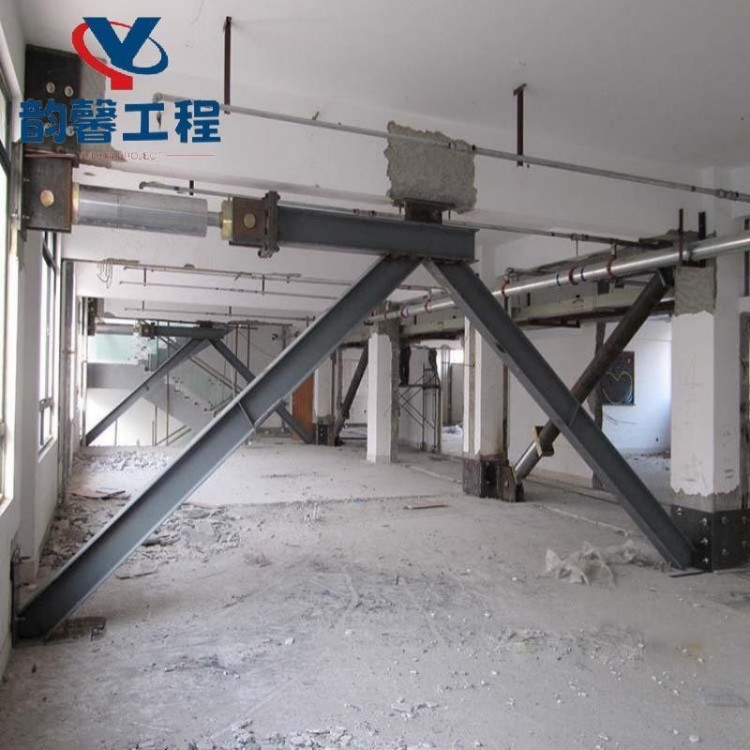
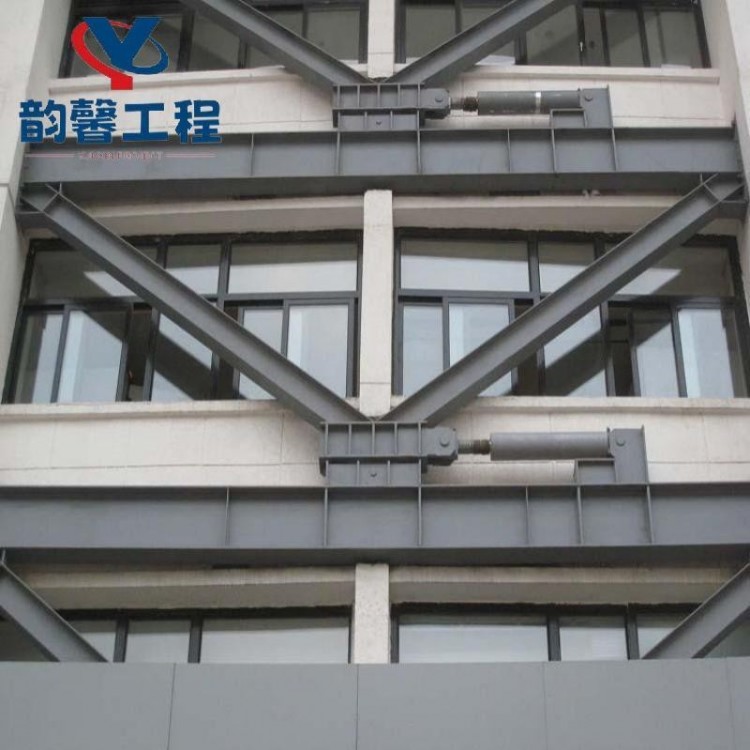
Un-damped Building Damper Inclined Brace Damper Person Brace


Damping Braces, Damping Shear Wall, Damping Lasso
7. Typical Bridge Installation Method


Bridge Pile and Bridge Damper Tension Rod Damper
8. Factory Inspection
Viscous fluid damper, in accordance with the requirements of "Building Energy Dissipation Damper" JG/T209-2012, 20% of the damper units of different types, but not less than 2 sets, are subject to third-party testing. Factory shipment requires 100% inspection. The testing content mainly includes:
(1) Ultimate Displacement (F-S)
(2) Regularity (F-V)
(3) Maximum damping force (F-S); additional test items can be added if Party A has special requirements.
9. Shipment Process
The shipping mark must be clearly marked on the packaging prior to shipment, and it should indicate:
(1) Manufacturer's Name, Shipper, Contact Information, and Address
(2) Product Name, Specifications, and Quantity
(3) Total number of cartons (pieces) and carton numbers, bundle numbers;
(4) Consignee, contact person, contact information, and address.
(5) Rainproof, moisture-proof, and handle with care labels. Add lifting signs if necessary.
Note: The above markings should be written neatly and legibly in black ink on the front or side of the wooden crate.
10. Viscous Fluid Damper Installation
The construction of the viscous fluid damper should comply with the current national standards "Safety Technical Code for High-altitude Operations in Construction Engineering" JGJ80-2016 and "Safety Technical Code for the Use of Construction Machinery" GJG33-2012. Considering the characteristics of the construction and installation of the viscous fluid damper, safety measures should be formulated in the construction organization.
11. Entry Inspection
During the incoming inspection of the viscous fluid damper, the product completion documents and factory inspection report should be available. The steel, welding materials, seals, fasteners, and coatings used in the viscous fluid damper should have quality assurance certificates and comply with the design specifications. The manufacturer of the auxiliary supporting components such as supports or connecting parts should provide raw material certificates and product quality assurance certificates.
12. Installation Time
To prevent accidental contact, bumping, or spatter from welding on nearby equipment or structures, the damper installation should be conducted after the surrounding construction work is completed.
13. Installation Steps
Prior to installation, first verify that the installation points, dimensions, node plates, pivot pins, and dampers meet the requirements of the design drawings.
For lighter dampers, first connect the damper, node plate, and pin shaft together. Adjust the node plate to fit the embedded parts and install the damper by using bolts or welding. For heavier dampers, connect the node plate to the embedded parts first, then insert the damper into the center of the node plate and secure it with the pin shaft using bolts or welding.
For those with flanges, the flange end can be secured first, then the pin axis hole is fixed through the pin.
14. Project Acceptance Software Acceptance (Documentation)
Software Acceptance (Documentation):
Damping Tester Type Inspection Report
(2) Corporate Qualifications (Business License, Bank Account Opening Permit, and the Three Standards System, etc.)
(3) Construction personnel qualifications
(4) Construction organization plans, etc.
Hardware Acceptance (Documentation)∶
Damping Device Factory Inspection Report
(2) Third-party testing report for viscous damper
(3) Weld Seam Inspection Report
(4) Project Handover Documents
(5) Damper acceptance report, damper and support installation acceptance report, etc.
15. Inspection and Post-Maintenance of Viscous Fluid Damper
Our provided viscous dampers are lifetime maintenance-free products, in accordance with the requirements of JGJ297-2013 "Technical Code for Energy Dissipation and Vibration Reduction in Buildings."
The inspection of viscous dampers can be categorized into routine inspections and emergency inspections based on the timing of the check, and into visual inspections and sampling inspections based on the inspection method.
Viscous dampers should be regularly inspected based on the design service life and requirements of the design documents. Under normal operating conditions, a visual inspection is generally required every 10 years or during building maintenance; a sampling inspection should be conducted upon reaching the design service life. Sampling inspections should also be carried out after the damper has been affected by disasters such as earthquakes, strong winds, or fires.
During the visual inspection of viscous dampers, observe the appearance, deformation, and other issues of the dampers, supports, and connecting components, etc. Pay attention to the following visual inspection aspects, deformations, and other phenomena of the energy absorber, and handle them promptly, as shown in Table 2.
During the sampling inspection of viscous dampers, typical dampers in service should be extracted from the structure for on-site or laboratory testing of their basic performance. The test content should reflect the potential changes in performance parameters that may occur during use and predict whether the predetermined service life can be achieved.
Table 2: Visual Inspection Content and Maintenance Methods for Dampers
Serial Number | Estimated content | Maintenance Methods |
1 | Surface leakage of medium in the viscous damper | Replace the absorber |
2 | Bolts at the connection of the viscous damper are loose, or there is damage to the weld seam. | Tighten, weld repairs |
3 | Volatile dampers and accessories surface showing dirt, hardening spots, and lumps | Prompt removal |
4 | Surface rust or damage on viscous dampers and accessories, cracks, peeling, flaking, aging, etc. in the anti-corrosion or fire-resistant coating layer | Cleaning, repairing, repainting |
5 | Viscous damper or attachment causing bending or localized deformation | Replace the damper |
6 | There may be obstructions around the viscous damper that could hinder its normal operation. | Promptly remove |