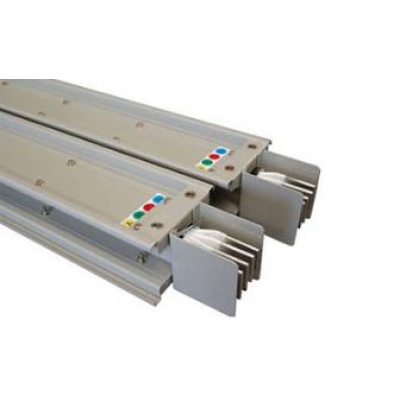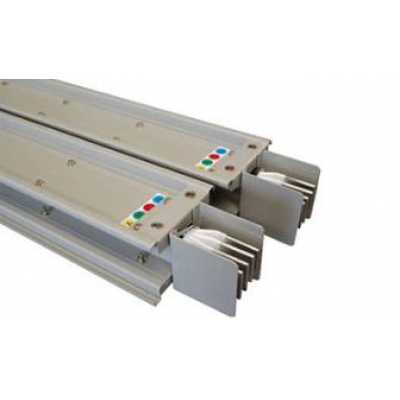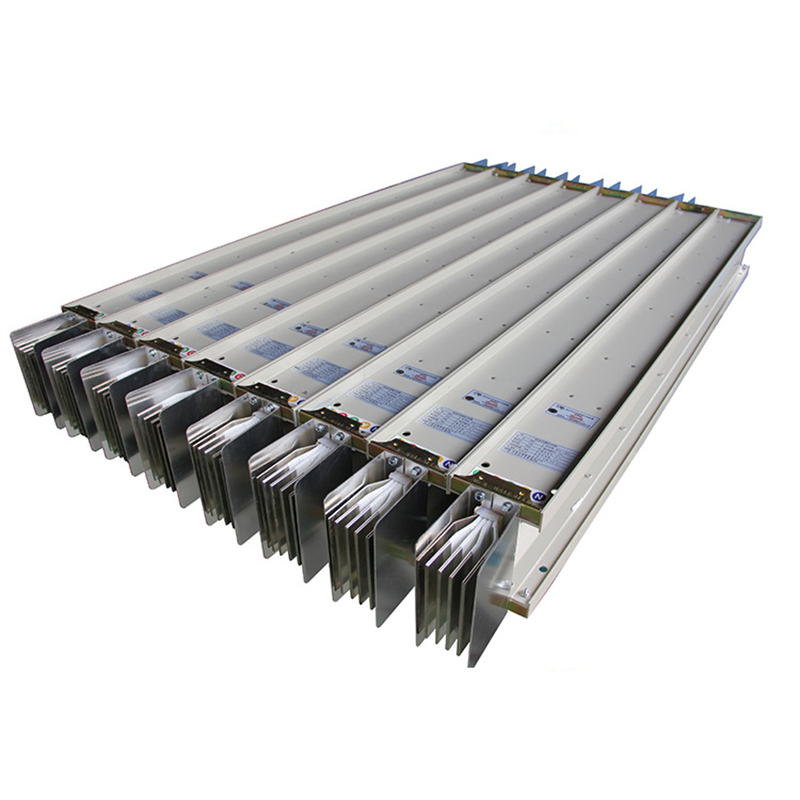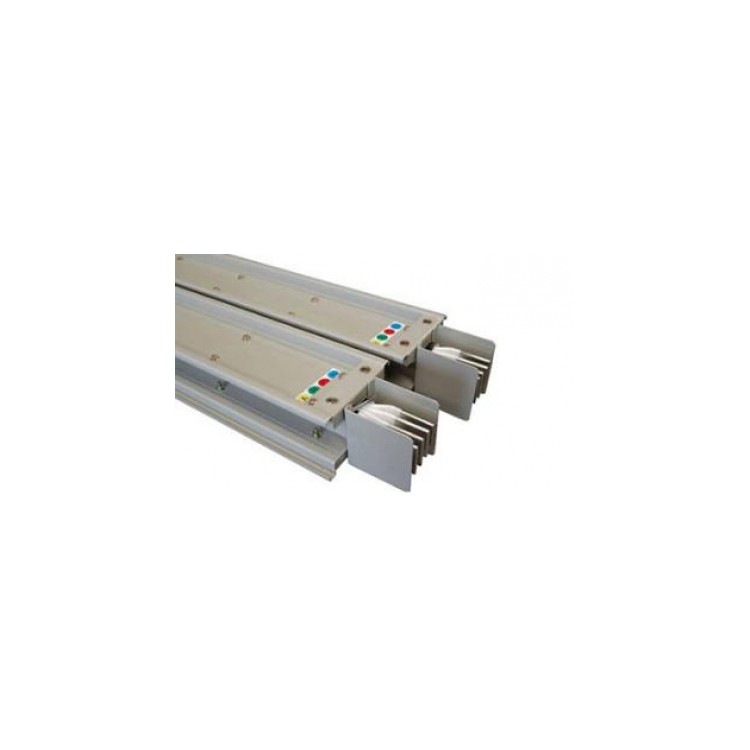

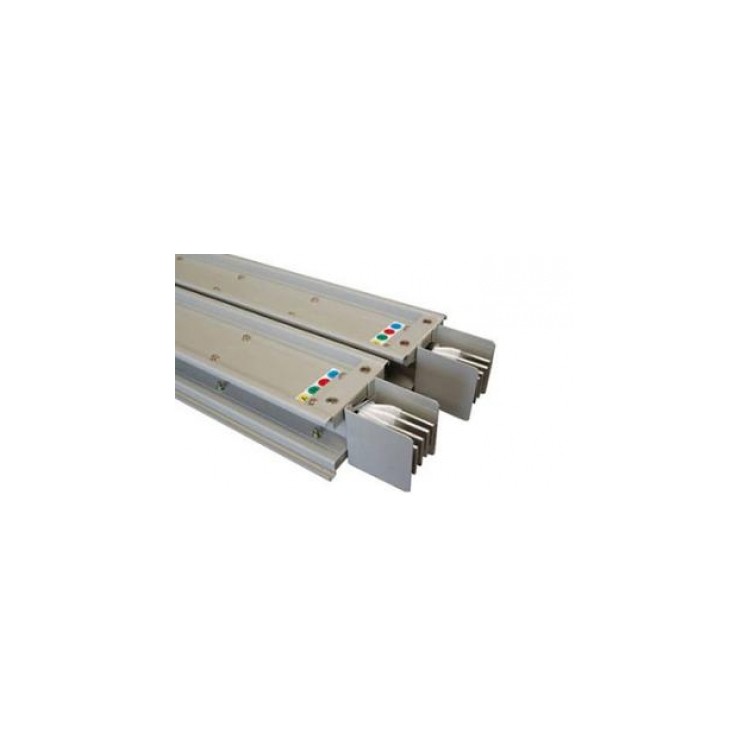
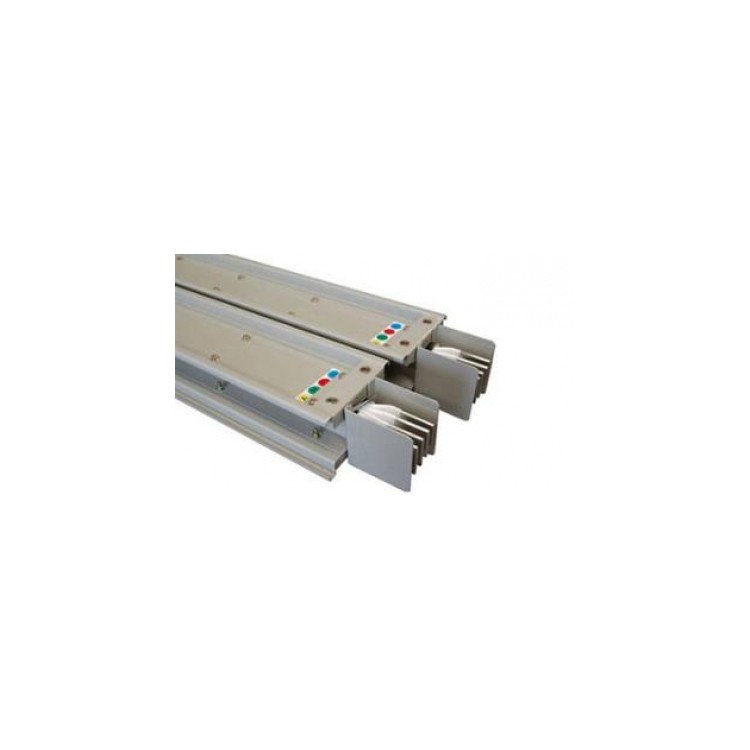
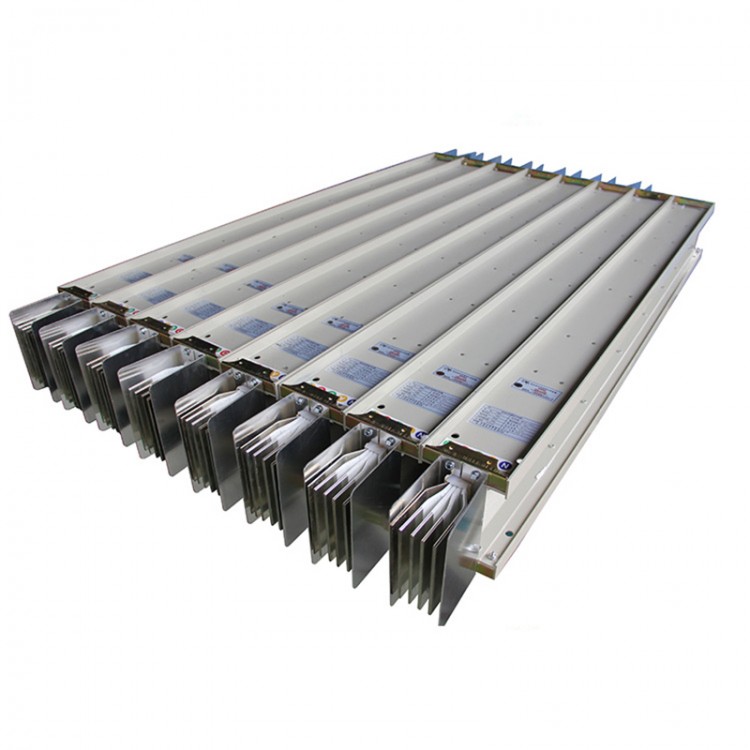











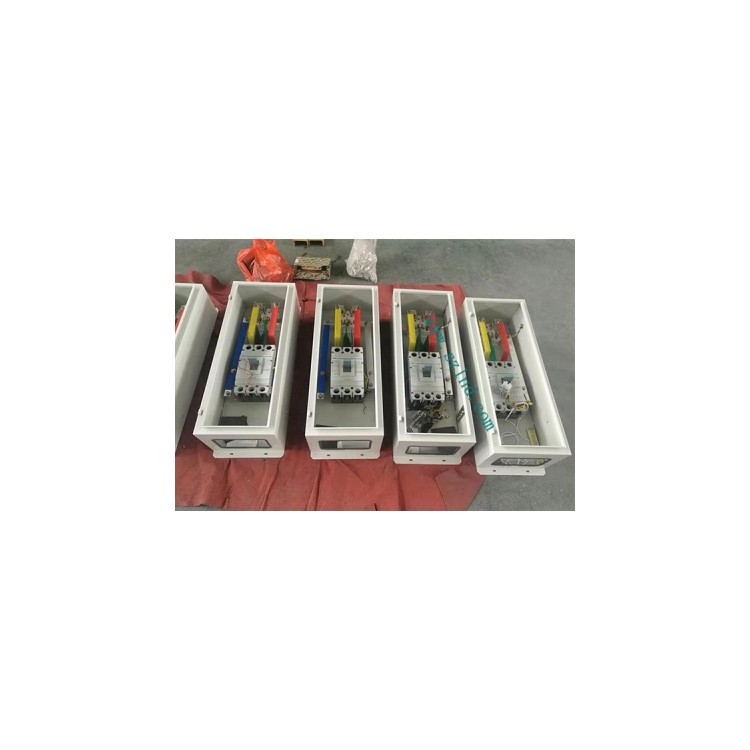
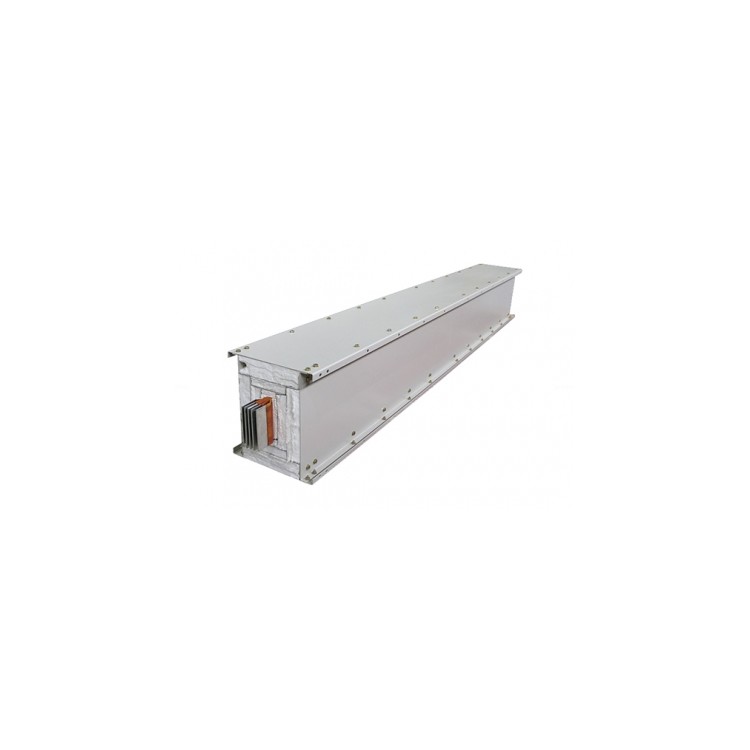
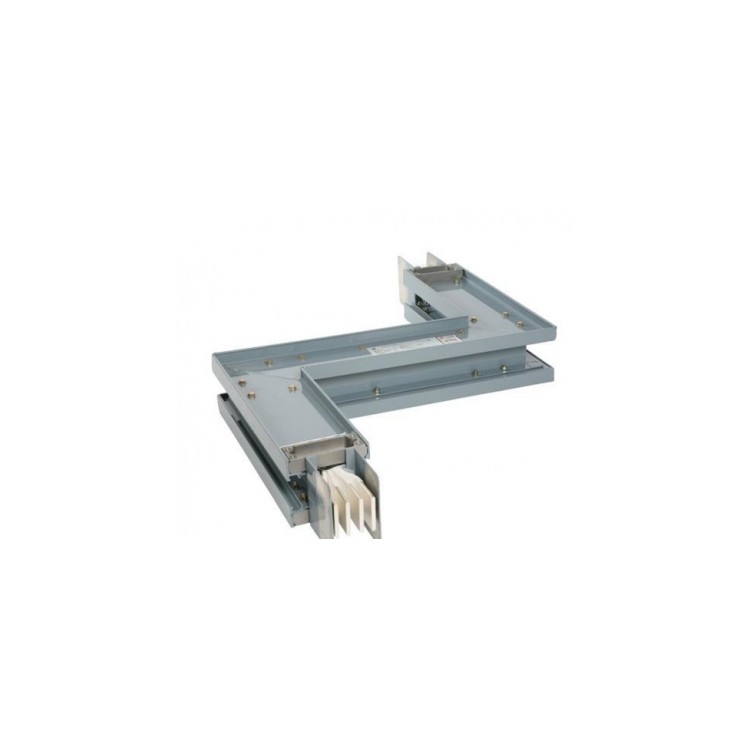
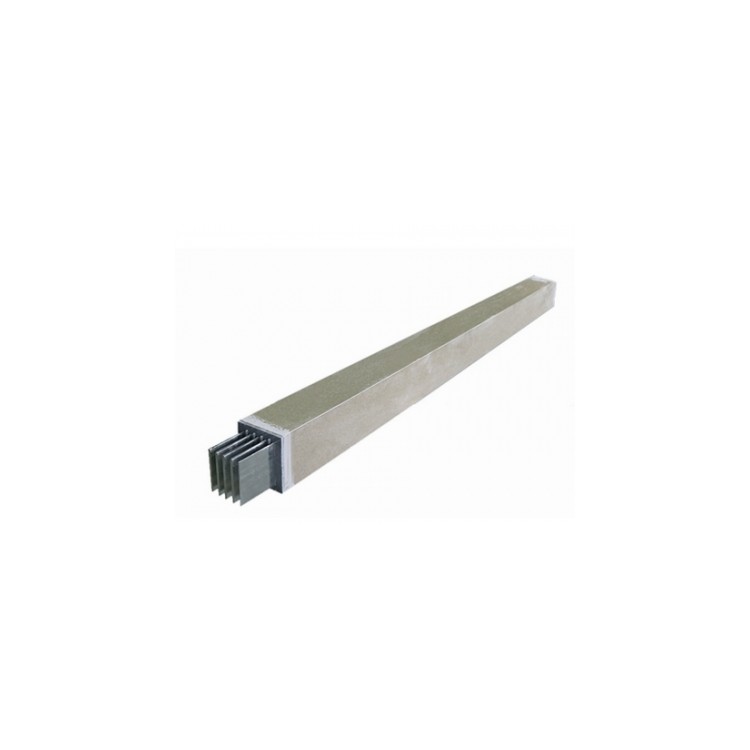
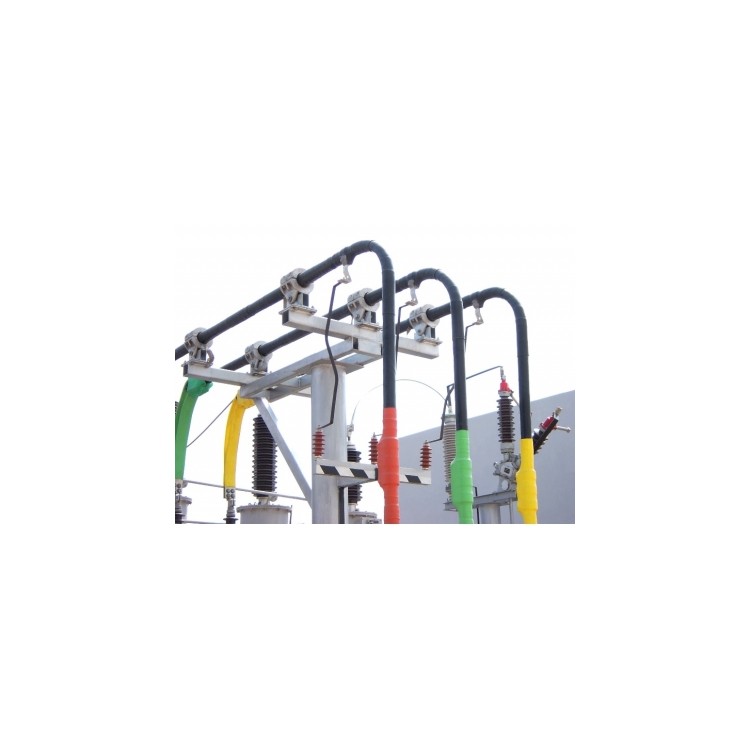
Busway systems (abbreviated as busways) consist of a metal casing (steel or aluminum plate), conductive bars, insulating materials, and relevant accessories to form a busbar system. They can be manufactured as interlocked busways with junction boxes at regular intervals, or as power supply busways without junction boxes in the middle. In the power supply systems of high-rise buildings, power and lighting circuits are often separately installed. The busway acts as the main power line, vertically mounted on the wall inside the electrical shaft, in one or more runs.
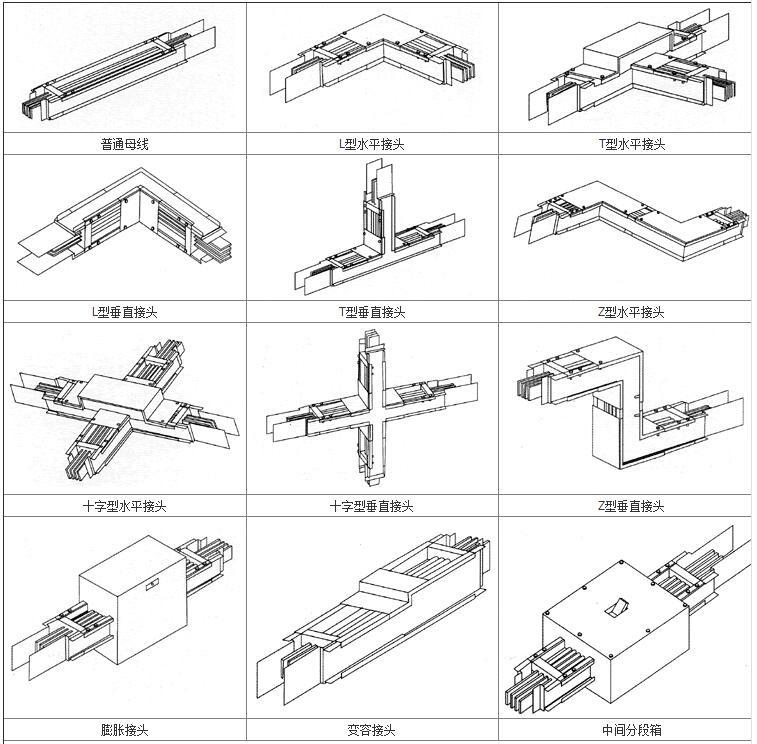
A busway, by application, typically consists of a starting busway, straight-through busways (available with and without plug-in sockets), L-shaped vertical (horizontal) bends, Z-shaped vertical (horizontal) offsets, T-shaped vertical (horizontal) tees, X-shaped vertical (horizontal) quads, variable capacity busway, expansion busway, related accessories, and fastening devices.
Busbars can be divided into three types according to the insulation method: air-insulated busbars, dense-insulated busbars, and high-strength busbars.
High-strength enclosed busway (CFW). Its manufacturing process is not limited by sheet materials. The shell is designed in a tile groove form, enhancing the mechanical strength of the busbars, with horizontal sections that can be produced up to 13 meters in length. The intentional separation and fixation of busbars at the groove positions, with an 18mm spacing between them, ensures good ventilation between the conductors, significantly improving the moisture-proof and heat dissipation functions of the busway, making it more suitable for southern climates. Due to the space between conductors, the temperature rise of the wires is reduced, thereby increasing the overload capacity and reducing magnetic oscillation noise. However, it generates much more stray current and inductance compared to dense busway designs, so when comparing with the same specifications, its conductor cross-sectional area is larger than that of dense insulated busbars.