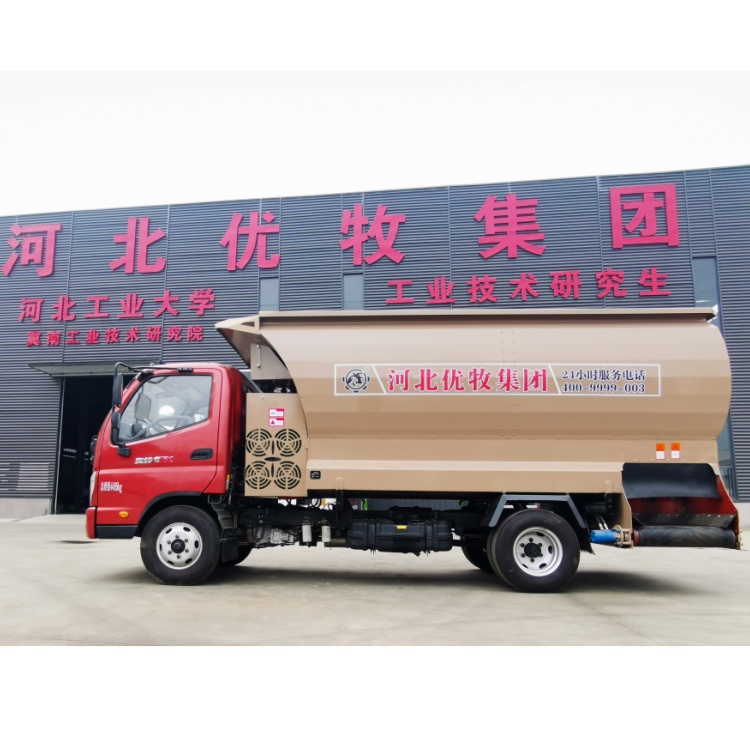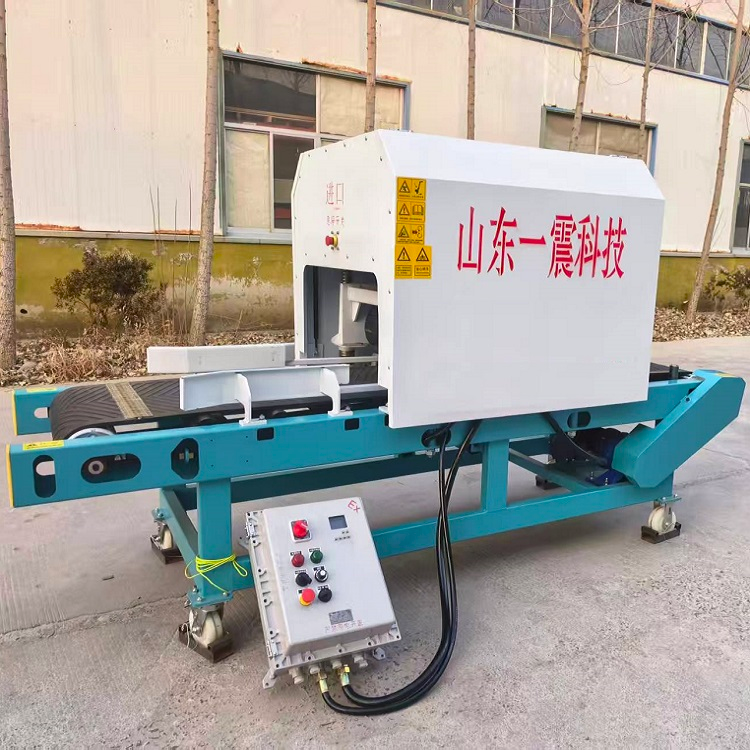


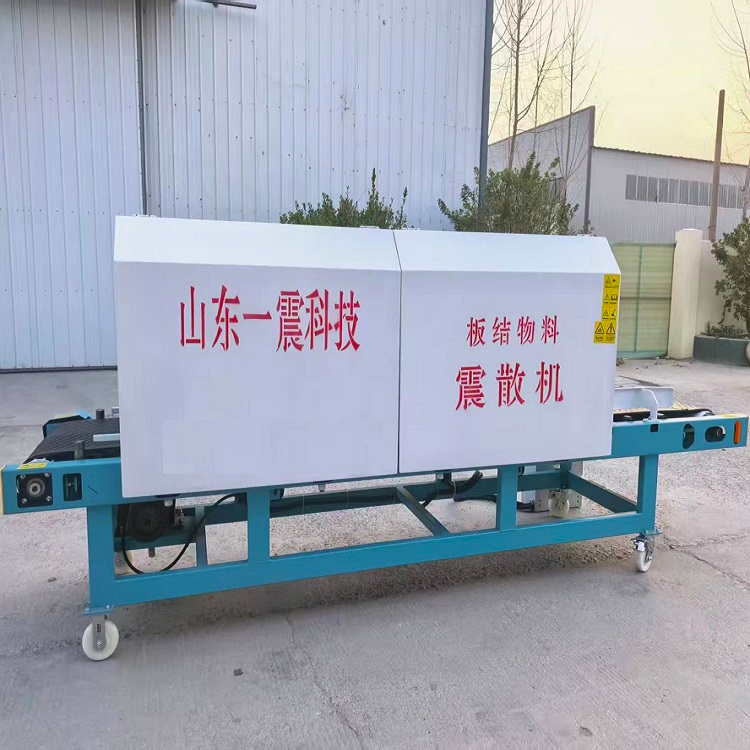
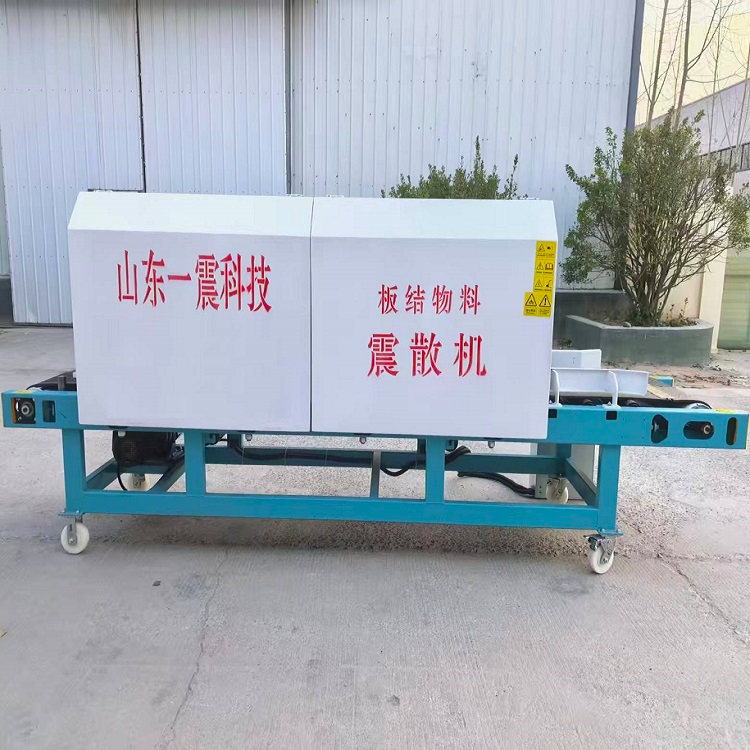
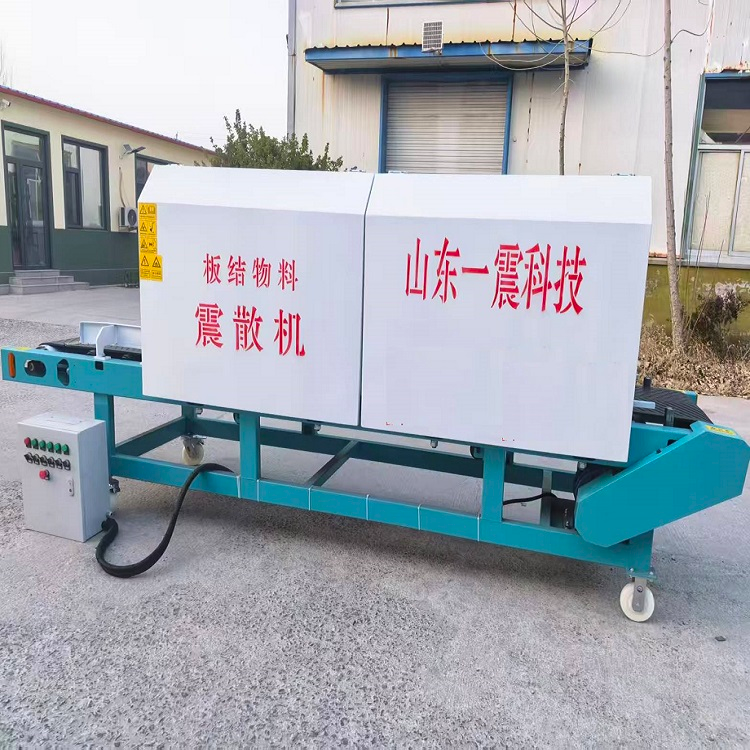
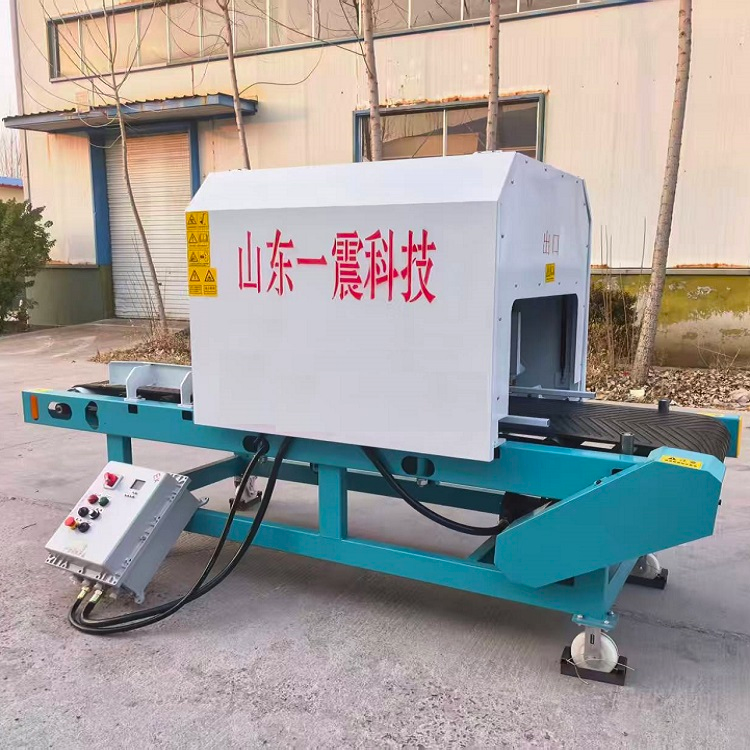
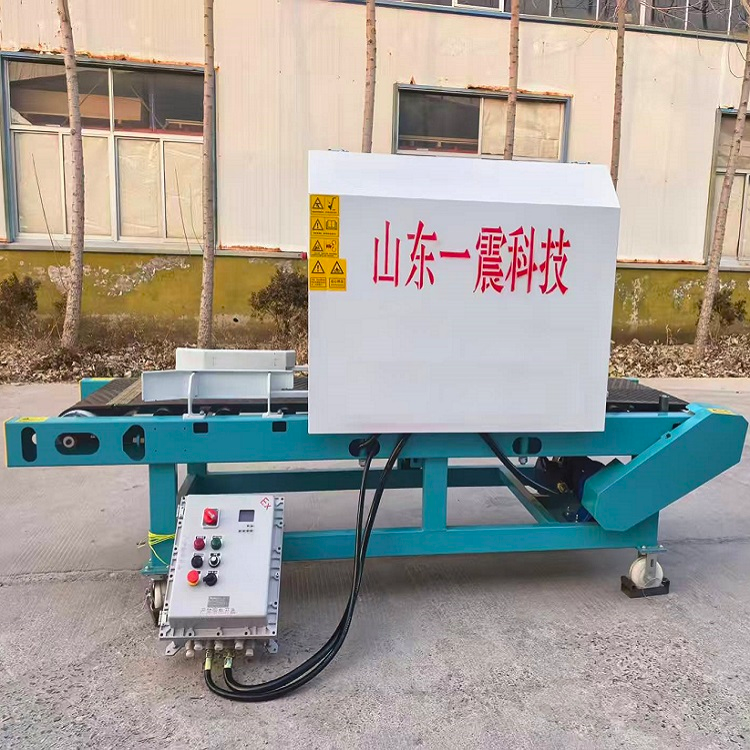







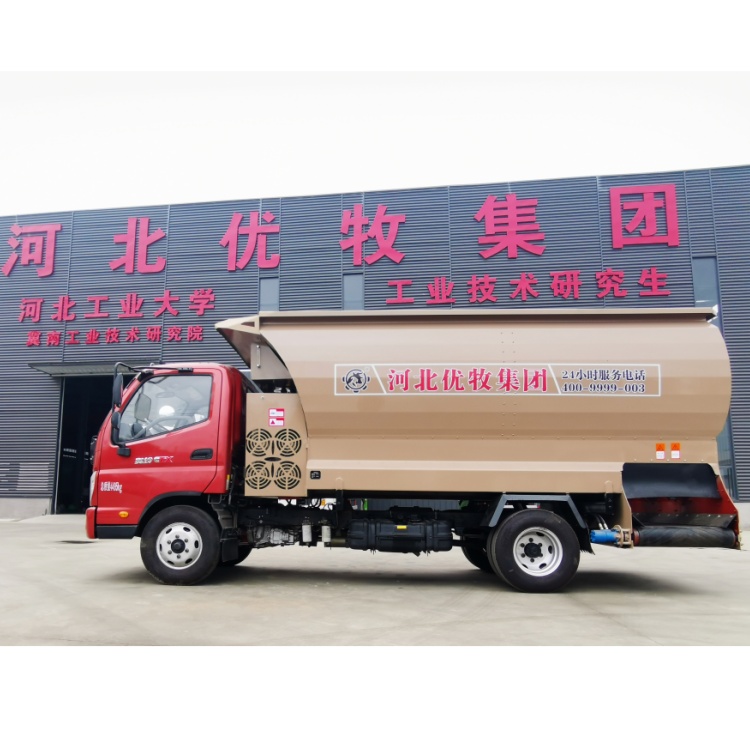
A twin auger feed spreader used in the livestock and poultry farming industry is a fast and automated feeding equipment, primarily used in large-scale farms (such as cattle, sheep, and poultry farms). It can quickly and evenly distribute feed, significantly improving feeding efficiency and reducing labor costs. Below is a detailed introduction to the twin auger feed spreader:
I. Basic Structure and Composition
Material Box
Large capacity for loading mixed feed (such as silage, hay, concentrated feed, etc.).
Material is typically corrosion-resistant steel or fiberglass, suitable for various feed types and humidity environments.
Double Sucker System
Core Components: Consisting of two parallel or vertical arranged spiral conveyors (screw conveyors), which rotate to transport feed from the bottom of the feed bin to the discharge opening.
Function Advantages: The double auger design enhances conveying efficiency and uniformity, preventing clogging or uneven distribution issues that may arise with a single auger.
Power unit
Typically powered by diesel or electric engines, some models are hydraulic-powered.
Electric models are suitable for indoor or short-range operations, while diesel models offer greater power, ideal for large farms or outdoor use.
Control System
Adjustable spreading speed, width, and throw distance.
Some higher models are equipped with an intelligent control panel or remote operation capabilities.
Distributor Unit
A high-speed spinning disk or scatter blade is set at the end of the agitator, which distributes feed uniformly over a fixed area through centrifugal force.
Adjustable spreading range (typically covers a width of 5-15 meters and a distance of 10-30 meters).
Mobile Baseplate
Primarily designed for拖拉机traction or self-propelled operation, suitable for various terrains such as farm surfaces and muddy ground.
Section 2: Working Principle
Feed enters the double-screw system from the bottom of the feed bin, being pushed forward by the rotation of the spiral blades.
Upon reaching the spreading device, the high-speed rotating disk evenly distributes the feed across the feeding area.
By adjusting the auger speed, disc throw speed, or撒播角度, the distribution density and range of feed can be controlled.
III. Core Features and Characteristics
Quick feeding
Single-load feeding can cover large areas, with efficiency 10-20 times that of manual labor, ideal for large-scale farms.
Evenly scattered
The double auger design prevents feed from piling up or being overfed in certain areas, reducing waste and ensuring balanced animal consumption.
Reduce labor costs
Automated operations reduce reliance on manual labor, particularly suitable for pastures facing labor shortages.
Adaptable
Can handle a variety of feed (silage, straw, pellets, etc.), with a wide moisture range.
Flexible Adjustment
Feed rate, spreading width, and direction are adjustable to meet various farming scenarios.
Easy maintenance
Structural modular design, with easy-to-remove and clean key components, reducing the failure rate.
Section 4: Applicable Scenarios
Pasture: Forage silage feeding, TMR (Total Mixed Ration) feeding.
Livestock Farm: Application of roughage such as hay and straw.
Poultry farm: even distribution of granular or powdered feed.
Pasture cleaning: Some models feature reverse rotation for cleaning residual feed.
V. Purchase Recommendations
Select capacity based on farming scale: Small farms can choose 3-5 cubic meters feed bins, while large farms require over 8 cubic meters.
Power Type: Electric for fixed areas, diesel for outdoor or off-grid environments.
Adjustable feature: Prefer models with adjustable撒料 speed and range.
Section 6: Common Questions and Maintenance
Auger Clog: Regularly clean out residual feed to prevent long-term accumulation of moisture-rich material.
Uneven sowing: Check the wear of the spreader disk, adjust the speed, or replace the blades.
Transmission System Issues: Regularly lubricate chains, gears, and other components.
Section 7: Summary
The twin auger feed spreader is a crucial piece of modern livestock farming equipment, significantly enhancing farm management and profitability through automated and efficient feeding methods. For large-scale and intensive farming operations, investing in such equipment can quickly recoup costs, making it an optimal tool for industrial upgrading.