











Section 1: Overview of Diesel Spreader Vehicle
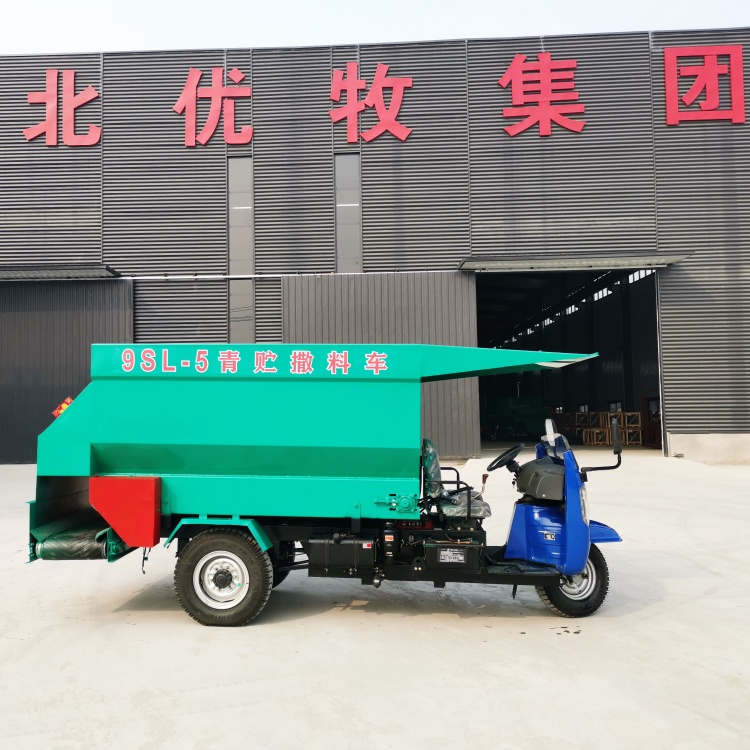
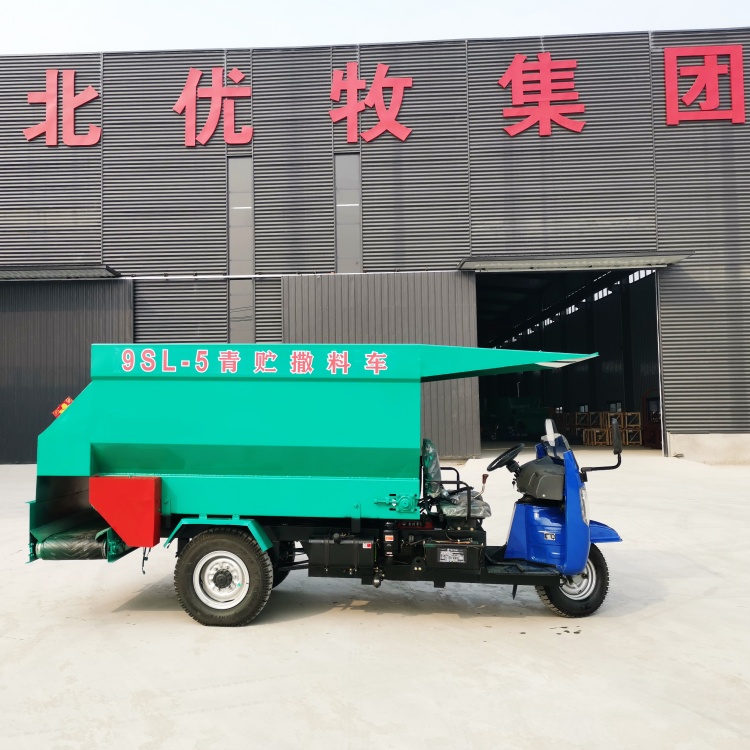
Diesel feed spreaders are specialized vehicles used in the livestock and poultry industry for rapid feed distribution, suitable for pastures, farms, and similar settings. Powered by diesel engines, they feature strong power, heavy load capacity, and adaptability to complex environments, making them particularly ideal for medium to large-scale pastures or operations requiring long-distance, bulk feeding.
Section 2: Core Structure and Working Principle
Diesel Engine
Delivers strong power, suitable for heavy loads, climbing slopes, or muddy terrain operations.
Typically equipped with turbocharging technology, enhancing fuel efficiency and torque output.
Material Box (Feed Storage)
Capacity ranges from 2 to 10 tons, with materials predominantly being corrosion-resistant steel or glass fiber reinforced plastic.
Designed with a funnel shape, equipped with a spiral conveyor or chain scraper at the bottom to ensure uniform feed distribution.
Conveying and Spreading System
Conveying Method: Hydraulically driven auger screw or belt conveyor, pushing feed from the feed bin to the feed outlet.
Fertilizer Spreader:
Rotary Feed Spreader: Sprays feed over a wider range at high speed (coverage width up to 10-20 meters).
Lateral feeding tube: Directional feeding, suitable for narrow passages or fixed areas.
Chassis and Drive System
Four-wheel drive or agricultural tractor chassis, suitable for rugged terrain.
Some models are capable of being towed or self-propelled, offering high flexibility.
Section 3: Key Advantages
Powerful performance
Diesel engines offer high torque, suitable for heavy loads and complex terrains, and are less prone to stalling.
Quick turnaround
Single-load feeding covers a large area, reducing labor handling costs.
Broad adaptability
Cold and heat resistant, suitable for harsh climates (such as northern winters or high-temperature pastures).
Economic
Diesel costs are relatively low and have a longer maintenance cycle.
IV. Typical Application Scenarios
Large-scale ranch
Quick feed for silage, hay, and mixed rations (TMR).
Pastureland
Evenly scatter feed in open pastures or mountainous areas for herds of cattle and sheep.
Silage feeding
When handling high-density silage feed, diesel-powered equipment is effective in dealing with thick materials.
Emergency Material Supply
Under severe weather conditions (such as snowstorms), rely on the stability of diesel vehicles to ensure feed supply.
V. Usage Precautions
Maintenance and Service
Regularly clean feed bins and conveying systems to prevent feed residues from molding.
Inspect diesel filter, hydraulic oil, and transmission component lubrication.
Operation Safety
Avoid sharp turns on inclines to prevent overturning.
Keep away from personnel when spreading the material to prevent injury from the spreading device.
Environmental Requirements
Some countries impose restrictions on diesel vehicle emissions and require compliance with local environmental standards.
Section 6: Purchasing Recommendations
Select as per requirement
Medium to small farms: Choose a compact self-propelled spreader with a load capacity of 2-5 tons, offering versatile operation.
Large Ranches: Pre-selected models over 8 tons, featuring a cabin and air conditioning.
Focus on key configurations
Hydraulic system stability, evenness of material distribution, corrosion resistance of the material bin.
Summary
Diesel spreader trucks, with their reliability, high load capacity, and adaptability to complex environments, have become a core piece of equipment for large-scale livestock farming. Selection should consider the scale of the pasture, terrain conditions, and type of feed, while also keeping an eye on environmental regulations trends. New energy equipment can be paired for cost and efficiency optimization as needed.