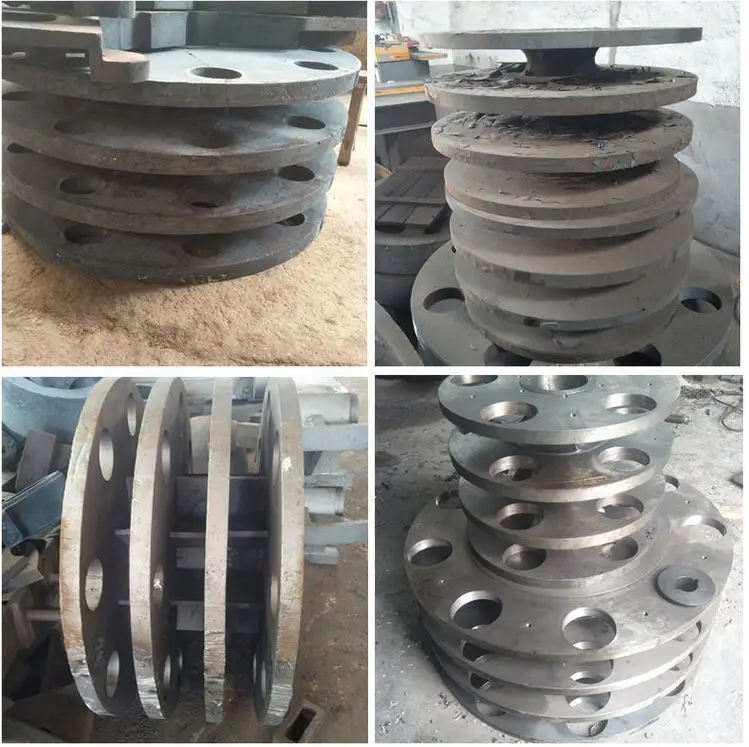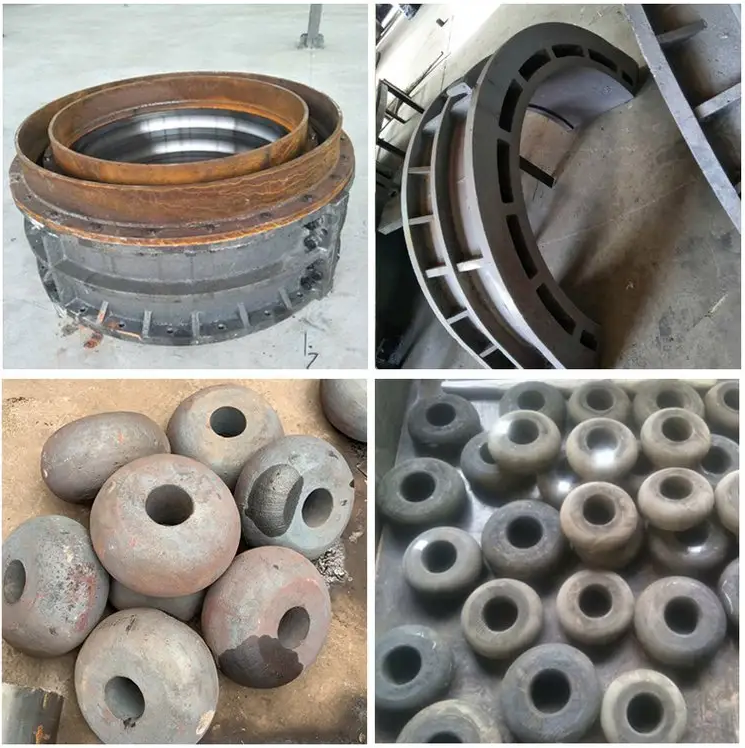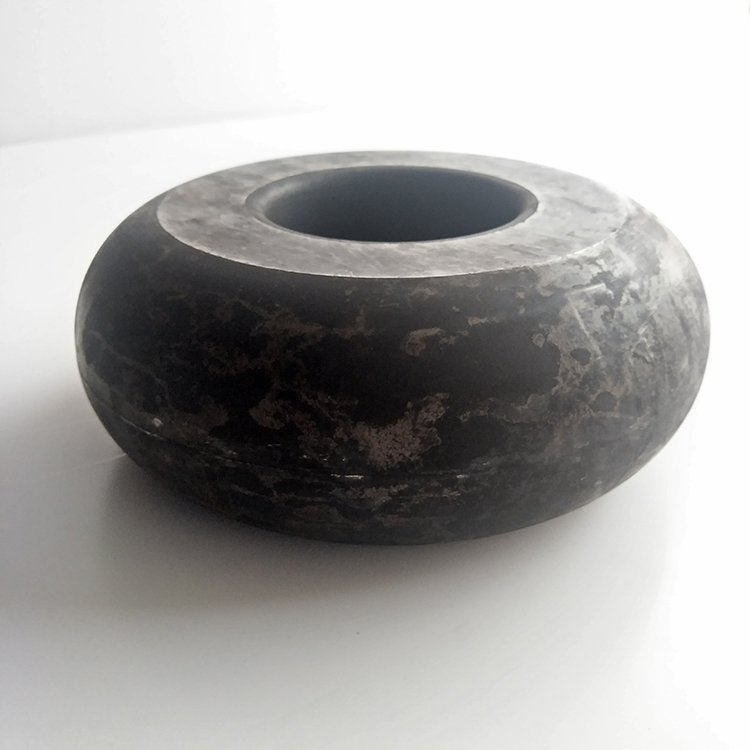

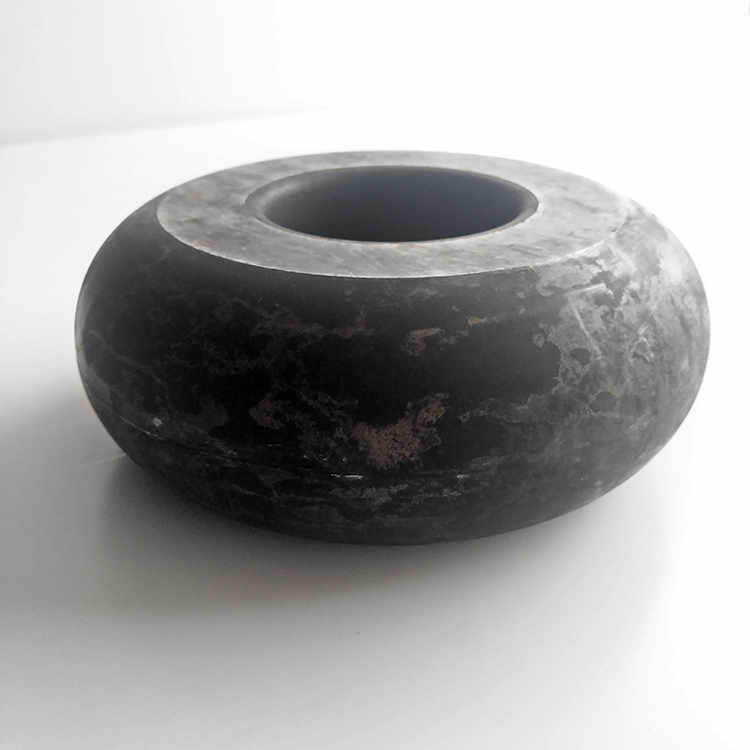
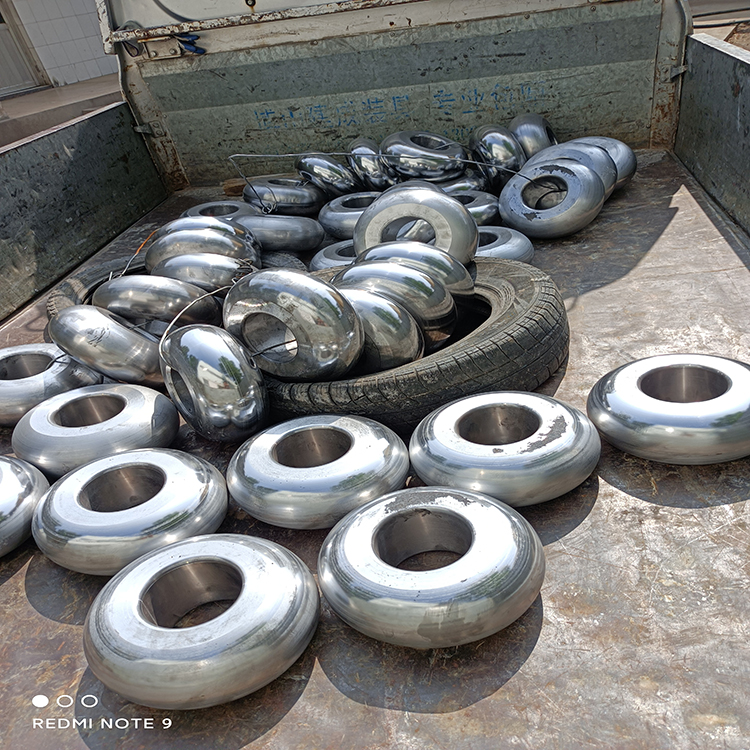
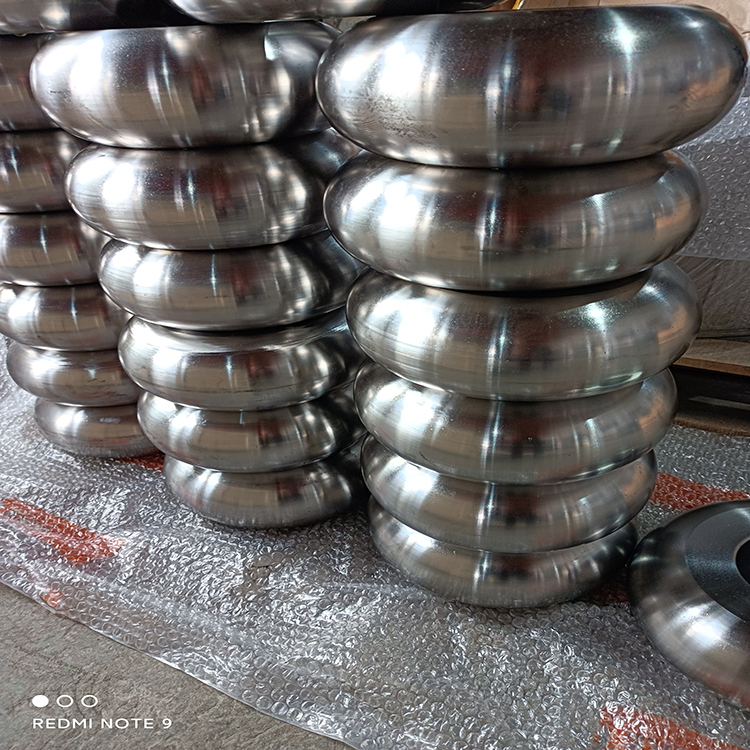










Forged high-chromium alloy steel mill rolls, featuring high density and excellent wear resistance, which is 3-4 times that of casting materials. This helps you save production costs effectively, with maintenance costs reduced by approximately 50%. Gain a competitive edge in the fierce market competition. Due to the numerous models of ultra-fine grinding ring manufacturers, custom orders based on provided drawings or samples are available. Please contact us in advance for required accessories.
We are committed to cooperation with you based on the belief of putting credibility first and quality as the foundation. For details such as specifications and prices, please contact us by phone. Forging vs. Casting: Casting involves melting metal, creating molds, pouring molten metal into the molds, and after solidification, obtaining castings with certain shapes, dimensions, compositions, structures, and properties.
Susong, non-dense; not suitable for critical parts; Forging: A method of processing where billets or ingots are subjected to plastic deformation under the action of forging equipment and tools to achieve certain geometric dimensions, shapes, and qualities of forgings.
Forged materials offer superior mechanical properties over casting, thus forgings are primarily used for parts with high mechanical performance requirements and critical applications. However, forgings have simpler shapes, and for complex-shaped parts, the forging process requires more material, resulting in higher costs. Casting produces castings that closely resemble the part's shape, with less material waste, and is mainly used for parts with simple load conditions, such as gearboxes and undercarriages.