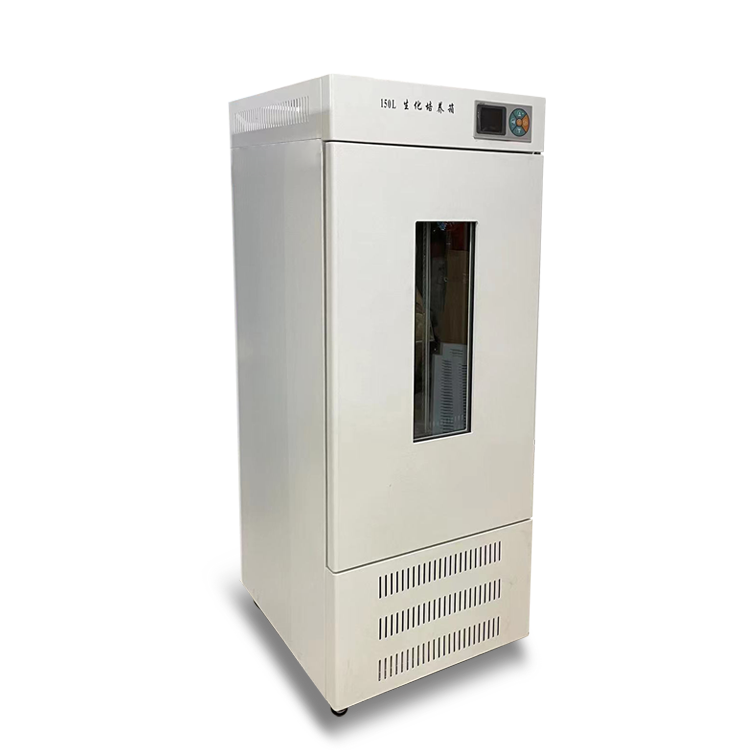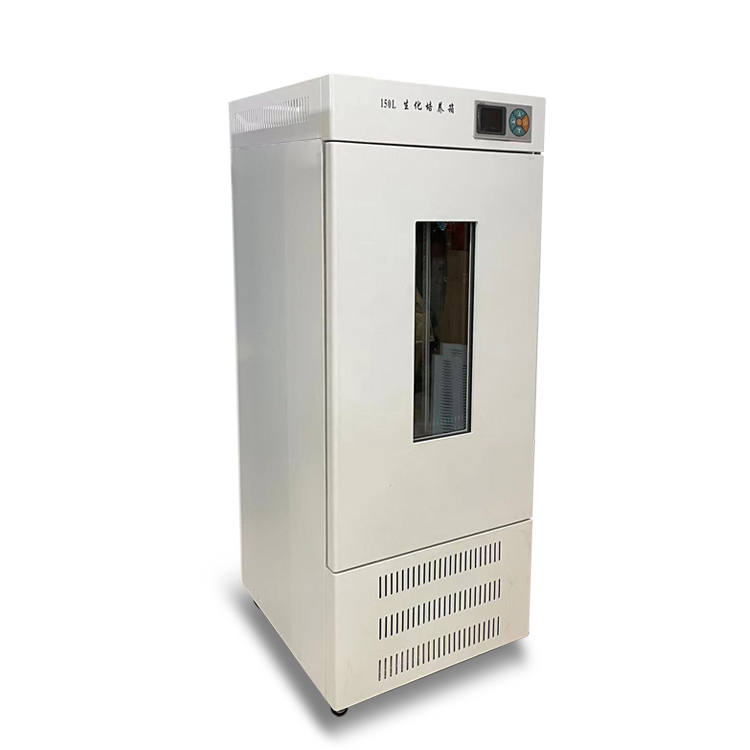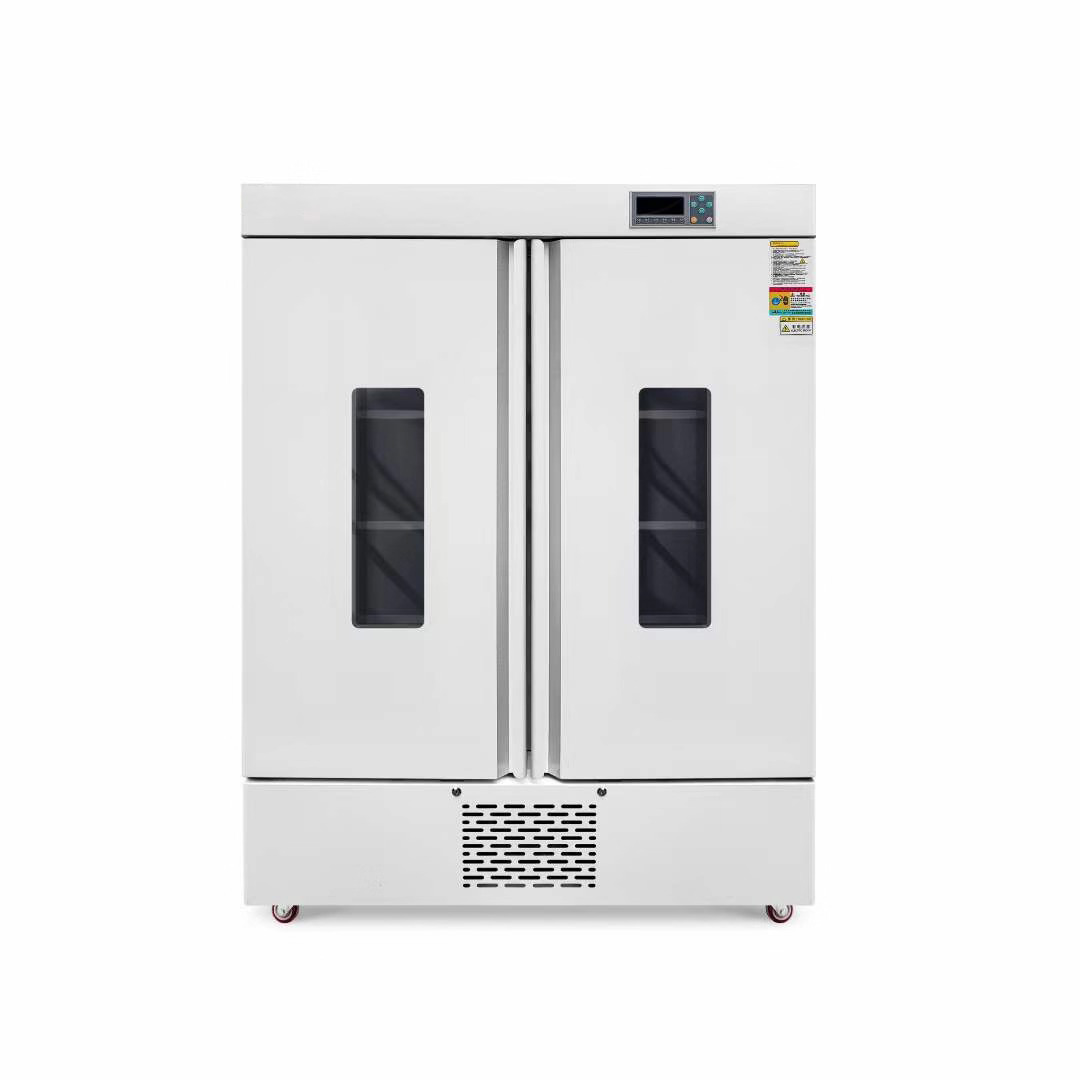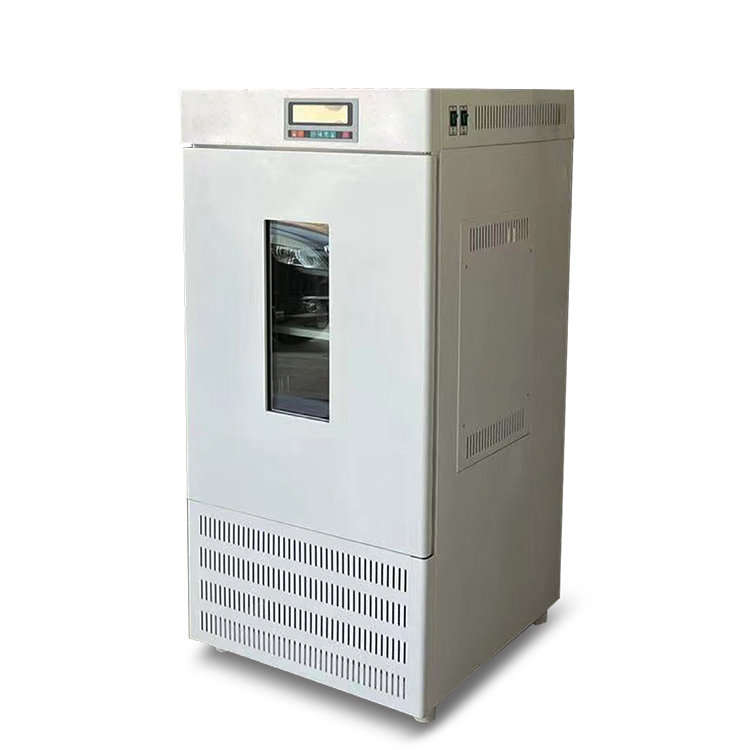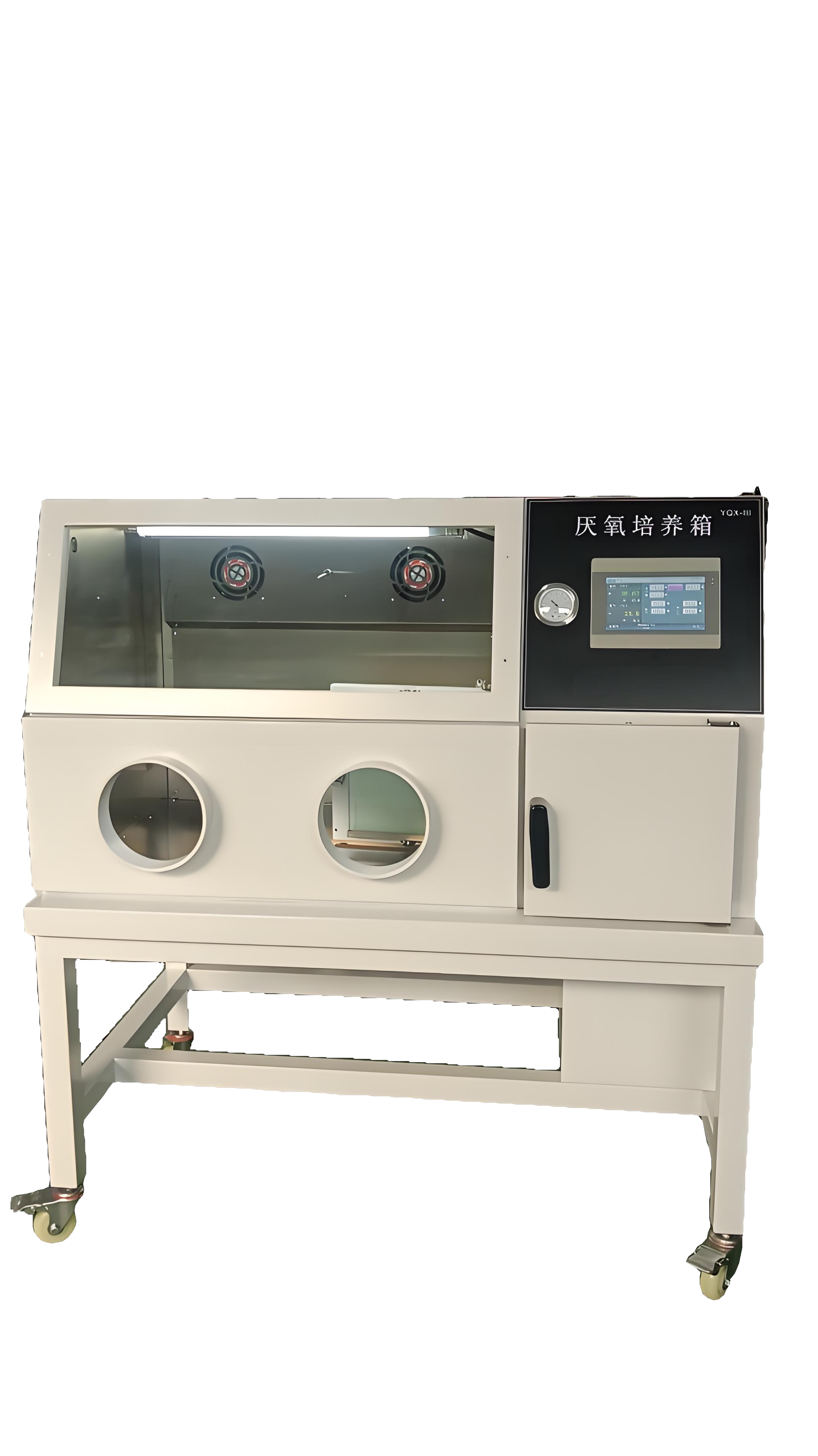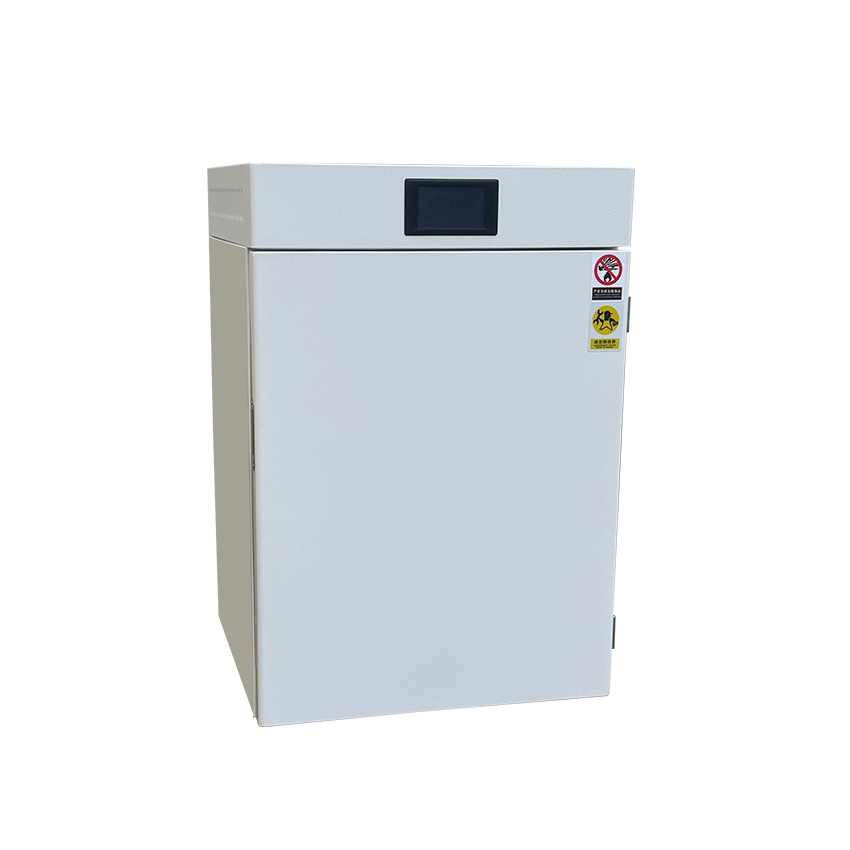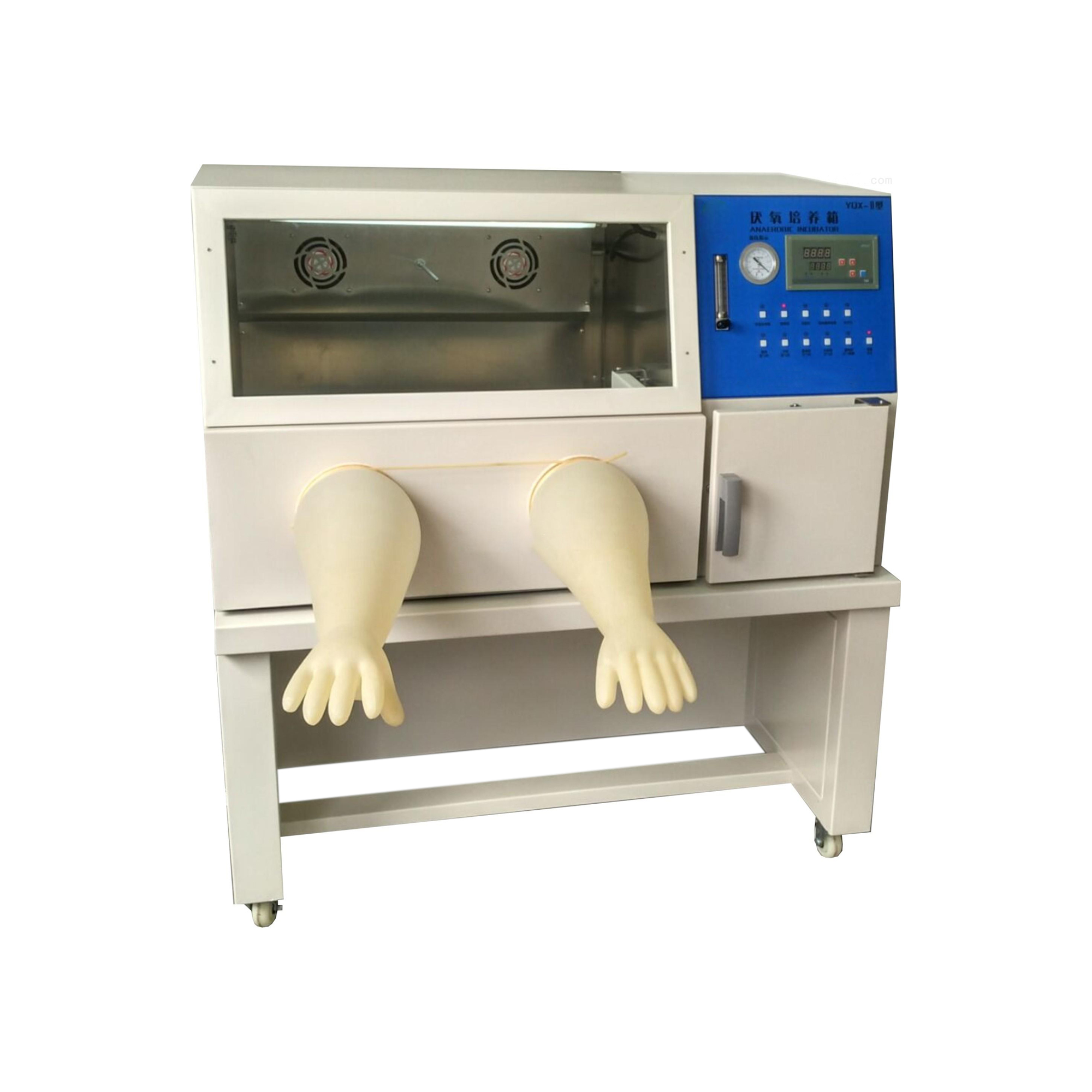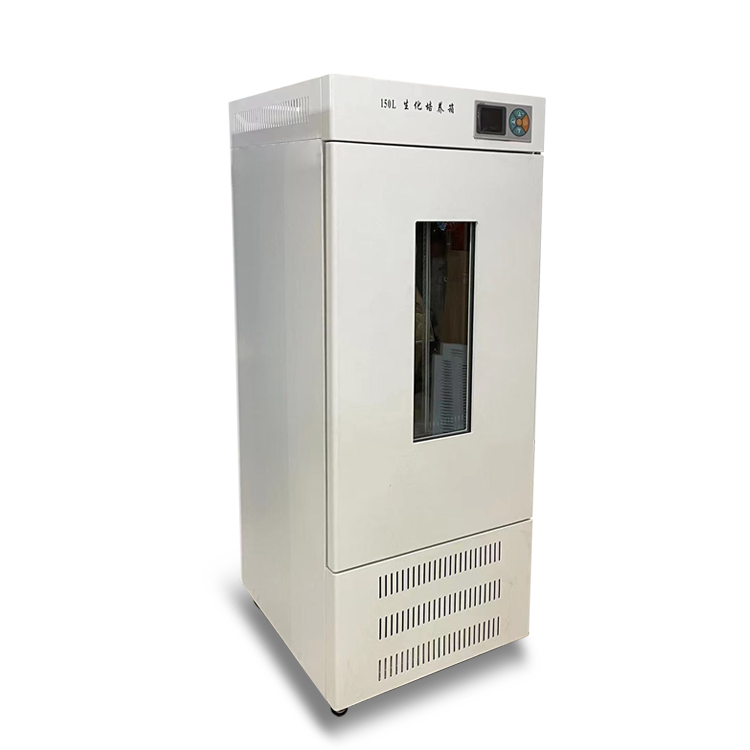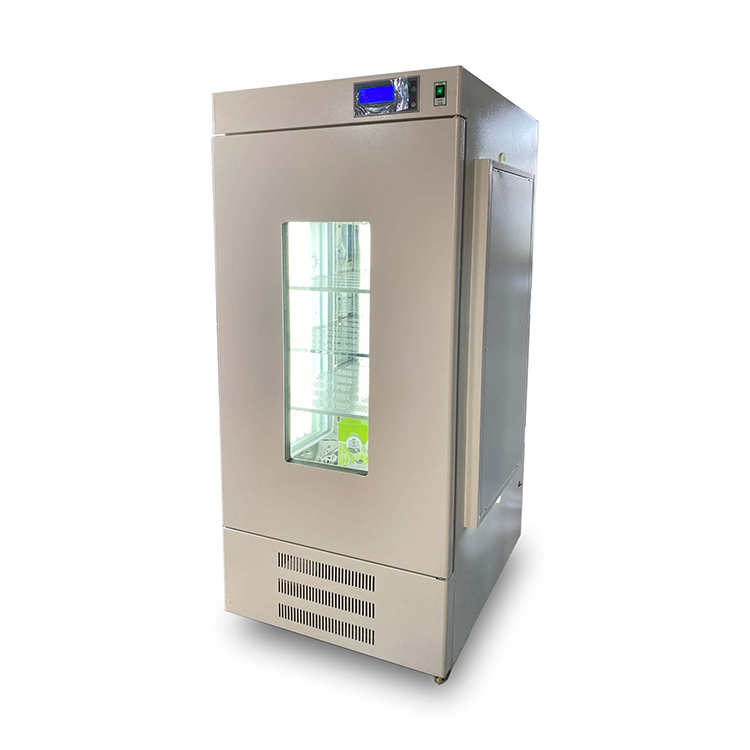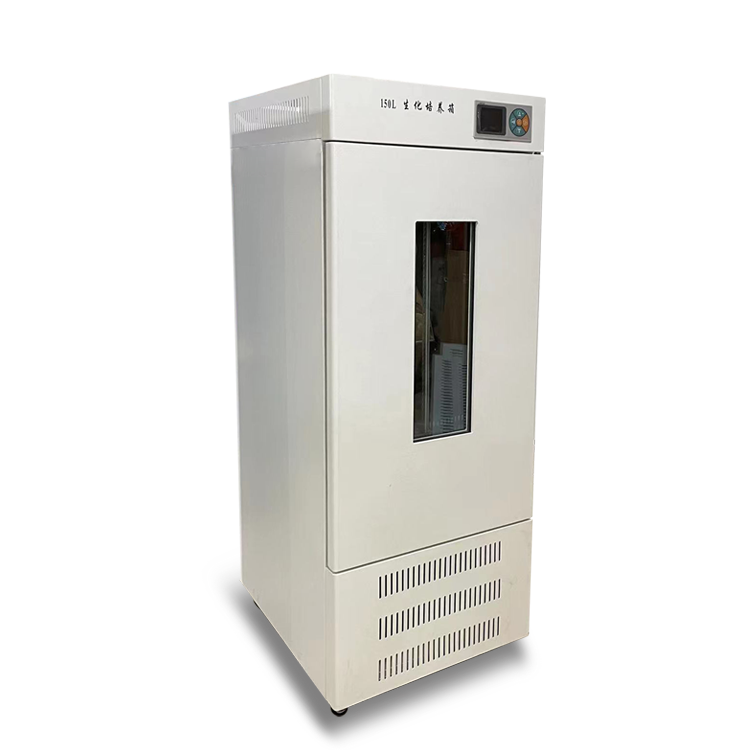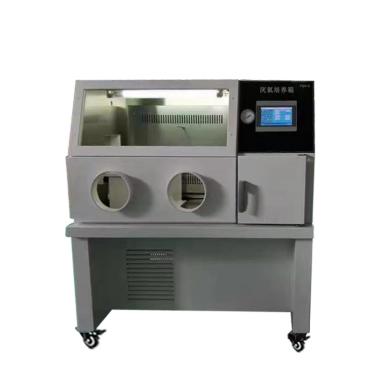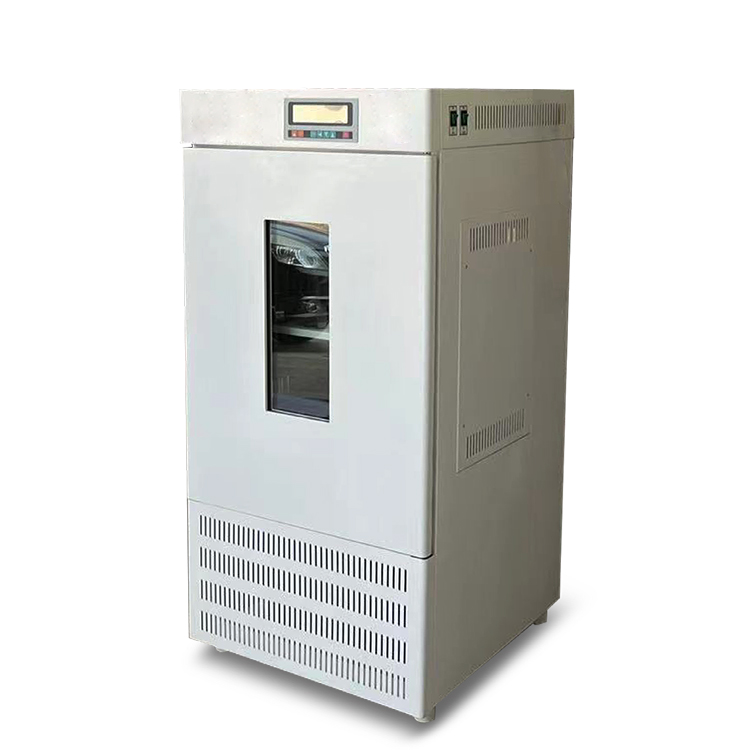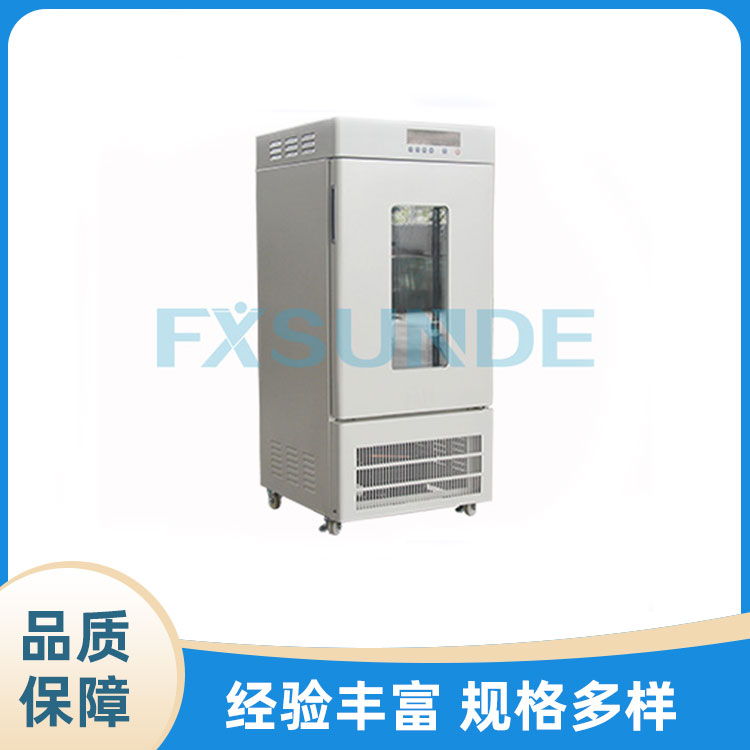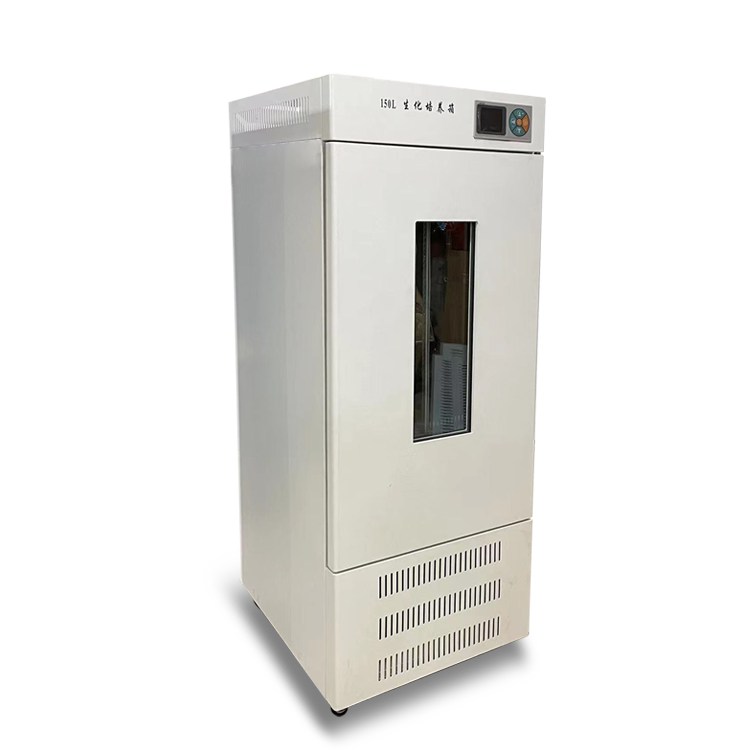

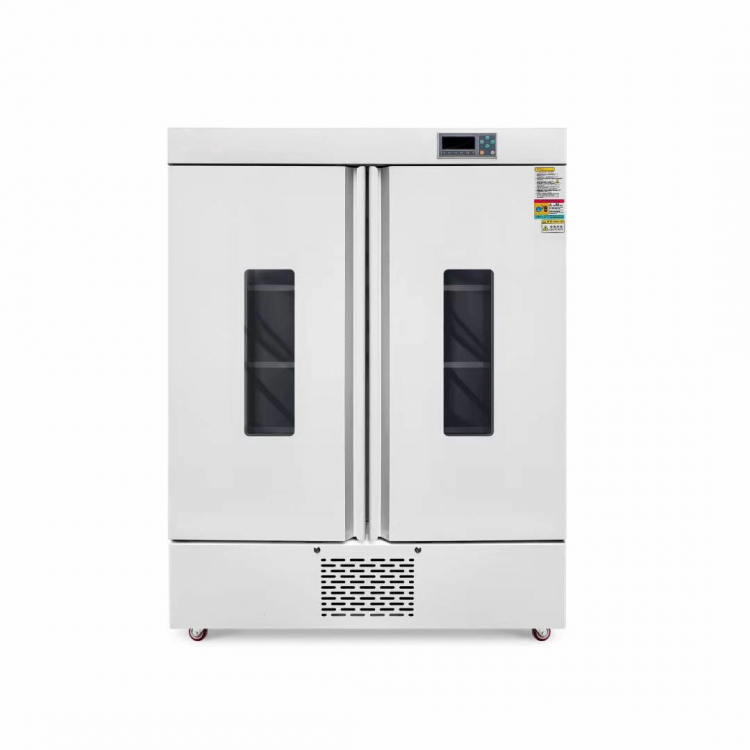
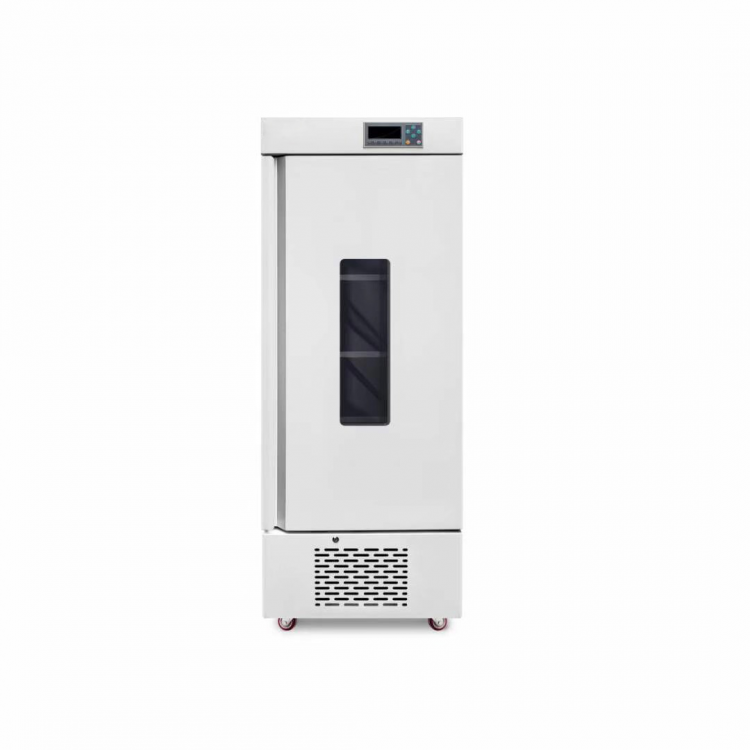


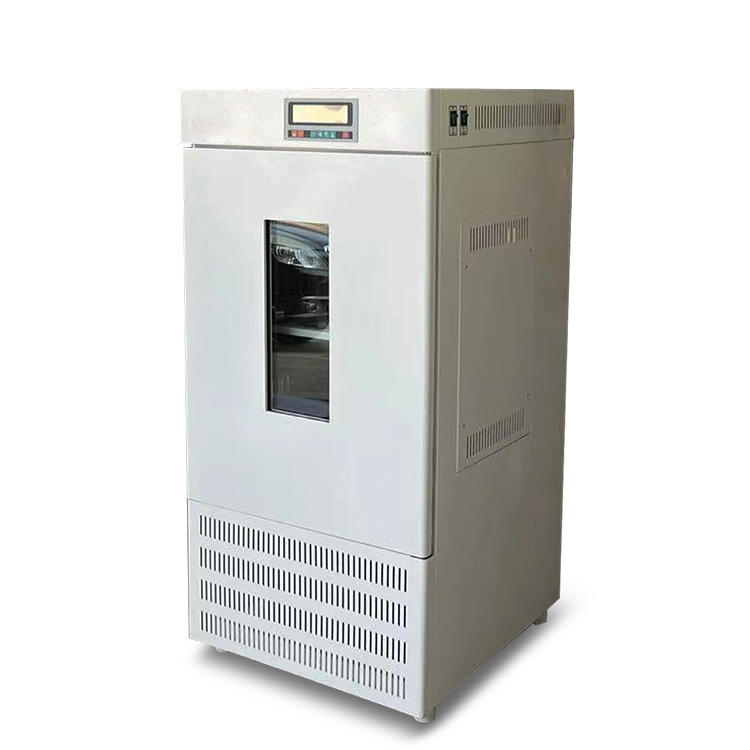
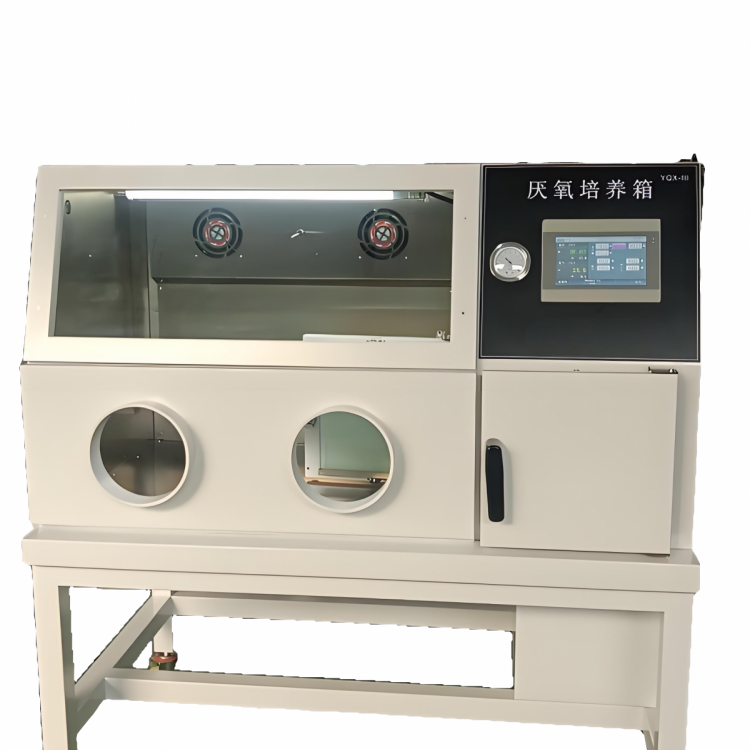
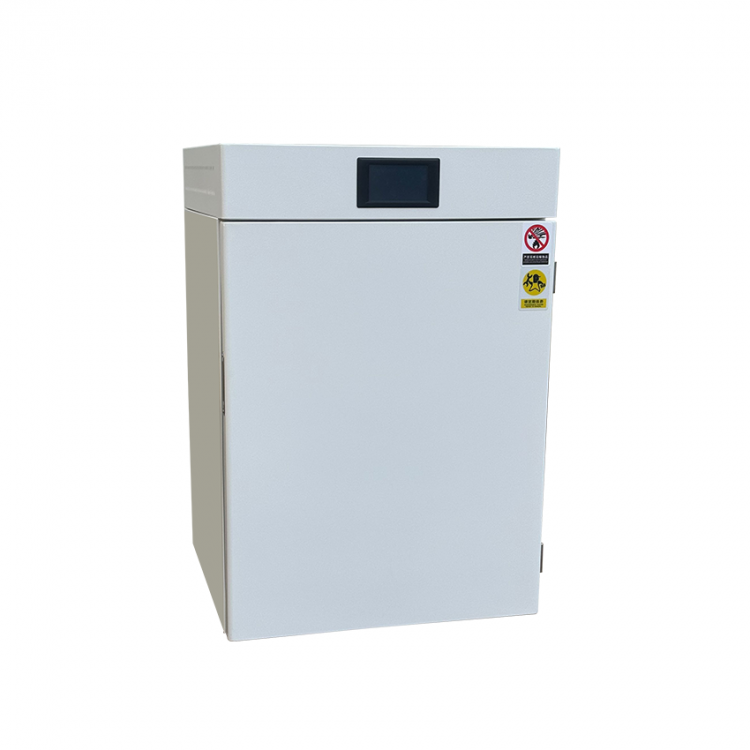
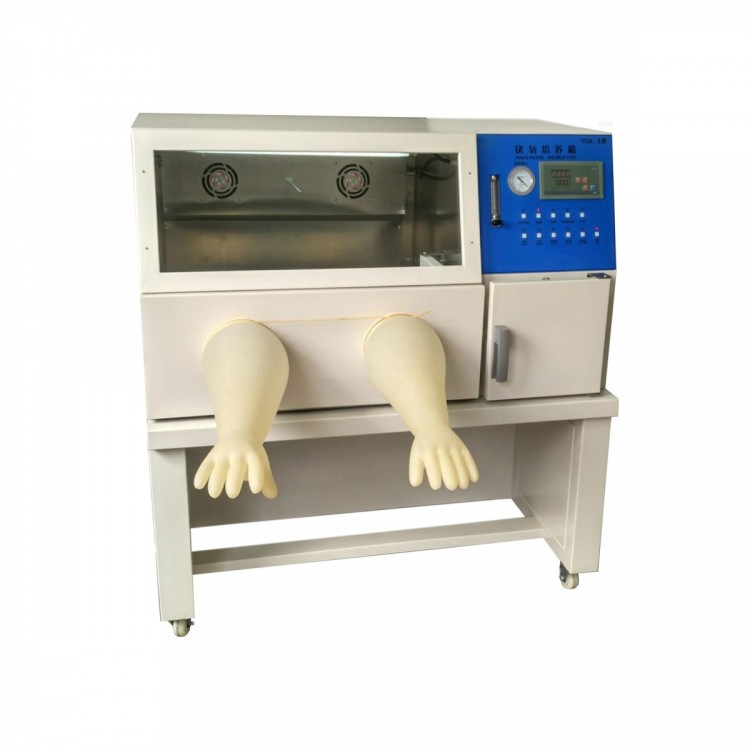
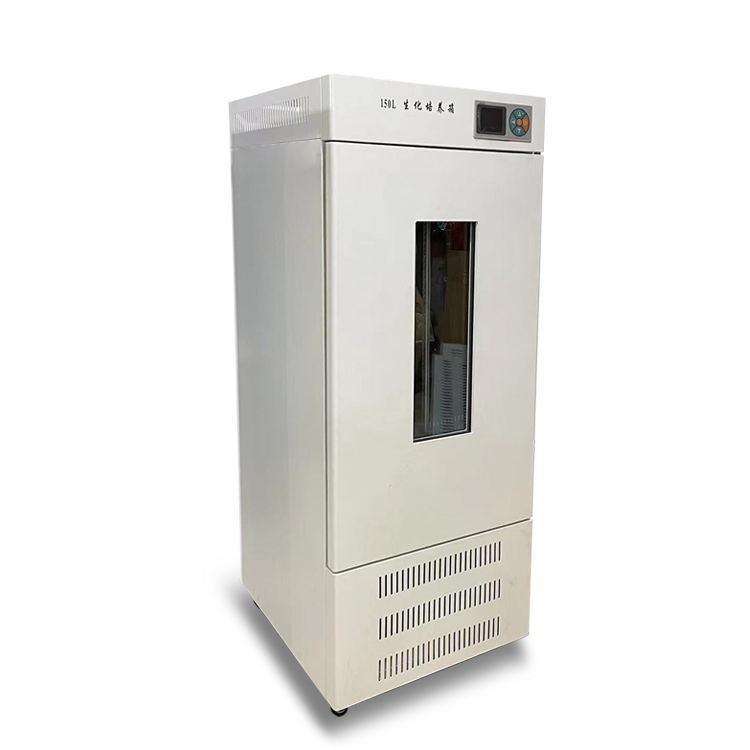





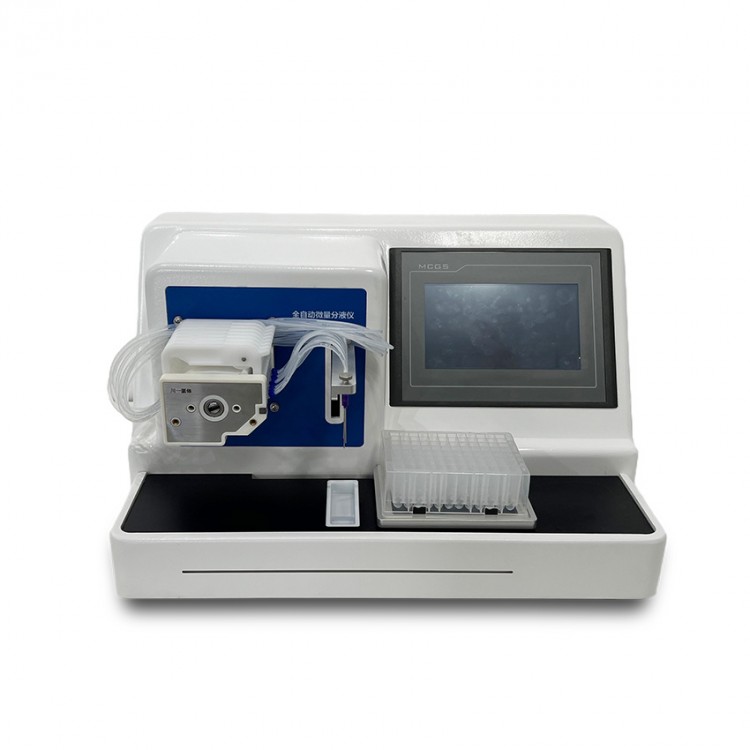
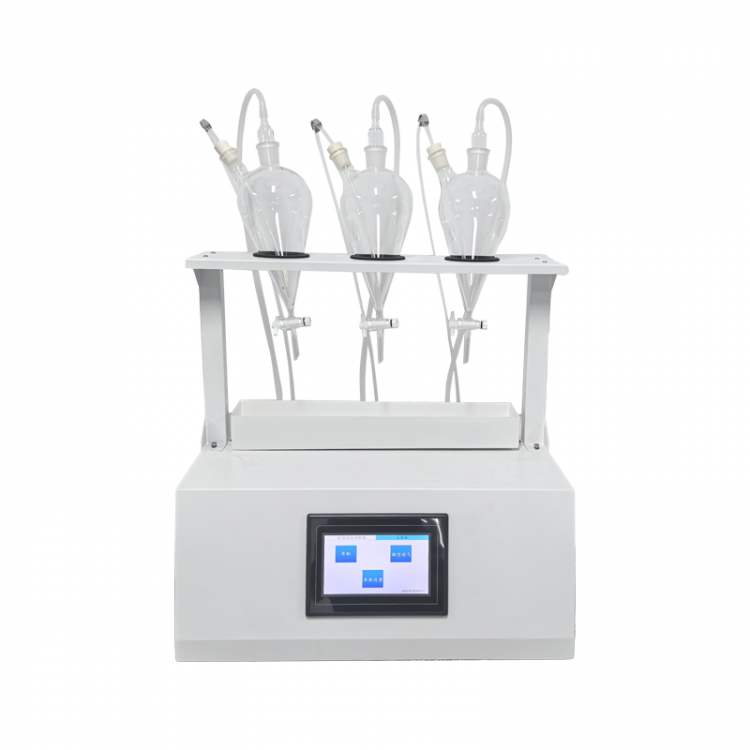
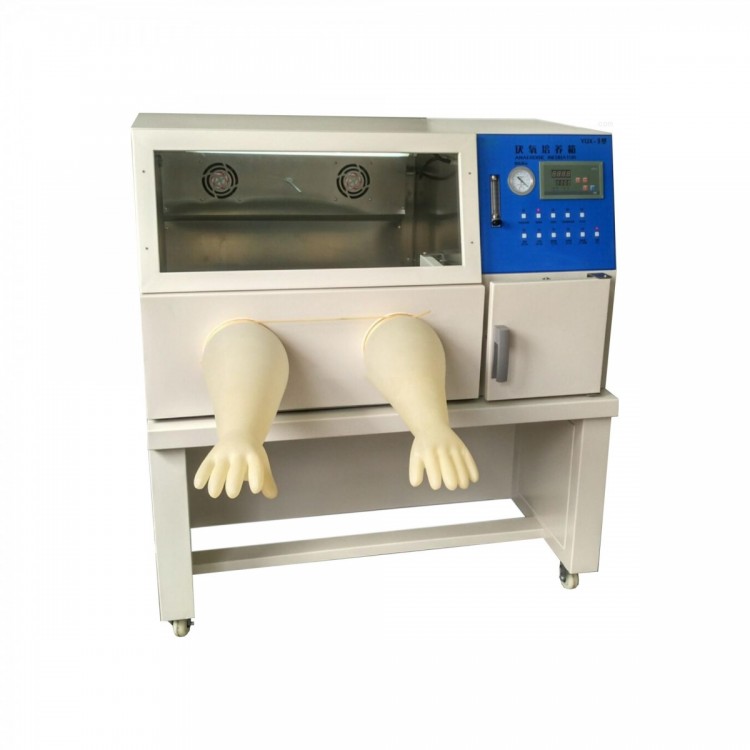
Low-temperature biochemical incubators are used for the cultivation and preservation of bacteria, molds, microorganisms, and tissue cells, as well as for water quality analysis and BOD testing. They are suitable for breeding experiments and plant cultivation. They are essential experimental equipment for research institutions, colleges and universities, production units, or departments in the fields of biology, genetic engineering, y, hygiene prevention, environmental protection, agriculture, forestry, animal husbandry, and more.
Key Features:
1 Low-temperature biochemical incubator with a mirror-polished stainless steel inner tank, rounded corners for easy cleaning, and adjustable shelf spacing inside.
2 Smart Temperature Control Meters, featuring dual digital display for set and measured temperatures and PID auto-tuning function, ensuring stable and reliable temperature control.
The 3 biological culture incubators feature a double hexagonal structure for excellent thermal insulation. Equipped with a full-surface tempered glass door, it is convenient to observe the conditions inside the incubator.
4-module refrigeration unit with delayed start-up and high/low pressure multi-protection.
The 5 biochemical incubators feature stainless steel circulating air channels, ensuring forced air circulation and uniform temperature.
The 6 Low Temperature Biochemical Incubator features a large viewing window and a lighting lamp.
Technical Specifications
Model | Volume | Internal (External) Dimensions Dimensions: (Length x Width x Height) (mm) | Temperature Control Range | Temperature Control Accuracy | Note |
SPXD-300 | 300 | 482*482*1105 | -15-60 | ±0.5 | Single door, four sides insulated, inner tank made of stainless steel, comes with plant light, equipped with lock. Customizable for 30 stages of temperature, humidity, and time settings. Multi-stage programmable + 1000 RMB |
SPXD-400 | 400 | 605*605*1205 | ±0.8 |
Biochemical incubators have various applications in microbial culture. They are a type of laboratory equipment used for microbial cultivation, providing a constant temperature and humidity environment to simulate an ideal habitat for microorganisms, which aids in their growth and reproduction, enabling a range of microbial experiments. The following are some main applications of biochemical incubators in microbial culture:
Microbial Growth Experiment: The biochemical incubator can accurately control the temperature, which is crucial for the growth and reproduction of many microorganisms. Observing the growth of microorganisms at specific temperatures allows for understanding their sensitivity to temperature, which is vital for certain medical diagnostics or research fields (such as vaccine development).
2. Identification of Microbial Species: Different microorganisms have varying optimal growth temperatures. By observing the growth of microorganisms in a biochemical incubator, their species can be initially identified. Then, through further cultivation and observation, the species of the microorganisms can be more accurately determined.
3. Bacterial Counting: After culturing microorganisms in a biochemical incubator, the number of bacteria can be estimated by observing the formation of colonies. This method is frequently used in fields such as food, environment, and healthcare.
4. Fermentation Process Research: Many microorganisms (such as yeast) are used to produce alcohol, lactic acid, and other fermented products. By controlling the temperature and humidity environment in a biochemical incubator, the rate and products of these fermentation processes can be studied.
5. Virus Cultivation: Certain viruses require specific temperature and humidity conditions to grow. With a biochemical incubator, scientists can more easily cultivate these viruses for research.
6. Antibiotic Sensitivity Testing: After culturing microorganisms in a biochemical incubator, their reactions to antibiotics can be observed, thereby predicting their sensitivity in natural environments or clinical applications.