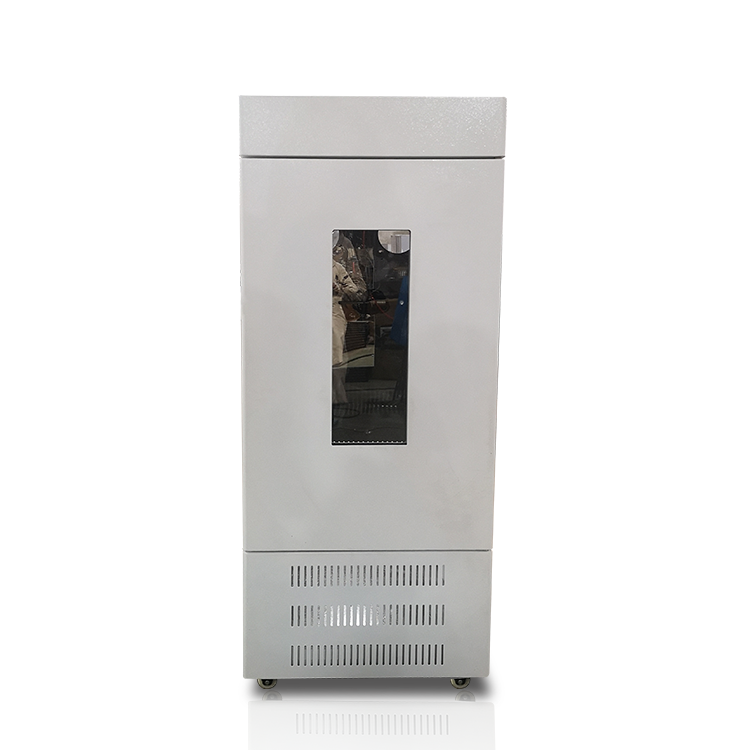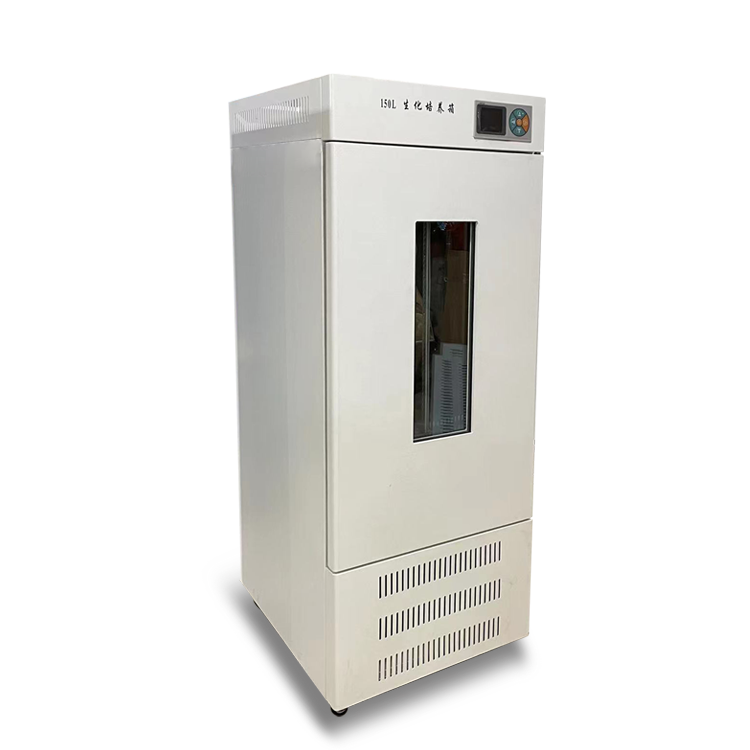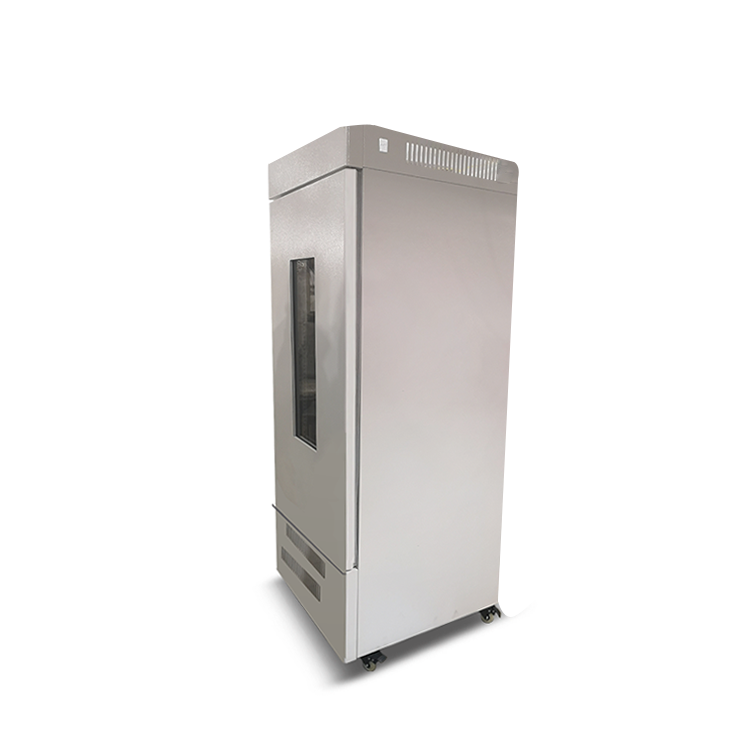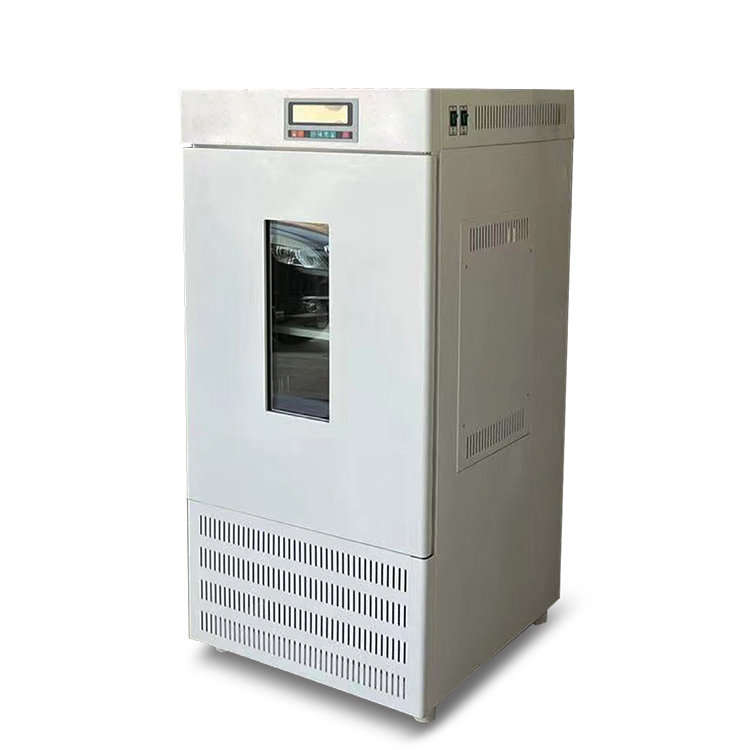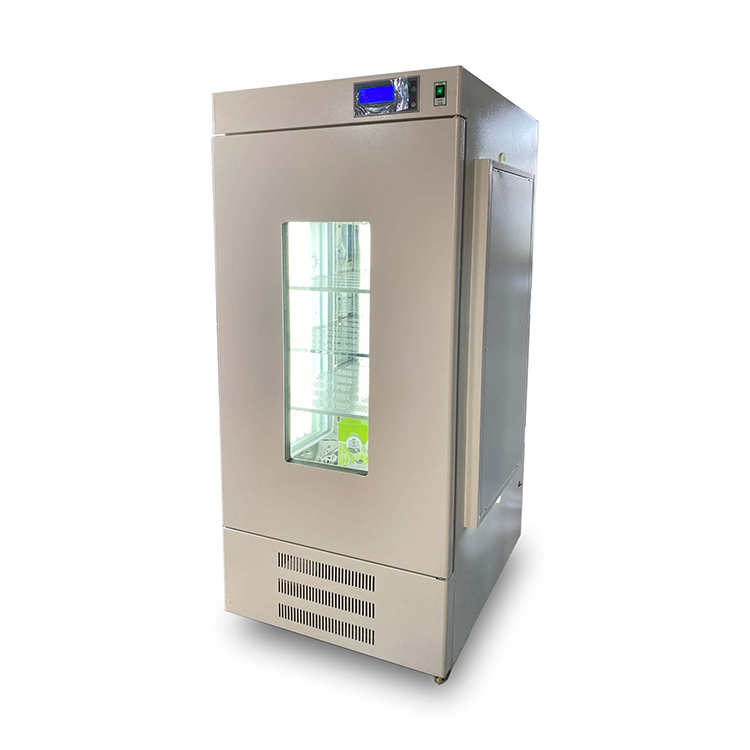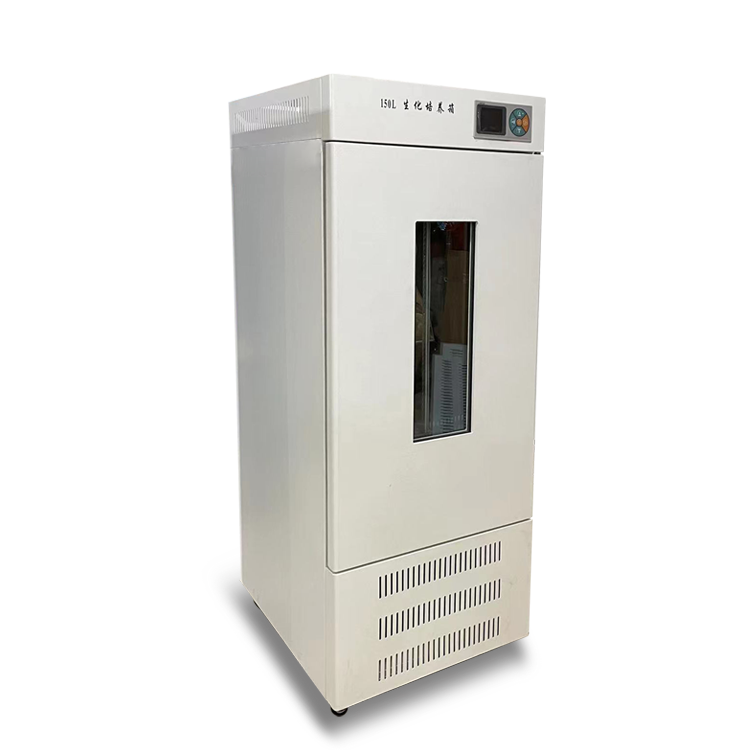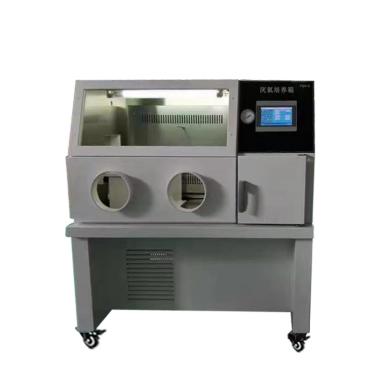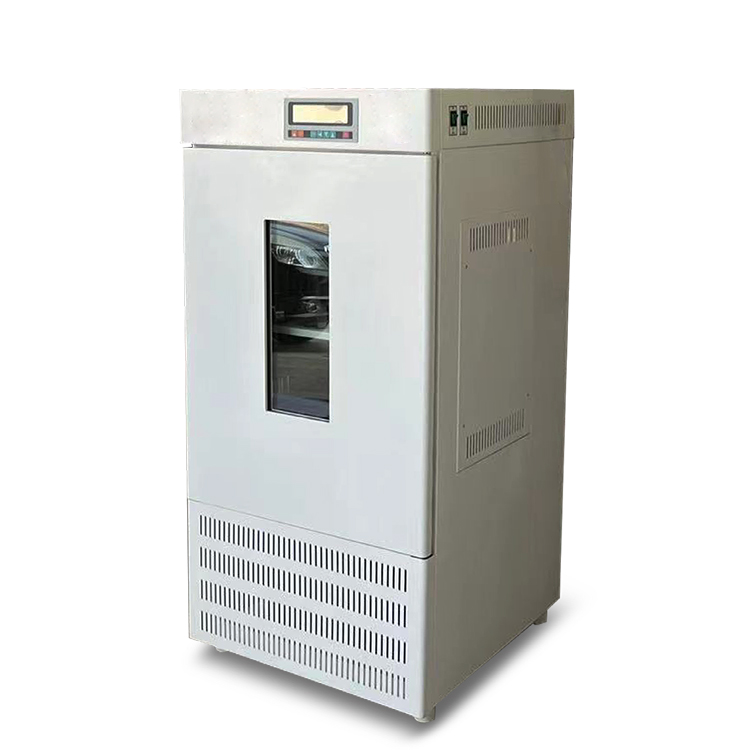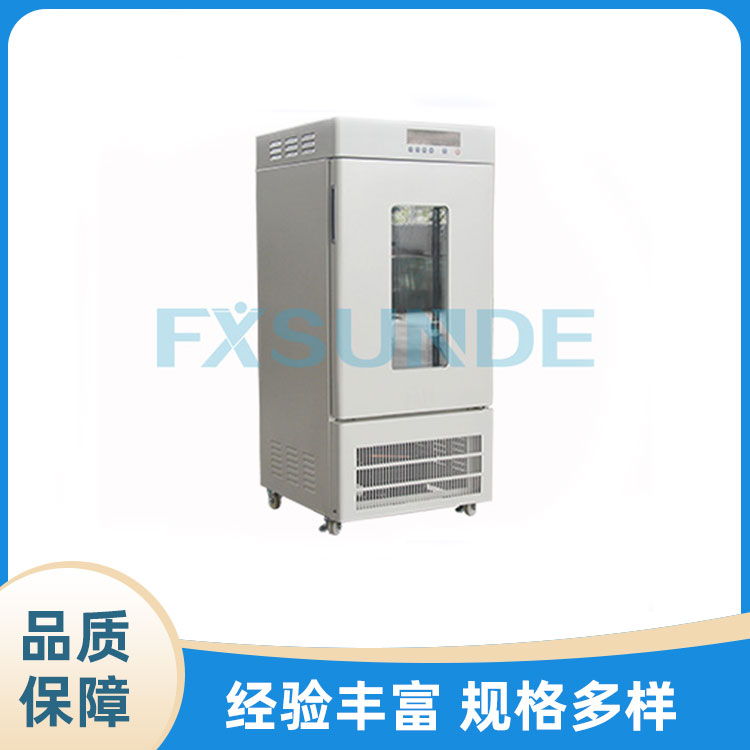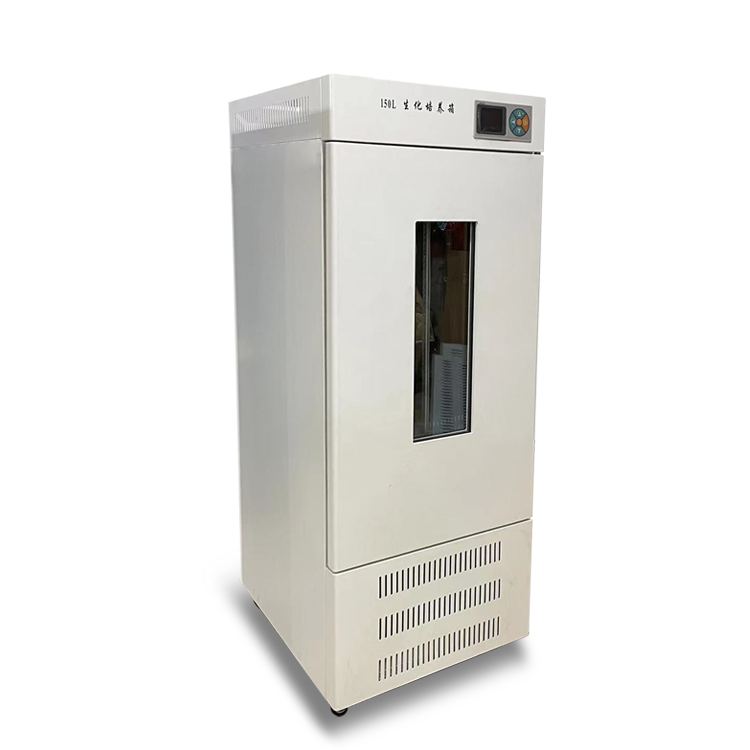

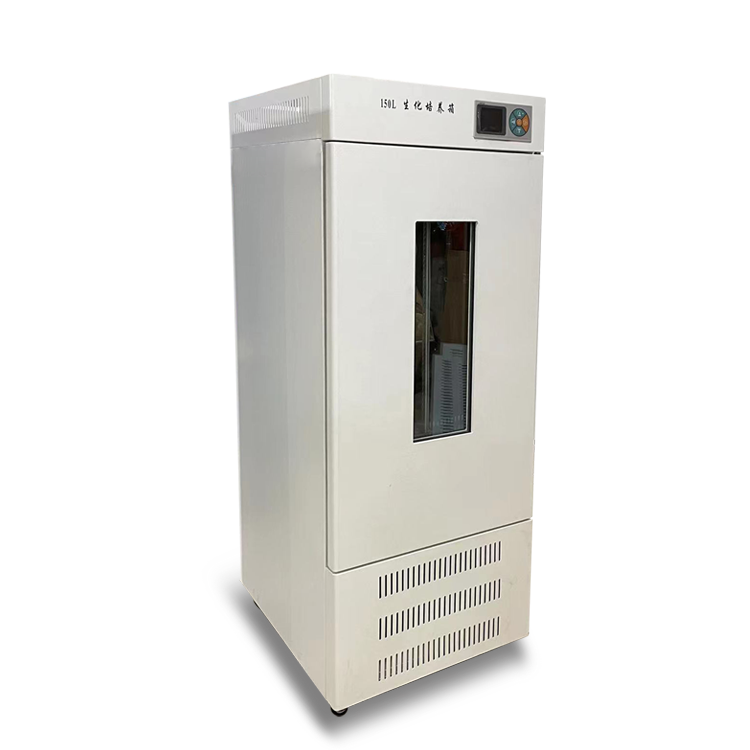
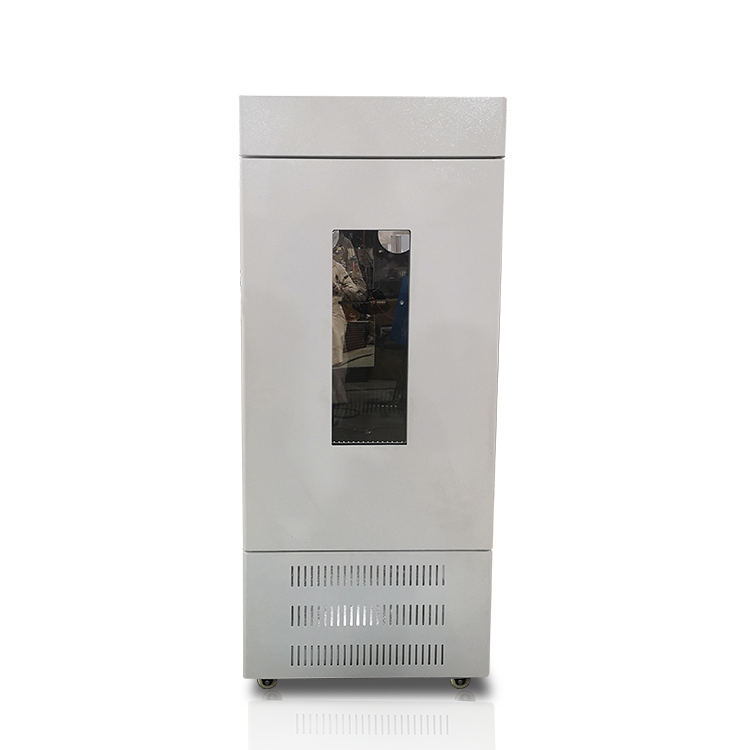







High-Capacity Biochemical Culture Incubator SPX-250B Low Temperature Microbial Culture
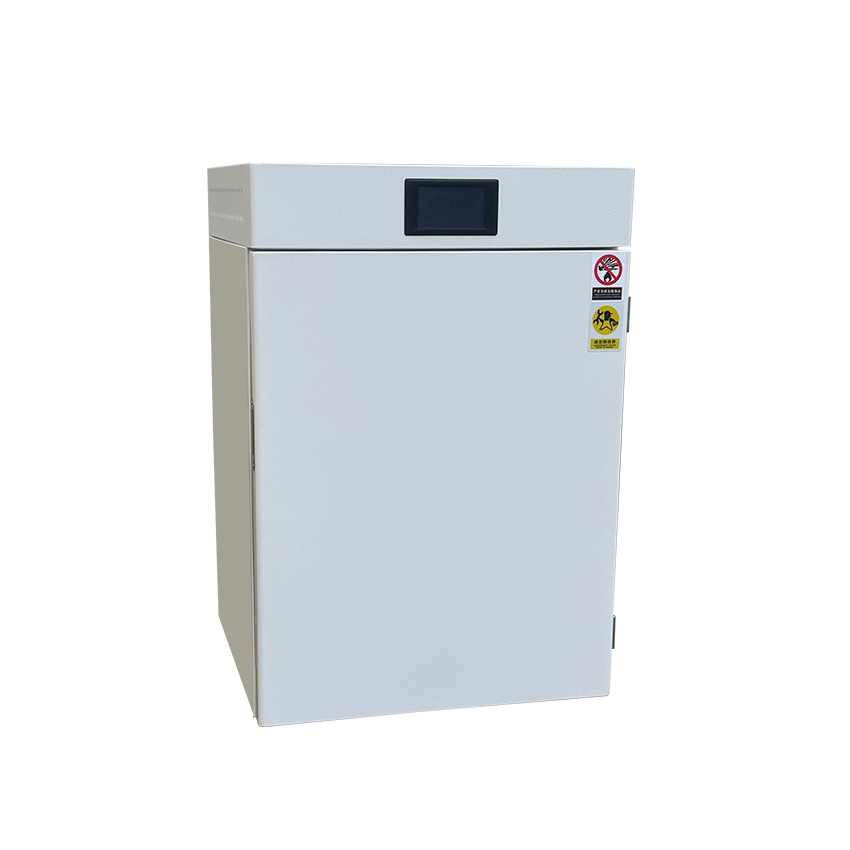
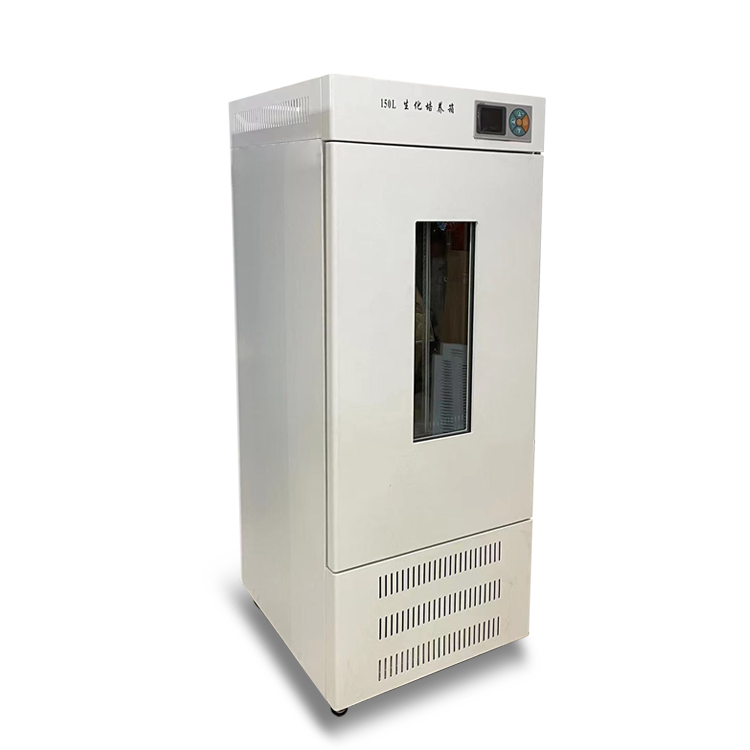
Biochemical incubators are used for the cultivation and preservation of bacteria, molds, microorganisms, and tissue cells, as well as for water quality analysis and BOD testing, suitable for breeding experiments and plant cultivation. They are essential experimental equipment for research institutions, colleges and universities, production units, or departments in the fields of biology, genetic engineering, y science, environmental protection, agriculture, forestry, animal husbandry, and more.
Key Features:
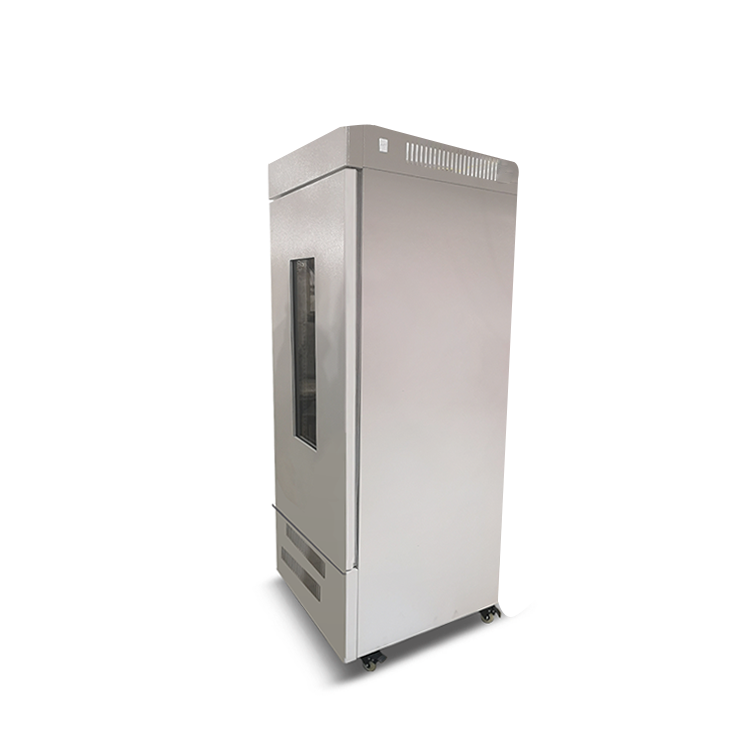
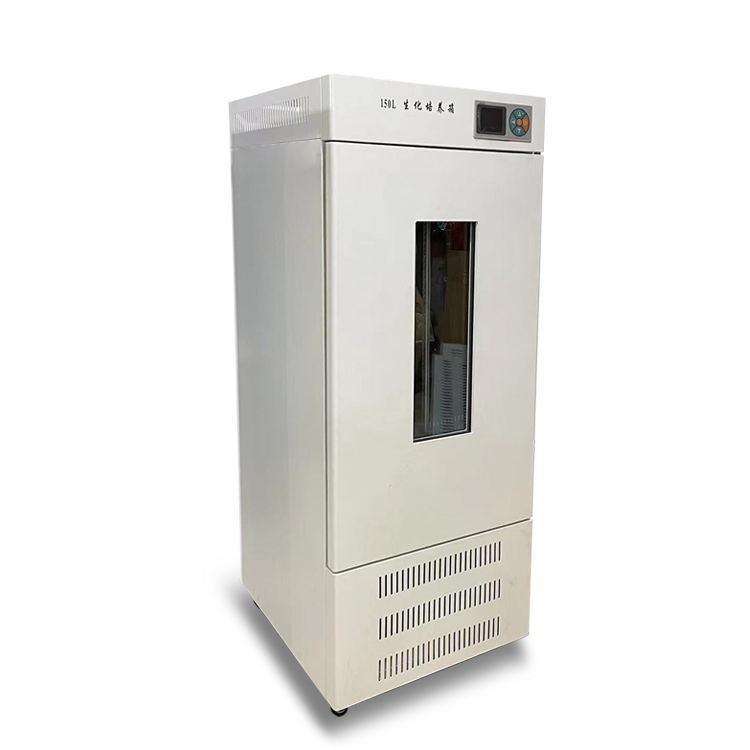
The biochemical incubator lab is made of stainless steel processed into shape, with rounded corners for a smooth transition, looking aesthetically pleasing and easy to clean.
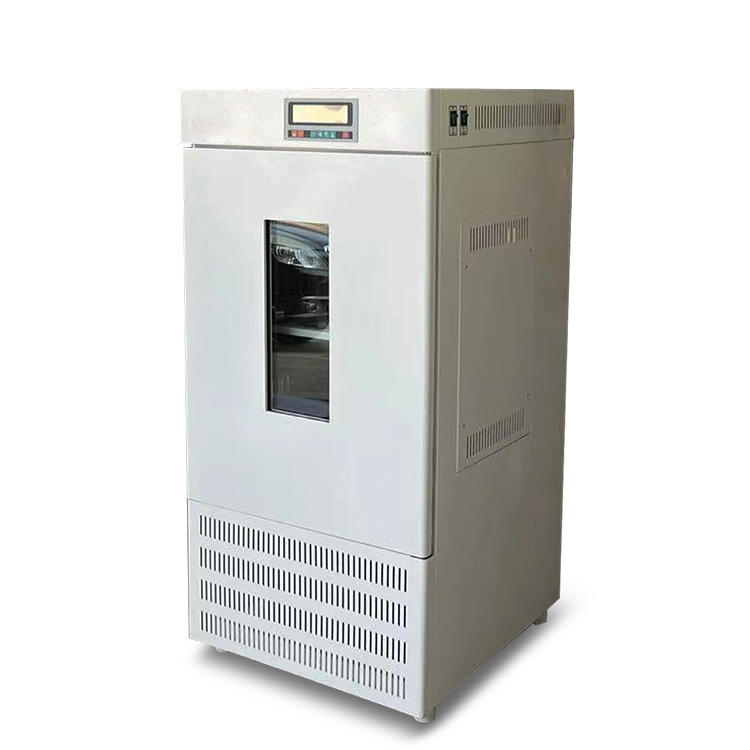
2. Equipped with an intelligent microcomputer control system featuring timing, alarm, and over-temperature protection functions, the PT100 temperature sensing sensor ensures stable and reliable temperature measurement.
3. The biochemistry incubator features a double six-structured design with excellent thermal insulation. Equipped with a fully tempered glass door, it facilitates easy observation of the internal conditions.
4. Modular refrigeration unit with delayed start-up, featuring high and low pressure multi-protection.
5. Brand compressors with non-fluorine refrigeration, gentle air circulation, forced air circulation, even temperature distribution.
6. Type B features a transparent observation window design for easy monitoring of changes inside the box.
7. The BE model features a double-door structure with an internally fitted tempered glass door for clarity, offering superior sealing performance.
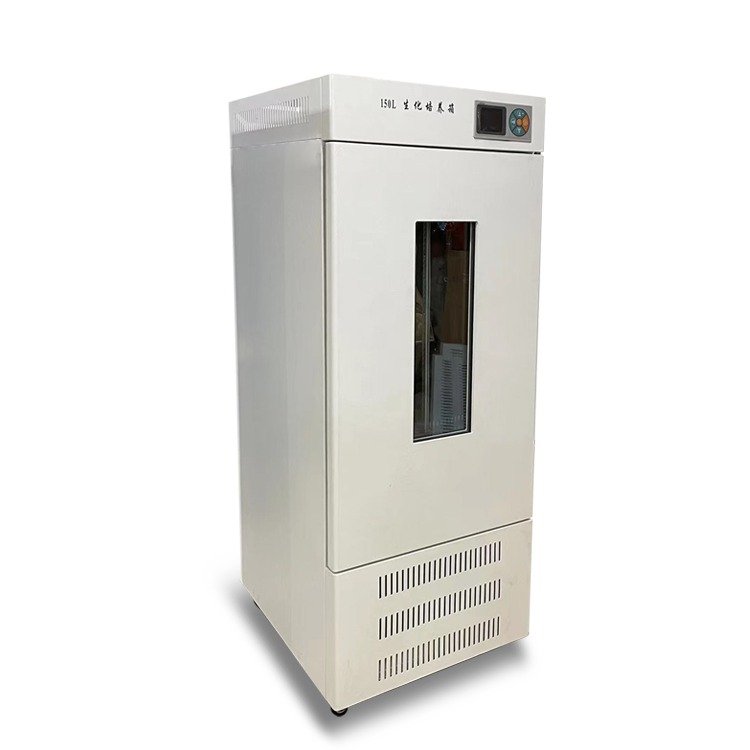
High-Capacity Biochemical Incubator SPX-250B Low-Temperature Microbial Culture
Technical Specifications
Model | Temperature Controller | Temperature Control Range | Temperature Fluctuation | Power (KW) | Power (V) | Studio size (mm) | Dimensions: (mm) |
SPX-70B | Intelligent Digital Display | 0-60℃ | ±0.5℃ | 0.3 | 220 | 350*400*500 | 540*540*1100 |
SPX-150B | 0.4 | 400*500*750 | 600*640*1340 | ||||
SPX-250B | 0.5 | 500*500*1000 | 660*690*1540 | ||||
SPX-150BE | Smart LCD | 0.4 | 400*500*750 | 600*640*1340 | |||
SPX-250BE | 0.5 | 500*500*1000 | 660*690*1540 | ||||
SPX-350BE | 0.6 | 530*600*1100 | 730*740*1690 |
Usage Instructions
1. Open the box, place the items to be processed on the shelf inside, then close the box door.
2. Plug the three-prong plug into the power outlet, turn the power switch on the panel to the "On" position. The instrument will display digits, indicating the equipment is in operation.
3. Set the desired internal temperature by operating the temperature controller on the control panel.
When the set temperature is more than 5℃ above the ambient temperature, please switch the refrigeration mode to "RT+5℃". (Detailed operation instructions for the temperature controller are on the following page.)
4. The instrument begins operation, and the internal temperature gradually reaches the set value. After the required processing time, the processing is complete.
5. Turn off the power, wait until the internal temperature of the box approaches the ambient temperature, then open the box door and remove the items.
Biochemical incubators have various applications in microbial culture. They are laboratory equipment designed for microbial cultivation, capable of providing a constant temperature and humidity environment, simulating the ideal conditions for microbial survival. This aids in the growth and reproduction of microorganisms, enabling a range of microbial experiments. Below are some primary applications of biochemical incubators in microbial culture:
Microbial Growth Experiment: The biochemical incubator can accurately control temperature, which is crucial for the growth and reproduction of many microorganisms. By observing the growth of microorganisms at specific temperatures, their sensitivity to temperature can be understood, which is very important for certain medical diagnoses or research fields (such as vaccine development).
2. Identification of Microbial Species: Different microorganisms have varying optimal growth temperatures. By observing the growth of microorganisms in a biochemical incubator, their species can be preliminarily determined. Subsequently, through further cultivation and observation, the species of the microorganisms can be identified more accurately.
3. Bacterial Count: After culturing microorganisms in a biochemical incubator, the number of bacteria can be estimated by observing the formation of colonies. This method is commonly used in food, environmental, and healthcare fields.
4. Fermentation Process Study: Many microorganisms, such as yeast, are used to produce alcohol, lactic acid, and other fermented products. By controlling the temperature and humidity environment in a biochemical incubator, the rates and products of these fermentation processes can be studied.
5. Virus Cultivation: Certain viruses can only grow in specific temperature and humidity conditions. With a biochemistry incubator, scientists can more easily cultivate these viruses for research.
6. Antibiotic Sensitivity Testing: After culturing microorganisms in a biochemical incubator, their reaction to antibiotics can be observed, enabling the prediction of their sensitivity in natural environments or clinical applications.