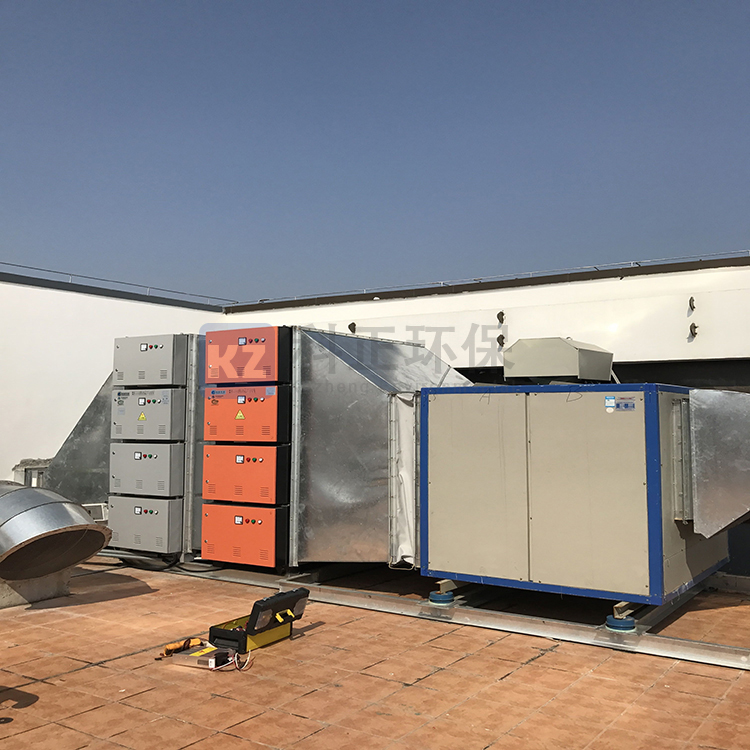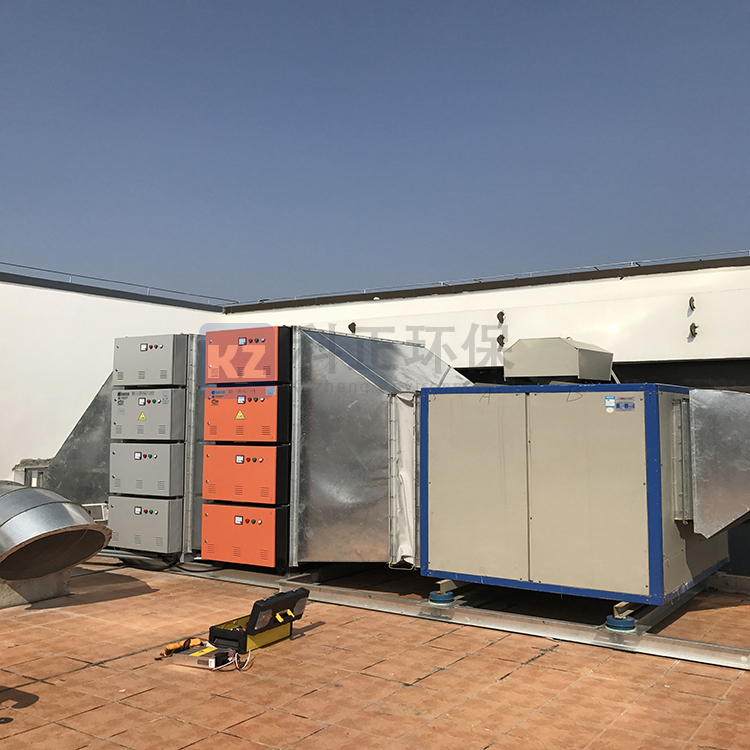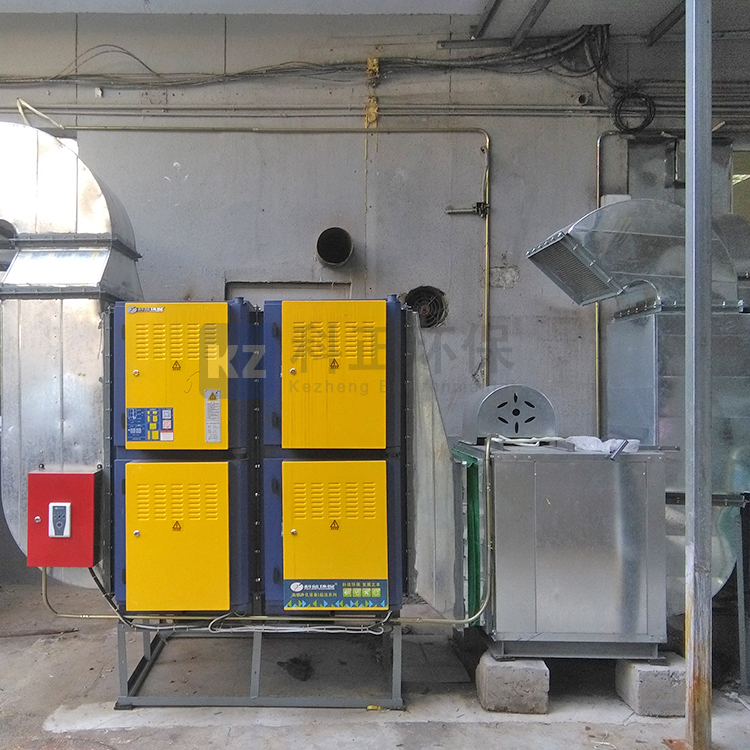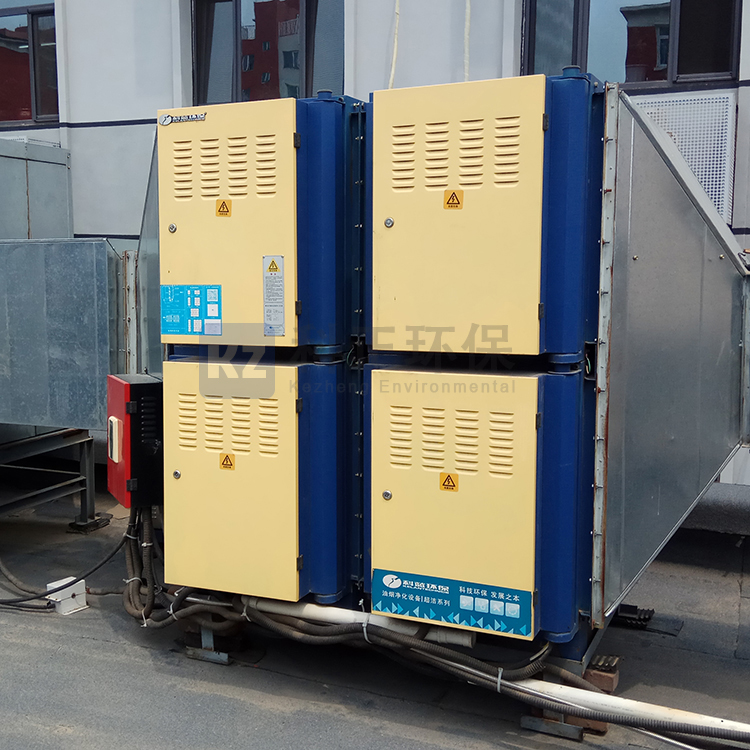

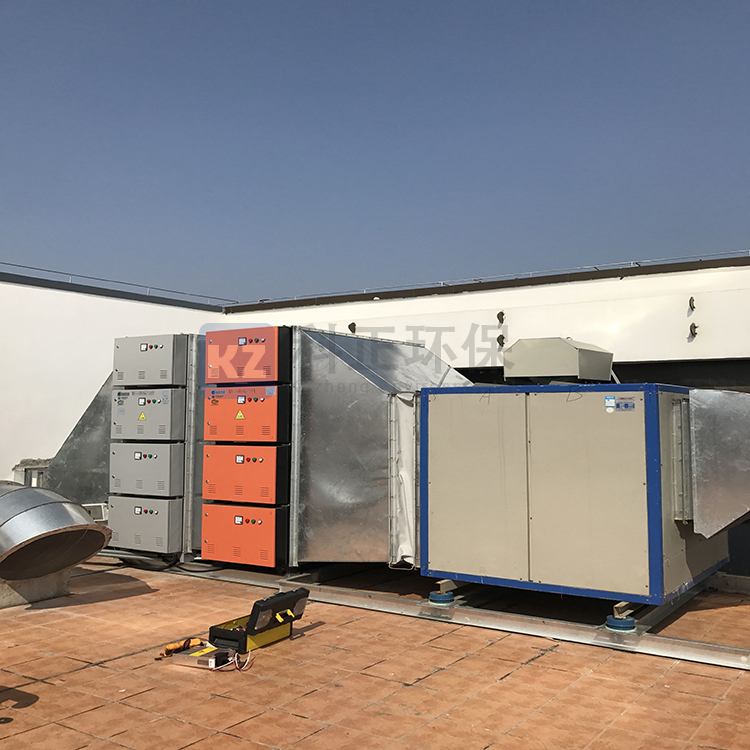


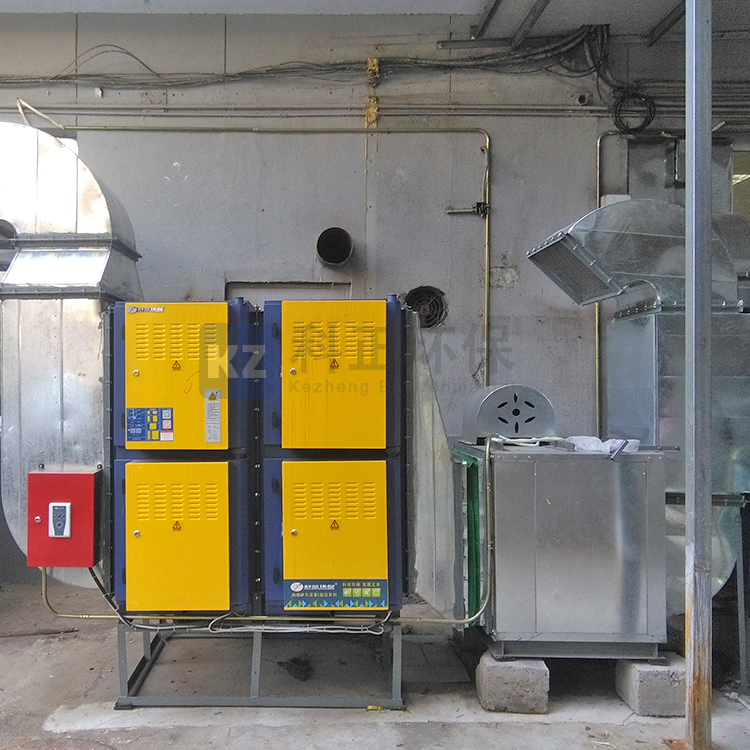
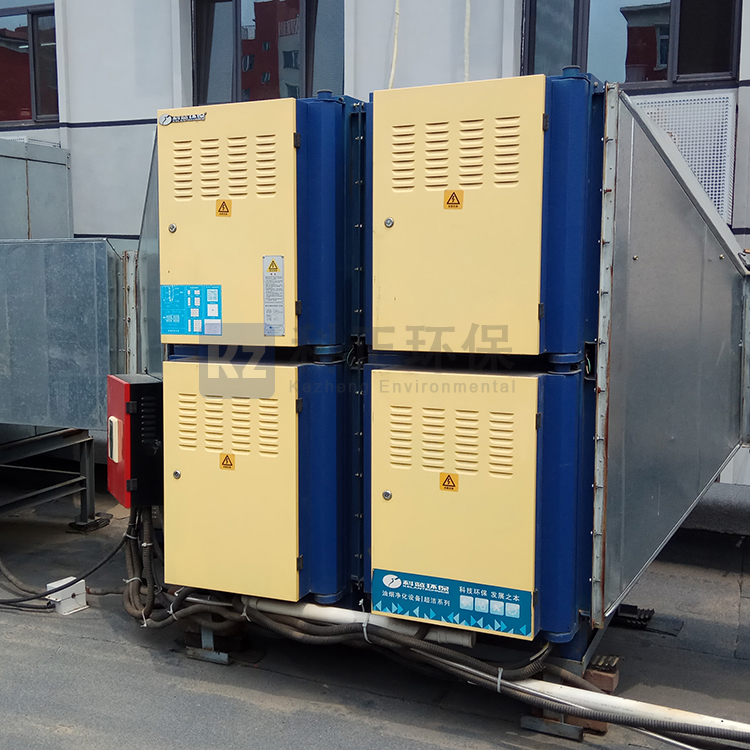












Dining and catering oil fumes have become the third-largest source of air pollution, following industrial and traffic pollution. Cooking oil fumes consist of a complex mixture of pollutants, with up to 200 to 300 different components. These pollutants include both particulate matter and volatile gases, commonly known as PM10 and PM2.5, as well as gaseous pollutants. Primary treatment methods include condensation, cyclonic separation, and electrostatic removal.