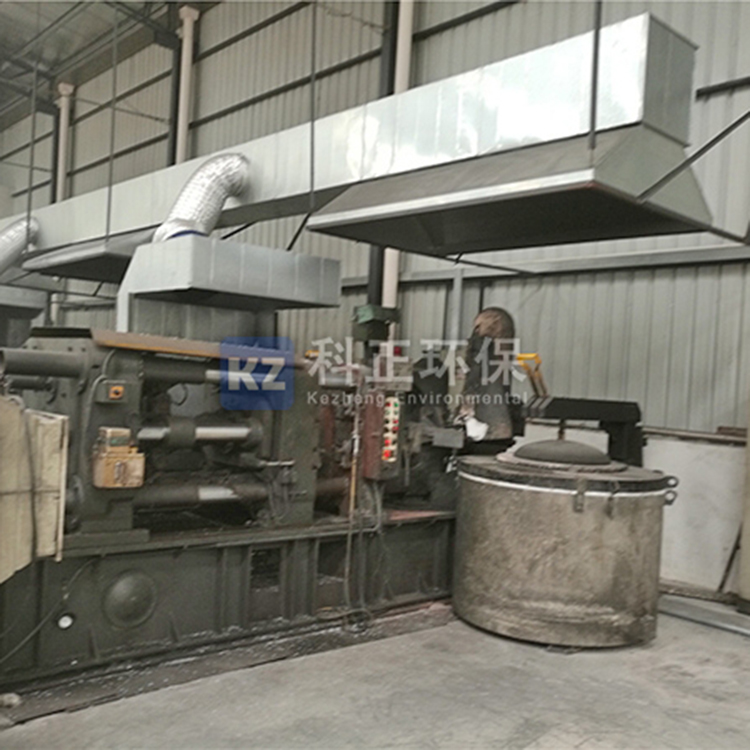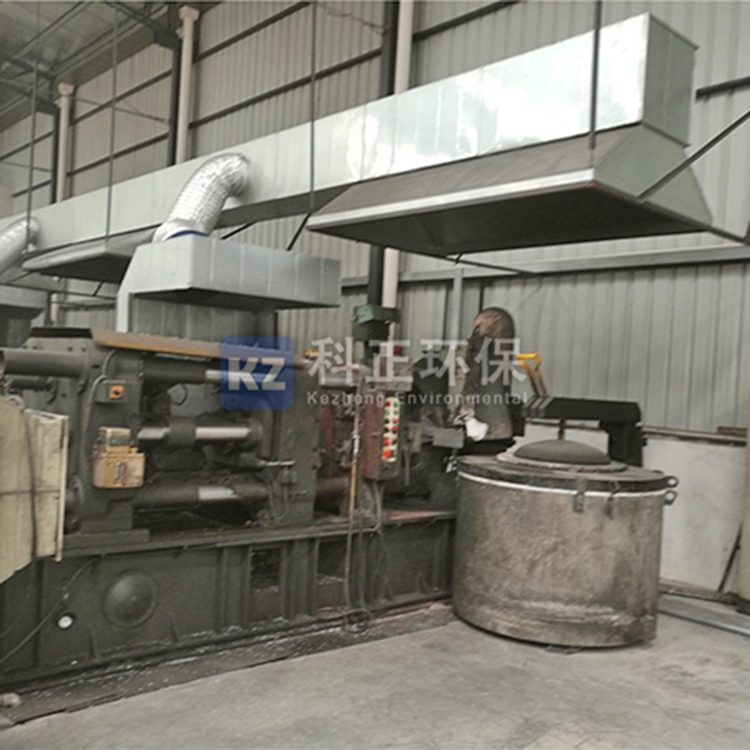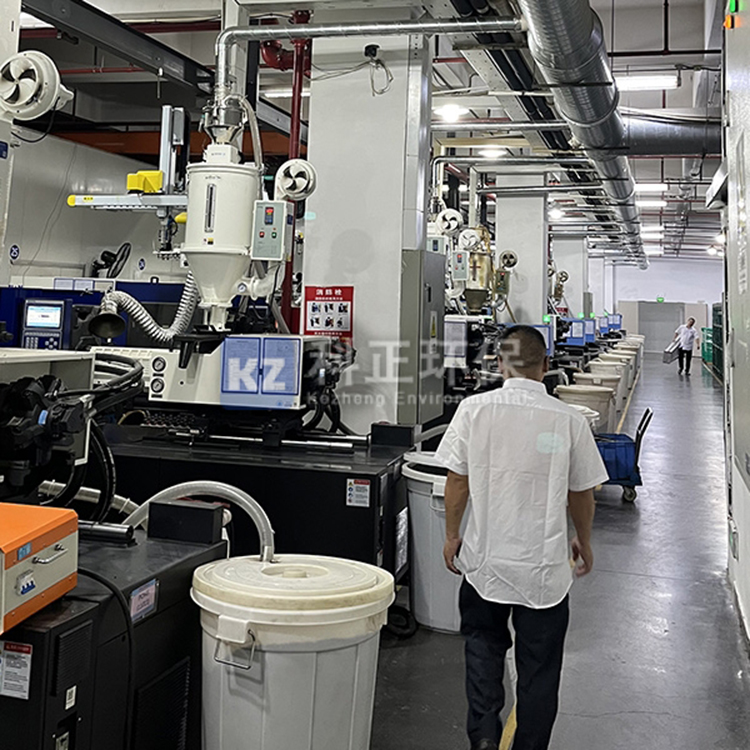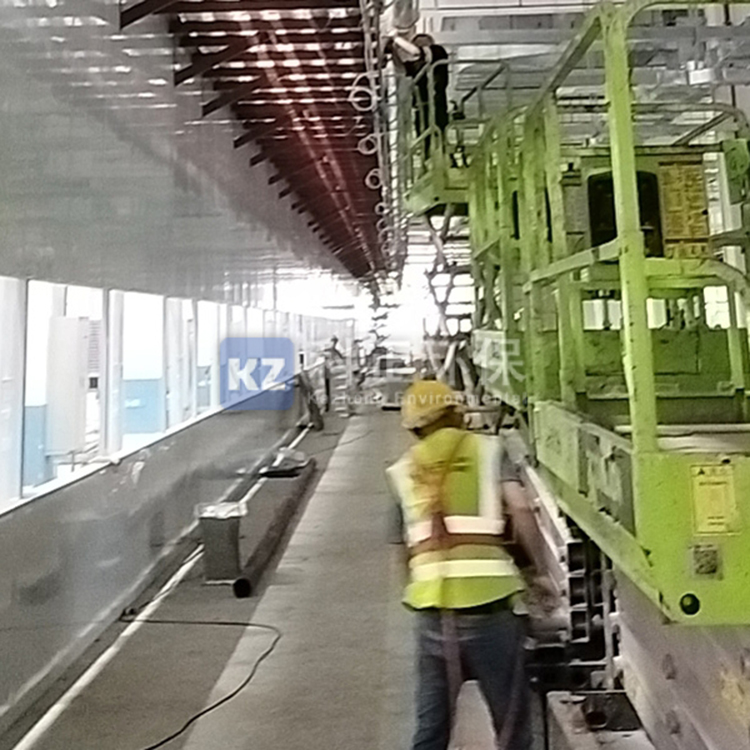




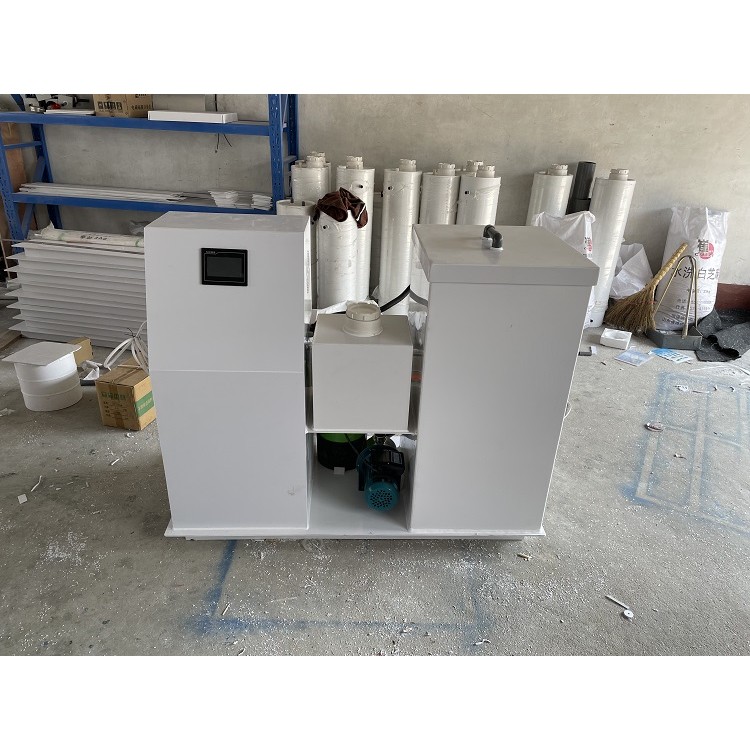










During the painting process at our furniture factory, the main spraying agent used is paint, resulting in a certain amount of waste gas emissions. The primary components of this waste gas are paint dust (fumes) and volatile benzene and benzene derivatives (commonly known as thinner), which have some impact on the surrounding environment. Paint fumes are generated during the spraying process, where liquid paint is pressured to form atomized dust particles and volatile organic hazards like trichlorobenzene. These particles have high concentration and small size. After passing through a water curtain cabinet for cleaning, the collagen paint fumes are effectively washed and degraded, further processed by a wet cyclone tower, and then enter an activated carbon adsorption bed. The organic gases are adsorbed by the activated carbon in the tower, and the purified gas is discharged into the air through exhaust ducts.