











Product Description
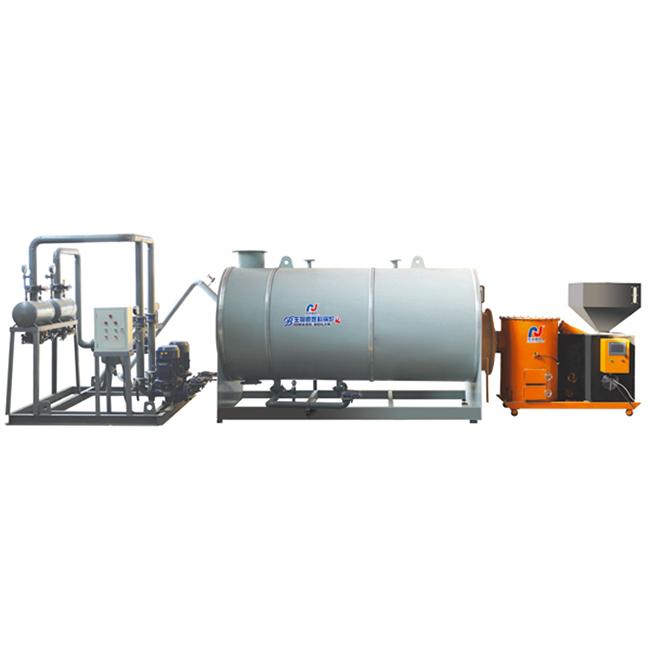
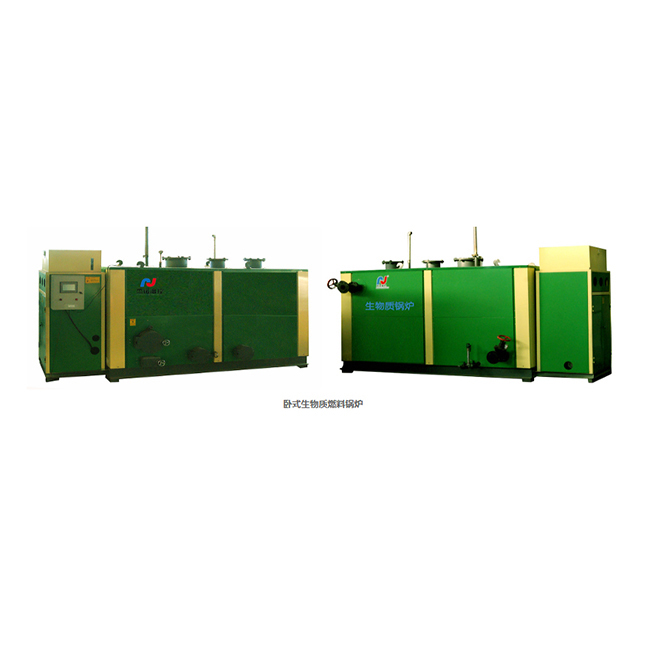
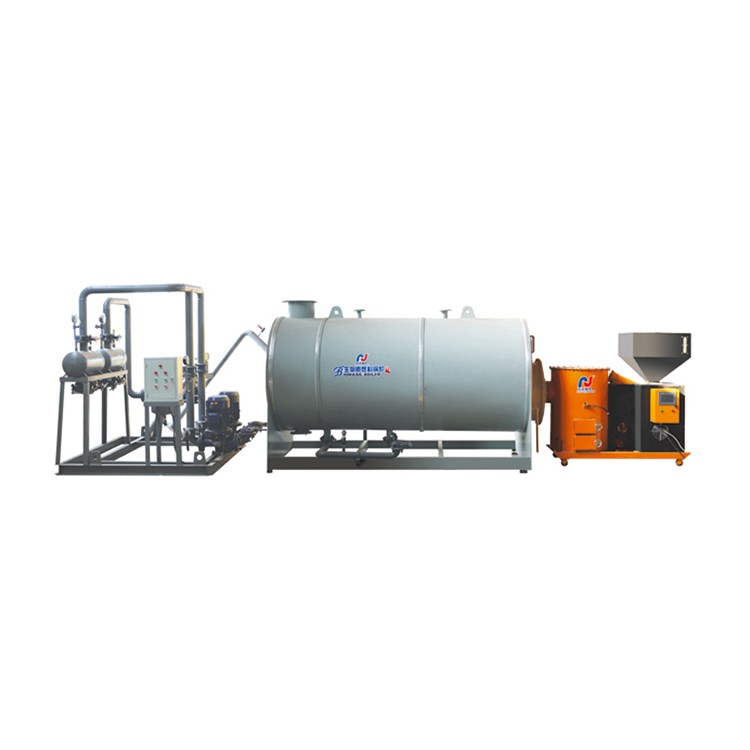
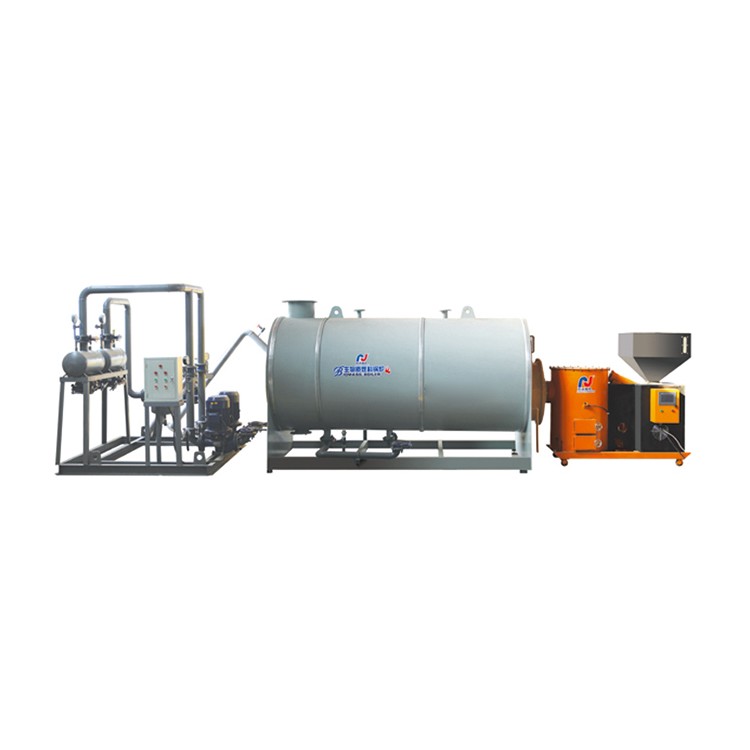
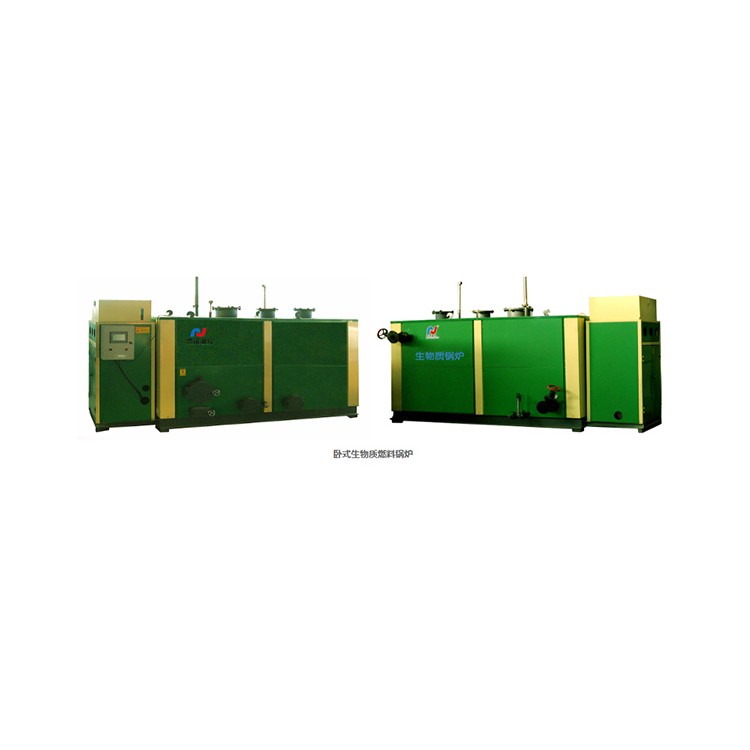
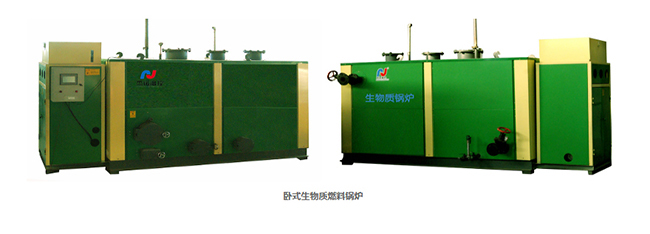
Biomass fuel boilers feature a unique structure with a large capacity gasification chamber and an innovative design, offering complete combustion, high thermal efficiency, and low pollutant emissions.
Fuel Advantages
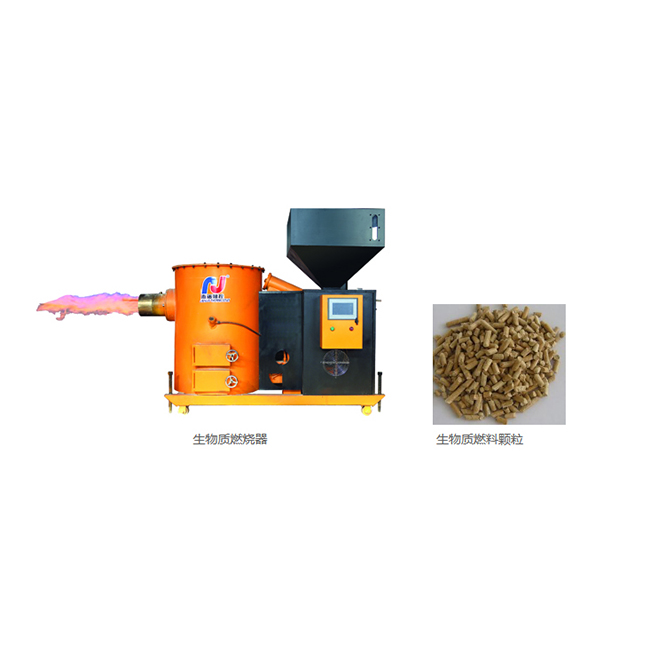
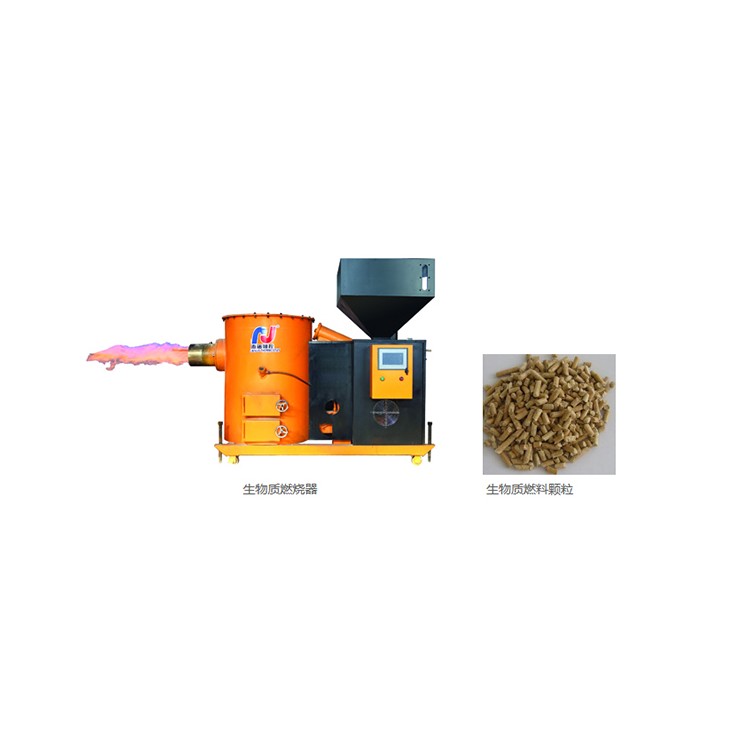
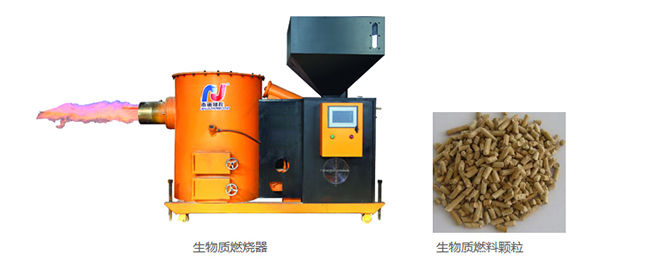
Biomass energy is a clean energy source derived from plants, known for its environmental friendliness and renewable recycling. It has a wide range of raw material sources and is titled as "green coal." Biomass pellet fuel, different from the direct combustion of biomass, is an encouraged development project in China's "11th Five-Year Plan" (NDRC Document No. 2875), and possesses strong vitality. Biomass fuel is typically produced from stem crops or sawdust, processed into strip-shaped eco-friendly new energy, with a diameter of about 0.8 cm and a length 4 to 5 times its diameter. The breakage rate is less than 1.5% to 2.0%, the moisture content on a dry basis is less than 10% to 15%, the ash content is less than 1.5%, and the sulfur and chlorine contents are both less than 0.07%, with nitrogen content less than 0.5%.
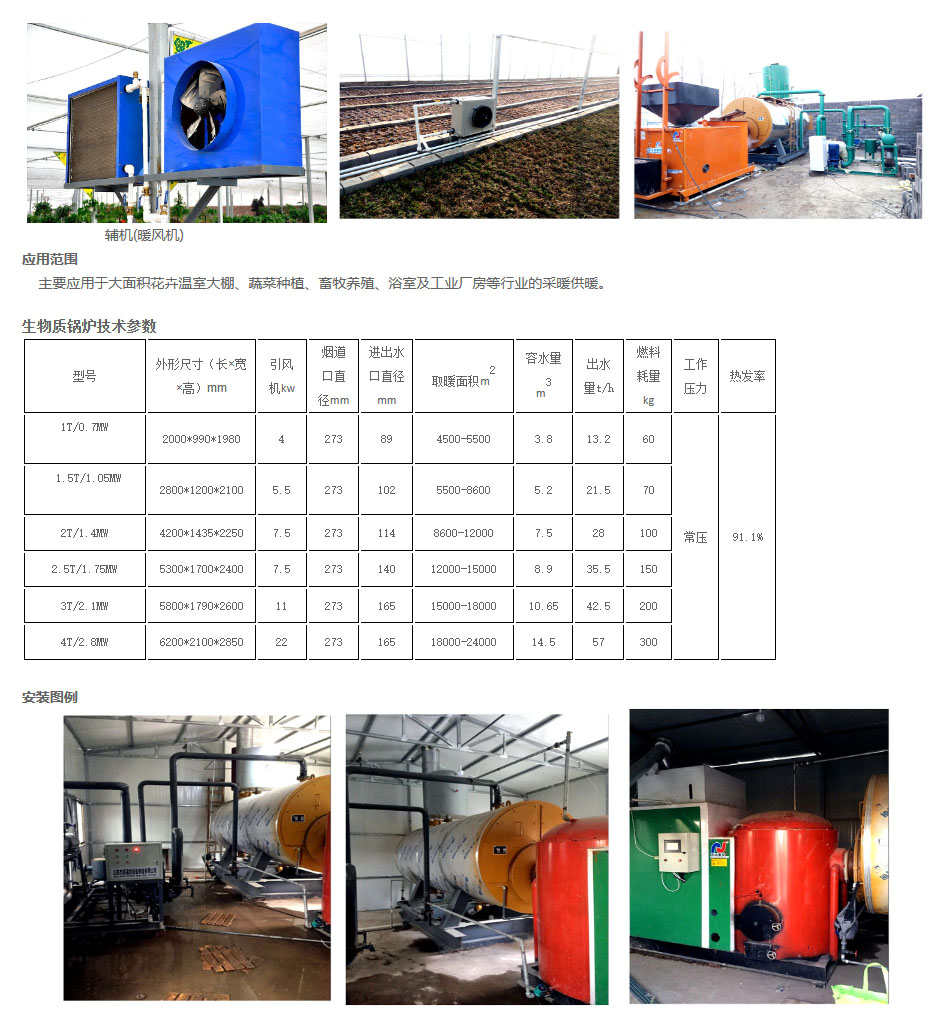
Features of Electric Space Heater
Addressed the transition from static to dynamic cooling methods, reducing humidity in greenhouses, promoting continuous air circulation, and acting as a sterilization agent for the air within. Temperature settings for heating can be adjusted freely according to different types of flowers, with full automatic control. The modular design is easy to disassemble and assemble, offers flexible spatial arrangements, high thermal efficiency, allows for simultaneous use of multiple units, and makes rapid temperature rise in the greenhouse within ten minutes a reality. This achieves dual low costs in initial installation and operation, marking a revolutionary change in winter heating for greenhouses.
Features of Biomass Fuel Boilers
* Combustion System - Utilizing a dynamic cyclone and vortex combustion structure with positive pressure blowing and negative pressure suction, the combustion chamber is equipped with a cyclone device. Under the action of positive pressure blowing and negative pressure suction, it forces the flame to rotate during the combustion process. Unburned suspended particles (crushed materials, powders) are not immediately carried away by the blower but are fully vaporized during the rotating combustion process, achieving complete combustion. This significantly improves thermal efficiency and reduces operating costs.
Feeding System - Utilizes adjustable shaftless slanted 45° feeding and shafted push-blow feeding methods.
Control System - Microcomputer controlled with good stability, high degree of automation, and one-touch operation.