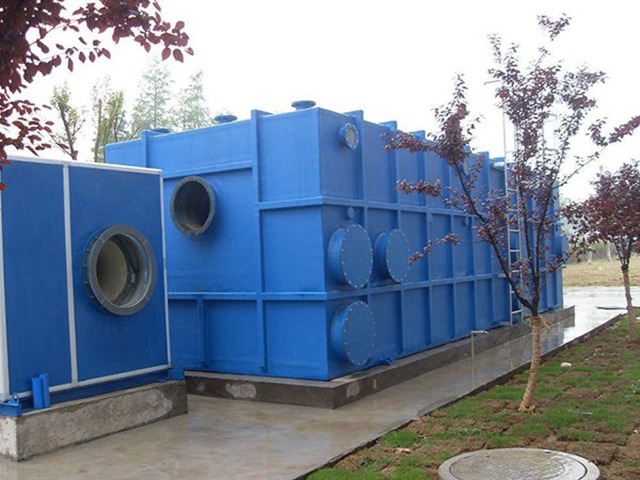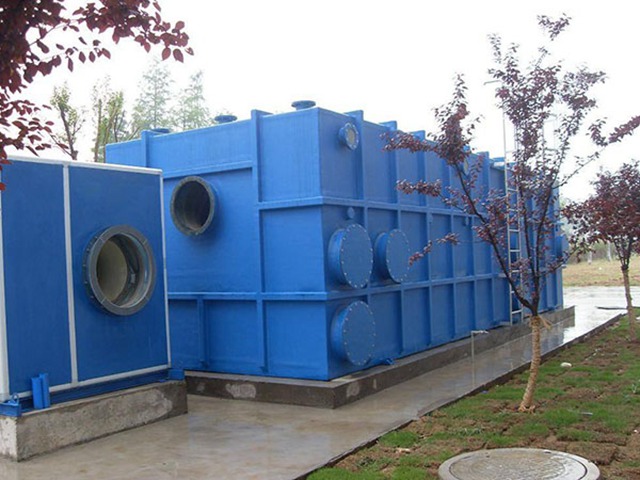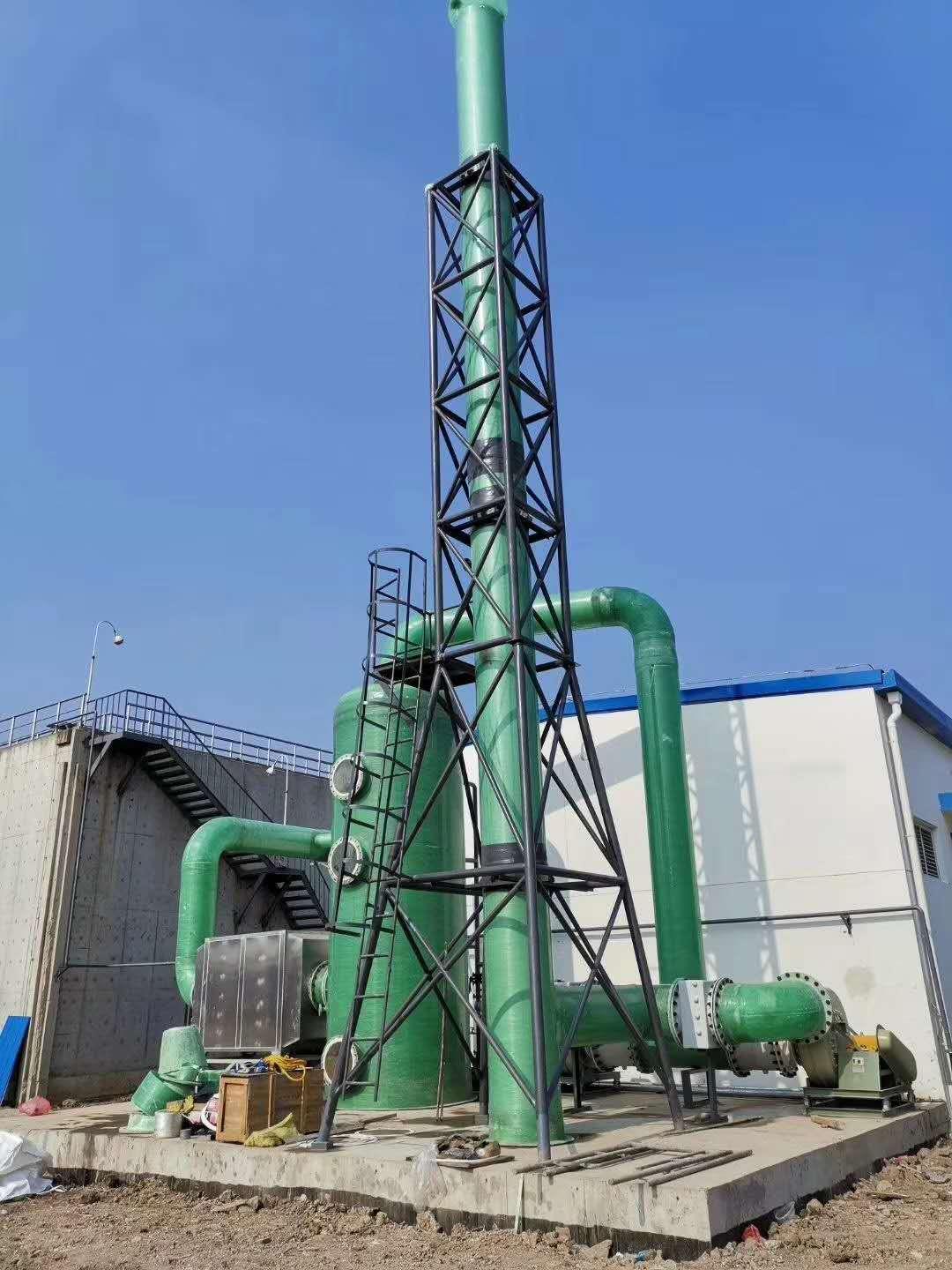








Biological deodorization primarily utilizes microorganisms for odor removal, converting odor-causing substances through their physiological metabolism, effectively decomposing and removing target pollutants to achieve the goal of odor control.
Overview
Offensive odors not only severely impact the ecological environment but also pose significant health hazards to humans, causing central nervous system disorders and diseases, and leading to chronic and acute illnesses. Heterocyclic spices have low thresholds, strong and unpleasant odors, and are prone to large-scale odor emissions during production and packaging, which can easily cause discomfort and distress to both the company's employees and surrounding populations. The waste gases produced by this factory have low concentrations but complex compositions, making them difficult to monitor and treat. Research on the control of malodorous gas pollution began as early as the late 1950s in foreign countries, accumulating abundant theoretical and practical experience. In China, research on malodorous gas pollution investigation, testing, and standards did not start until the 1980s, while the study of deodorization technology began in the 1990s.
The purpose of various methods for treating malodorous gases is to alter the material structure of the gases through physical, chemical, and biological actions, thereby eliminating the odor. Common conventional methods for treating malodorous gases include combustion, oxidation, absorption, adsorption, neutralization, and biological treatment.
Biological deodorization is a bio-remediation technology that uses a microbial biofilm cultivated on specialized biofilter media within a biofilter to neutralize odorous gas molecules.
After toxic, harmful, and malodorous waste gases containing a mixture of gas, liquid, and solid components are introduced into this system via collection pipes, they are purified and degraded by a biofilm formed by high-efficiency microbial strains grown on biological media.
This biomembrane grows and reproduces by utilizing pollutants from waste gases as nutrients; on the other hand, it breaks down toxic and harmful malodorous substances in the waste gases, decomposing them into non-toxic, harmless inorganic substances such as CO2, H2O, H2SO4, and HNO3, thereby achieving the deodorization goal.
Application Scope
Urban sewage stations (pump station odors, pretreatment odors, sludge treatment odors)
Waste Treatment Plant (odor from collection station, odor from sorting workshop)
Odor Control/Absorption for Paint Factory
Plastic and rubber factory manufacturing emissions
Feed processing exhaust gas
Offensive odor in food and beverage factory
Odor control/elimination for pharmaceutical companies
Process Flow
Three Stages of Odor Removal:
1. Toxic, harmful, and malodorous pollutants in waste gas come into contact with water, dissolving into the liquid phase as molecules or ions. This process is a physical one, adhering to Henry's Law: Pi+=HXi.
2. The malodorous components in the solution are adsorbed and absorbed by microorganisms, transferring the malodorous components from the water to the microorganisms.
3. Organic matter entering microbial cells is oxidized and decomposed by various intracellular enzymes, while simultaneously undergoing synthetic metabolism to produce new microbial cells. A portion of the organic matter is ultimately converted into stable inorganic substances such as H2O and CO2 through oxidation and decomposition.
Technical Features
1. Biotechnology, environmental hygiene, no secondary pollution.
2. Capable of handling exhaust gases containing various pollutants simultaneously.
3. High impact resistance; can operate normally with fluctuating exhaust concentrations between 3-1500ppm.
4. Short processing time and high efficiency. Purification is complete in just 5-10 seconds, with an overall efficiency of over 95%.
5. One-time biofilm application, with a variety of strain types and short inoculation time.
6. Low construction costs, low operating expenses, no need for chemicals.
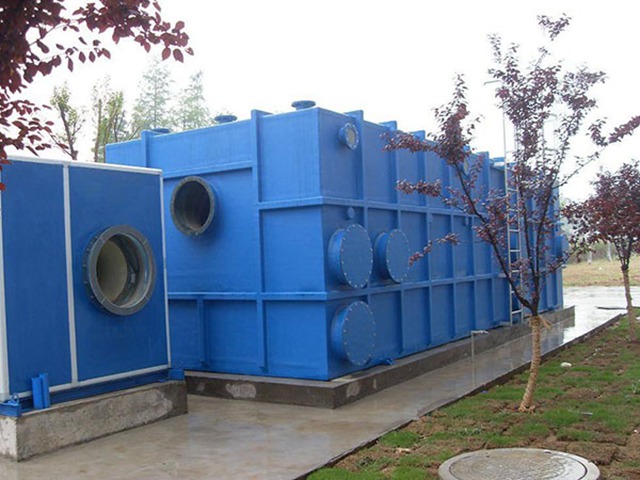
7. Made of glass fiber reinforced plastic/stainless steel, aesthetically pleasing, highly corrosion-resistant, and with a long service life.
8. Utilizes composite filter material with a large surface area, excellent breathability, and resistance to caking, ensuring a long service life.
9. PLC-controlled, with high degree of automation.
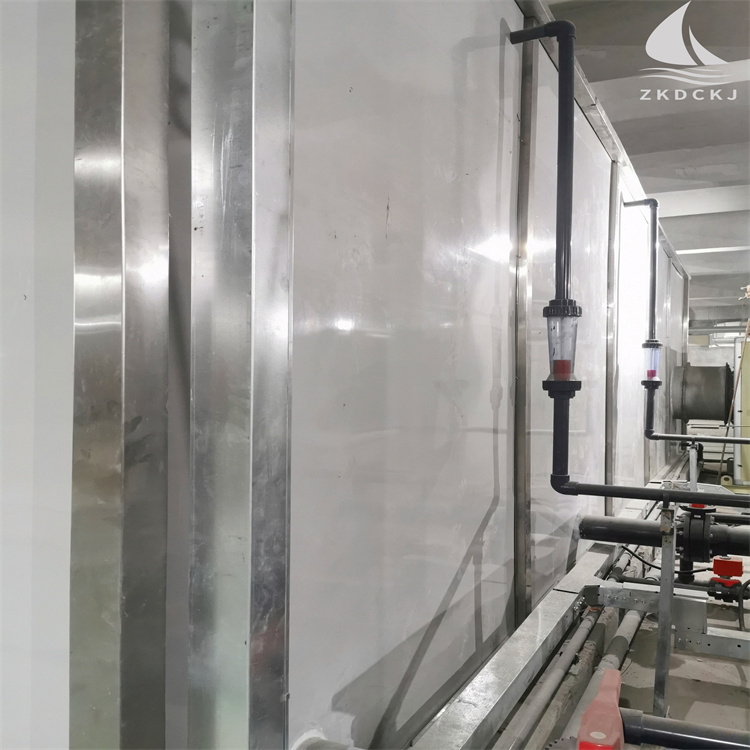
10. Double-layered structure with an insulating material-filled core, suitable for operation in cold weather conditions, featuring an anti-corrosion layer on the inner layer.
WeChat Official Account

Scan to follow Official Account