










Jiangsu Chenmao International Logistics Co., Ltd.
International Air Freight
Jiangsu Chenmao International Logistics Co., Ltd. primarily handles sea container consolidation from Jaddah and Safi, Morocco, originating from Nanjing, Suzhou, and Wuxi. We offer transshipment services across the entire African continent and provide local sea import/export services.
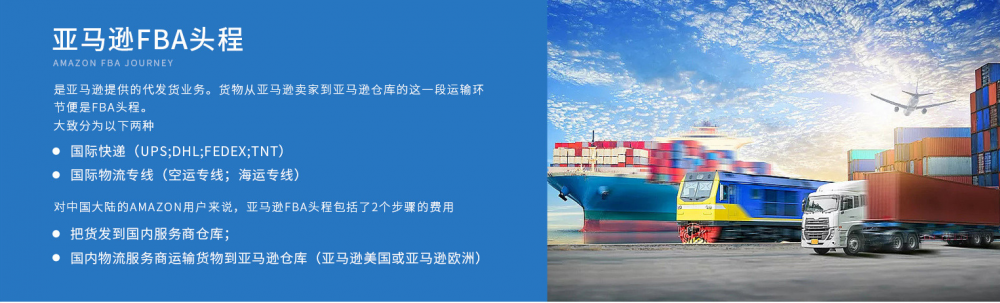
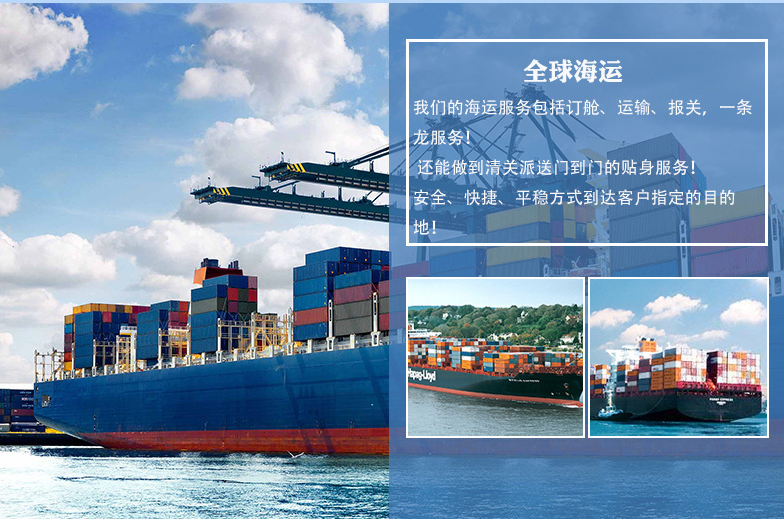


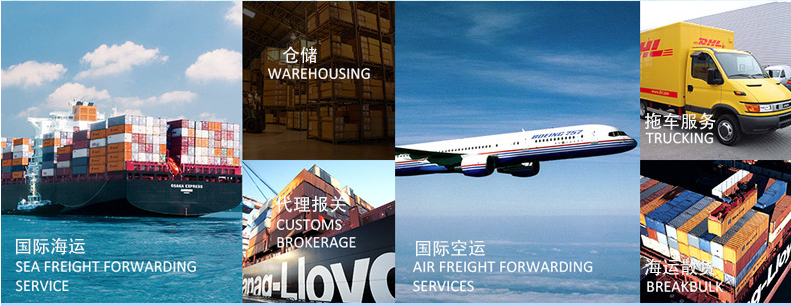
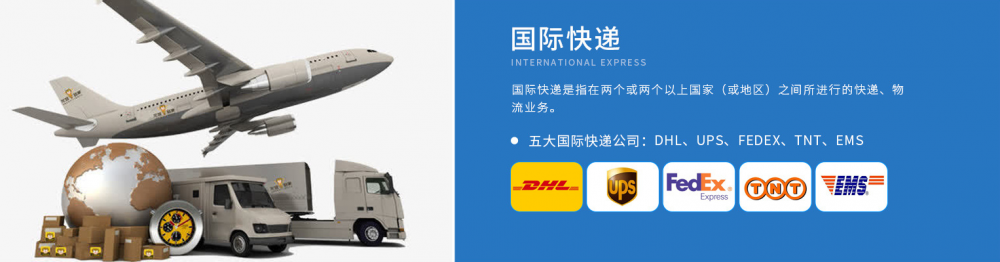
Scope of Business: Handling international transportation of sea and air cargo imports and exports, including cargo collection, booking, warehousing, transshipment, container loading and unloading, customs declaration, inspection, primarily marine transportation, import and export, customs clearance, trucking, and related transportation services and consulting. Bulk shipments are welcome, free warehousing provided, and space guaranteed!
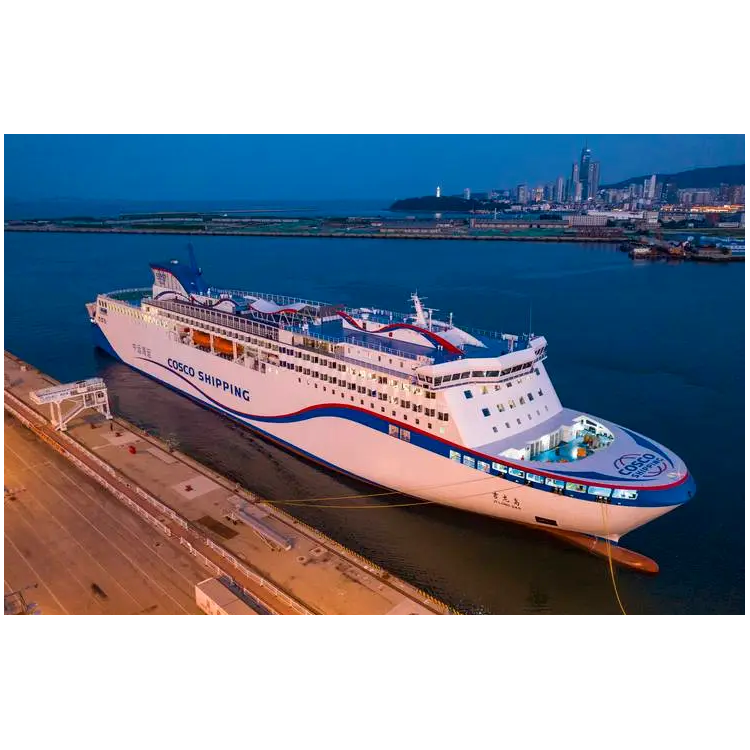
Focused on container, general cargo, and heavy equipment export sea shipping; offering FCL (Full Container Load) and LCL (Less than Container Load) door-to-door services, and international multimodal transport services; handling EPC and BOT project logistics from China to overseas. Tailoring to customer needs, we provide professional and cost-effective customized container shipping solutions. With over three decades of international freight experience, we hold a leading position in the professional LCL and FCL NVOCC operations. Viga Logistics offers comprehensive services in marine, air, road transport, warehousing logistics, inventory management, and information consulting. Through an extensive service network and the provision of global transportation solutions, we offer comprehensive, attentive point-to-point services for regional and international export cargo transport. Particularly strong in the Africa route, India route, Mediterranean route, Red Sea route, and South America route; we have a distinct advantage in "door-to-door" and "door-to-port" multimodal transport from China to Africa's inland, China to Turkey's inland, China to India, and China to Iran. Our network across major ports and inland points supports marine and land transport services, providing clients with diverse transportation solutions swiftly, ensuring reasonable cargo routes and more efficient delivery.
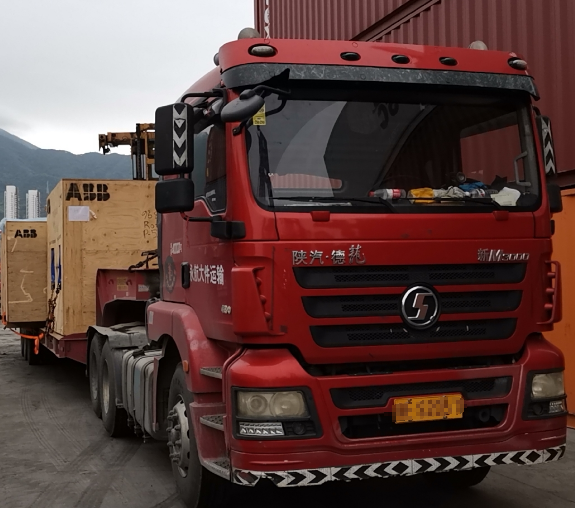
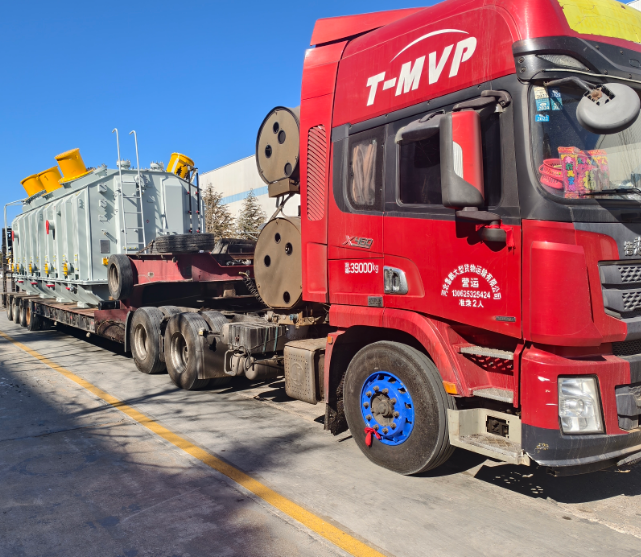
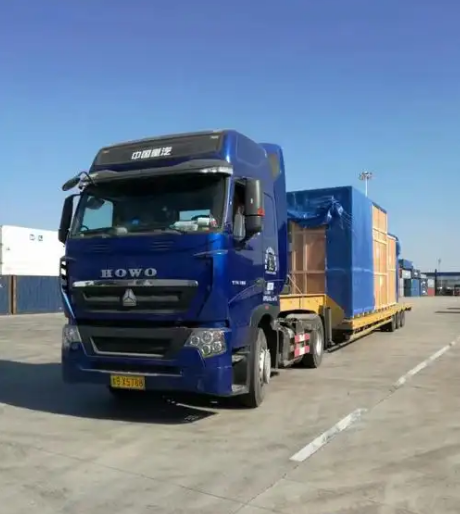
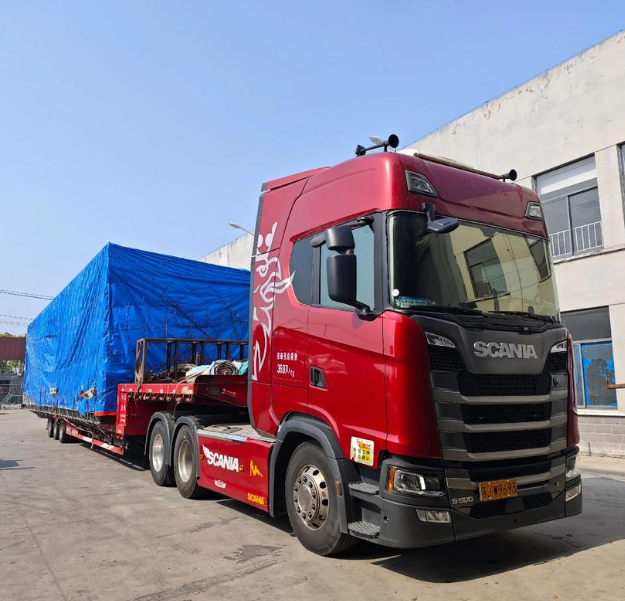
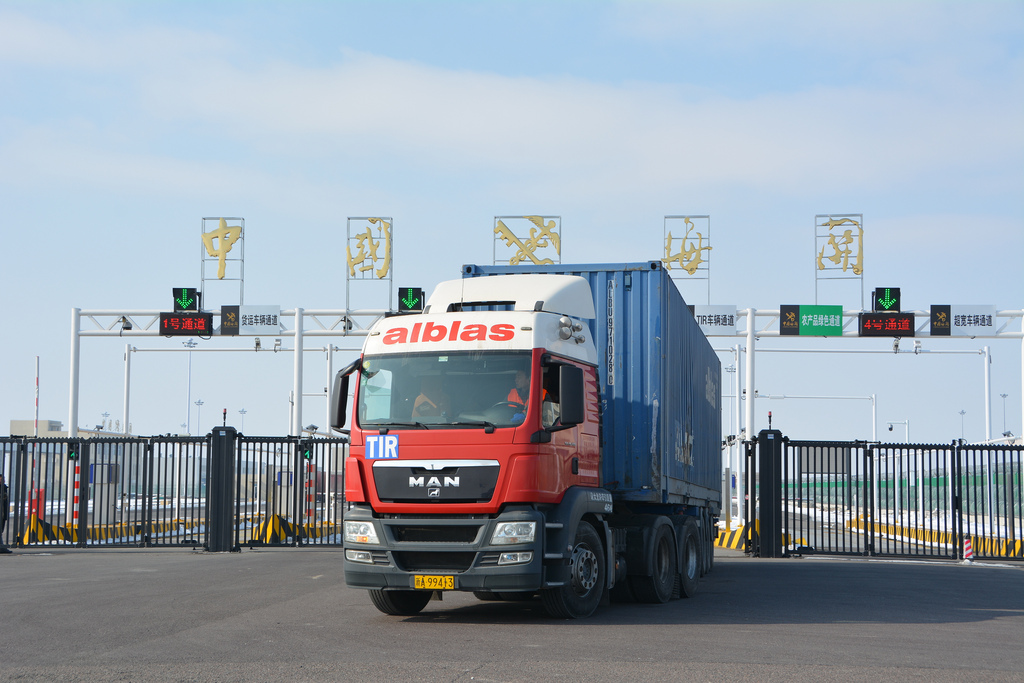
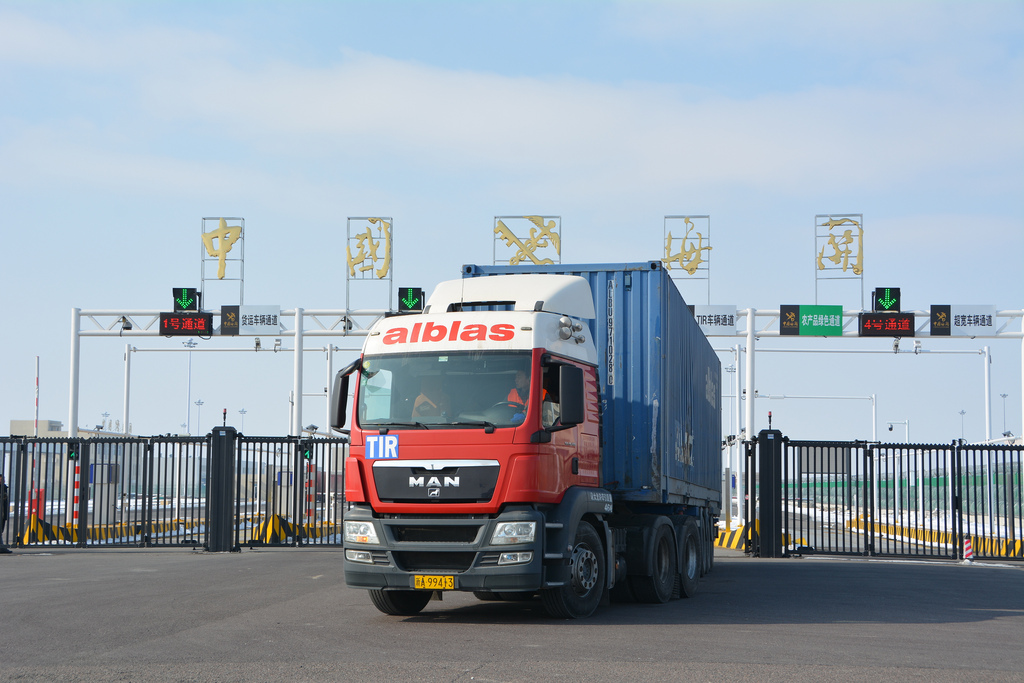
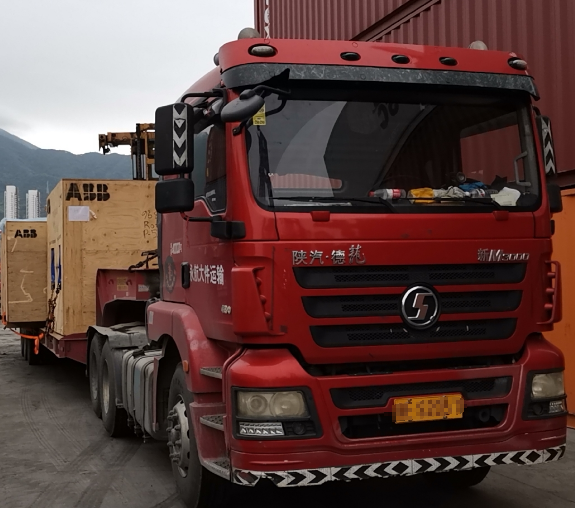
Our company operates its own fleet, specializing in providing FOB export cargo transportation and customs declaration services for enterprises in Jiangsu, Zhejiang, and Shanghai, addressing the issue of high freight forwarding trucking costs. We focus on comprehensive port logistics, container, general cargo, special cargo, and large equipment inland transportation; offering trunk and branch line transportation services between ports, cities, factories, or delivery points; undertaking door-to-door transportation services within China for international multimodal transport; and handling logistics, distribution logistics, exhibition logistics, cold chain logistics, personal items, food, automotive and automotive parts, electronic components, and furniture home goods transportation supply chain management services. To adapt to the ever-changing market demands and enhance the professionalism of freight transportation, our company has implemented office automation, established an internal local area network, and is committed to scientific management. We utilize international freight management system software to provide standardized sales, operation, and financial services, monitor goods throughout the entire process, and offer high-quality services and work efficiency to our clients. We provide a comprehensive "one-stop" logistics service, including ocean, land, air, express, warehousing, customs declaration, inspection, insurance, and distribution, available 24/7.
Full Container Load (FCL) Export Process
Firstly, confirm the freight rates and corresponding shipping schedules.
Be sure to confirm prices in detail to avoid disputes after placing an order. Be clear about the deadline for the ship's schedule to prevent missing the time for making up goods due to errors or other issues. When in doubt, ask the shipper or clarify with the supplier whether it's a full container or breakbulk, if there's branding, size, usage, etc.
2. Booking a shipping space
When the client decides to ship goods to Africa by sea, they should start booking the container. Have the business team assist the client in filling out an order manifest, and then book the container with the supplier based on the client's information. Booking details: departure port, destination port, cargo name, weight, volume, which shipping company, from which terminal, which ship's cutoff date, what type of container, method of payment, freight and additional charges, etc. The more detailed these pieces of information are, the better. The issued document is a Sales Order (SO), and the container loading usually occurs two days before the cutoff date.
3. Trailer
Receiving Container Requires Warehouse Opening Time After Cut-off Date; Warehouse Opening Time: 7 Days Prior to Cut-off Date. A Sales Order (SO) is required for container loading; provide the SO number to the customer or trucking company upon arrival. Customer needs to provide loading time, location, and contact person. After filling out the delivery slip based on the provided information, provide it to the trucking company. On the day of loading, the trucking company will send the container number, seal number, driver's mobile phone number, and license plate number. These are collectively referred to as driver information. Send it to the customer after receiving it for easy meeting with the driver. Remind the driver to weigh the goods.
4. Customs Declaration
Prior to loading, remind the customer to provide a detailed packing list for confirmation by the customs broker. After the container is loaded, provide the customer with an accurate and detailed packing list, and remind them of the necessary documents to prepare, avoiding last-minute discussions with the customer that may lead to unavailability. If the customer is unsure how to handle the packing list, provide a form for them to fill out, which will facilitate our suggestions and feedback. If the customer's goods are diverse, remind them to select the important and abundant items. If the customer doesn't have the HS Code, suggest they inquire abroad about which items are easier to clear customs.
5. Material Replenishment
The material supplementing time can be conducted simultaneously with customs declaration. After the container is loaded, the customer needs to fill out the material supplement form. Remind the customer to write in English and emphasize that no errors can be made; any mistakes will require a correction fee. Some freight forwarding companies can provide the filled-out form for customer verification. Material supplement information form: You also need to pay for the customs code form. The customs code can be self-inquired. Note that the customs code will not be displayed on the bill of lading. If it's collect on delivery, and the user needs to use a letter of credit to pay for shipping fees, the name on the bill of lading must match the name on the letter of credit. The user may also inquire about whether to fill in certain information on the bill of lading. These can be consulted with the shipper or the upstream party to see if they can be displayed on the bill of lading or in the product name column. The material supplement must include a postal code. Confirm with the customer that everything is correct before submitting. An important point is to verify the bill of lading confirmation. All information must be checked letter by letter to avoid losses. Also, send a copy for the customer to verify. Once both parties have verified, submit the confirmation. Remind the user to issue the original according to this.
6. Invoicing
Await invoice issuance, prepare the customer's invoice accordingly. Inquire whether the payment should be made personally or on behalf of the company. Be meticulous when preparing the invoice; ensure no deductions are missed. We will only arrange payment to the supplier after the customer has made the payment. Mail the original invoice upon receipt and then prepare the profit and loss statement. This concludes the transaction.
Barge
If the goods are shipped from Guangzhou, there will be issues with barge transportation. The barge needs to be transported on an international transshipment vessel, as only one customs declaration is required for international transshipment. The customs brokerage firm also requires the use of international transshipment vessels, so it's important to clarify the upstream transshipment vessel schedule. The cargo must be loaded into the container 4 days before the small vessel departs. The upstream party assumes the small vessel bill of lading, but we need to confirm whether the customer wants a small vessel or a large vessel bill of lading. The difference between the small vessel and large vessel bill of lading is the sailing time, port of departure, and vessel name and voyage (this is the short-range port of departure location, versus the transshipment location for the large vessel). Documents required: When preparing the Certificate of Origin (CO), a copy of the bill of lading is not needed; the customer only wants to see the sailing date.
8. Formal ship departure, carrier transportation