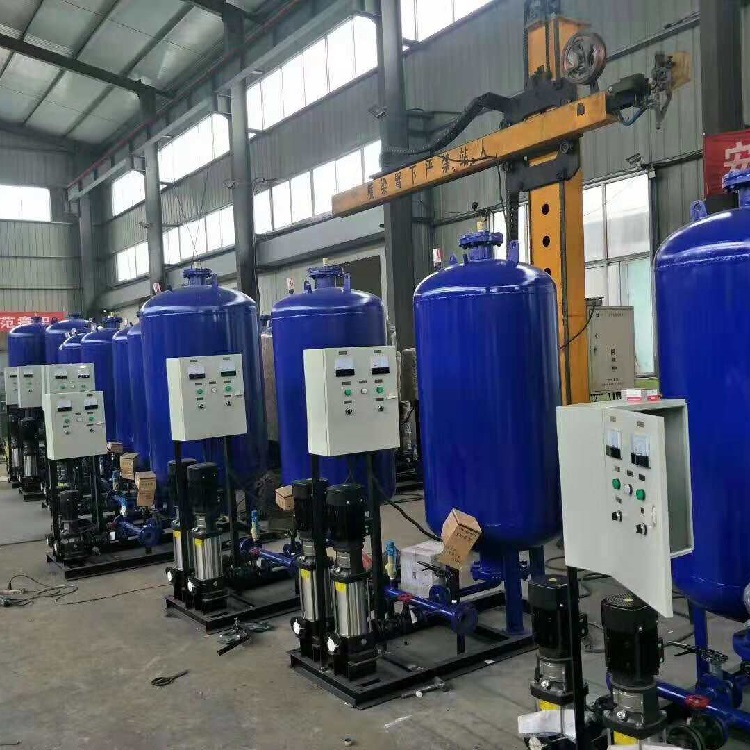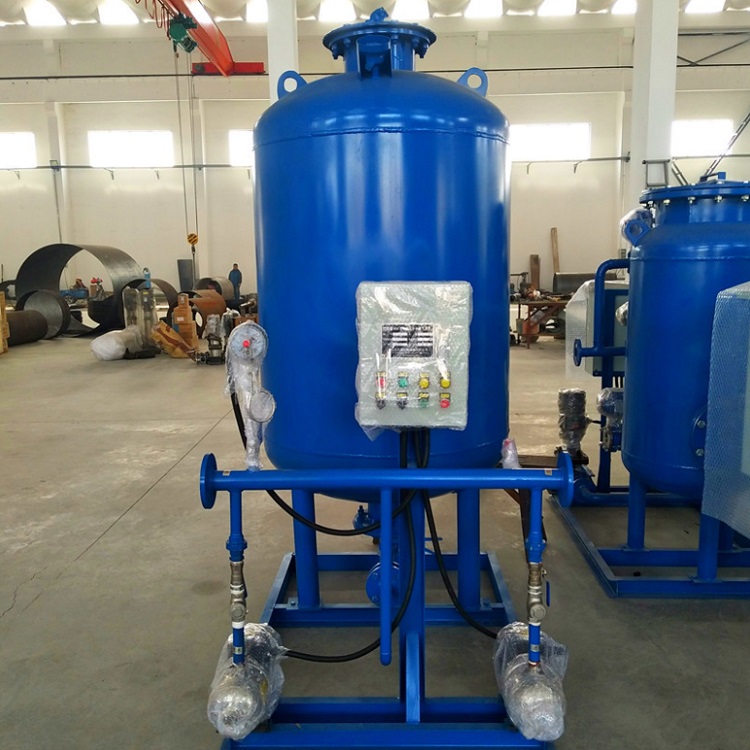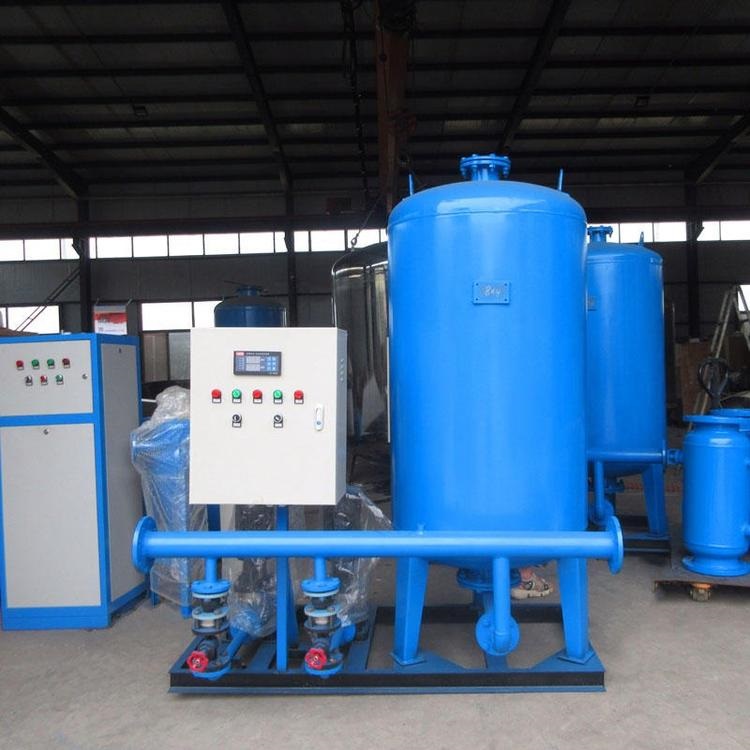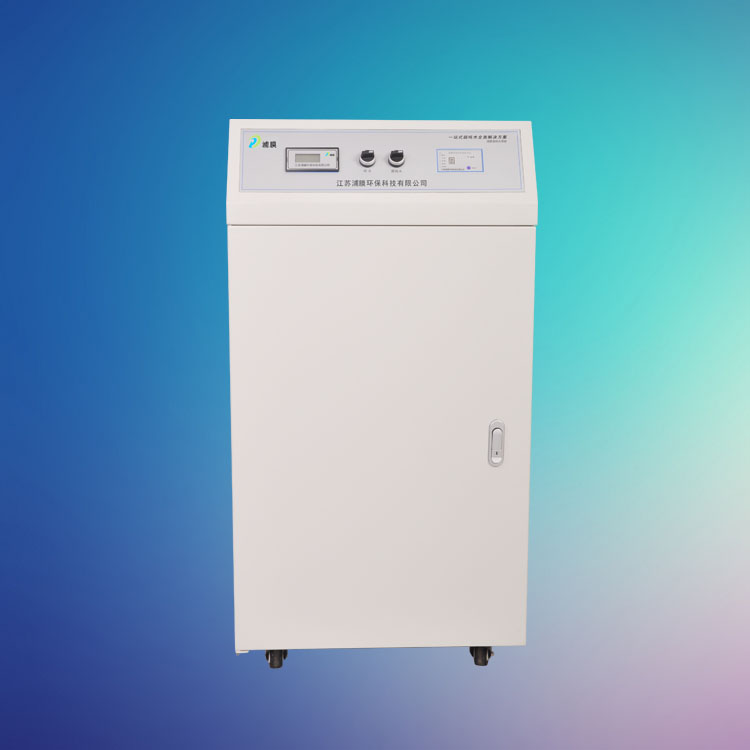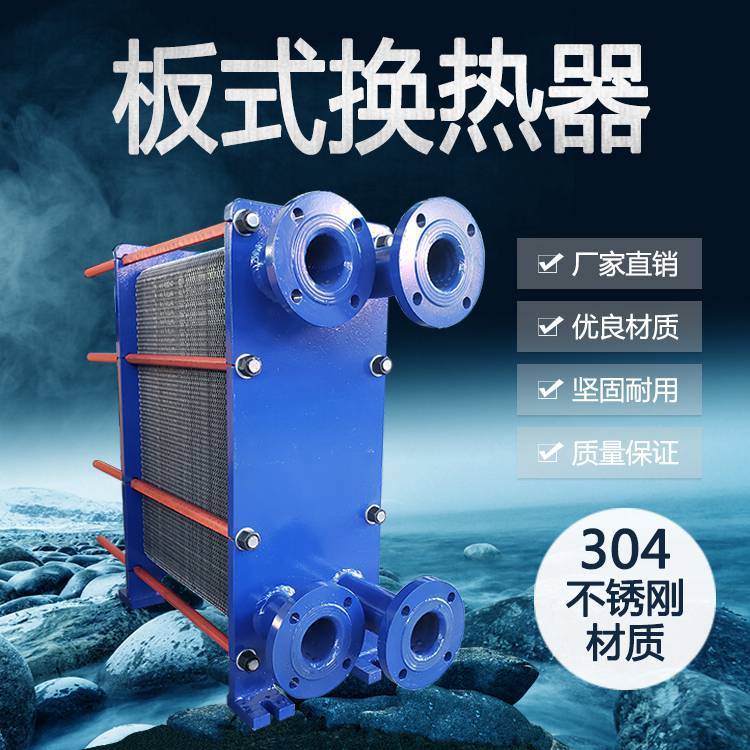

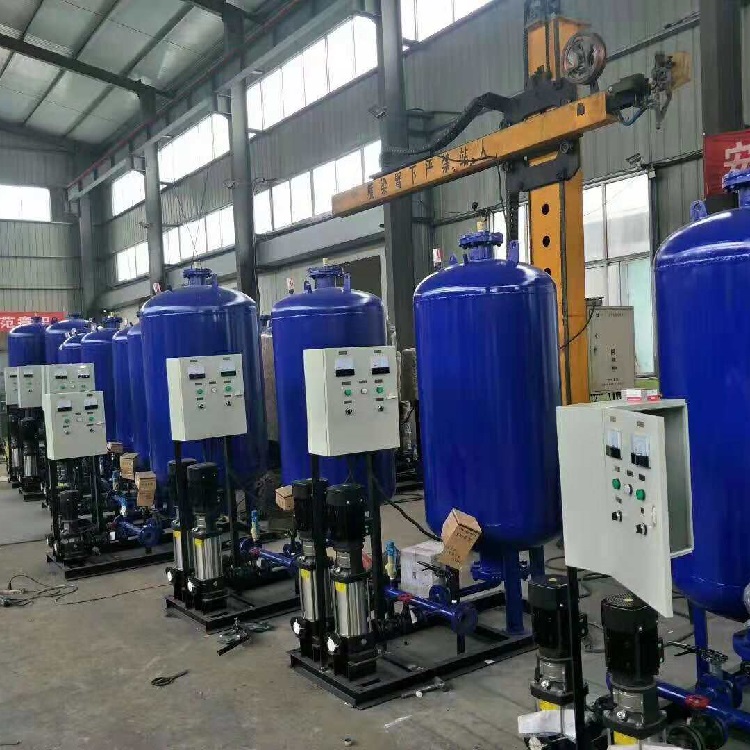


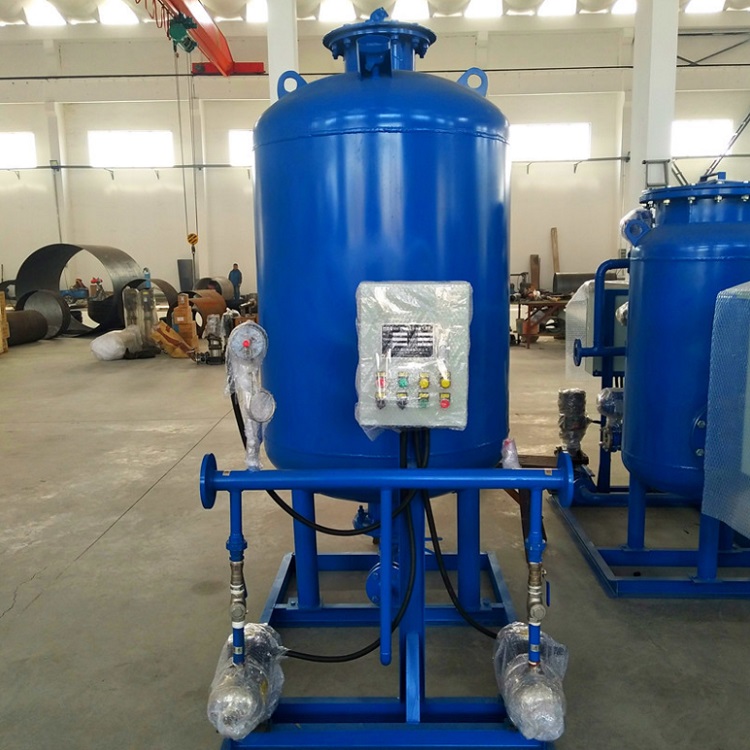
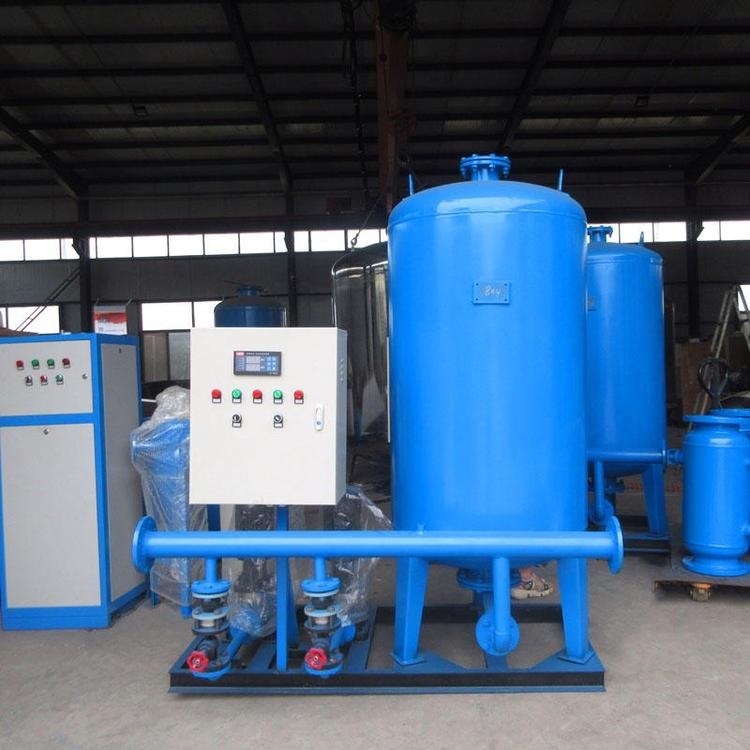


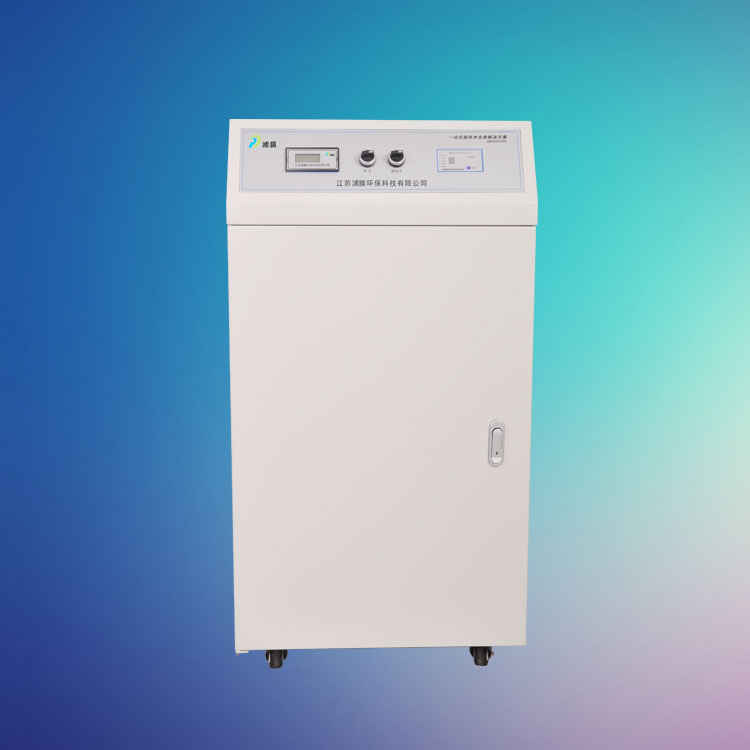






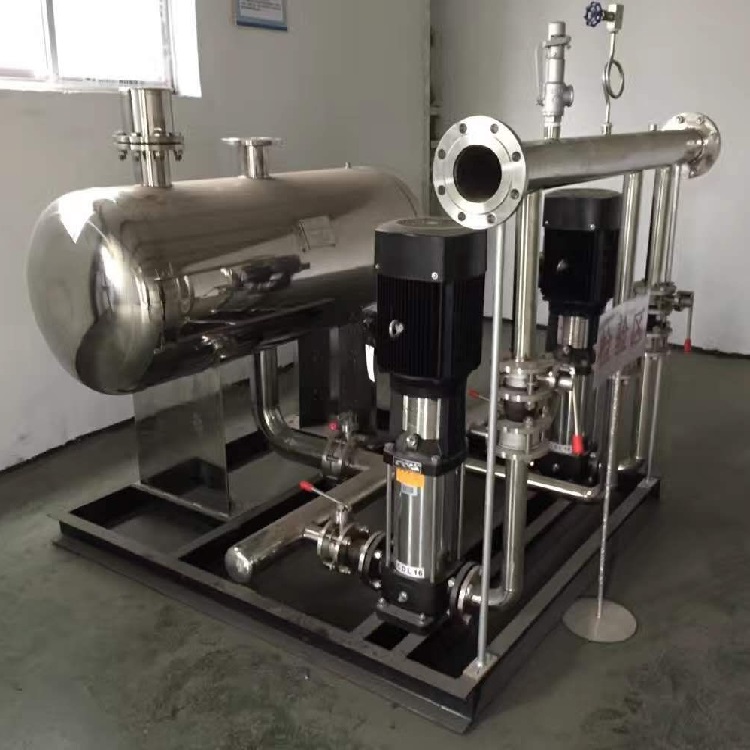
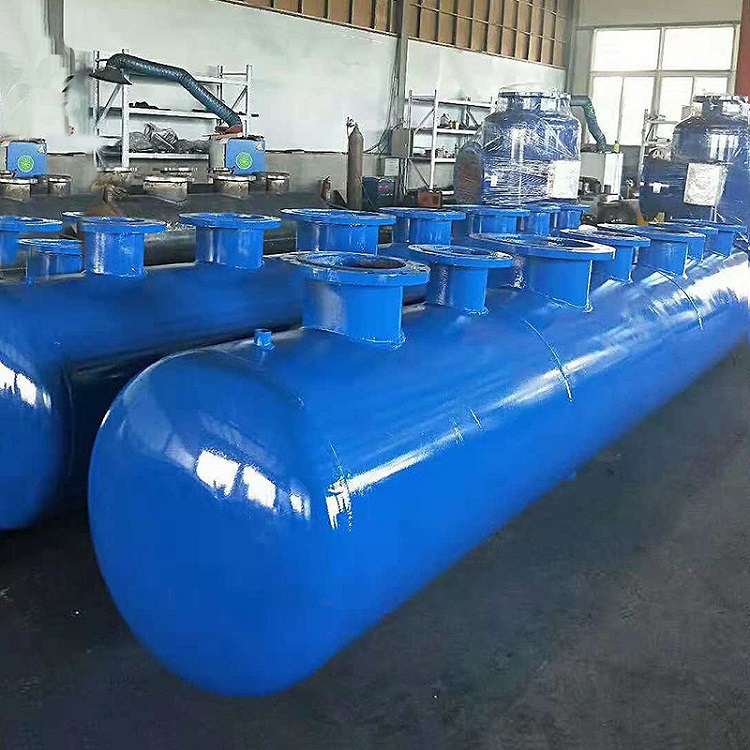
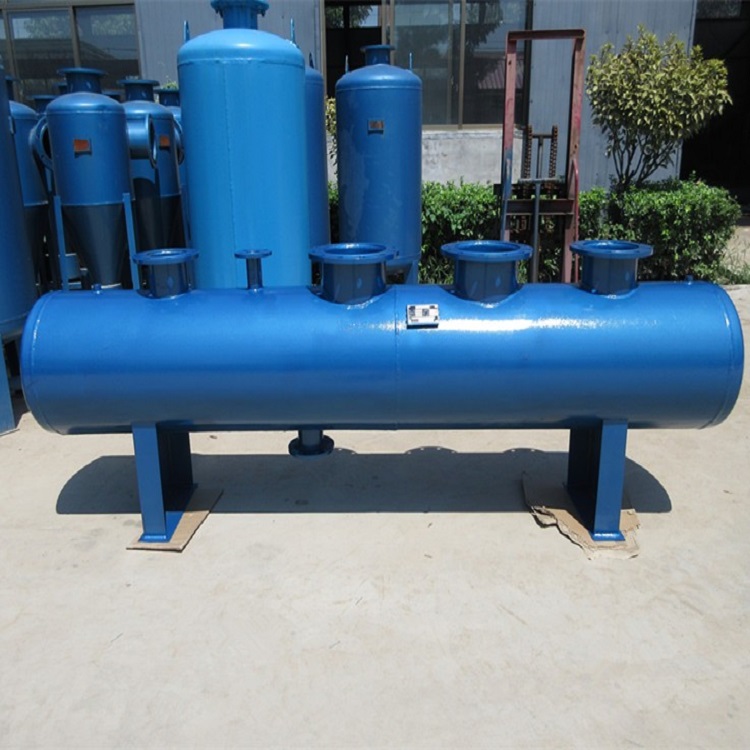
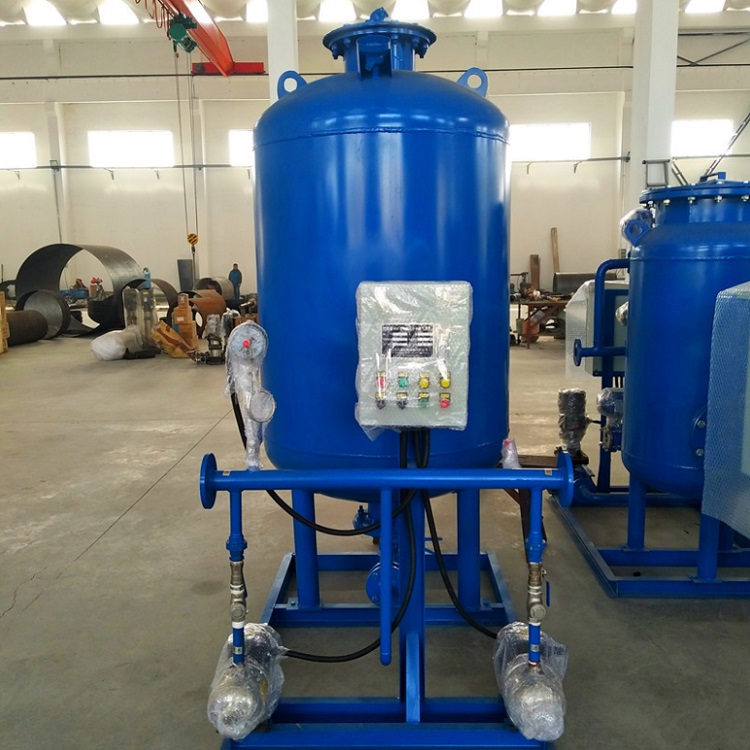
The pressure-regulating water supply unit employs the system's static pressure as the initial pressure head for the expansion tank, and uses the pressure to prevent hot water from boiling as the operating terminal pressure head within the expansion tank.
Product Application
1: Used for pressurized water supply in production, fire protection, and domestic systems, commonly referred to as a bladder-type automatic water supply unit.
2: Used as a pressure-regulating and water-supply device in heating and air conditioning systems, commonly referred to as a bladder-type floor-standing expansion tank.
Product Features
One-time inflation ensures long-term use.
2: Air and water inside the drum do not come into contact, ensuring water quality remains uncontaminated and the drum is not corroded.
3: Eliminates water hammer and noise in the pipeline.
Operating Principle
Upon initial operation, the water replenishment pump is first activated to fill the water chamber within the system and the pressure vessel. Once the system is full, excess water is compressed into the capsule. Due to the incompressibility of water, as the volume of water in the chamber increases, it expands and compresses the air chamber, causing the pressure inside the tank to rise continuously. When the pressure reaches the designed level, the water replenishment pump is shut off by the pressure controller. If the system pressure increases due to water expansion upon heating and exceeds the design pressure, the excess water is drained through an electromagnetic valve back to the water replenishment tank for recycling. When the system pressure exceeds the working pressure of the pipeline or equipment, the safety valve opens to protect the pipeline and equipment. If the system pressure drops due to leaks or temperature decrease, water from the capsule is continuously pressed into the pipeline to compensate for the pressure loss. When the system pressure reaches the designed low-pressure limit, the water replenishment pump is restarted by the pressure controller to refill the pipeline and pressure vessel, and this cycle repeats.