













Sewage Elevator Pumps
Product Introduction
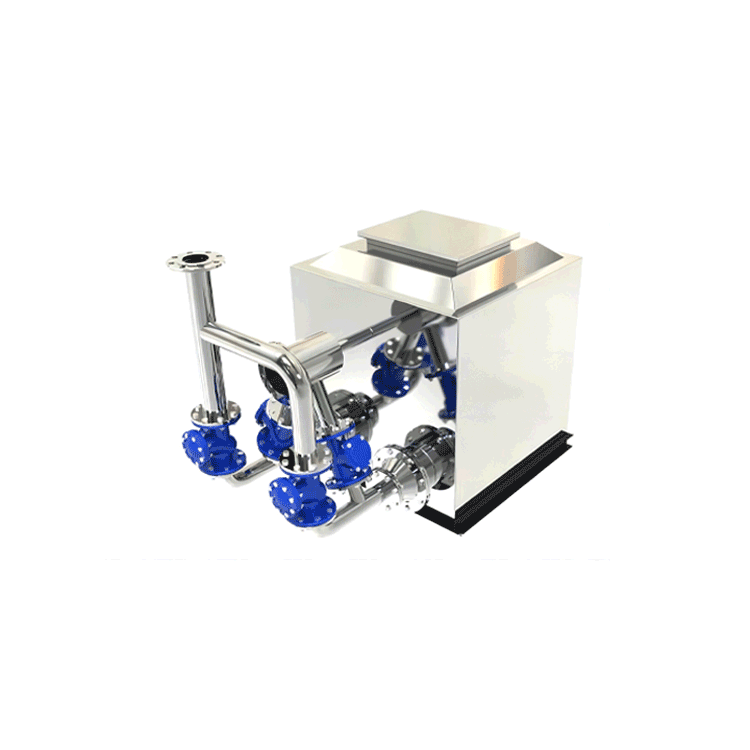
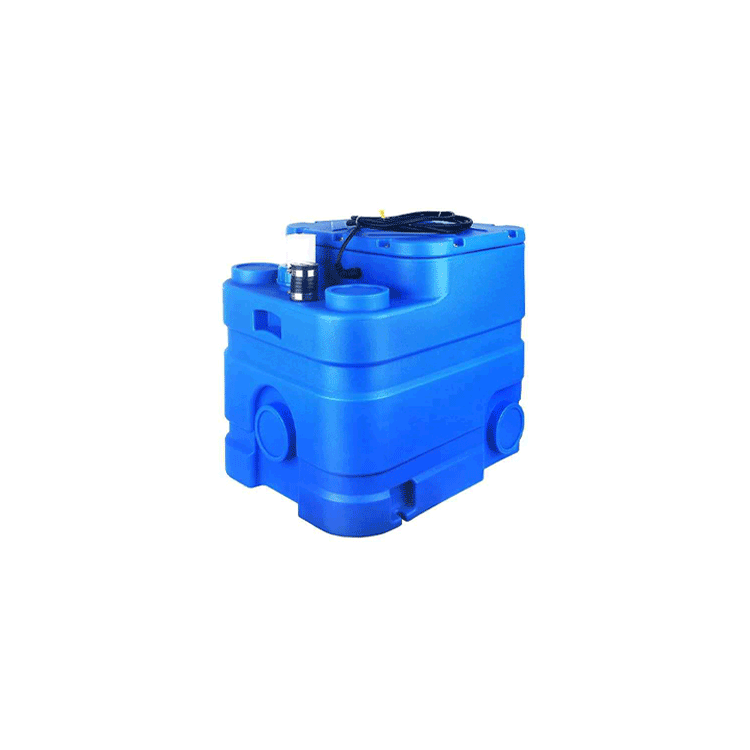
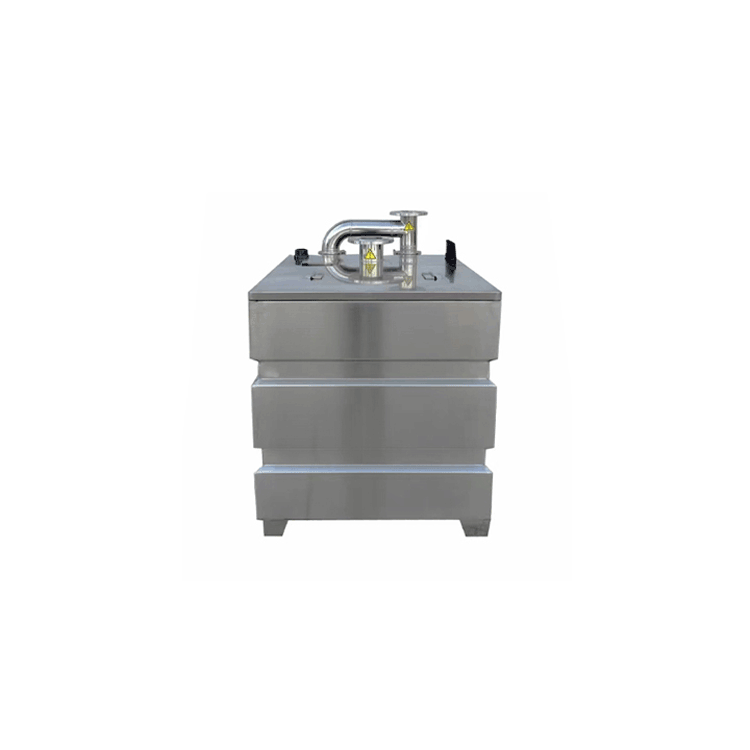
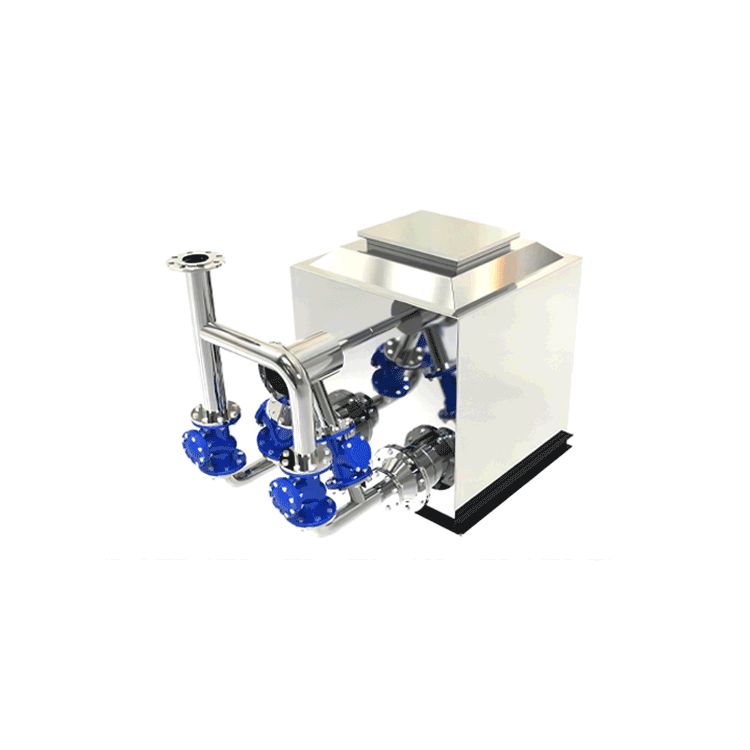
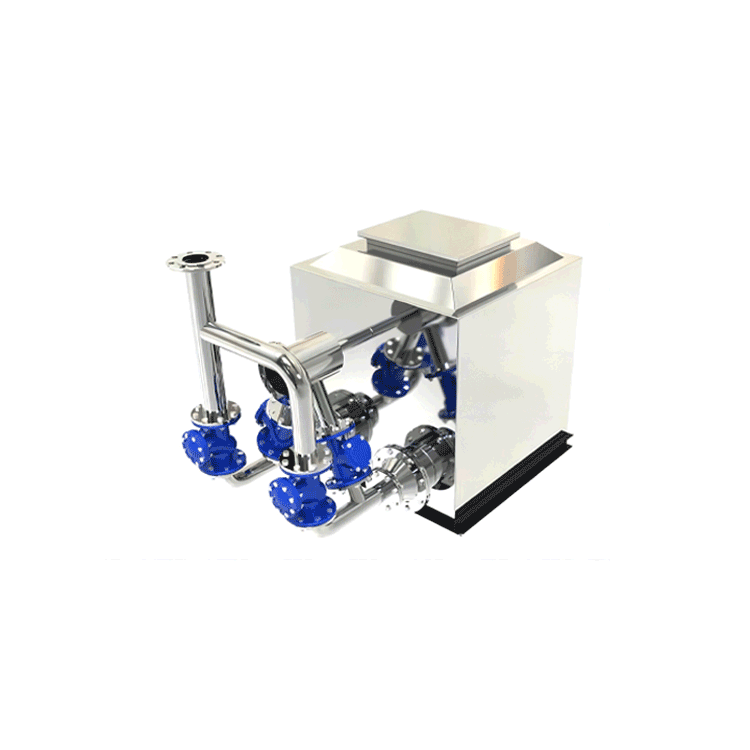
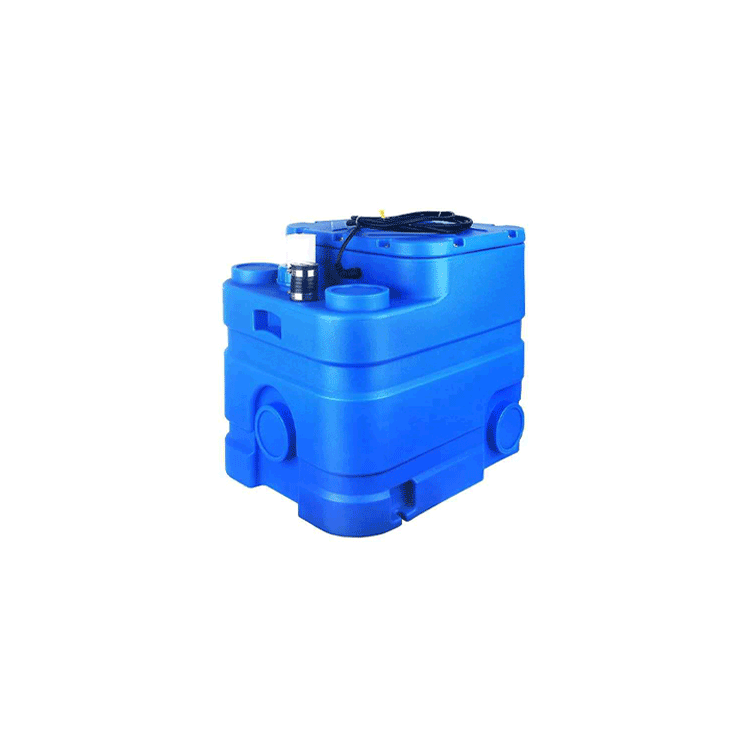
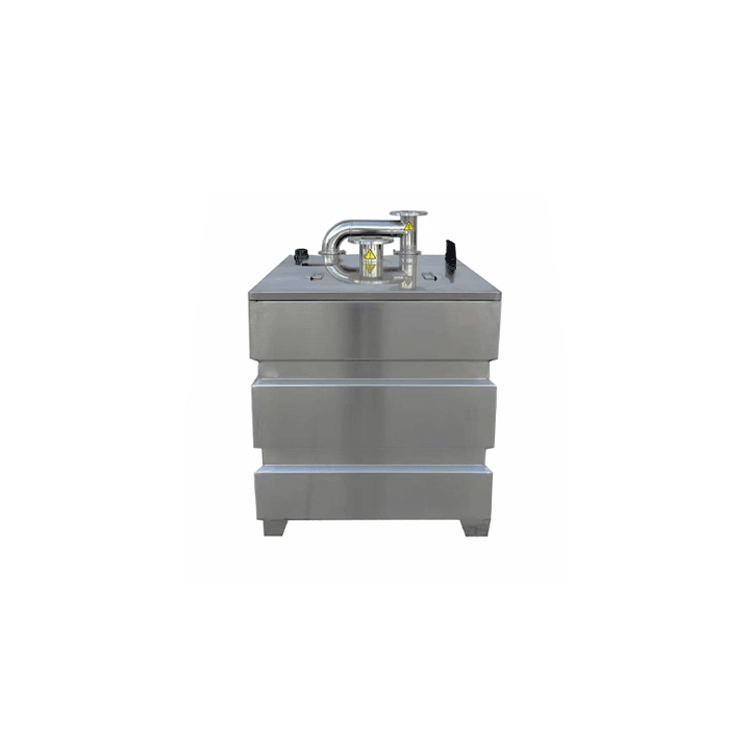
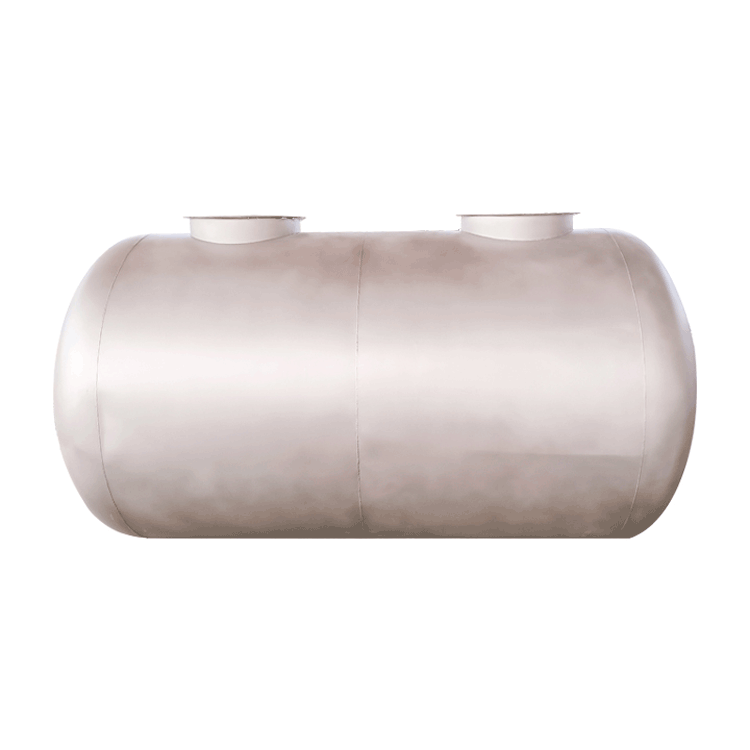
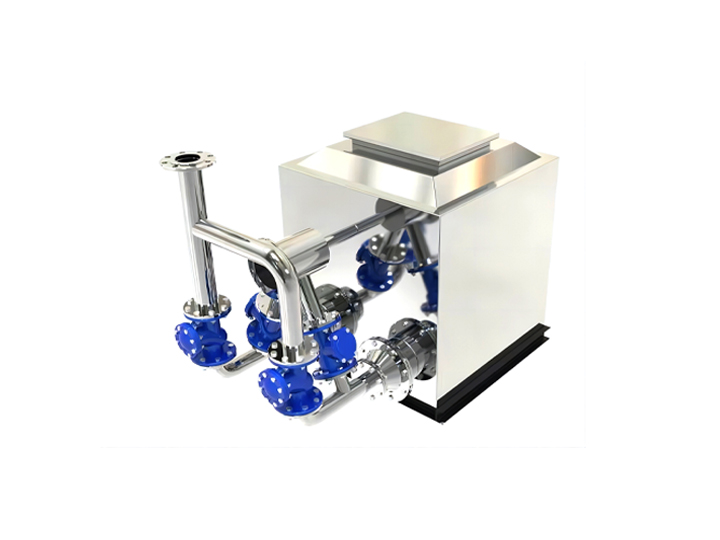
A sewage pump is a specialized device for lifting sewage from low to high levels for further treatment. Common types include stainless steel sewage pumps and PE sewage pumps. They are often used in basements, ships, vehicles, and other locations far from drain stacks and poor drainage conditions, where they can collect and treat bathroom wastewater. It mainly consists of a collection (sewage) tank, lifting pump, auxiliary drainage pump, control cabinet, and corresponding filters, pipes, valves, etc. The working principle involves placing a single-phase water pump in a small container, with the pump's control being managed by an air pressure switch. The drainage from toilets, sinks, bathtubs, etc., in basements is channeled into the sewage pump's tank, and then the pump inside the sewage pump lifts the sewage to the outside.
Product Advantages
1. Highly Corrosion-Resistant. Stainless steel is a material that boasts excellent corrosion resistance, as well as resistance to oxidation, high-temperature tolerance, and wear resistance. This allows stainless steel sewage lifters to withstand various complex environmental conditions during sewage treatment, thereby extending their service life.
2. Stable Operation. The stainless steel sewage pump employs technology that ensures the stability and reliability of the equipment. It features an automatic control system, capable of automatic on/off, thereby avoiding human error and enhancing work efficiency.
3. Simple Maintenance: The structure of the stainless steel sewage pump is straightforward, making it easy to maintain. Regular cleaning and maintenance are required to ensure the equipment operates smoothly. Additionally, the stainless steel material is easy to clean, which can reduce the frequency of cleaning.
4. Energy-efficient and Eco-friendly. The stainless steel sewage pump utilizes energy-saving technology, which reduces energy consumption, minimizes noise and vibration, and also contributes to decreased carbon dioxide emissions, thus protecting the environment.
Application Scenario
1. Basement: Due to its low elevation, the basement often cannot naturally drain wastewater. Therefore, a sewage pump is required to lift the wastewater to a higher level. All drainage from the toilet, sink, bathroom, etc. within the basement flows into the sewage pump chamber, and then the pump inside the unit elevates the wastewater to the outdoor area.
2. Ships: Sanitary facilities on board ships, such as toilets, produce wastewater. Due to the limited space and distance from land, a wastewater pump is required to collect the wastewater, which is then discharged into the sea through dedicated pipes.
3. Vehicles: Certain large vehicles, such as buses and trucks, cannot naturally drain wastewater due to their toilets and cleaning facilities being at the bottom. Therefore, a wastewater pump is required to elevate the wastewater to a higher level before it is discharged through dedicated pipes to an appropriate wastewater treatment facility.
4. Special venues: Such as sports stadiums, exhibition halls, theaters, and other large public places, due to the numerous and scattered toilets, a sewage elevator is required to collect wastewater from various locations and discharge it centrally into the municipal sewage pipeline or wastewater treatment facilities.
In summary, the applications of sewage lifters are typically in locations where wastewater cannot be discharged by gravity, necessitating the pumping of wastewater to a higher level before it can be released.