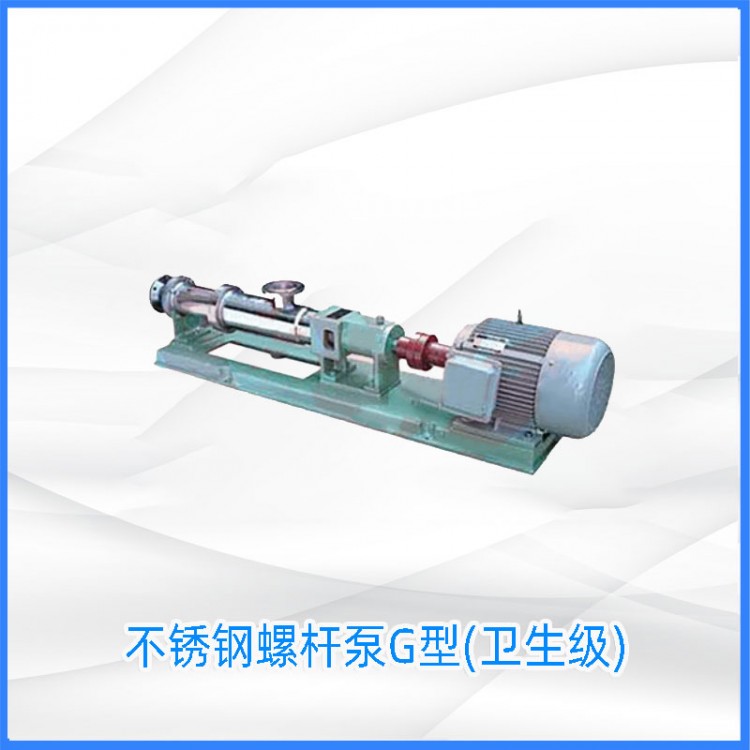


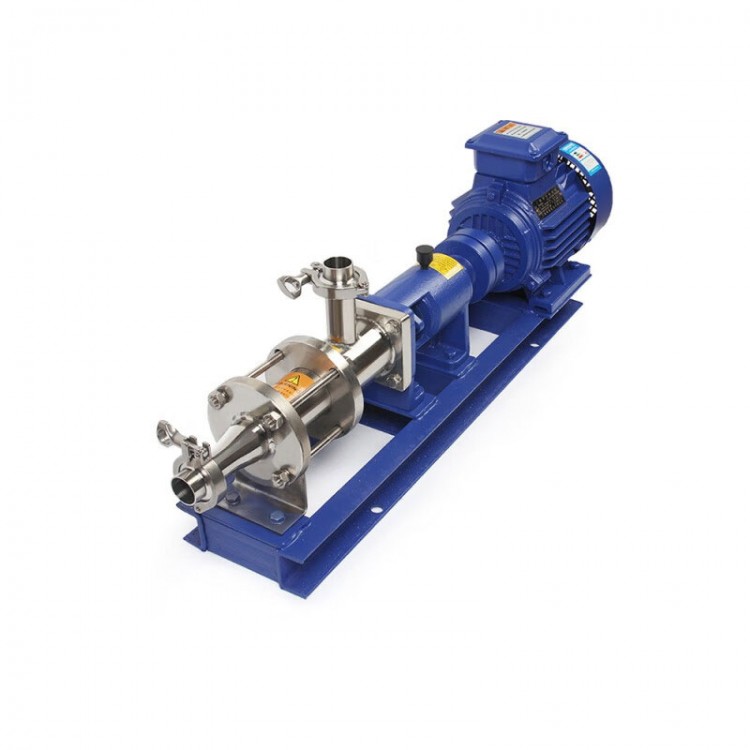
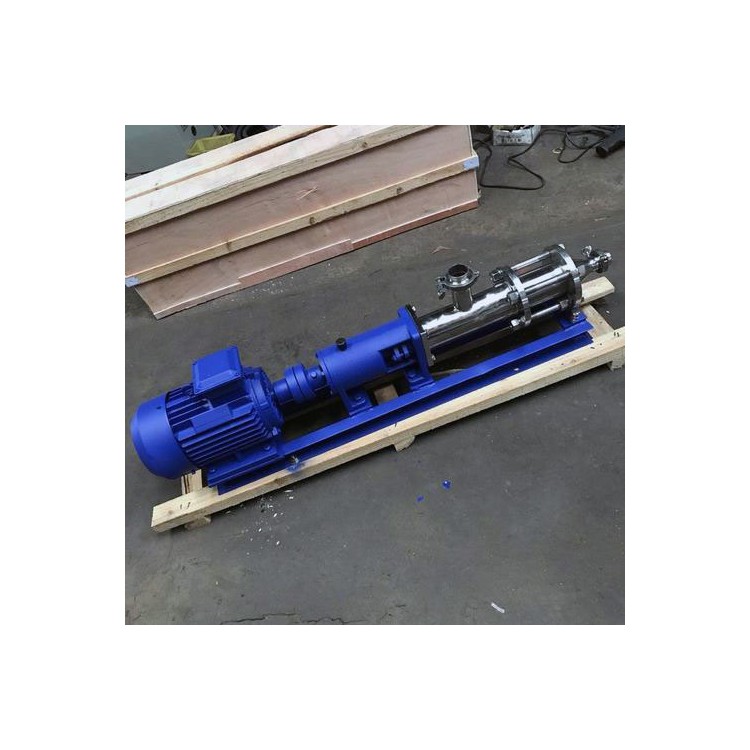


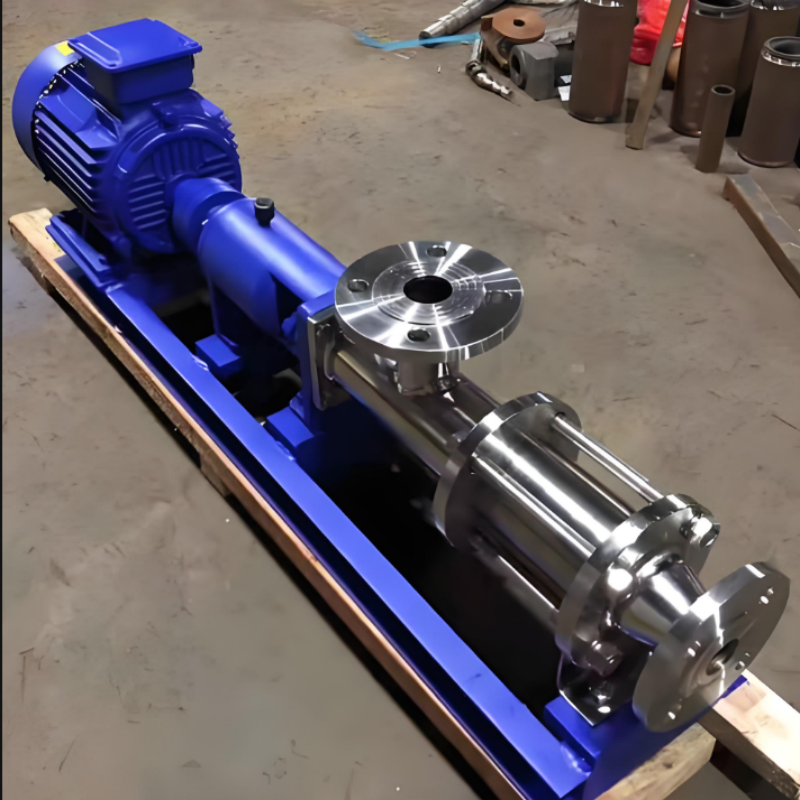
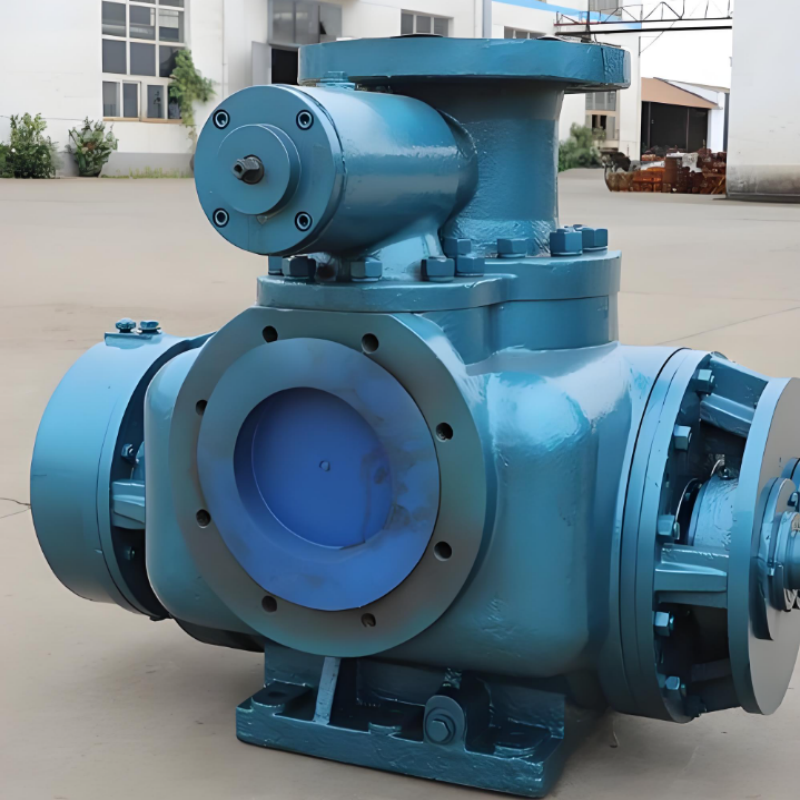
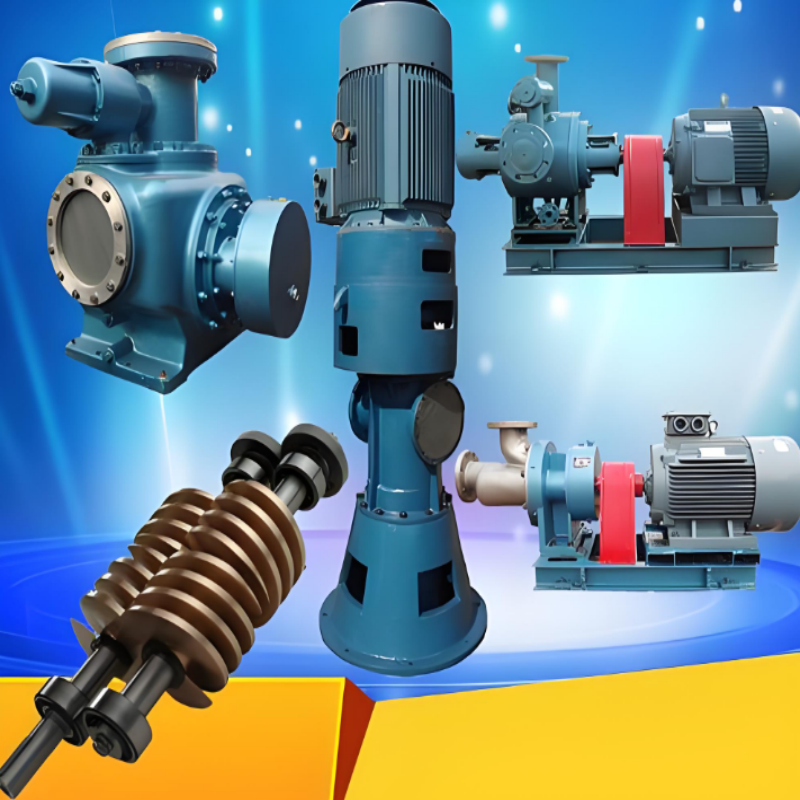
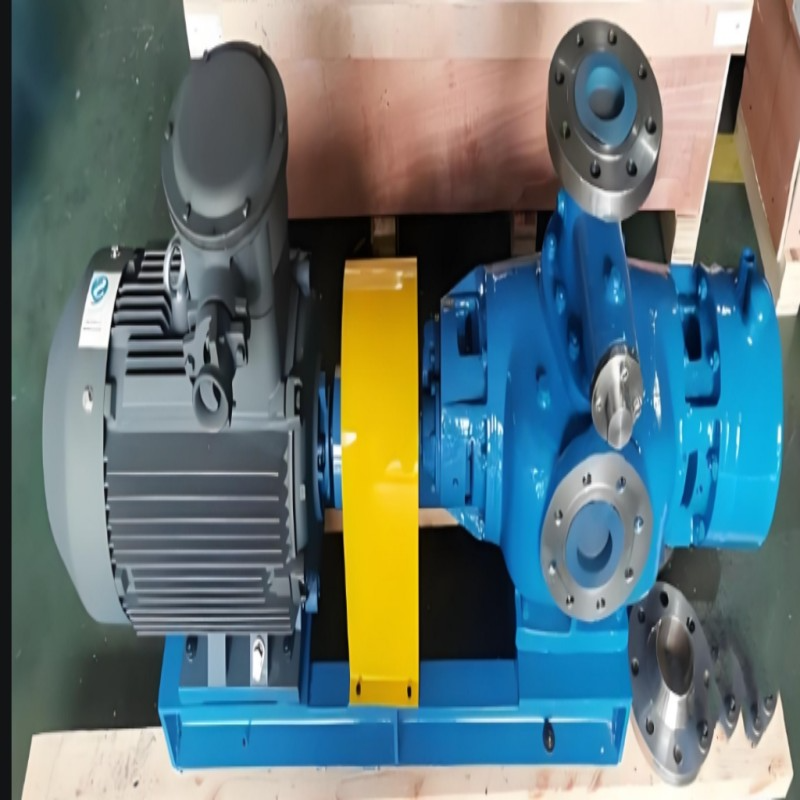
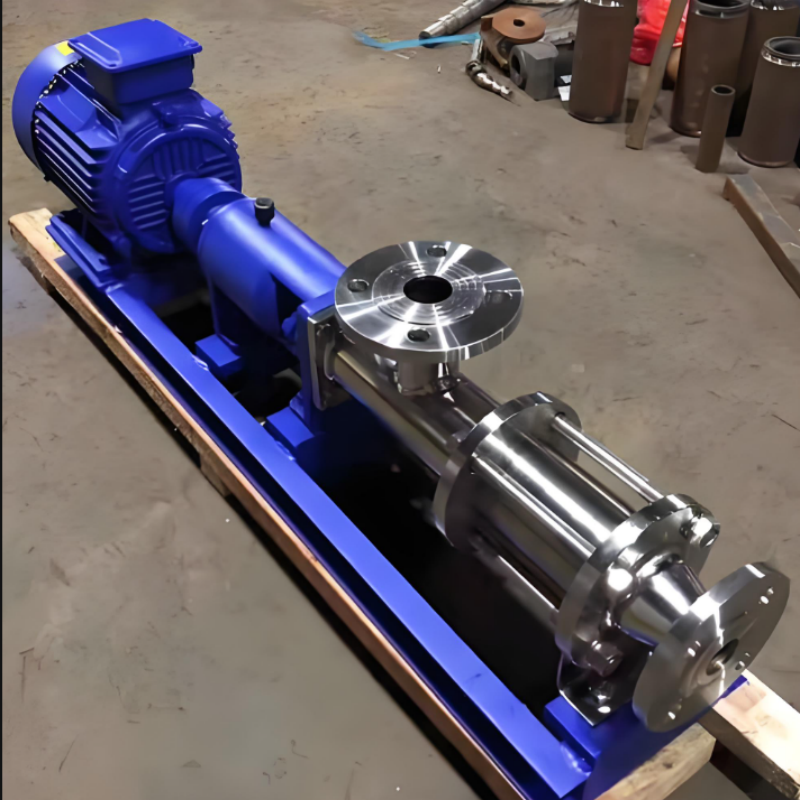







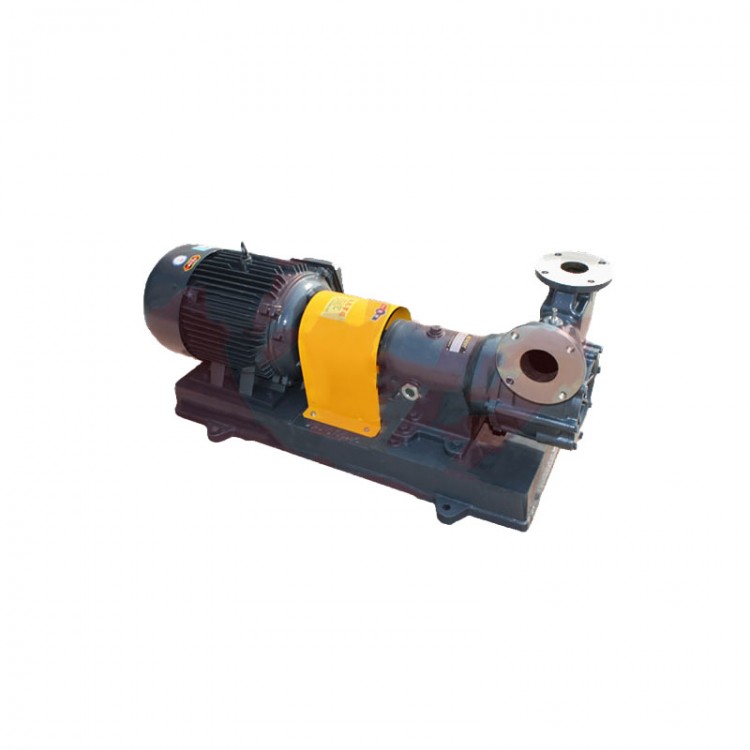


One. Sanitary Stainless Steel Screw Pump
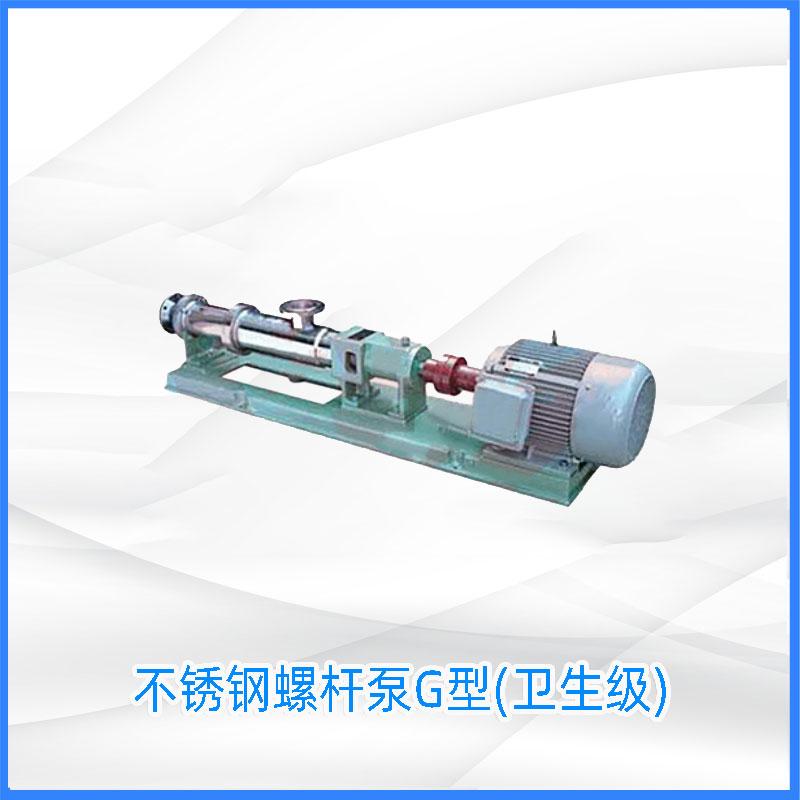
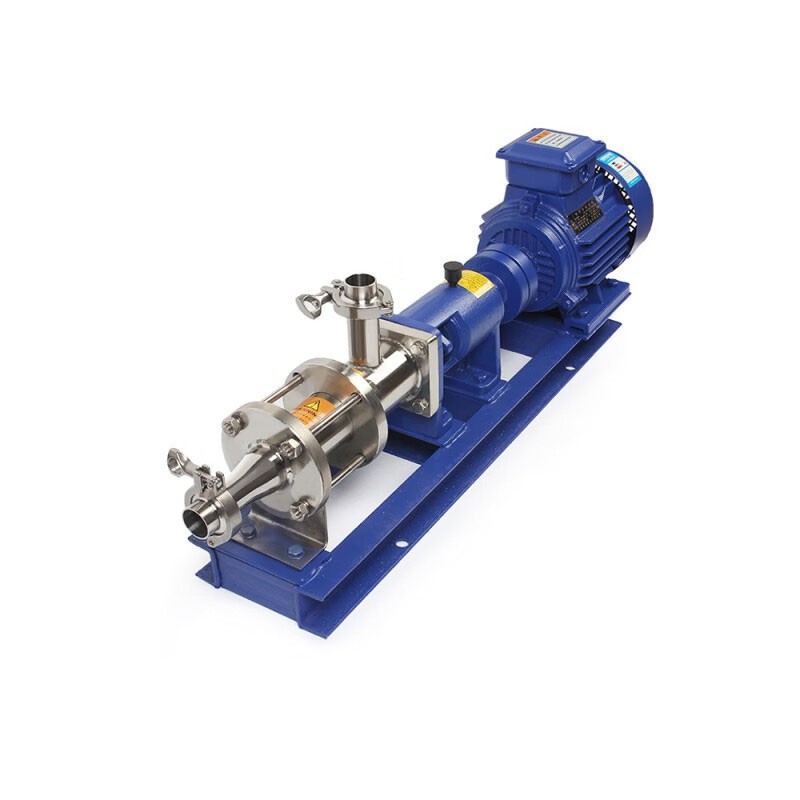
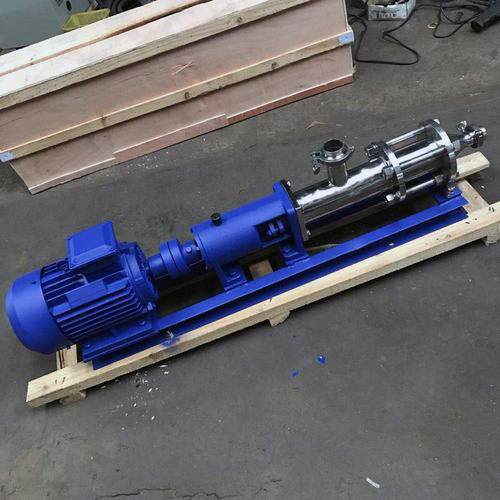
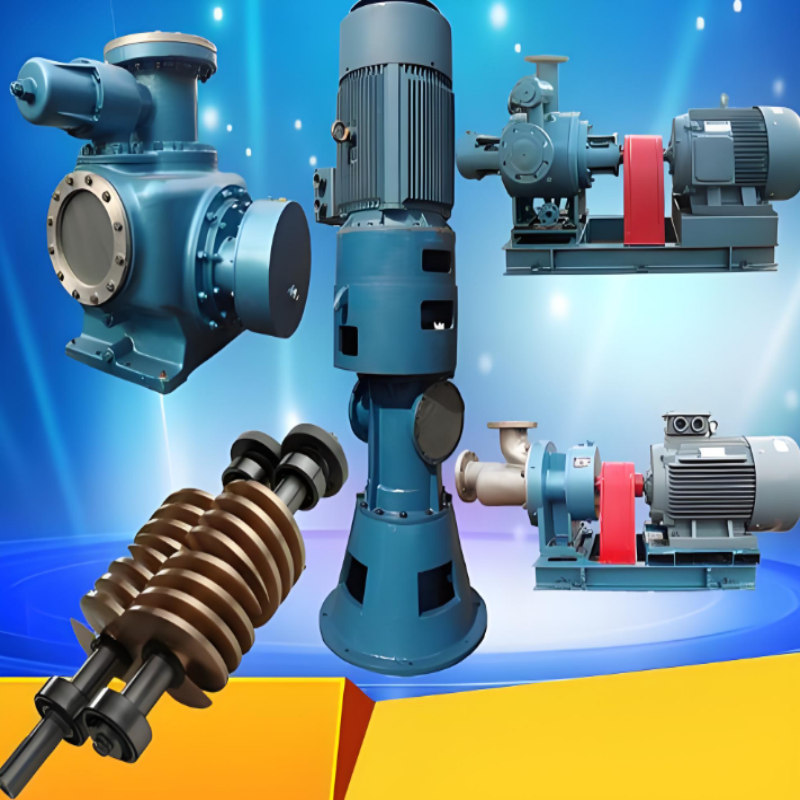
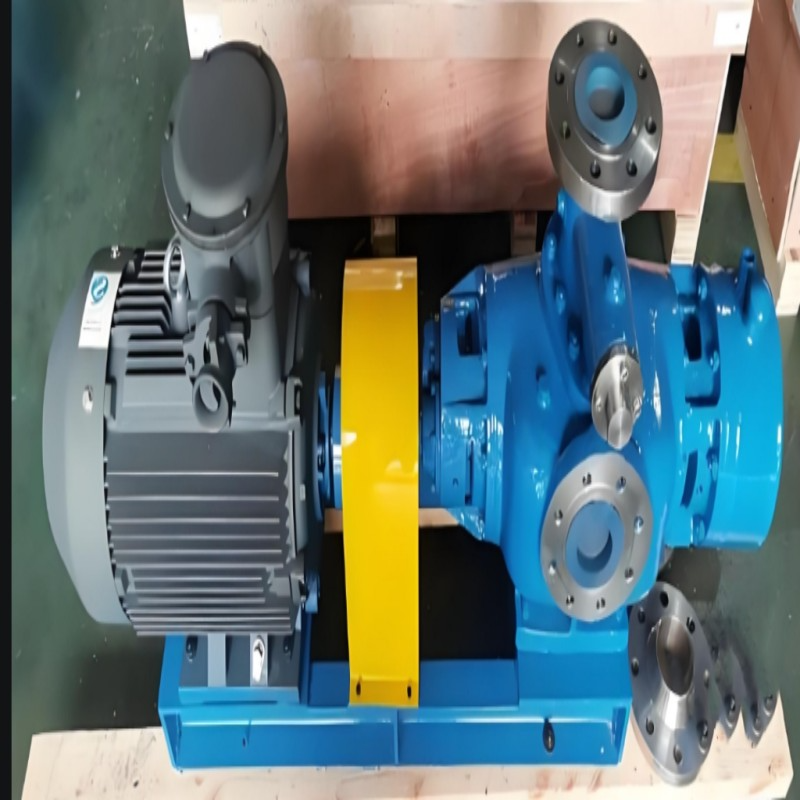
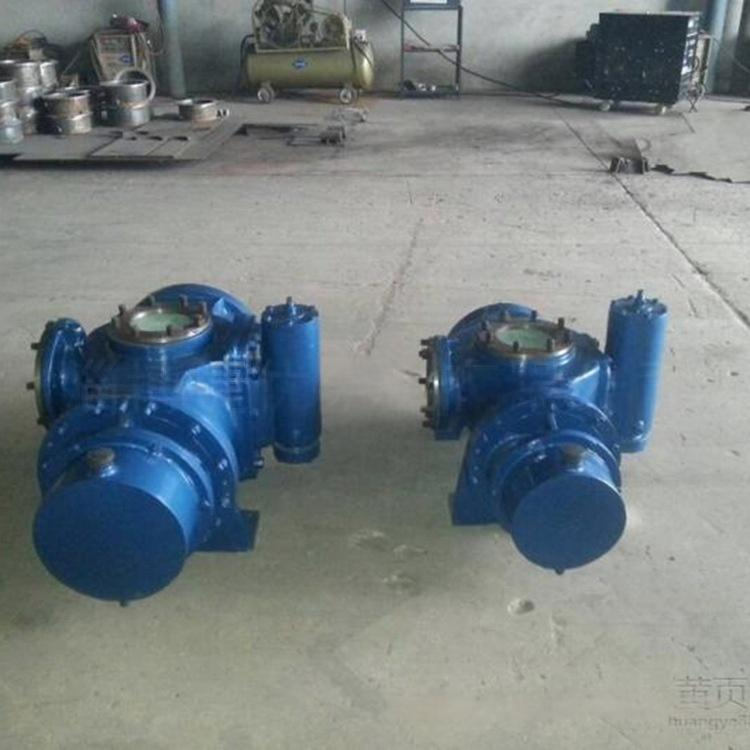
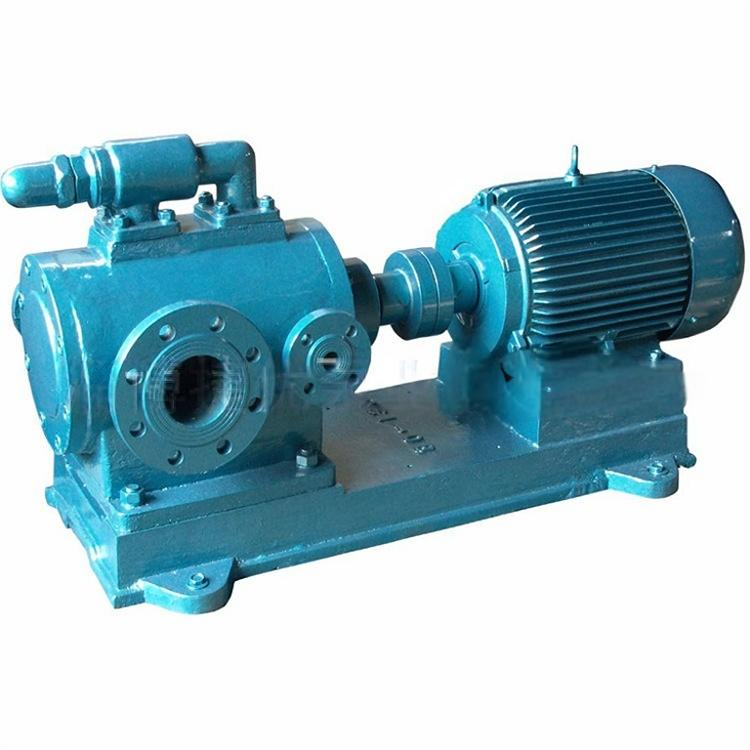
Sanitary screw pumps are a new type of pump that operates according to the reciprocating meshing volumetric principle. The main working components are the eccentric screw (rotor) and the fixed sleeve (stator).
Due to the unique geometric shapes of these two components, they form separate sealed cavities. The medium flows uniformly in the axial direction, with low internal velocity, constant volume, and stable pressure, thus preventing vortexes and disturbances. Each stage of the pump delivers an output pressure of 0.6MPa and a head of 60m (for clean water), suitable for transporting media with temperatures below 80℃ (special requirements can reach 150℃).
Due to the stator being made from various elastic materials, this pump boasts characteristics that general pump types cannot handle, such as the transportation of high-viscosity fluids and mediums containing hard suspended particles or fibrous materials. Its flow rate is proportional to the rotational speed.
The transmission can be achieved through a direct coupling, or by using a variable-speed motor, V-belt, gear box, and other devices for speed variation.
This pump features few parts, a compact structure, small size, easy maintenance, with the rotor and stator being the wear parts of this pump. Their simple design facilitates easy assembly and disassembly.
II. Advantages of Sanitary Screw Pumps:
1) Wide range of pressure and flow rates. Pressure is approximately 3.4-340 kgf/cm², with a flow rate up to 18,600 cm³/min.
2) Wide range of liquid types and viscosity.
3) Due to the low inertial force of the rotating components inside the pump, high speeds can be utilized.
4) Excellent suction performance with self-priming capability;
5) Even flow with minimal vibration and low noise.
6) Less sensitive to incoming gases and debris compared to other centrifugal pumps.
7) Durable structure; easy installation and maintenance.
The disadvantages of the sanitary screw pump are that it requires high precision in screw machining and assembly; the pump's performance is relatively sensitive to changes in the liquid's viscosity.
Section 3: Sanitary Screw Pump Structure:
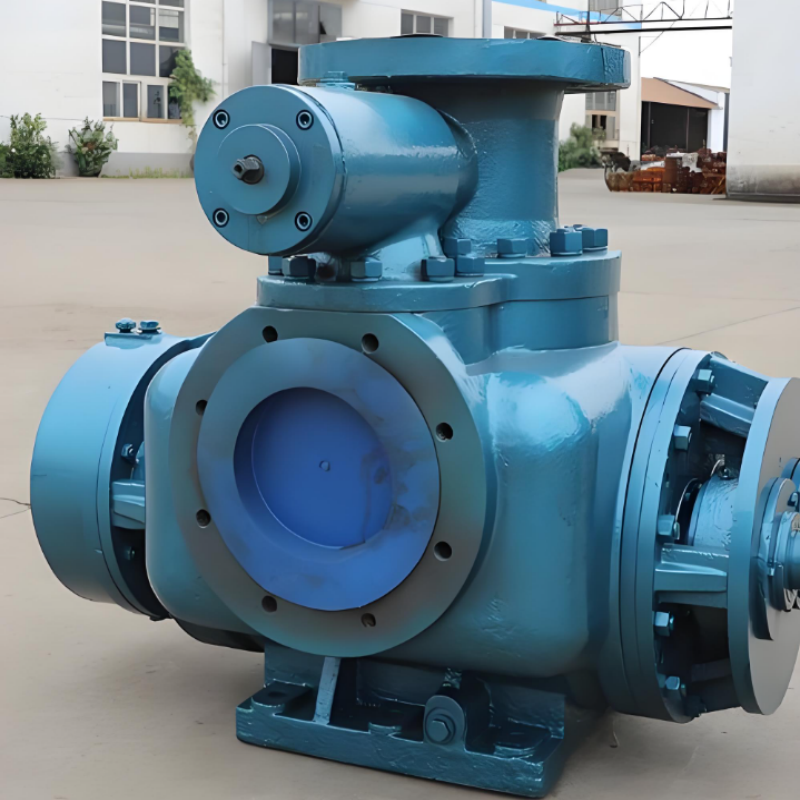
It primarily consists of a sleeve (pump cylinder) fixed in the pump body, along with a driving screw inserted into the pump cylinder and two driven screws meshing with it. The three intermeshing screws form a sealed chamber within the pump cylinder for each thread, creating a seal between the suction and discharge ports.
During pump operation, due to the symmetrical engagement of the two driven screws with the lead screw, the radial forces acting on the lead screw are perfectly balanced, and the lead screw does not bear any bending load. The radial forces on the driven screws are fully supported by the pump cylinder liner over their entire length, thus eliminating the need for additional bearings at the outer end and, essentially, no bending load is incurred. In operation, an oil film forms between the outer surface of the screw and the inner wall of the pump cylinder, preventing direct metal-to-metal contact and significantly reducing wear on the screw teeth.
During the operation of the stainless steel single screw pump, the ends are subjected to suction and discharge pressures of the liquid, thereby exerting an axial thrust on the screw. For small pumps with a pressure difference of less than 10 kgf/cm2, a thrust bearing can be used. Additionally, high-pressure oil is introduced into the bottom of each screw sleeve through the central oil hole of the driven screw, creating a balancing thrust opposite to the direction of the axial thrust at the lower end of the screw.
Screw pumps, like other volumetric pumps, can reach dangerous pressure levels that may damage the pump or overload the motor when the discharge outlet is completely sealed. Therefore, a safety valve must be installed at the suction and discharge ports of the pump.
The shaft seal of the stainless steel single screw pump is typically a mechanical seal, and different types can be chosen based on the working pressure levels.
Section 4: Working Principle of Sanitary Screw Pump:
Sanitary screw pumps operate by using the rotation of screws to suction and discharge fluids. Due to the interlocking of the screws and the tight fit between the screws and the inner wall of the casing, there is a separation into one or more sealed compartments between the pump's suction and discharge ports. As the screws rotate and mesh, these sealed compartments are continuously formed at the suction end, trapping fluid from the suction chamber and pushing it along the screw shaft towards the discharge end. This action, akin to a nut being continuously pushed forward as a screw turns, is how vertical screw pumps work. Once the fluid is吸入, it enters the sealed space enclosed by the thread and the pump casing. As the driving screw rotates, the sealed volume of the screw pump increases the pressure under the compression of the threads, and moves axially. Since the screws rotate at a constant speed, the flow rate of the fluid discharge is also uniform.
V. Sanitary Screw Pump Technical Specifications:
Flow Rate: 0-150 m³/h
Flow Range: 0-180m
Power: 0.75-37 kW
Speed: 500-960 rpm
Bore Size: 20-135MM
Temperature: -15-200°C.