














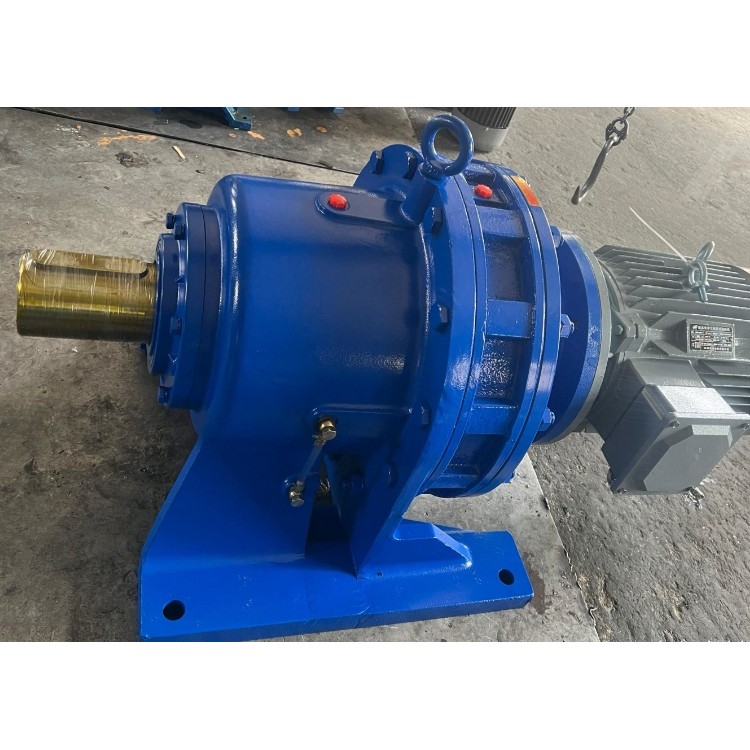
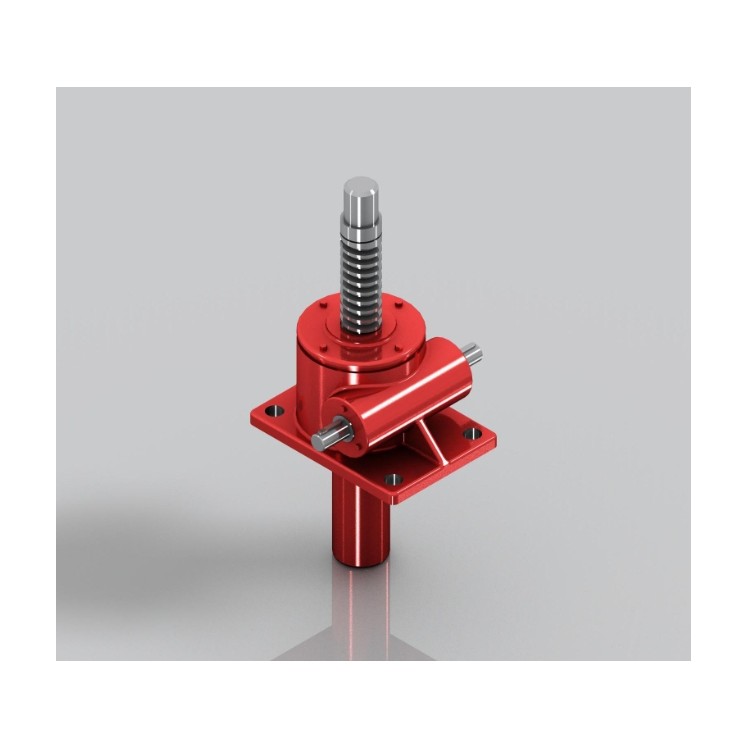
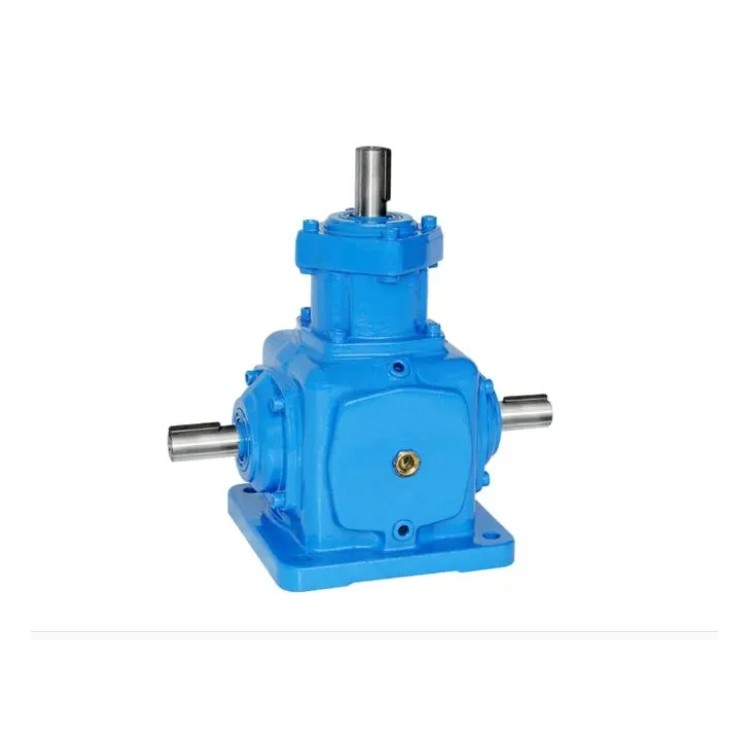
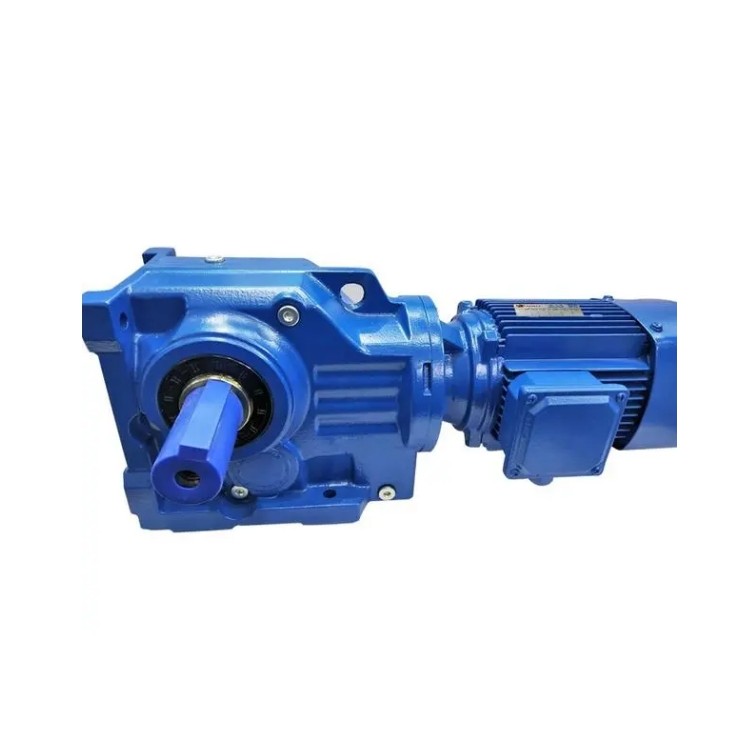
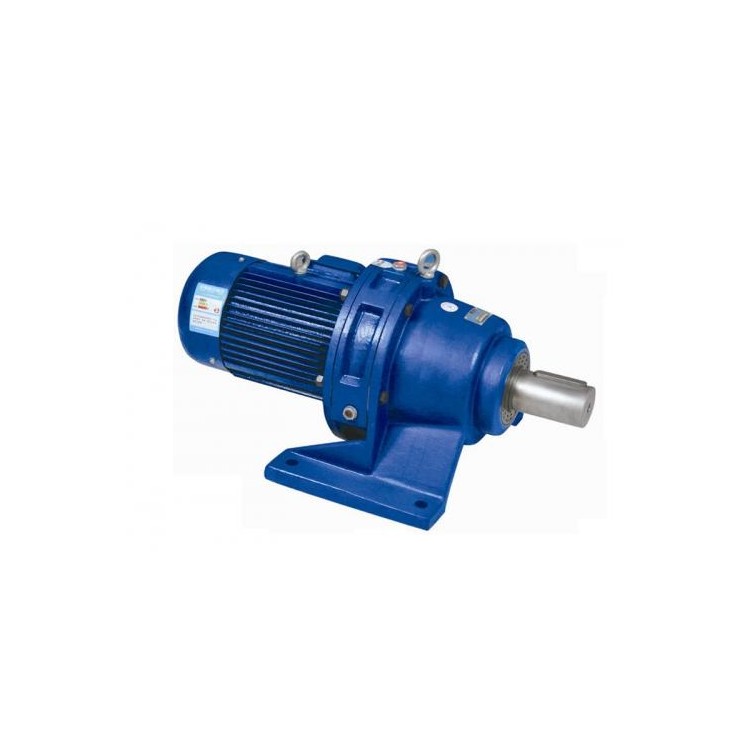
An infinite variable speed drive is a mechanical device capable of continuously adjusting the output speed. It achieves this through special mechanisms and transmission technologies, all without altering the input power.
The stepless variable speed drive can be categorized into various types based on different working principles, such as hydraulic transducers, CVT (Continuously Variable Transmission) units, and friction drives, among others. Among them, the CVT unit is widely applied in the automotive field.
Stepless variable speed drive, also known asTypes and Structures
Inverter drives can be categorized into various types based on different working principles, such as hydraulic gearboxes, CVT (Continuously Variable Transmission) systems, and friction drives, etc. Among them, CVT systems are widely used in the automotive industry.
Hydraulic TransmissionAdjusts speed through fluid flow and control. It utilizes a hydraulic pump and liquid as a variable speed drive (CVT).Continuously Variable Transmission (CVT), its basic principle is to achieve the conversion of input power and the adjustment of output speed by continuously varying the gear ratio or drive ratio between the input and output shafts. Compared to traditional fixed gear ratio transmission, the CVT offers greater flexibility and adaptability.
Two、
Pressurized motor, controlling the rotational speed of the output shaft by varying the supply of fluid. Hydraulic variable speed transmissions are characterized by their simple structure and high reliability, widely used in the construction and engineering machinery field.
CVT Transmission: Utilizes steel belts or chains as the transmission medium, adjusting the tension and position of the belt or chain to change the gear ratio. The CVT transmission offers smooth and continuous adjustment capabilities, allowing for stepless variable speed within a continuous range of engine speeds. It is primarily composed of basic components such as the driving wheel assembly, driven wheel assembly, metal belt, and hydraulic pump.
Friction DriveTransmits power through the contact force between frictional pairs and varies the gear ratio by altering the pressure and contact area between the friction plates. It features a simple structure and high efficiency, commonly found in small vehicles like bicycles and motorcycles.
Section 3: Features and Advantages
The stepless variable speed drive features the following characteristics and advantages:
Continuous and stable regulating performanceContinuous adjustment of output speed is achievable, with smooth gear shifts and excellent driving smoothness.
High-efficiency energy-savingHigh transmission efficiency, low fuel consumption, and excellent fuel economy.
Tightly structuredCompact, lightweight, and with minimal parts, it saves space and reduces the overall vehicle weight.
AdaptabilitySuitable for various machinery and equipment under different working conditions, capable of meeting demands under varying operational requirements.
Section 4: Application Fields
The continuously variable transmission (CVT) finds extensive applications in various fields, such as automotive, construction machinery, and wind power generation. In the automotive sector, CVTs significantly enhance driving comfort and fuel efficiency, reduce noise and vibration, and are one of the key directions for future automotive transmission systems.
V. Cautionary Notes
Although the continuously variable transmission has many advantages, it also requires attention to the following points during use:
Proper operationAvoid issues caused by improper operation, such as rapid acceleration or deceleration.
Regular maintenanceRegularly inspect and maintain all components of the stepless variable speed machine to ensure its proper operation.
Please note the terms of use.Avoid using the variable-speed drive under extreme operating conditions to prevent damage.



















