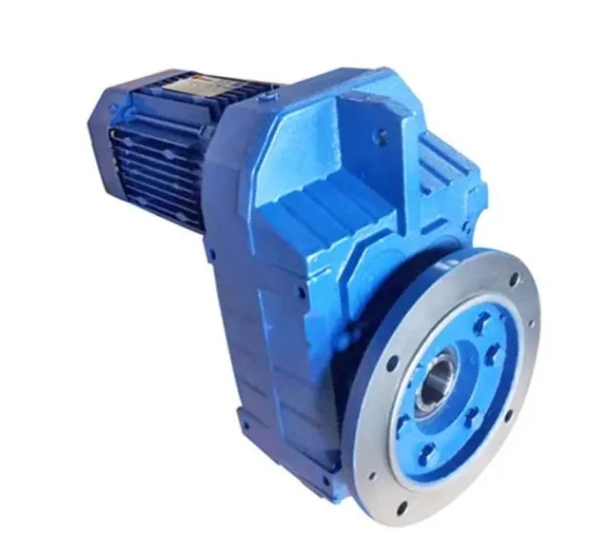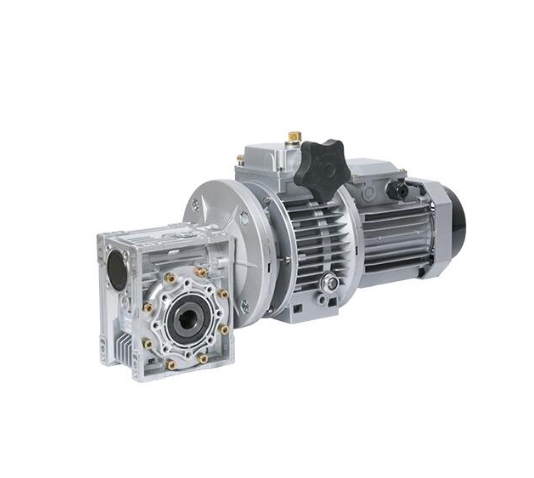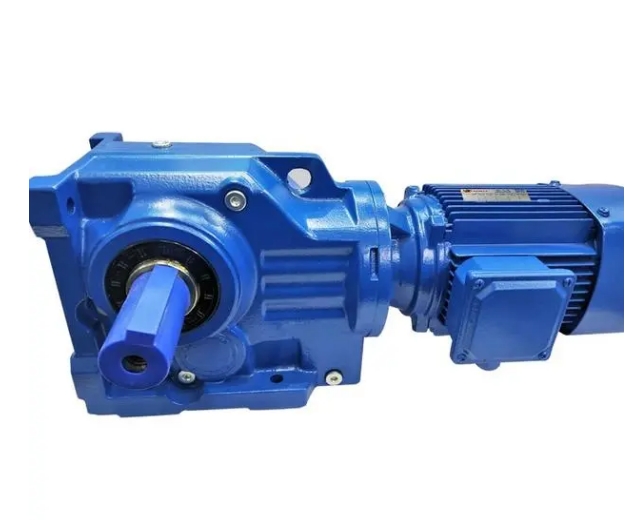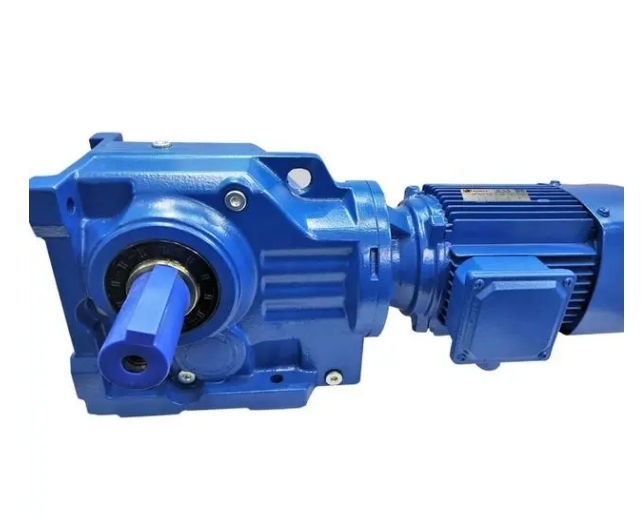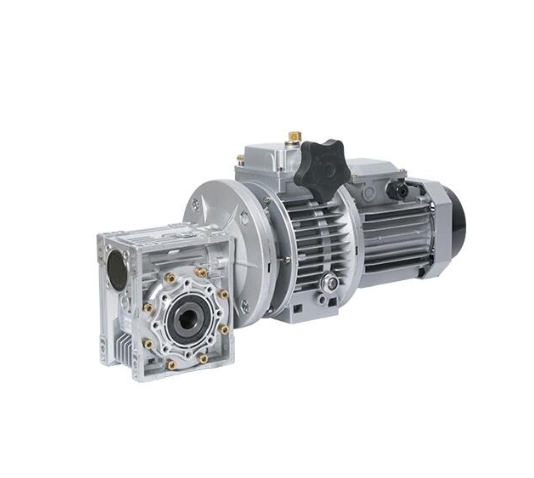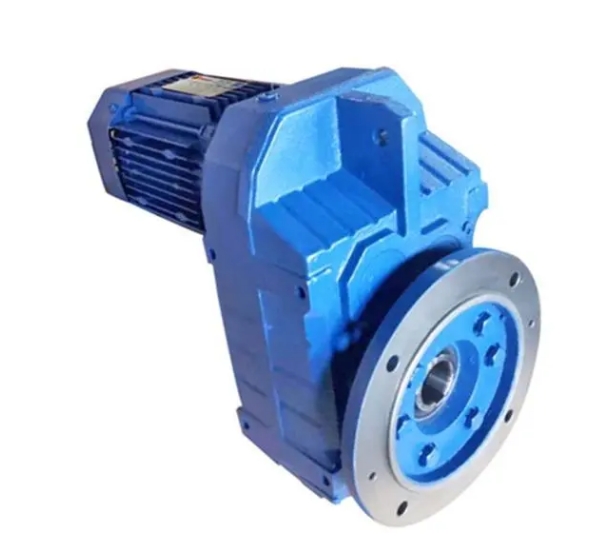

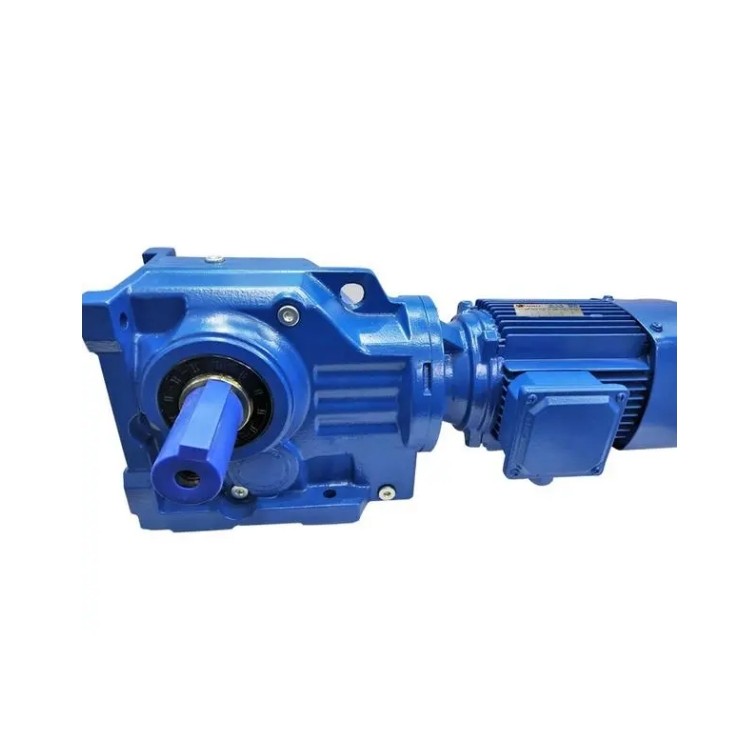

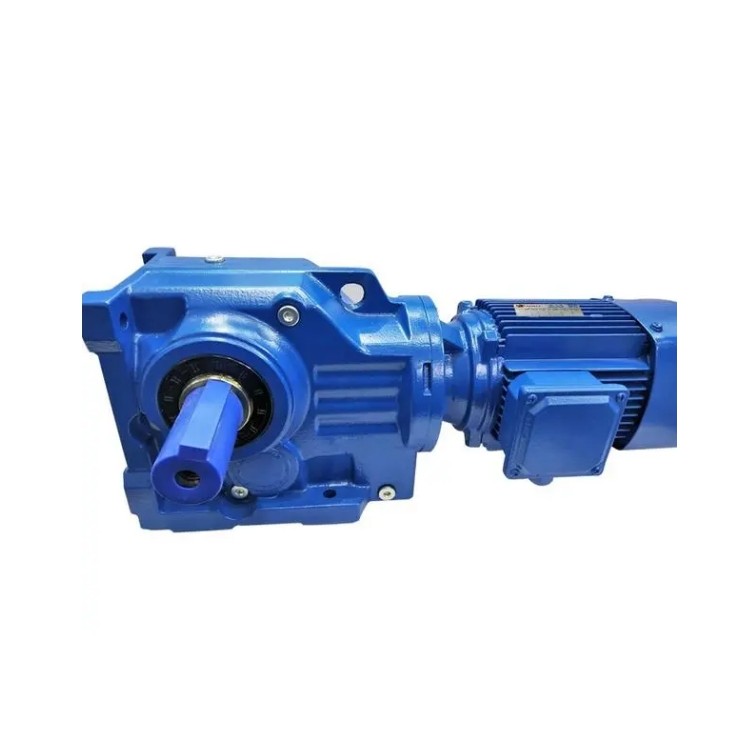
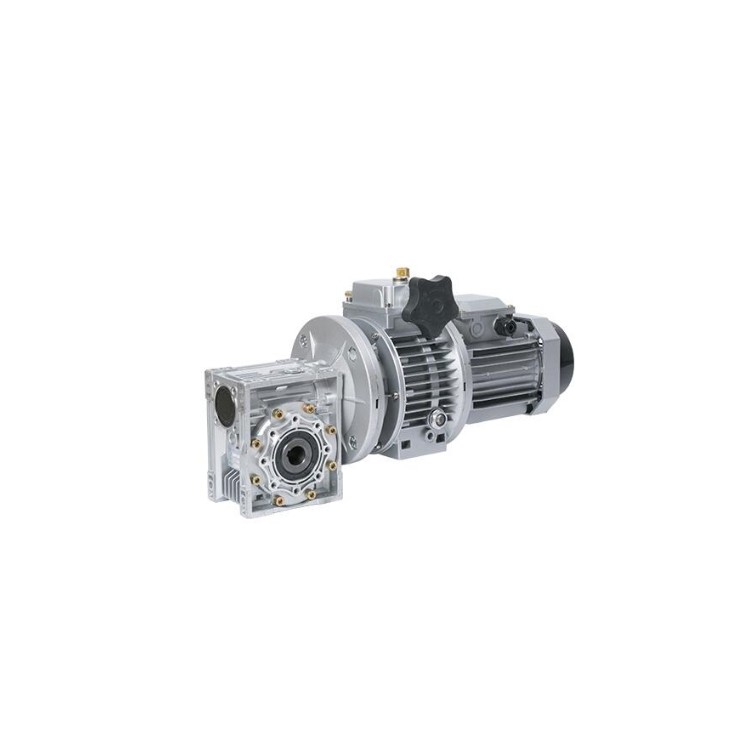
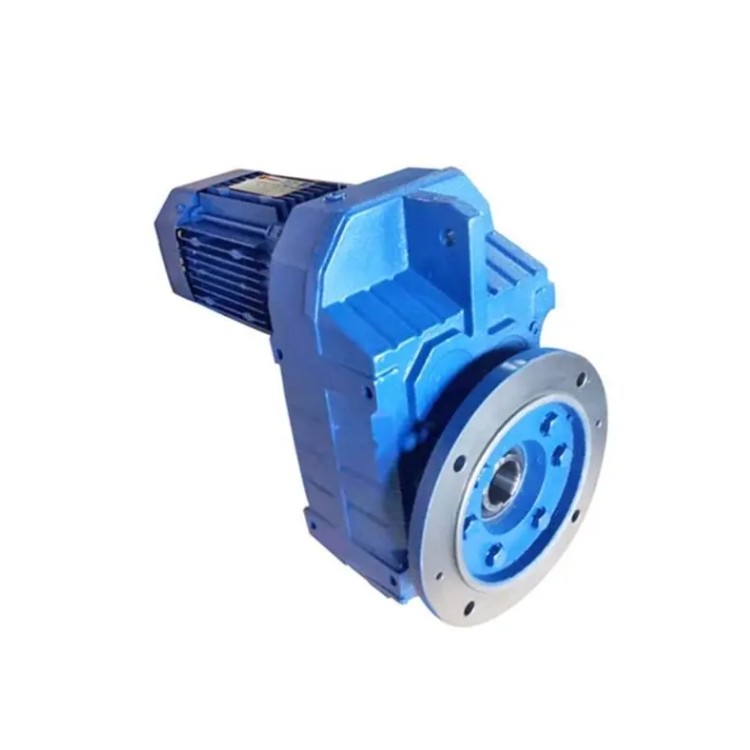












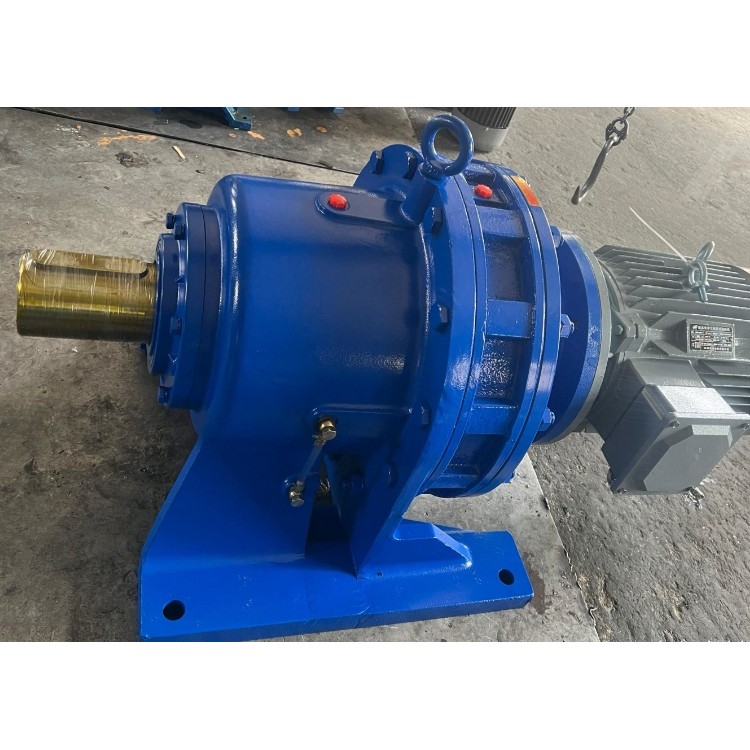
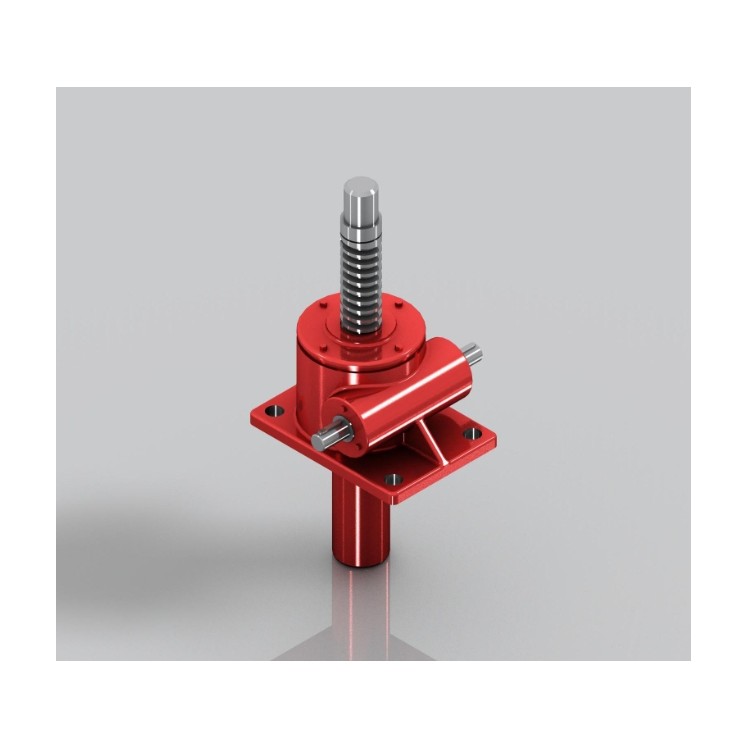
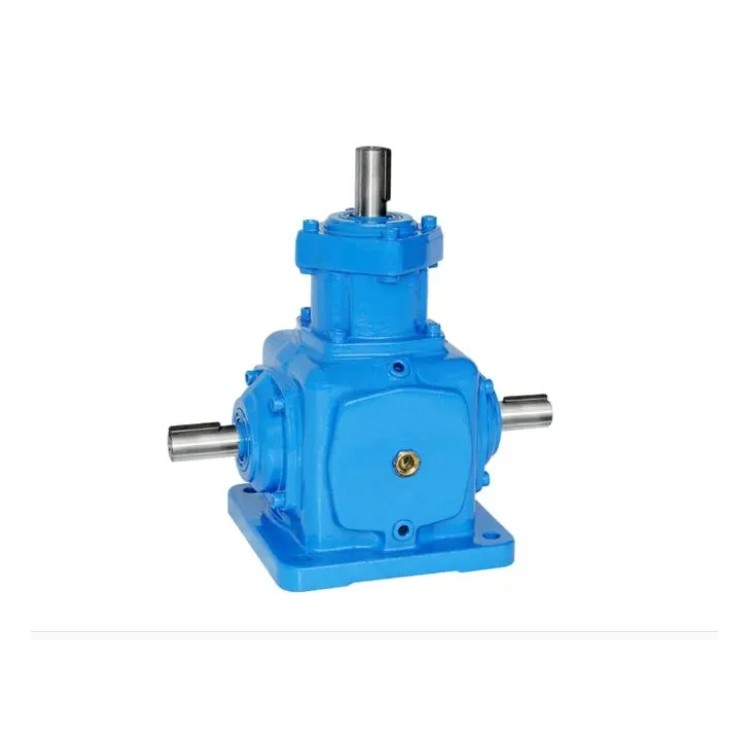

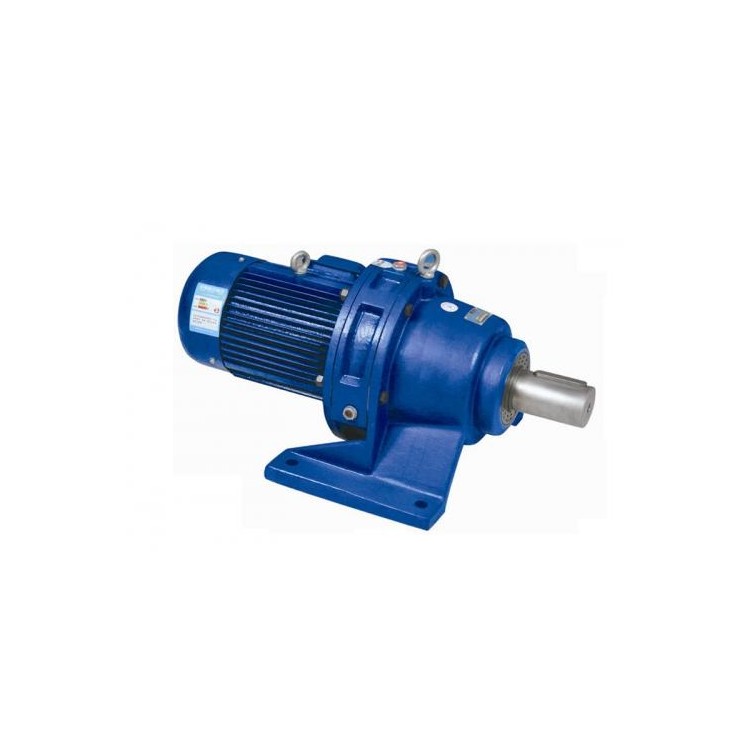
A reducer is an independent component consisting of gear and worm drives, or a combination of both, enclosed within a rigid housing. It is commonly used as a speed-reduction device between the driving unit and the working machine, serving to match speeds and transfer torque between the prime mover and the working machine or actuator. Below is a detailed analysis of the reducer:
1. Definition and Working Principle of Gearboxes
DefinitionA reducer is a relatively precise mechanical device, used to reduce speed and increase torque. The speed ratio, also known as the drive ratio, is equal to the motor output revolutions divided by the reducer output revolutions.
Working PrincipleThe reducer converts the high-speed rotation of the input shaft into a low-speed rotation of the output shaft through the movement of internal gears or other transmission elements, while also increasing the torque of the output shaft.
Section 2: Types of Gearboxes
There are various types of reducers, each with its unique features and applicable scenarios:
Gear reducerCommon types of reducers, which reduce the speed and torque of the input shaft using gears. Available in single, double, and triple stages, among other types.
Spiral Bevel GearboxUsing worm gears and worms for deceleration, offering high reduction ratios and low noise levels.
Planetary减速机A single or multiple planetary gear systems are used for deceleration, offering high efficiency, compact size, and light weight.
Helical Gearbox ReducerUtilizing helical gears for reduction offers high efficiency and low noise.
Chain Sprocket, Chain Drive ReducerUsing sprockets and chains for reduction offers high efficiency and low cost.
Continuous Variable Transmission ReducerContinuous adjustment of output speed and torque is achievable through the use of hydraulic or electric components for stepless speed variation.
Electromagnetic DeceleratorDriven by electromagnetic magnets to reduce magnetic materials, offering high precision and low noise.
Hydraulic reducerUsing hydraulic transmission components for deceleration offers high efficiency and low noise.
Section 3: Applications of Reducers
Decelerators are extensively used in modern machinery, covering multiple industrial sectors:
Industrial ProductionOn the factory production line, reducers are commonly used to power various mechanical equipment such as conveyors, belts, mixers, and compressors.
Crane TransportationIn cranes and elevators and other equipment, reducers are used to provide greater torque and lower speed, ensuring the equipment runs smoothly.
Construction IndustryOn construction sites, reducers are used to power various construction equipment, such as mixers and concrete pumps.
Agricultural MachineryIn the agricultural sector, reducers are used to power tractors, harvesters, and other agricultural machinery.
Medical EquipmentIn some medical equipment, such as X-ray machines and CT scanners, gearboxes are used to reduce the rotational speed for enhanced equipment stability.
Aerospace IndustryIn spacecraft, decelerators are used to adjust the satellite's attitude and orbit.
Automotive IndustryIn automobiles, reduction gears are used to power the steering and braking systems.
Section 4: Selection and Usage of Gearboxes
When selecting and using reducers, the following factors should be considered:
Power and torque requirementsSelect the appropriate reducer model and specifications based on the power and torque requirements of the equipment.
Deceleration RatioSelect an appropriate reduction ratio based on the equipment's rotational speed requirements.
Work EnvironmentConsider the working environment of the reducer, such as temperature, humidity, and corrosiveness, to select the appropriate material and protection grade.
Maintain and serviceRegular maintenance and care of the reducer, such as changing lubricating oil and inspecting gear wear, are essential to ensure its proper operation and extend its service life.
In summary, a reducer is a crucial mechanical transmission device that plays an indispensable role in modern machinery. By selecting the appropriate type, specification, and working environment for the reducer, and conducting regular maintenance and care, you can ensure the smooth operation of the equipment and extend its service life.