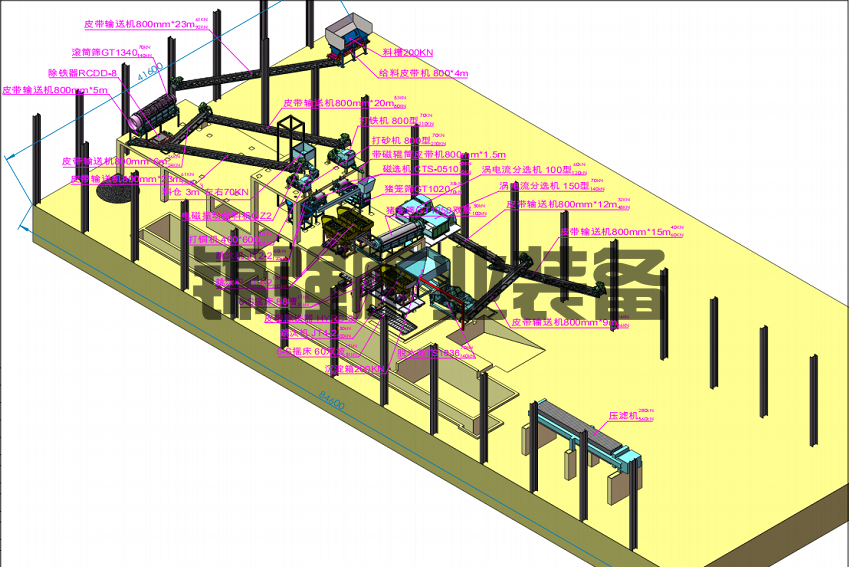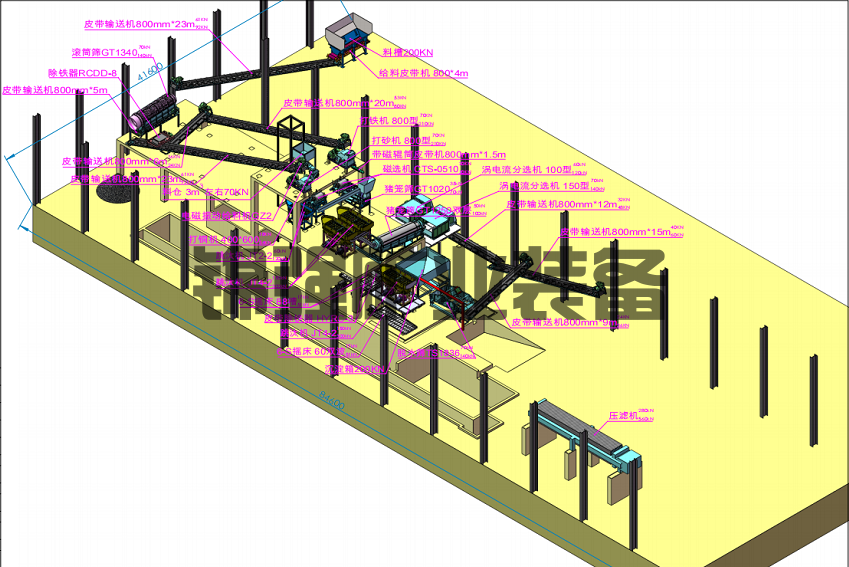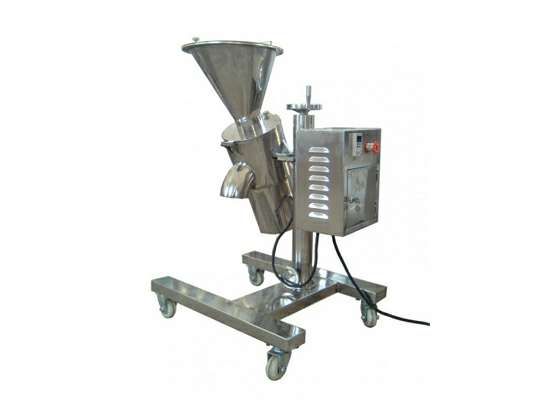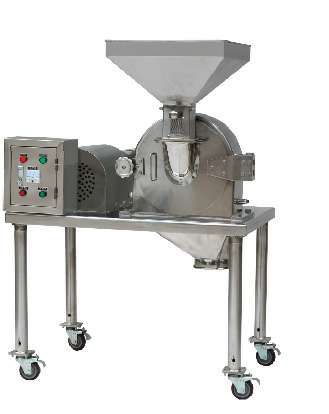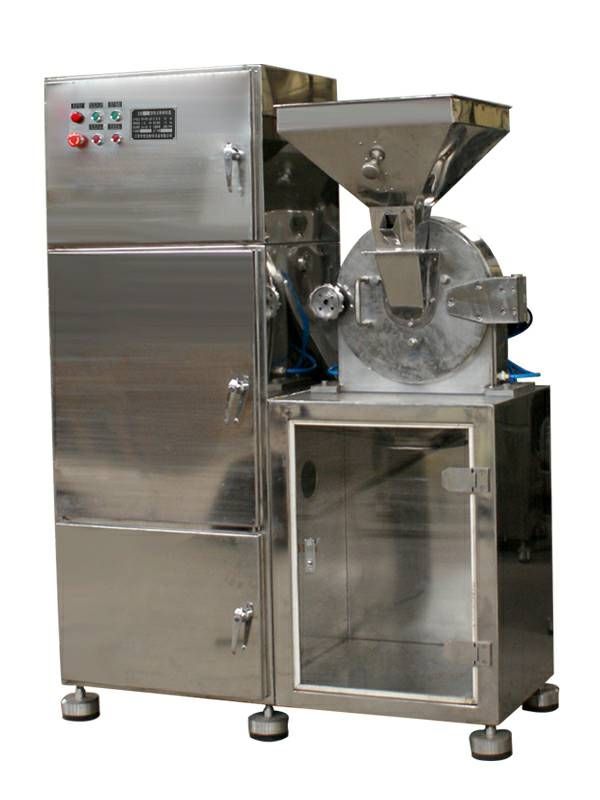


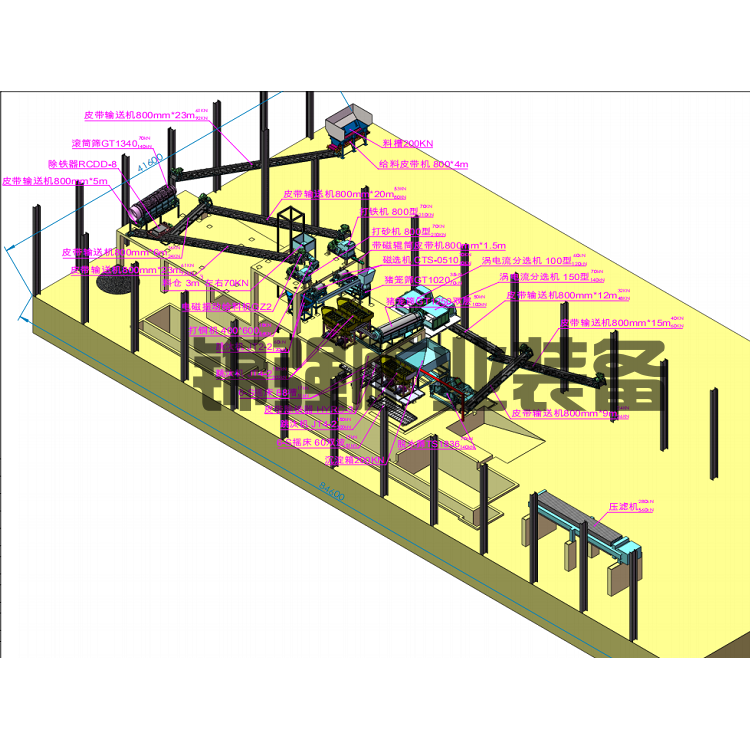
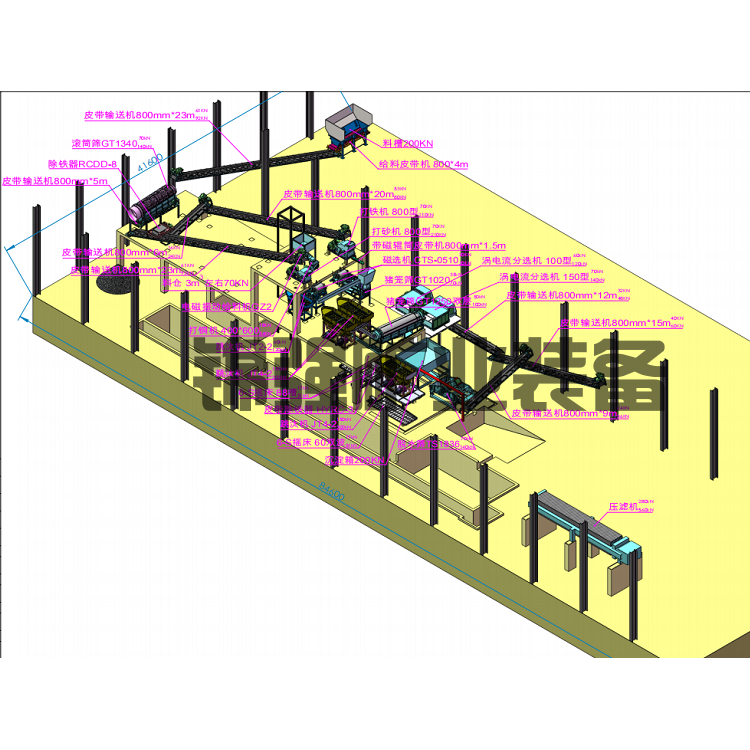
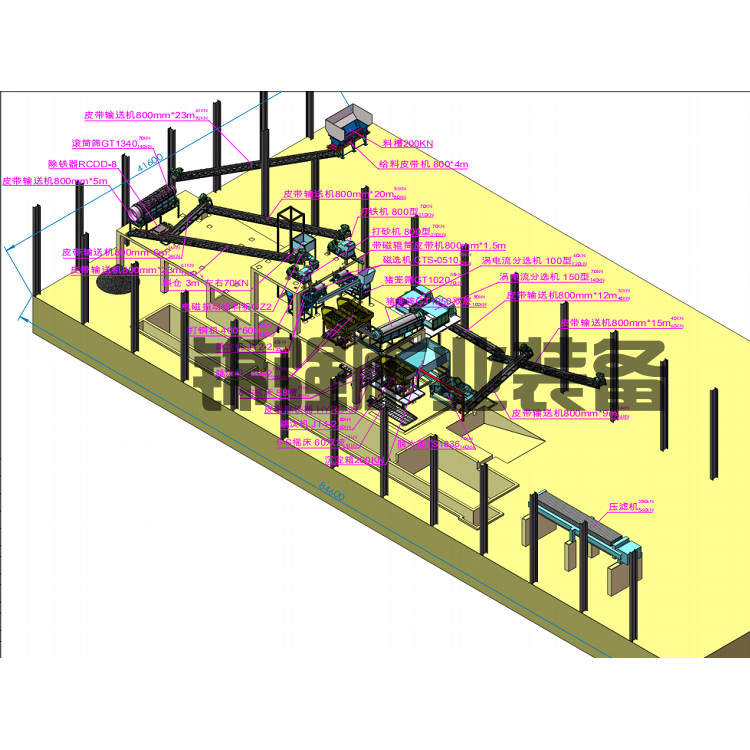









We offer comprehensive slag solutions including equipment production and processing, slag project planning, scheme formulation, equipment selection, drawing design, installation and debugging, technical guidance, and worker training.
Covering a wide range of customers including large state-owned enterprises, publicly listed companies, industry leaders, private enterprises, and foreign companies, welcome to contact us for consultation on solutions and quotations: 19914754015 (same as WeChat)!
Equipment used in slag production line
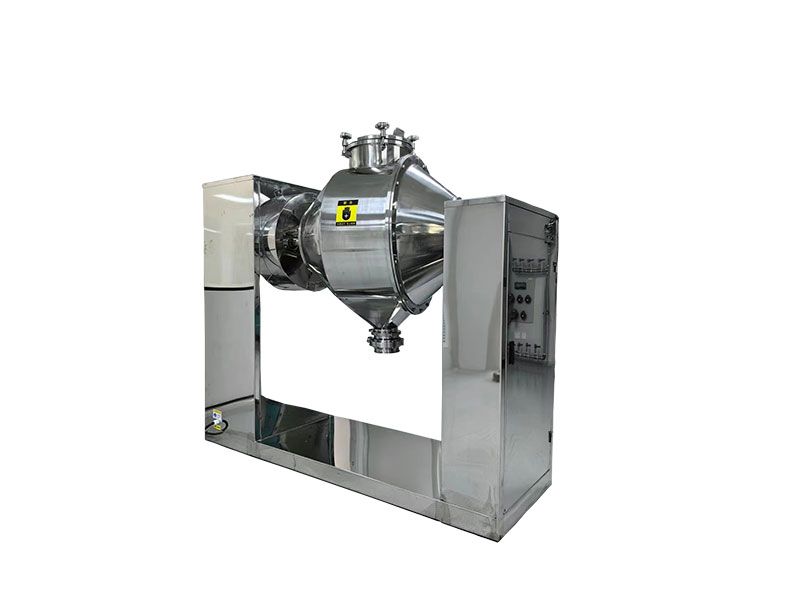
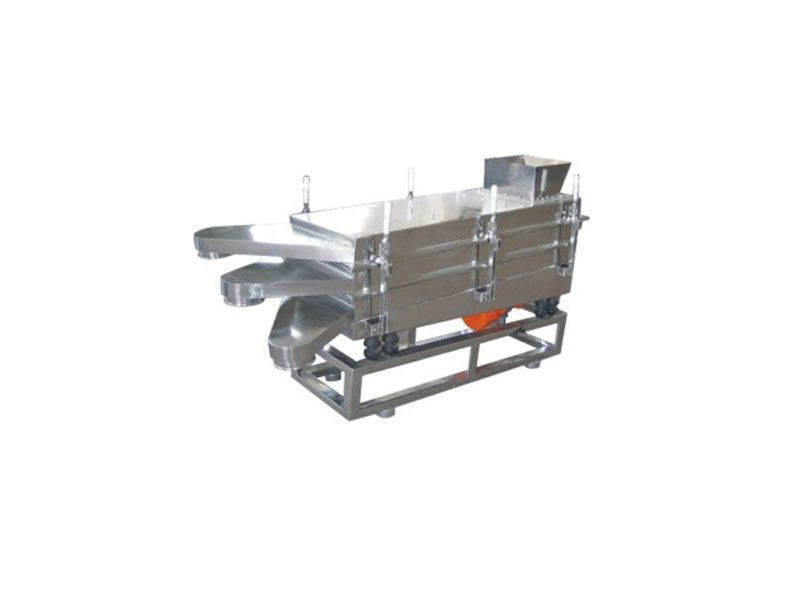
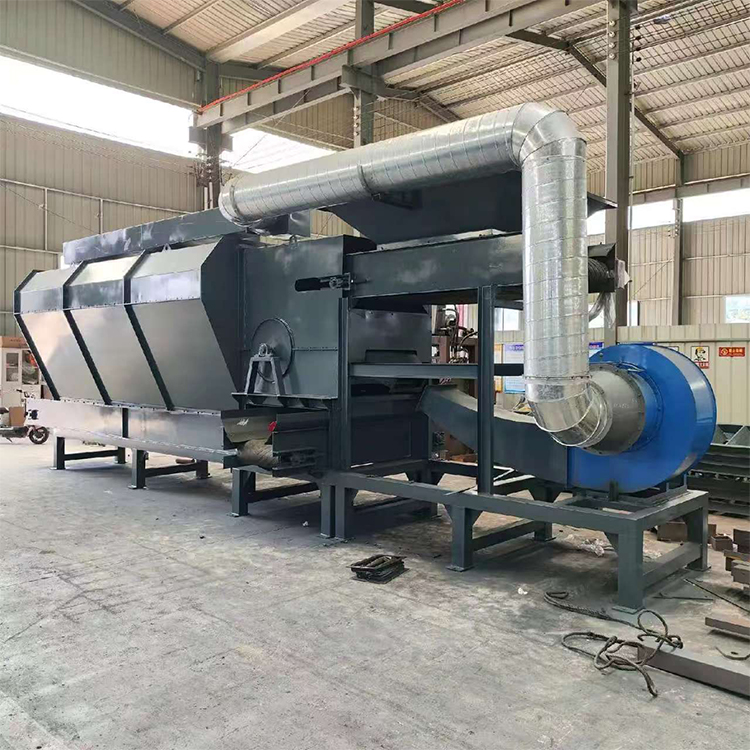
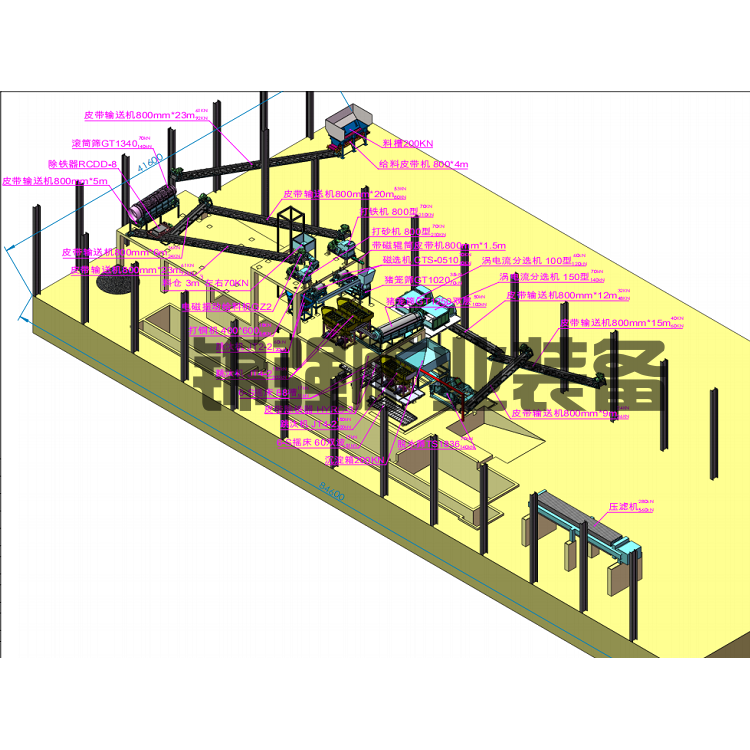
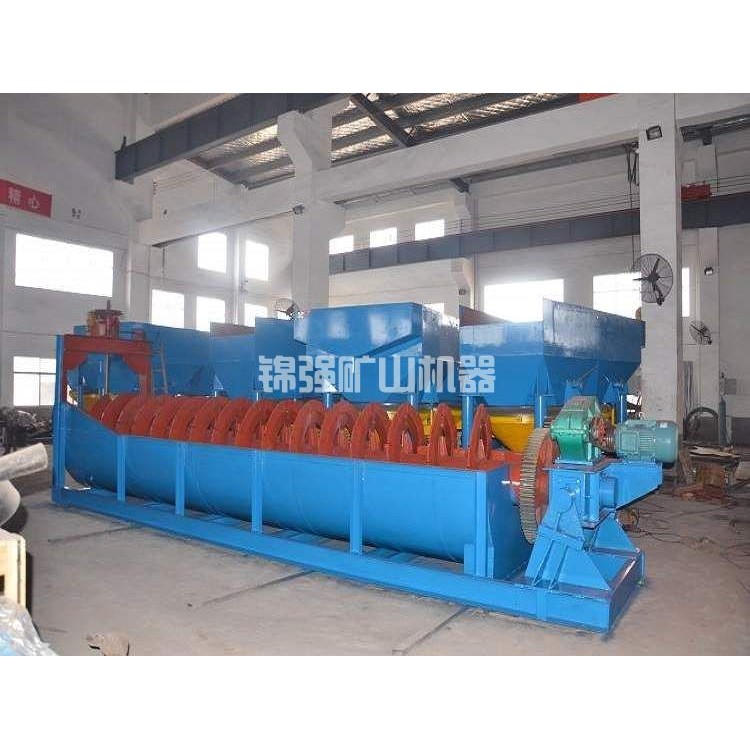
Equipment used in slag production lines includes: screening, crushing, magnetic separation, heavy-medium separation by gravity, heavy-medium separation by shaking table, eddy current separator, dewatering screen, automatic filter press, and conveyors. The following is a systematic analysis of these equipment:
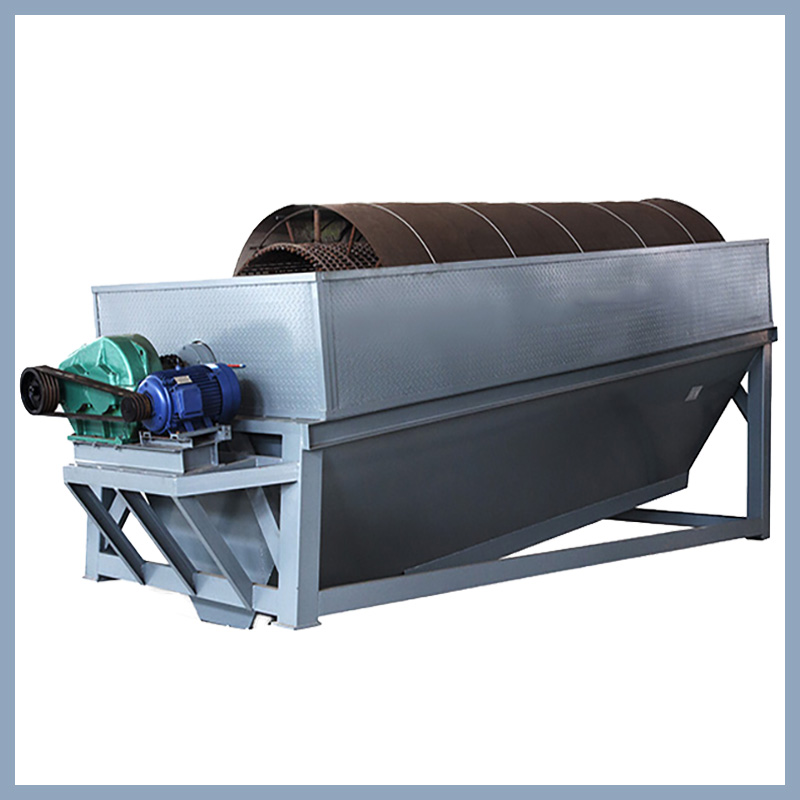
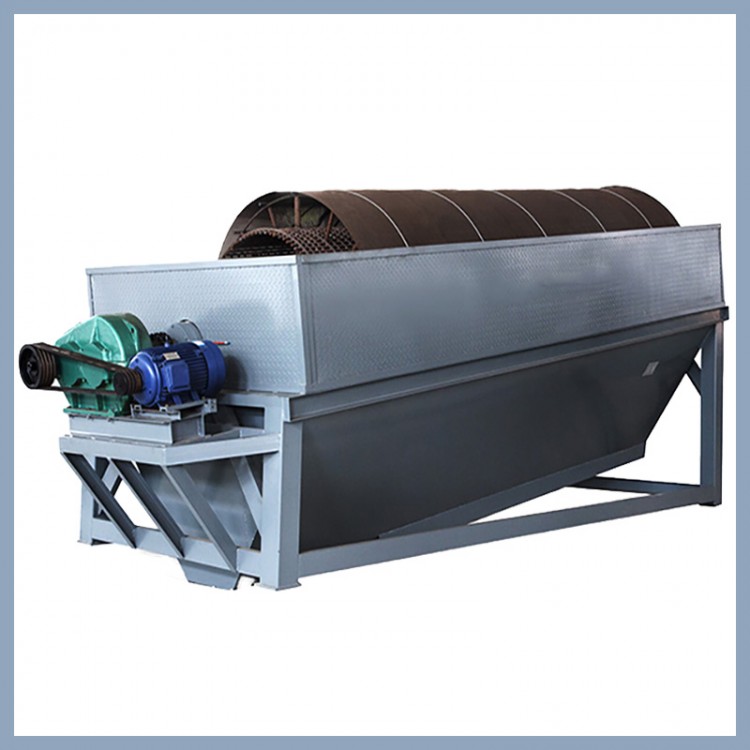
01 Drum Sieve
Remove slag from the slag storage using a loader, load it into the hopper, then convey it to the drum for separation by a conveyor belt, sorting into different sizes.
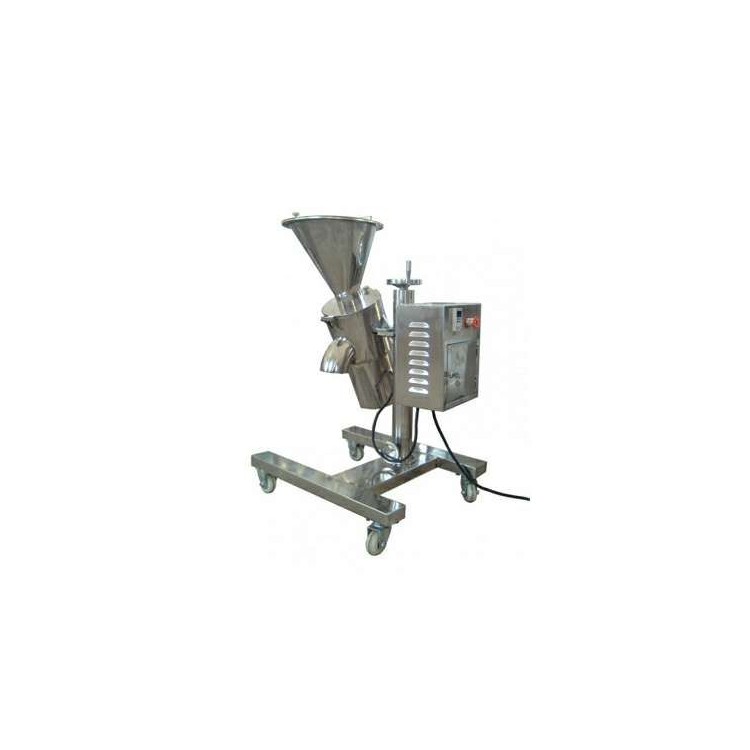
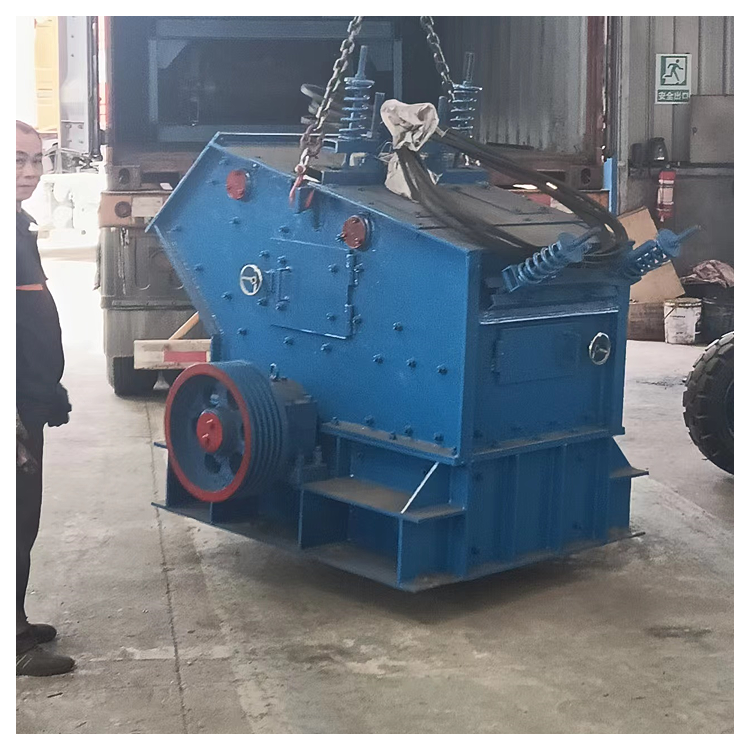
02 slag crusher
Crusher for slag, designed to crush materials from the previous stage, ensuring uniform particle size of the slag output. Therefore, it is a superior choice for slag crushing production lines.
03 Magnetic Separator
Magnetic separation is used to select magnetic materials, followed by manual sorting of non-magnetic metals and raw materials.
04 Toothed Wave Jig Machine
Processed slag is further separated on a jigging machine, with the mesh aperture of the jigging screen approximately 5mm. Water must be added during the jigging process. The water consumption for the jigging process is 2.0 cubic meters per ton of slag.
05 Gravity Concentration Shaking Table
Unmagnetized materials are processed through the shaker, where they are separated and collected into non-ferrous metal particles such as copper, aluminum, gold, silver, and stainless steel, under the action of the shaker grooves and hydraulics.
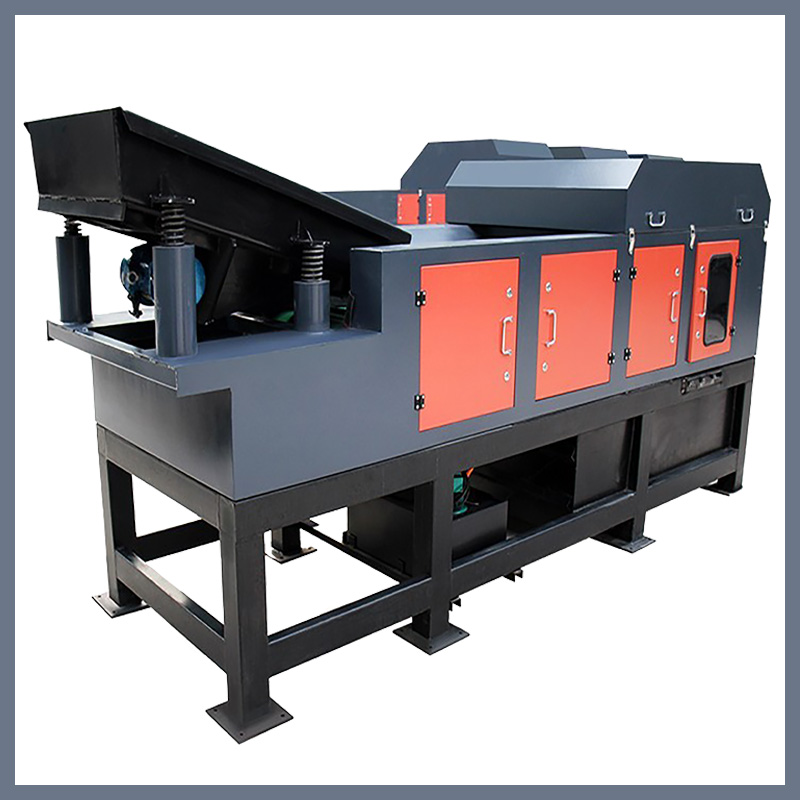
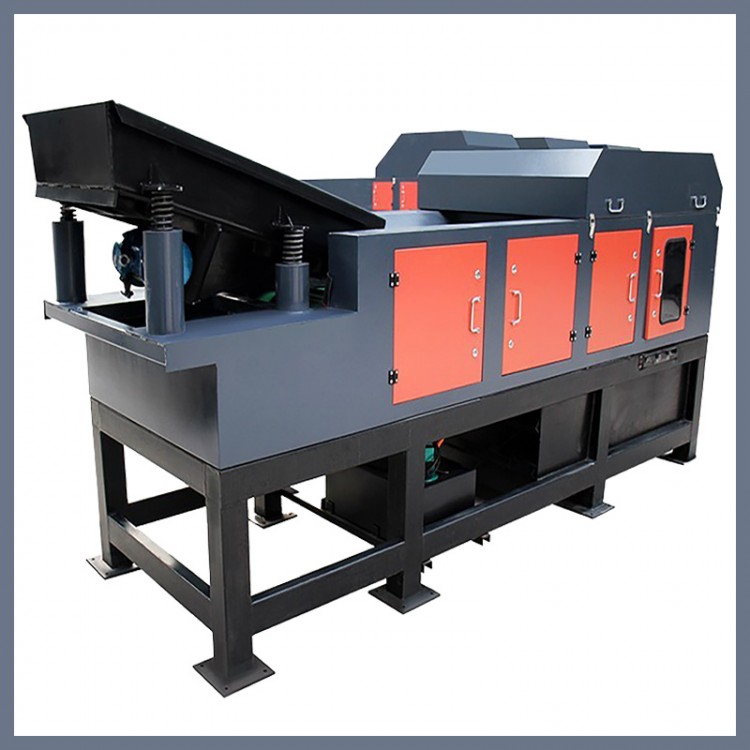
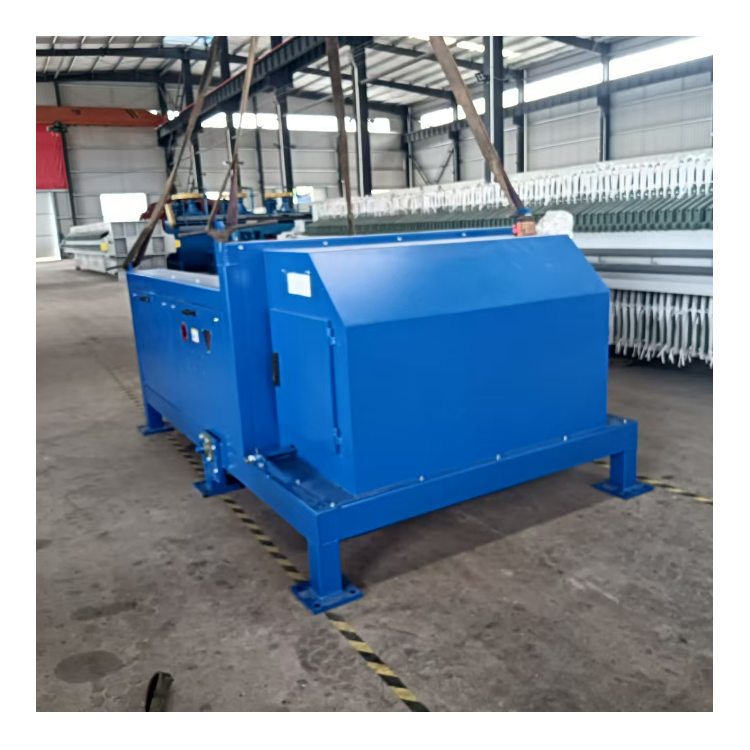
06 Eddy Current Separator
Principle of Eddy Current Separation: When e-waste scrap containing non-magnetic conductive metals (such as aluminum, lead, copper, zinc, etc.) passes through an alternating magnetic field at a certain speed, eddy currents are induced in these non-magnetic conductive particles.
The material flow, due to its relative velocity with the magnetic field, exerts a thrust on the metal sheets or blocks that generate eddy currents. This principle can be utilized to separate certain non-ferrous metals from a mixed material flow.
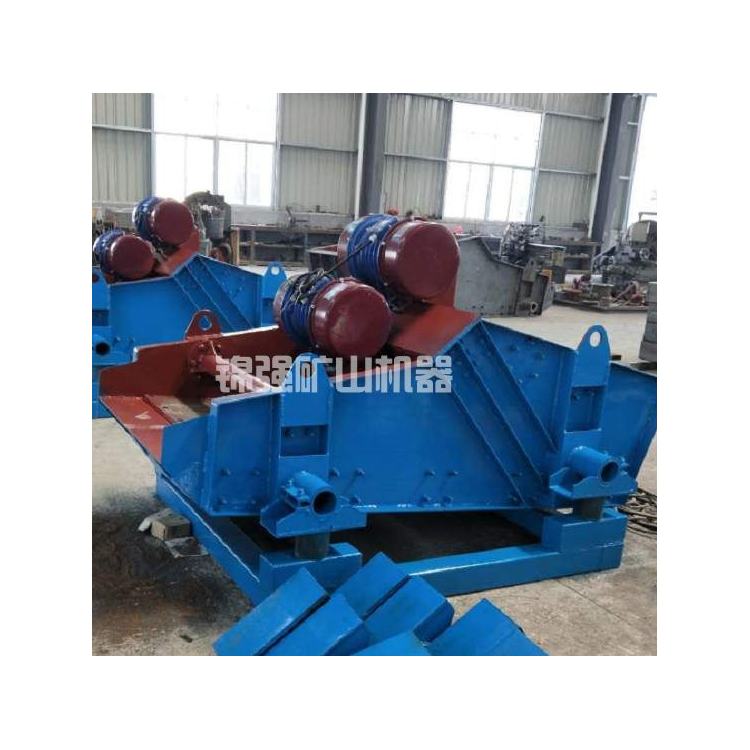
06 Dewatering Screen
Slag and water mixture is dehydrated by a dehydration sieve equipment, achieving slag-water separation. The slag is then pumped or conveyed through a height difference into the feed opening of the dehydration sieve. The dehydration sieve moves in a straight line from the feed opening to the discharge opening, powered by two vibration motors.
Automatic slag removal through the sieve, water draining out from below the sieve, with the screened underflow entering the sedimentation pond for sedimentation and reuse of the clarified water.
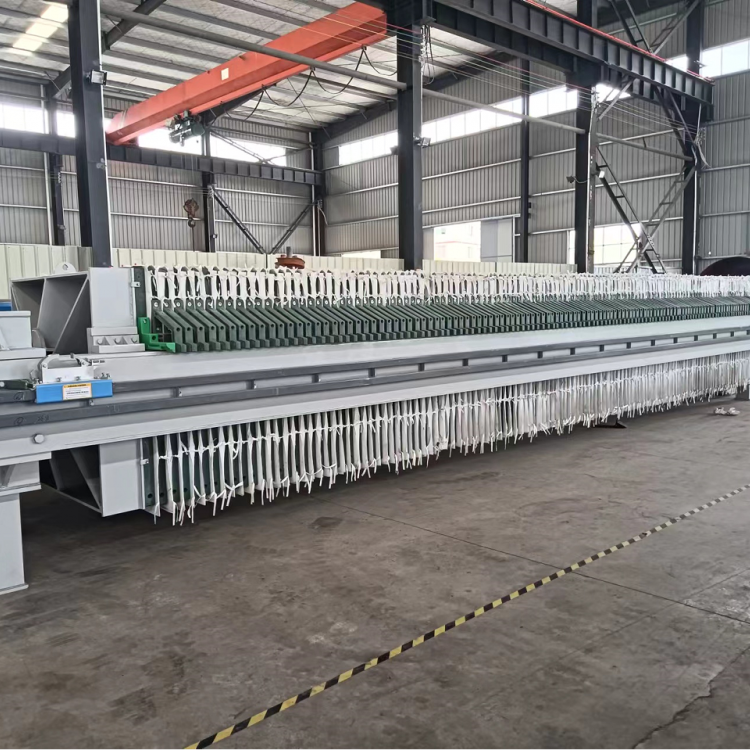
07 Pressure Filter
Finished slag is stored in the finished product warehouse for 2-3 days, and then transported out after the leachate is emptied. The moisture content of the finished slag is approximately 30%, ensuring no dripping during transportation. The moisture content of the slurry after frame filter press dewatering is generally between 30-35%.
Slag does not produce any runoff, therefore, the project requires that the slag be stored on-site for 2 to 3 days after processing, to allow for runoff before dispatch. The finished slag is then transported to the production line for recycled bricks and blocks after being stored for 2 to 3 days.
08 Installation and Commissioning
Once the equipment manufacturing and procurement for the project are in place, the installation and debugging technicians are conducting equipment installation and fine-tuning. To help workshop workers quickly familiarize themselves with the factory operations, technicians provide on-site practical training for selected workers, explaining the key points of equipment operation. This assists clients in swiftly establishing their own technical team, laying a technical foundation for the later stable operation.
The process flowchart is as shown below: