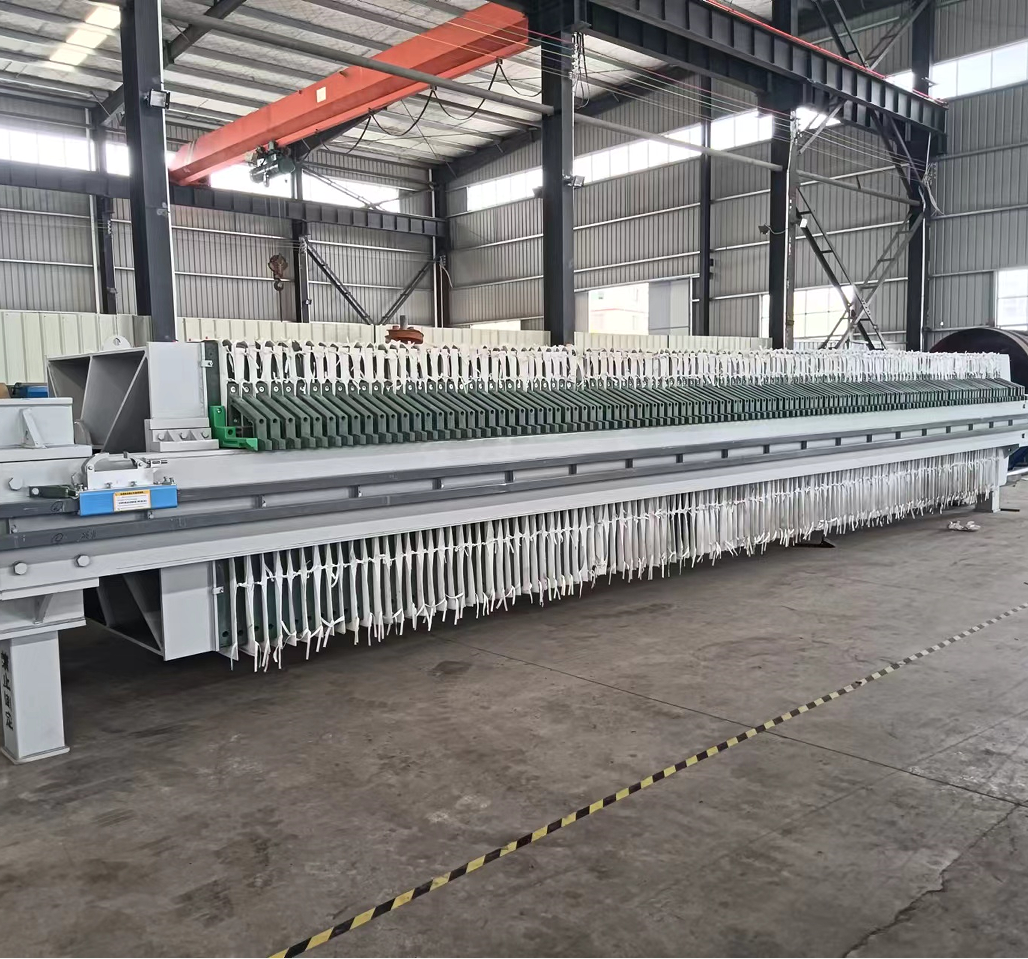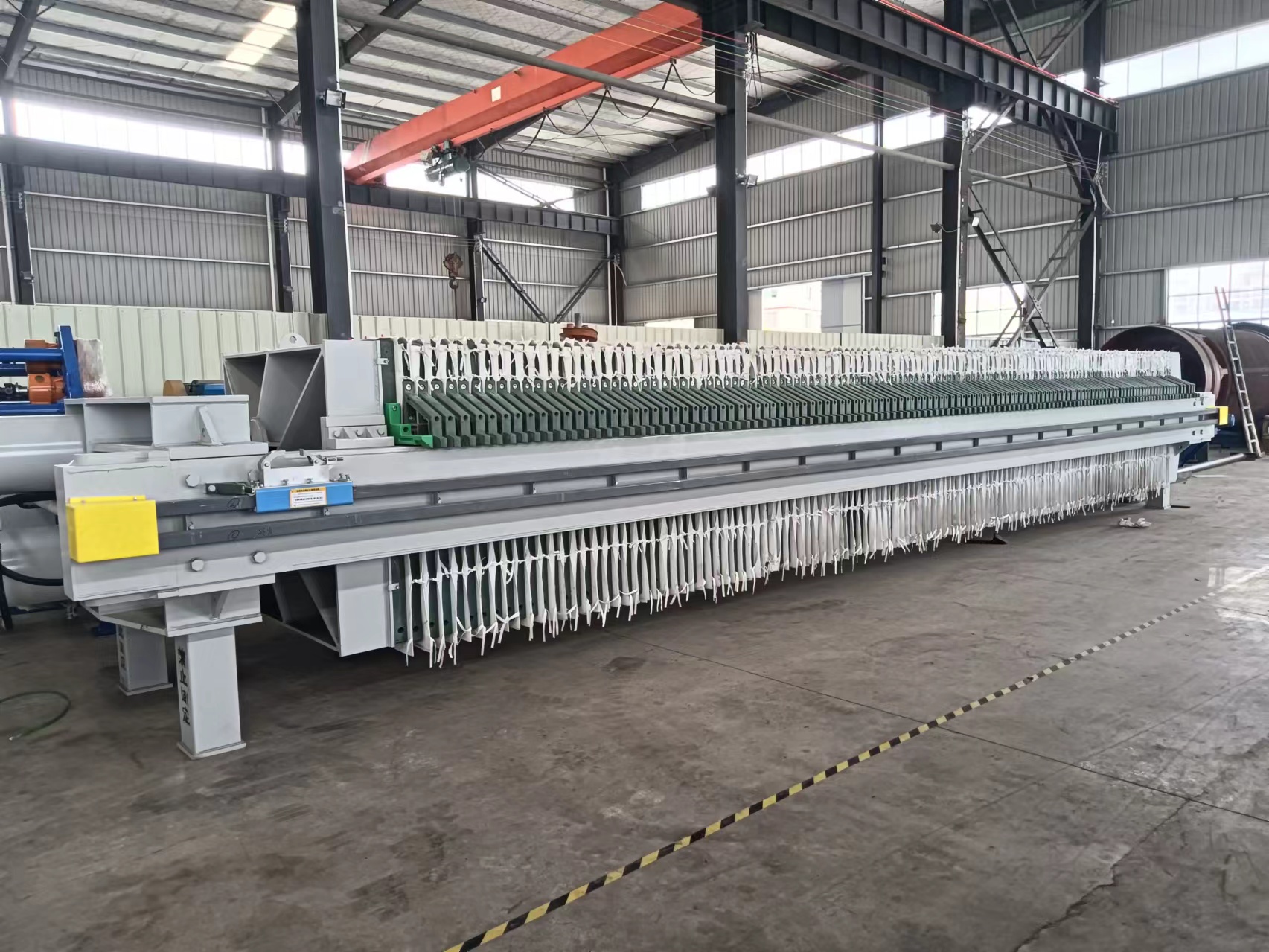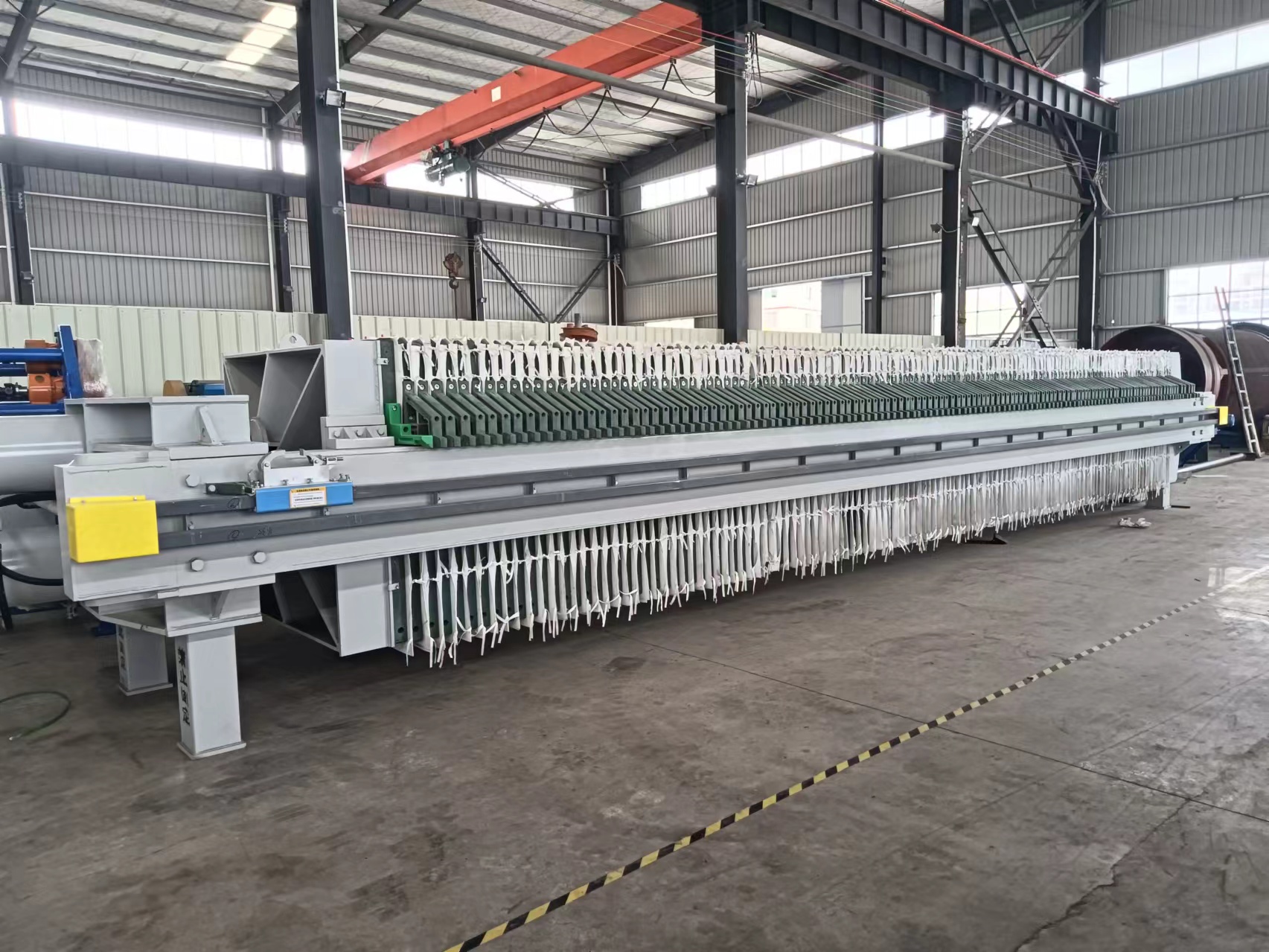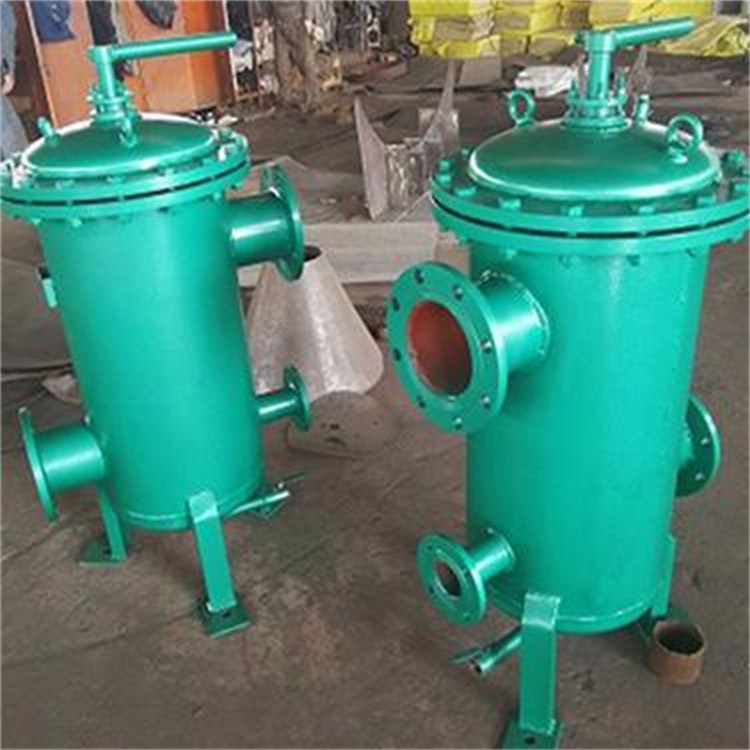

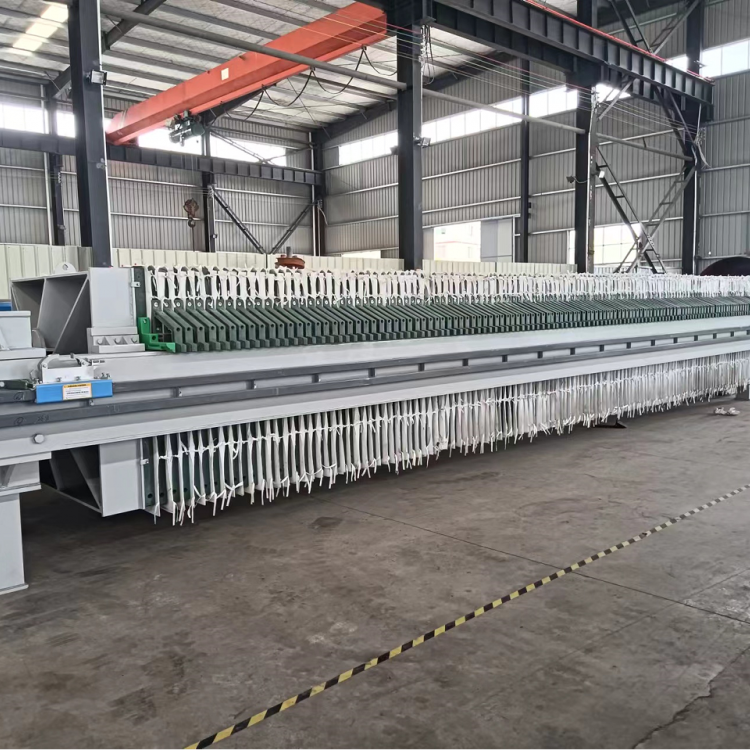

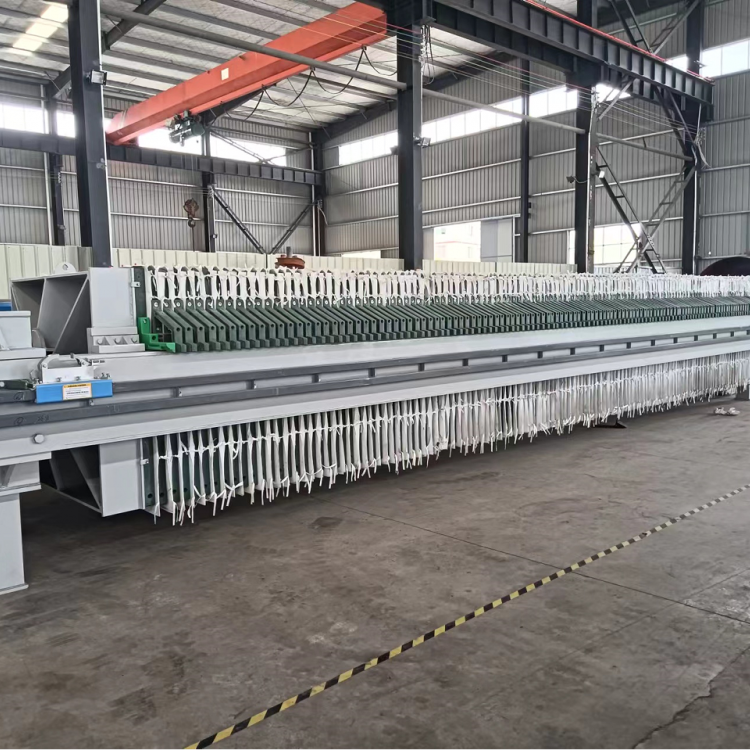
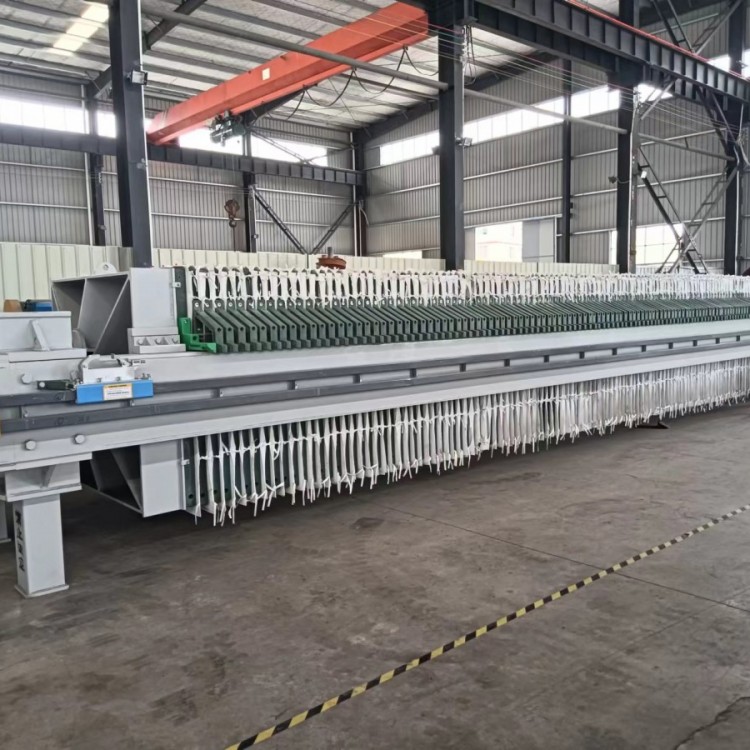
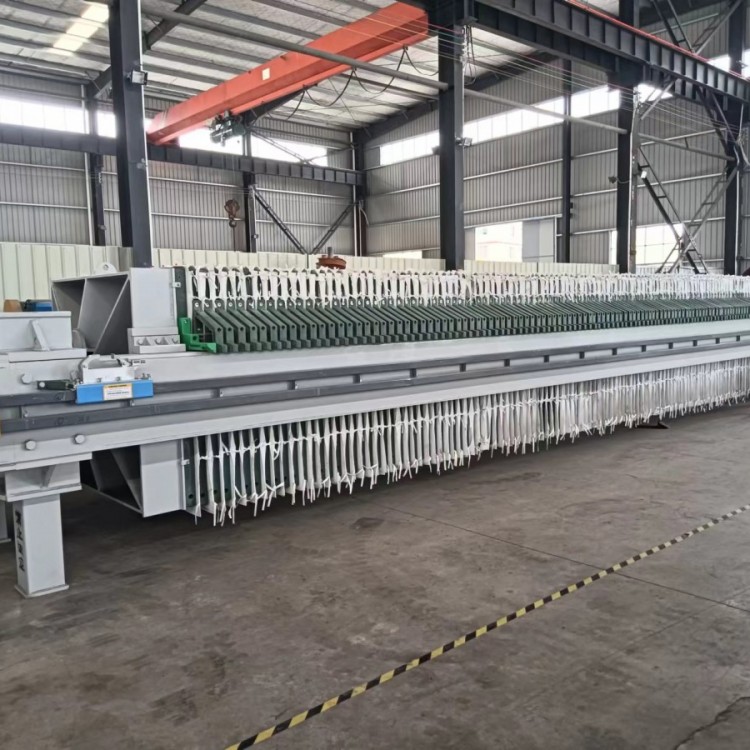








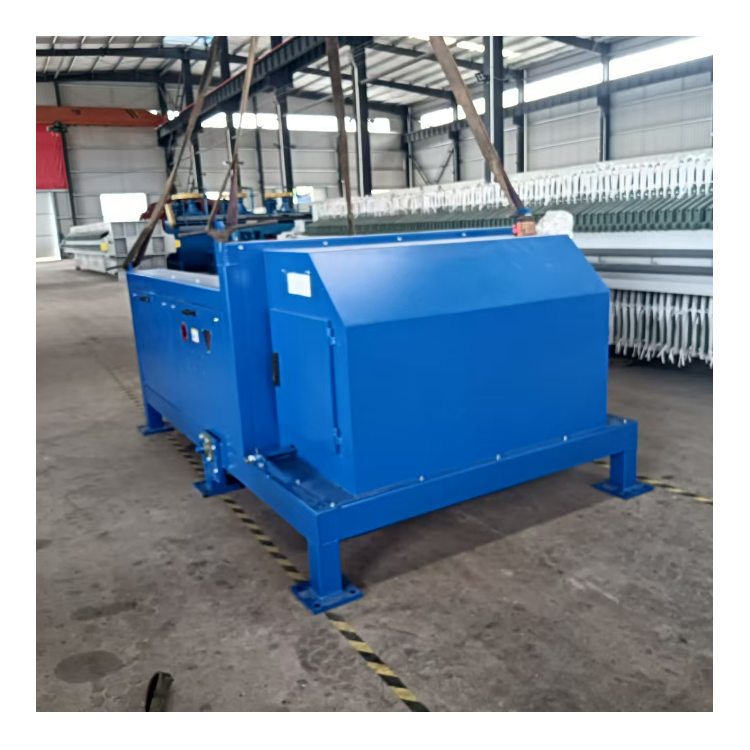
A pressure filter is a widely used mechanical equipment for solid-liquid separation, and its model specifications are crucial for selecting and using a pressure filter. This article will provide a detailed introduction to the common model specifications of pressure filters, so readers can better understand and choose the right pressure filter for their needs.
I. Basic Classification of Pressure Filters
Based on different working principles and structural characteristics, filter presses can be categorized into various types such as box filter presses, plate and frame filter presses, and diaphragm filter presses. Among them, the box filter press is a common type, featuring simple structure, easy operation, and large filtration area, and is widely used in industries like chemicals and environmental protection.
Section 2: Key Parameters of the Press Filter
Filtering Area: The filtering area of a pressure filter refers to the effective filtering area of the filter plate, typically measured in square meters. The size of the filtering area directly determines the processing capacity of the pressure filter, so when selecting a pressure filter, the appropriate filtering area should be determined based on actual requirements.
2. Filtration Pressure: Filtration pressure refers to the pressure generated by the filter press during operation, typically measured in MPa. The size of the filtration pressure affects the filtration speed and efficiency of the filter press, so it should be selected based on factors such as material properties and filtration requirements.
3. Filter Plate Dimensions: The filter plate is one of the main components of a pressure filter, and its size directly determines the filter area and processing capacity of the pressure filter. Common filter plate sizes include 630×630mm, 800×800mm, etc. Selection should be based on actual requirements.
4. Filter Plate Material: The material of the filter plate significantly impacts the lifespan and filtration efficiency of the pressure filter. Common materials include polypropylene (PP), polyethylene (PE), and stainless steel. Selection should be based on factors such as material properties and operating environment.
5. Filter Fabric Material: Filter fabric is a critical consumable in the pressure filter's filtration process, and its material directly impacts the filtration effect and service life. Common filter fabric materials include polypropylene, polyester, nylon, etc. Selection should be based on material properties, filtration requirements, and other factors.