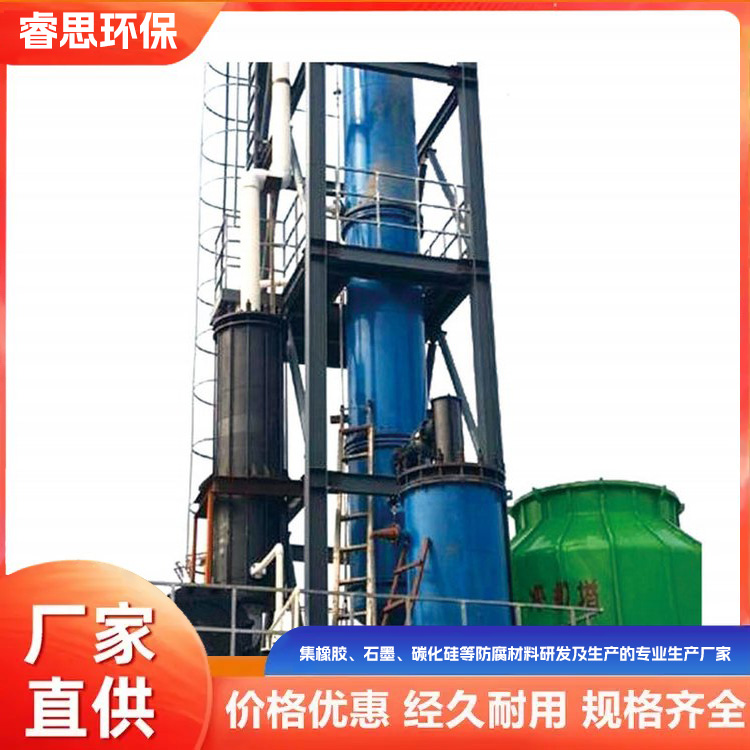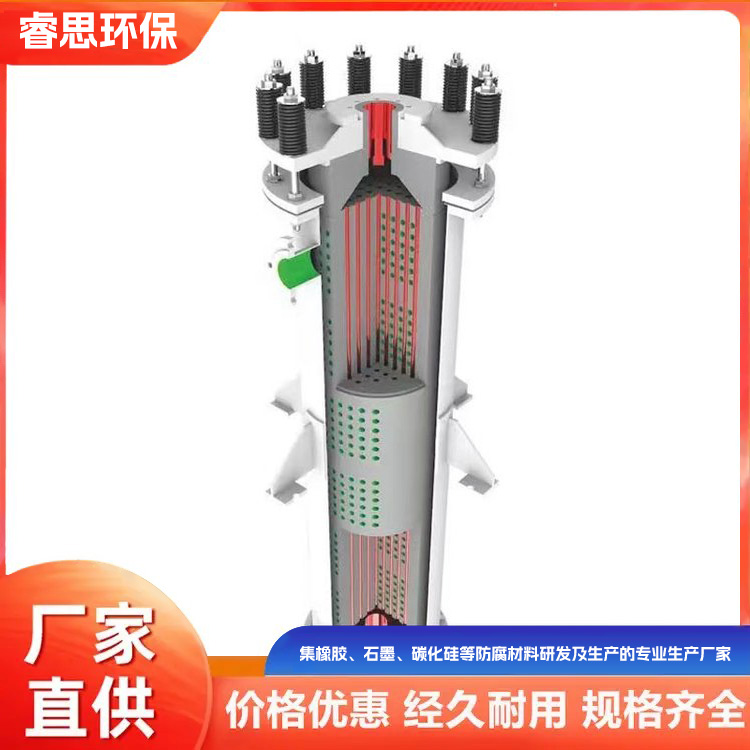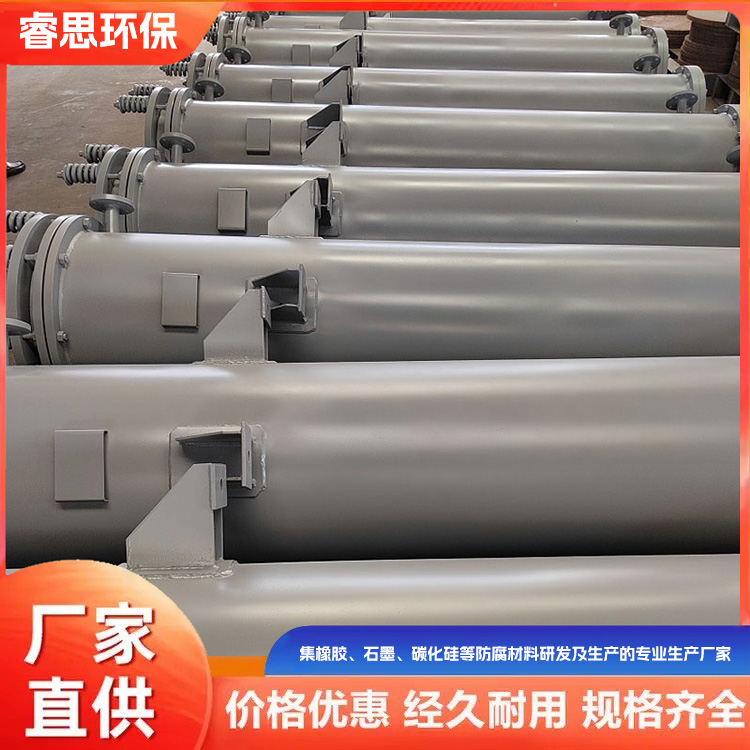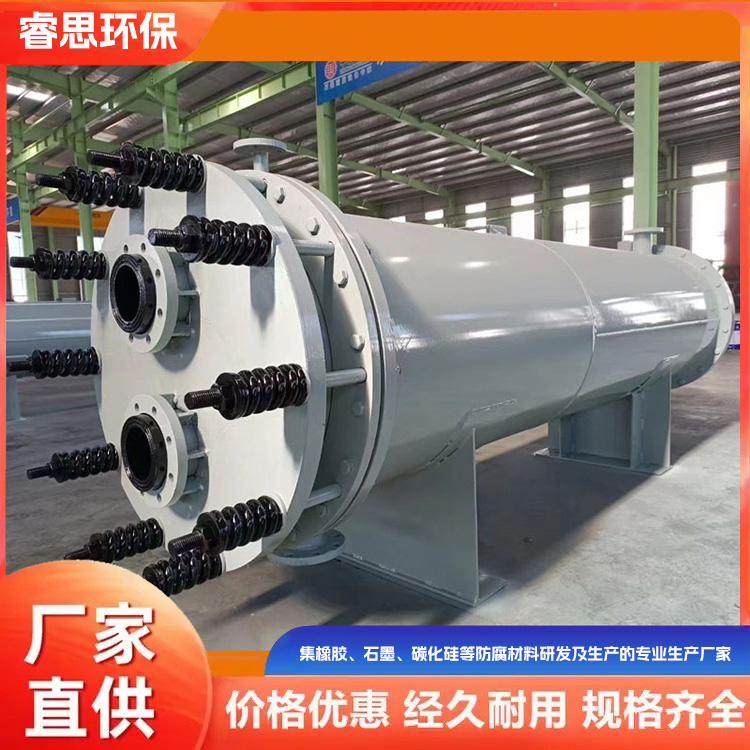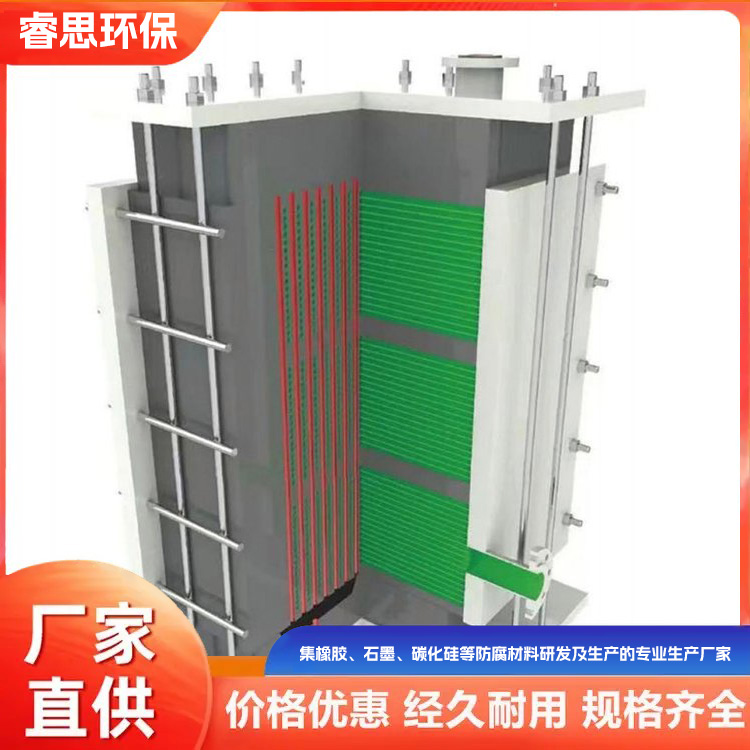


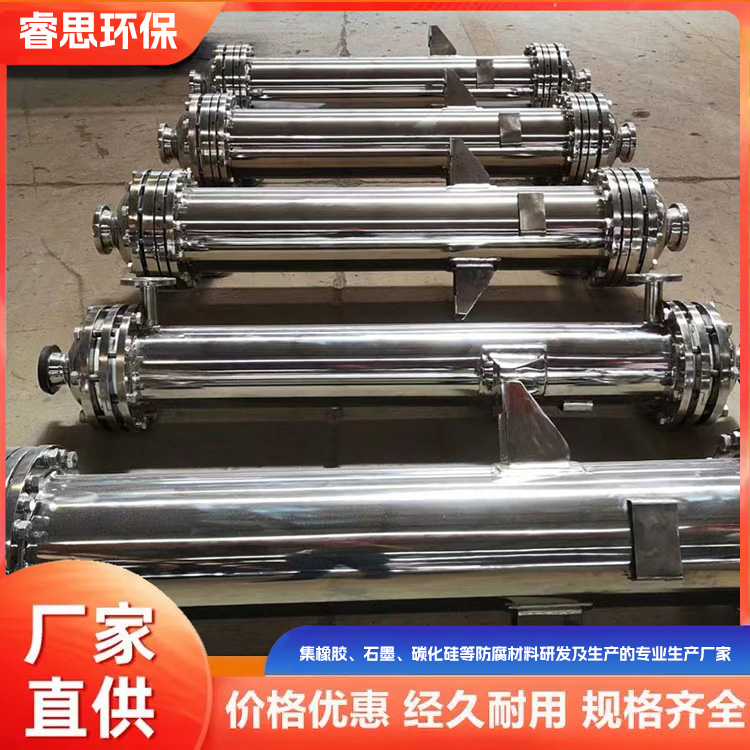







Water-water plate heat exchanger units feature the following characteristics:
High heat exchange performance
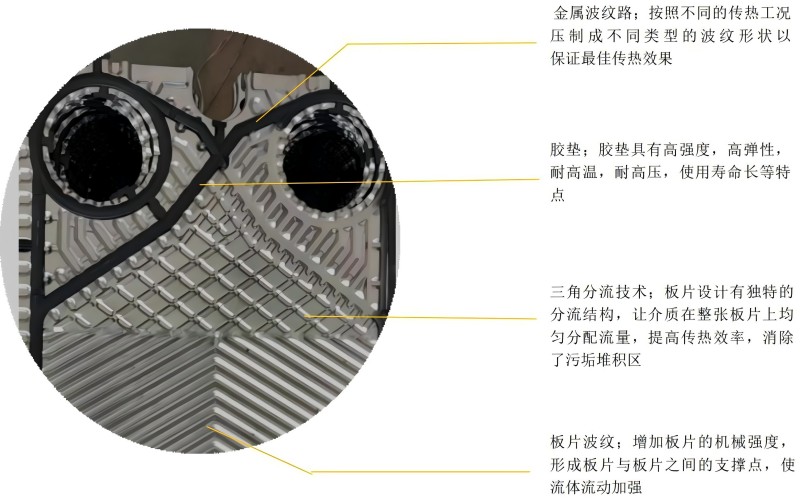
High thermal conductivity; due to the special design of the plates and the corrugated shape, heat transfer can be achieved in a smaller space, with a thermal conductivity typically 3 to 5 times higher than that of traditional shell-and-tube heat exchangers.
2. Compact structure; the plate heat exchanger units feature a compact design with minimal floor space, allowing for installation in limited areas, particularly suitable for space-constrained locations.
3. Rapid heating and cooling; capable of quickly responding to temperature changes, achieving fast heating and cooling, which enhances the system's response speed and efficiency.
Flexible Adaptability
Wide flow range; adaptable to various flow demands, capable of meeting different system requirements in varying scales by adjusting the number of plates and flow combinations.
2. Strong temperature adaptability; operates within a wide temperature range, suitable for various different water temperature conditions.
3. Customizability; design can be tailored to meet specific user requirements, including material of plates, heat exchange area, and connection methods, etc.
Section 3: Reliable Performance
Good sealing performance; high-quality sealing washers are used between the plates to ensure excellent sealing and prevent medium leakage.
2. High pressure resistance; The plate heat exchanger units, designed and manufactured with reasonable specifications, can withstand certain pressures, ensuring the safe operation of the system.
3. Easy to maintain; the panels are easy to disassemble and clean, making maintenance convenient and reducing downtime and maintenance costs.
Section 4: Energy Efficiency and Environmental Protection
Significant energy-saving effect; heat exchange performance reduces energy consumption and operation costs.
2. Environmentally friendly and pollution-free; no pollutants are generated during the water-water heat exchange process, friendly to the environment.
High degree of automation
Equipped with control system; capable of automated operation, including automatic adjustment and monitoring of parameters such as temperature, pressure, and flow.
2. Remote control function; some models of heat exchanger units also feature remote control capabilities, facilitating operation and management for users.