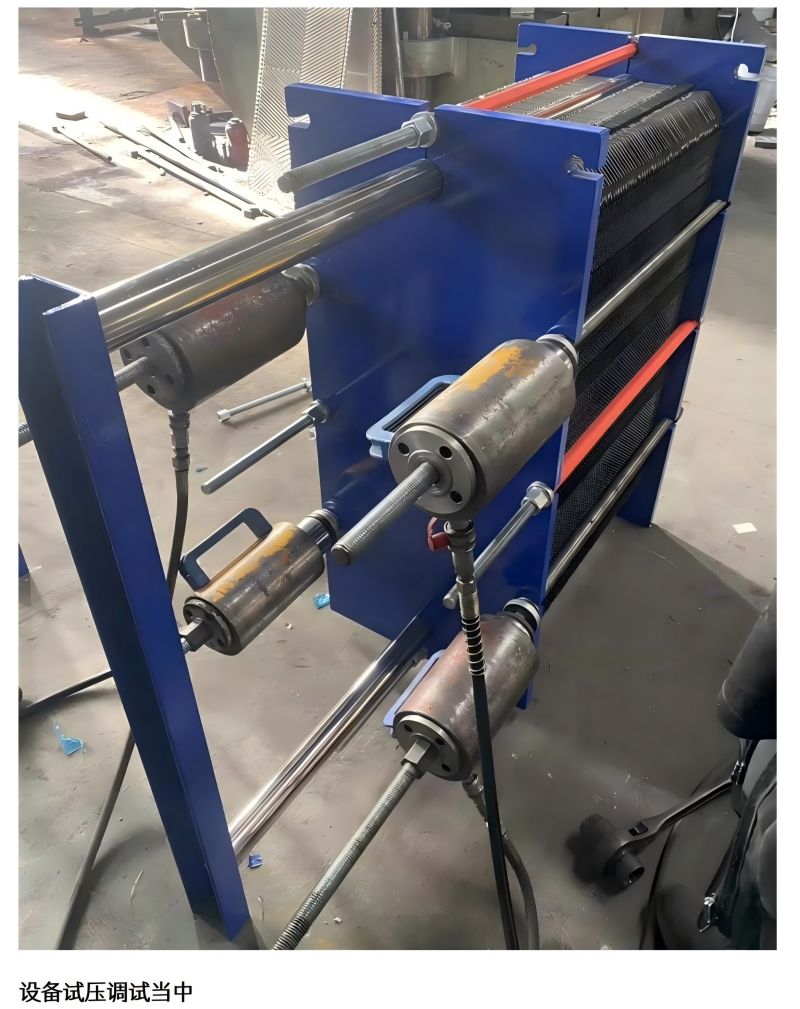









APV heat exchangers are mainly plate-type heat exchangers, with the working principle as follows:
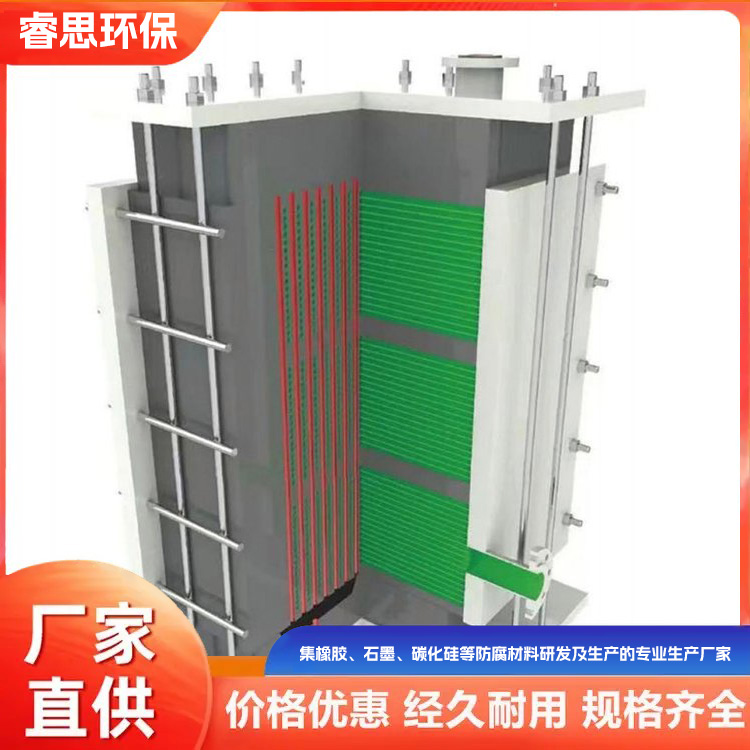
1. Heat Transfer Basics; Two fluids of different temperatures flow on opposite sides of the plates in a plate-type heat exchanger. Due to the good thermal conductivity of the plates, the fluid at higher temperature transfers heat to the cooler fluid through the plates, thereby achieving heat exchange.
2. Enhanced Plate Design for Efficiency; The plates of the APV heat exchangers feature complex patterns, creating variable flow channels that induce significant turbulence between the plates. This not only increases the contact area between the fluid and the plates but also enhances the heat transfer coefficient, reinforcing the heat exchange efficiency. Additionally, in the turbulent state, water is less prone to scaling on the plate surface, and any scaling that does occur is easily washed away by the water flow, ensuring the high-efficiency and stable operation of the heat exchanger.
3. Evenly distribute fluids; the inlet and outlet pipes feature a single-side design with a分流area, enabling uniform fluid distribution across the entire plate, maximizing the heat exchange area and further enhancing heat exchange efficiency. Additionally, with lower pressure drop, more pressure can be utilized for heat transfer.