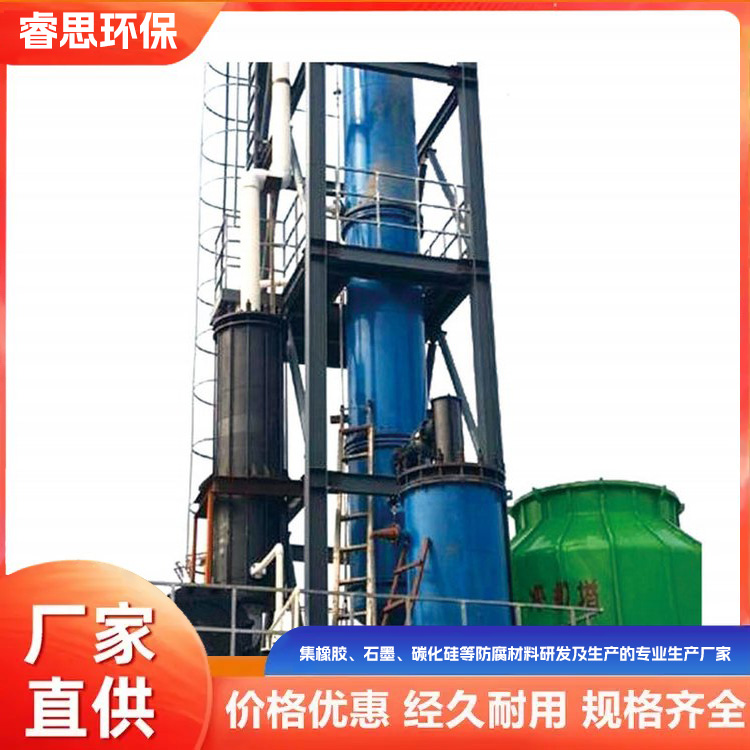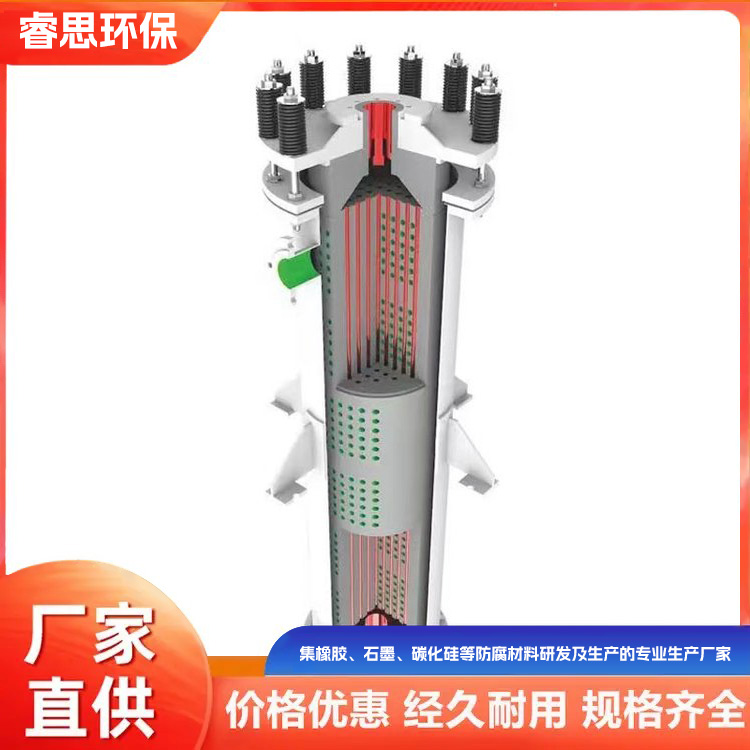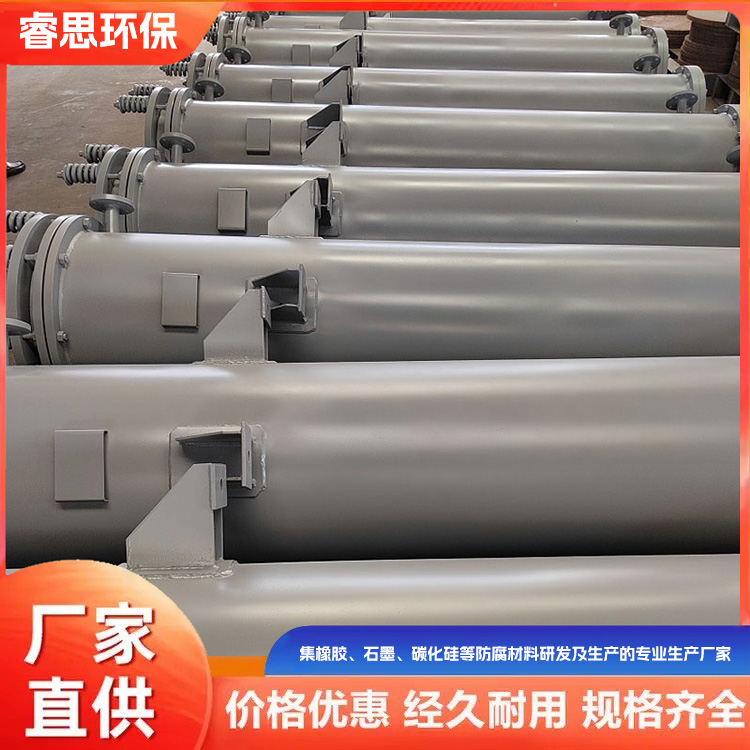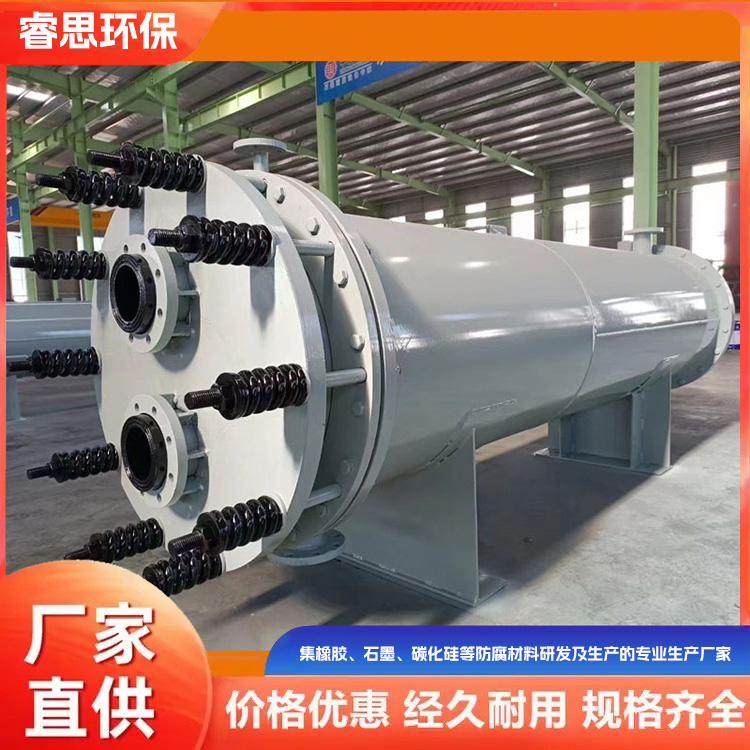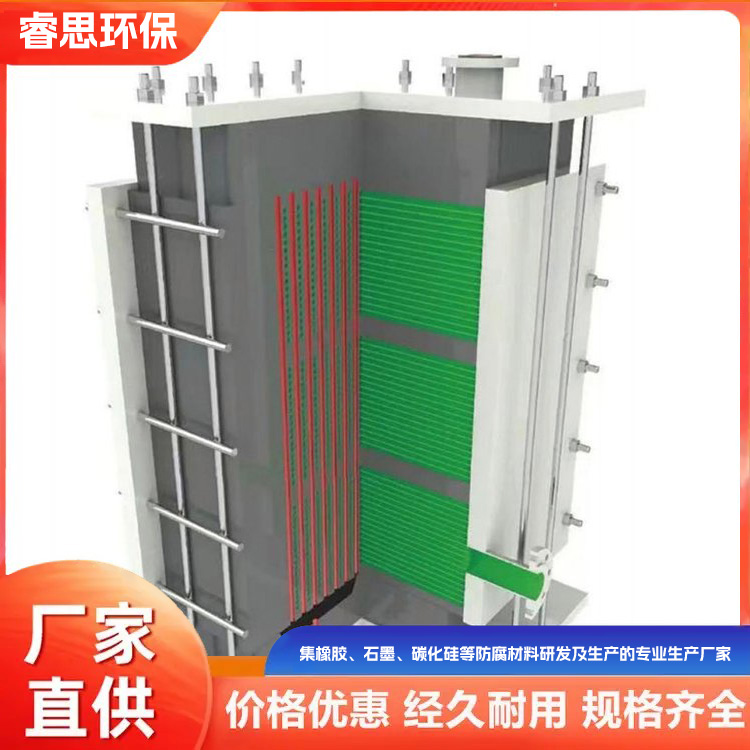


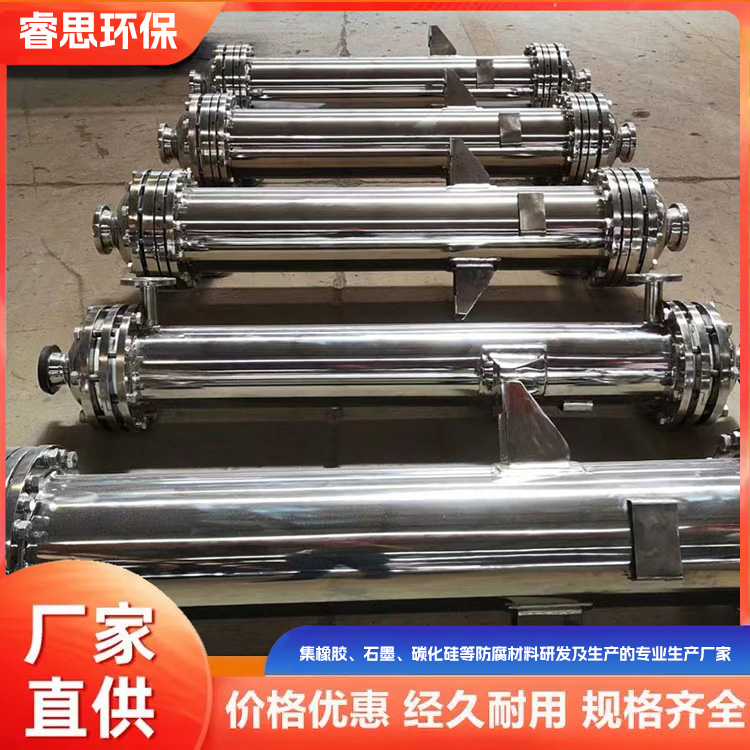
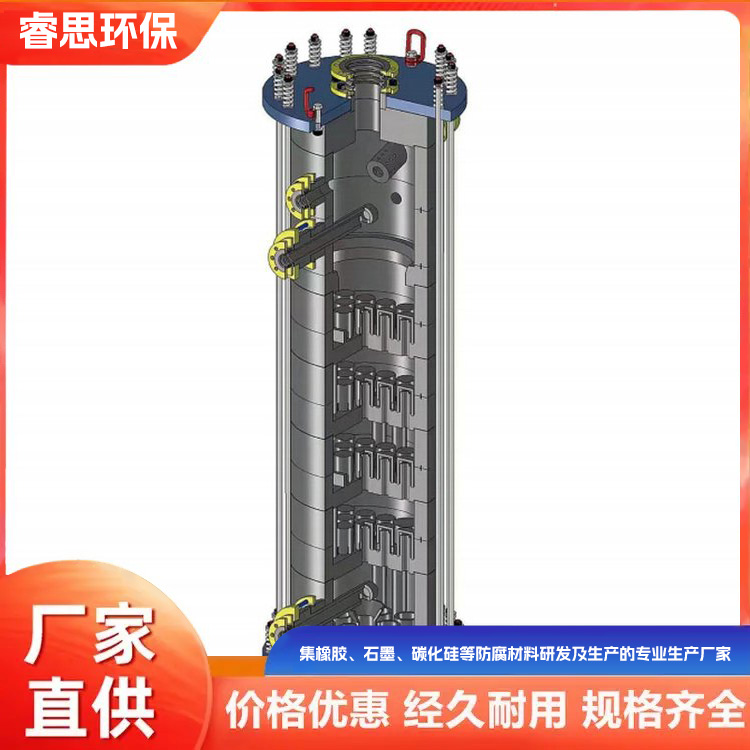
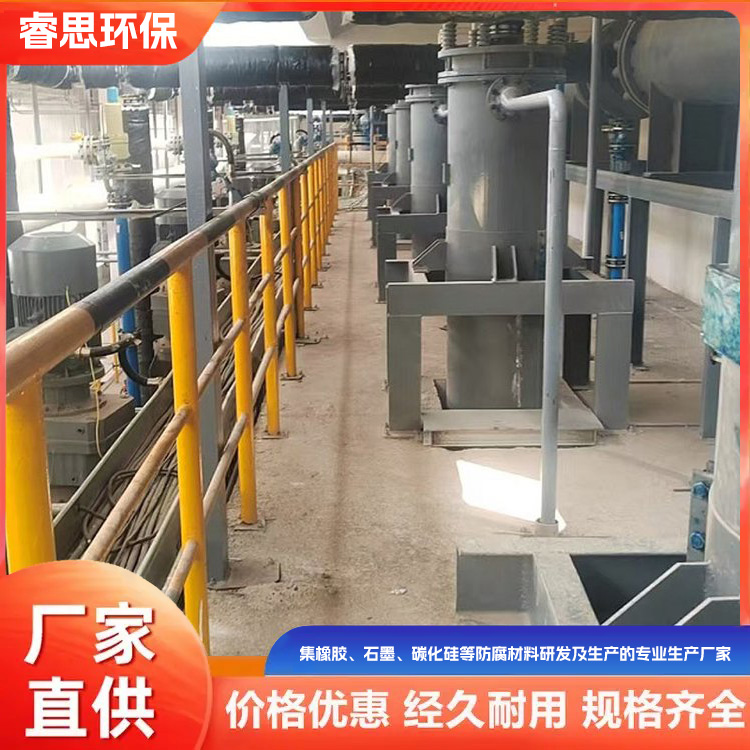







The 316 stainless steel heat exchanger primarily operates based on the principle of heat conduction.
Hot fluid flows through one channel of the heat exchanger, while cold fluid flows through the other channel. Heat is transferred from the higher-temperature hot fluid to the lower-temperature cold fluid through the wall of the 316 stainless steel tubes (which have good thermal conductivity and other properties), causing the hot fluid to cool down and the cold fluid to heat up, thereby achieving the heat exchange to meet the expected process requirements for heating or cooling.
Features:
1. High corrosion resistance; 316 stainless steel, containing molybdenum, offers superior corrosion resistance compared to 304 stainless steel. It can withstand the erosion of acids, alkalis, salts, and other corrosive substances, ensuring long-term stable operation of heat exchangers in harsh environments such as seawater and industrial settings with corrosive media. This is particularly beneficial in industries like chemicals, pharmaceuticals, and food processing, where contact with various corrosive materials is common and rust damage is minimized.
2. Excellent high-temperature performance; 316 stainless steel maintains stable properties in high-temperature environments, with operating temperatures up to 450°C. It is suitable for various high-temperature conditions, such as high-temperature reactions in petrochemicals and cooling of power generation units in the power industry, meeting the high-temperature heat exchange requirements of different industrial sectors.
3. Excellent mechanical properties; features high strength and good toughness, capable of withstanding significant force and pressure. It can resist fluid impact and pressure fluctuations during the manufacturing and operation of heat exchangers, ensuring structural stability of the equipment, preventing damage such as deformation and cracking, and extending service life. Suitable for high-pressure, high-flow heat exchange systems.
4. Easy to process and manufacture; can be processed and manufactured through various techniques such as cutting, bending, and welding, catering to different shape and size design requirements. This facilitates customized production of heat exchangers in various structural forms, such as tube-and-shell, plate, finned tube, etc., to accommodate different working conditions and heat exchange needs.