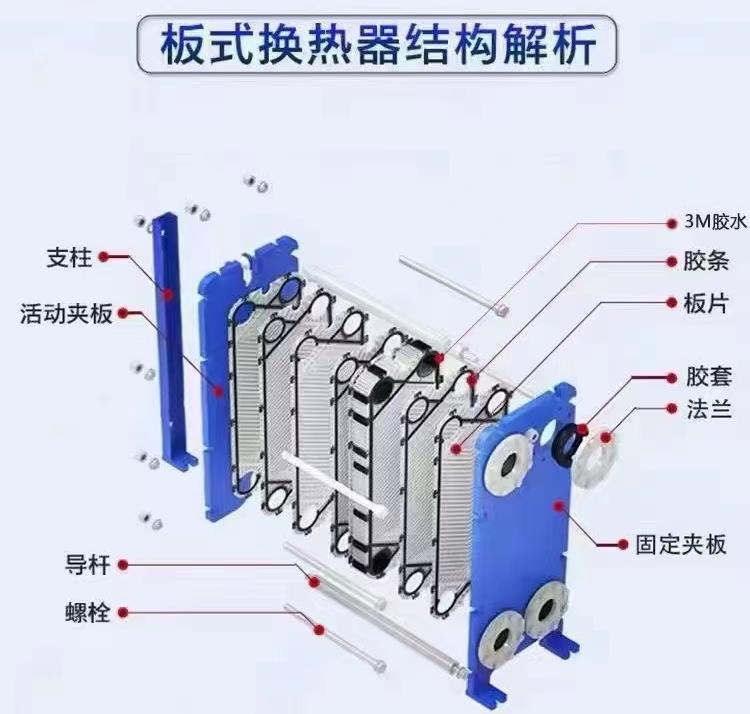


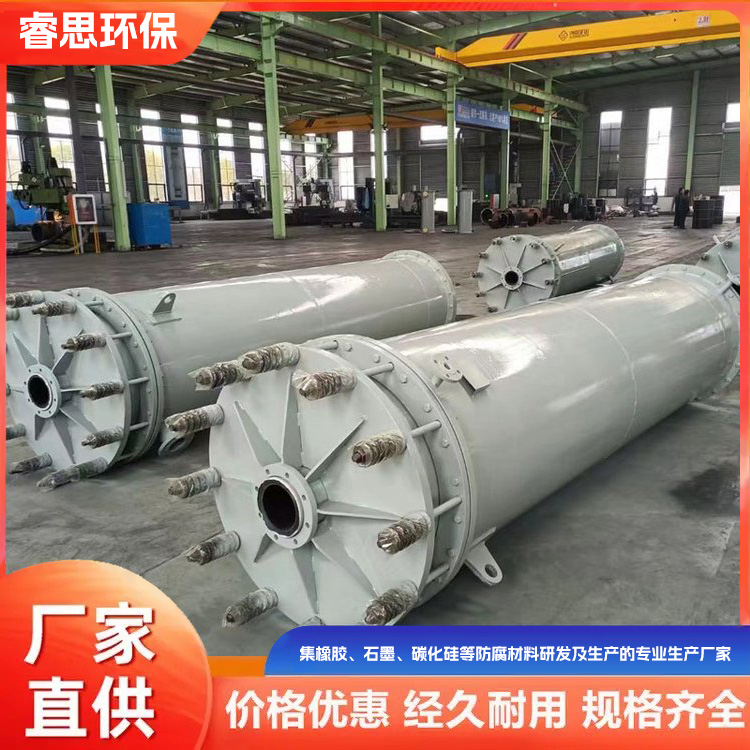
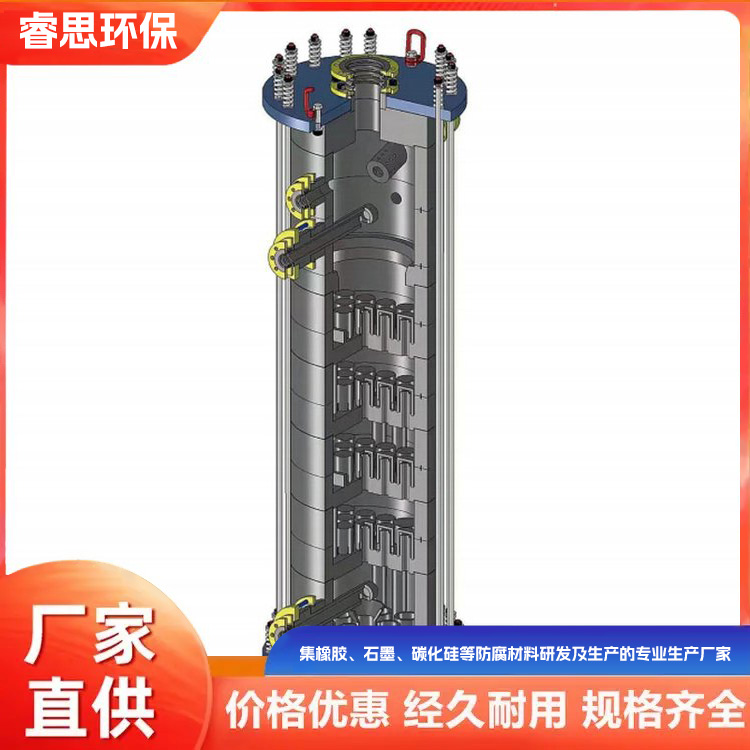
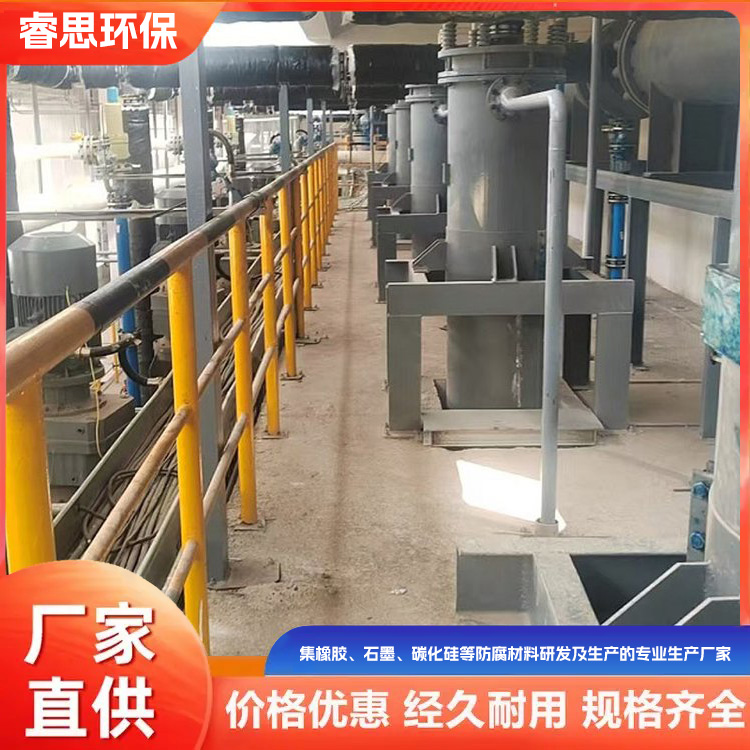







The working principle of a titanium plate heat exchanger is to achieve heat exchange between two media through channels between the plates. The specific process is as follows:
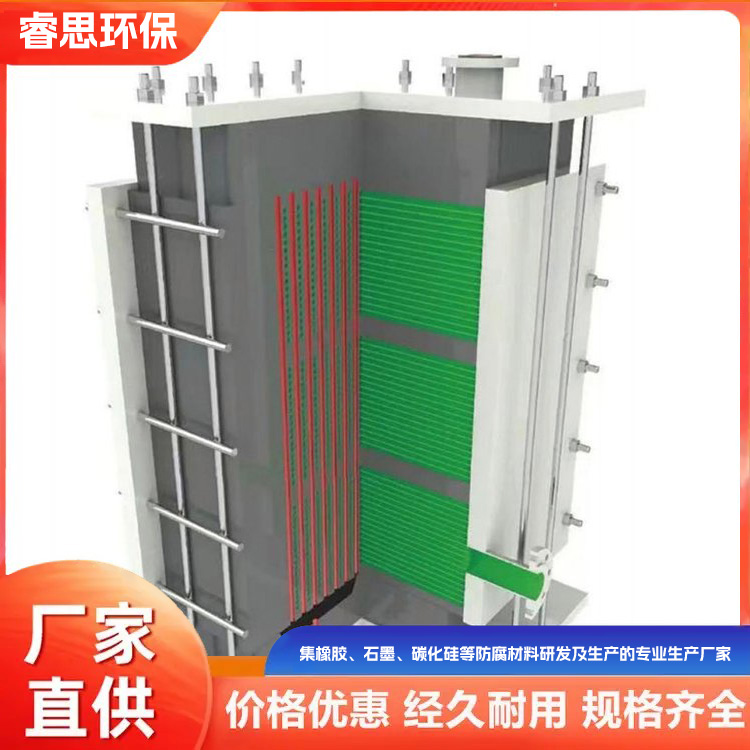
Overall distribution; fluid is distributed to each heat exchange channel through the inlet.
2. Heat Exchange; fluids flow through the heat exchange channels, transferring heat through titanium plates. The titanium plates have high thermal conductivity, effectively transferring the heat of the fluid to the cold fluid.
3. Fluid Flow; fluids of two different temperatures enter from both sides of the plates. The hot fluid enters from the inlet on one side, and the cold fluid enters from the inlet on the other side. Due to the corrugated shape of the plates, the flow paths of the fluids become winding and complex, increasing turbulence and thereby enhancing heat transfer efficiency.
4. Heat Transfer; During the heat exchange process, the temperature of the hot fluid gradually decreases, while the temperature of the cold fluid gradually increases, thereby achieving the exchange of heat.
5. Fluid collection and discharge; the fluids, after heat exchange, exit the heat exchanger from their respective sides' outlets, completing the entire heat exchange process.
Advantages of Titanium Plate Heat Exchangers
High thermal efficiency; the titanium plate heat exchangers have a higher thermal coefficient, with a thermal efficiency up to 3-5 times higher than that of tubular heat exchangers.
2. Compact structure; small footprint, high space utilization, suitable for use in limited space environments.
3. Easy to clean and maintain; thanks to its structural design, cleaning and maintenance are both convenient, allowing for easy disassembly and reassembly.
4. Corrosion-resistant and high-temperature resistant; titanium alloy materials offer excellent corrosion resistance and high-temperature properties, suitable for various corrosive mediums.