








6 Common Causes of High-Pressure Faults in Cold Water Chillers and Their Solutions
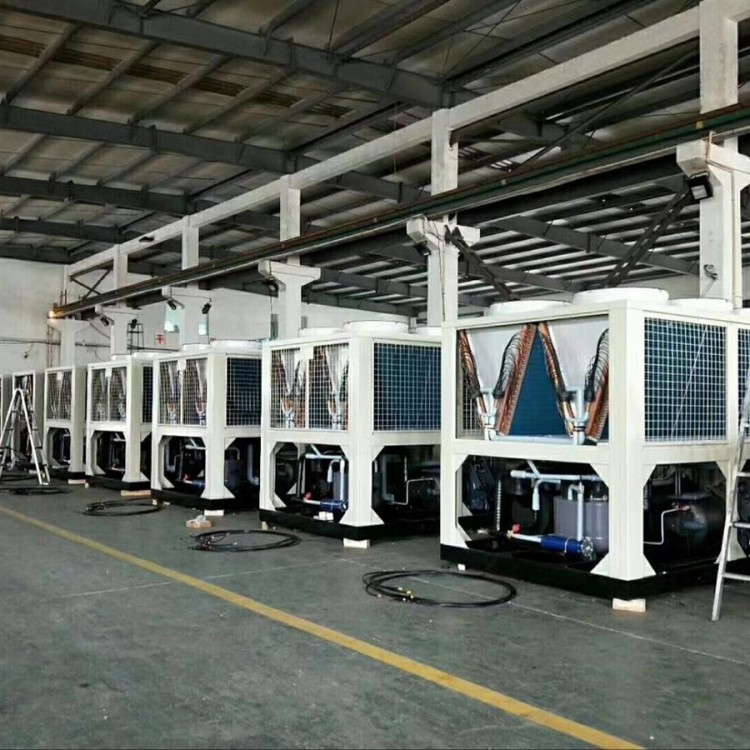
High-pressure failure of a chill water unit refers to the compressor exhaust pressure being too high, causing the high-pressure protection relay to activate. The compressor exhaust pressure reflects the condensing pressure, with normal values ranging from 1.4 to 1.6 MPa, and the protection value set at 2.0 MPa. Long-term excessive pressure can lead to abnormally high operating current in the compressor, easily burning the motor and causing damage to the valve plate at the compressor exhaust outlet.
What are the main causes of high-voltage faults? Today, I summarize them in the hope that they will be helpful to you:
(1) Overfilling of refrigerant. This typically occurs after maintenance, characterized by abnormally high suction and discharge pressures, balance pressure, and compressor operating current.
Solution: Bleed air according to the suction and exhaust pressures, balance pressure, and operating current under the rated operating conditions until normal.
(2) Excessive cooling water temperature, leading to poor condensation efficiency. The rated operating conditions for the cooling water of the chiller unit are between 30~35°C. High water temperature results in poor heat dissipation, which inevitably leads to increased condensation pressure, a phenomenon often occurring during the hot season.
Solution: Possible causes of high water temperature include: issues with the cooling tower, such as fans not running or reversing, nozzles not rotating, resulting in very high and rapidly rising cooling water temperatures; high ambient temperatures, short water lines, and limited recirculating water volume, which usually keeps the cooling water temperature high. To address this, increasing the storage pond can be an effective solution.
(3) Insufficient cooling water flow, not reaching the rated water flow. The main manifestation is the decrease in the pressure difference between the inlet and outlet of the unit (compared to the initial pressure difference when the system was put into operation), with an increase in temperature difference.
Solution: Insufficient water flow is caused by system dehydration or air presence. The solution is to install an exhaust valve at the high point of the pipeline for air release; clogged pipeline filters or overly fine filters restrict water permeability. Use appropriate filters and clean the filter mesh regularly; the pump selected is too small and not compatible with the system.
(4) Scale Build-up or Clogging in the Condenser. Condensate water is typically supplied with tap water, which easily forms scale above 30°C. Moreover, due to the open nature of the cooling tower, it is directly exposed to the air, allowing dust and foreign particles to easily enter the cooling water system. This causes the condenser to become dirty and clogged, reducing the heat exchange area, lowering efficiency, and also affecting water flow. The symptoms include increased pressure difference between the unit's in and out water, and a larger temperature difference. When touched, both the upper and lower parts of the condenser are very hot, and the copper tube leading out of the condenser feels hot to the touch.
Solution: The unit should be periodically backflushed, and chemical cleaning for scale removal should be performed as needed.
(5) False Alarms Caused by Electrical Failures. False alarms may occur due to dampness in high-voltage protective relays, poor contact, or damage, dampness or damage to the unit electronic board, or communication failures leading to false alarms.
Solution: In such false failure cases, the HP fault indicator on the electronic board often does not light up or is dim, manual reset of the high-voltage protection relay is ineffective, the computer displays "HPRESET," or it automatically disappears. The measured compressor running current is normal, and the suction and exhaust pressure are also normal.
(6) The refrigerant is mixed with air and nitrogen, among other non-condensable gases.
Solution: This issue typically occurs after maintenance due to incomplete evacuation. It can only be resolved by removing the refrigerant, re-evacuating, and refilling with new refrigerant.
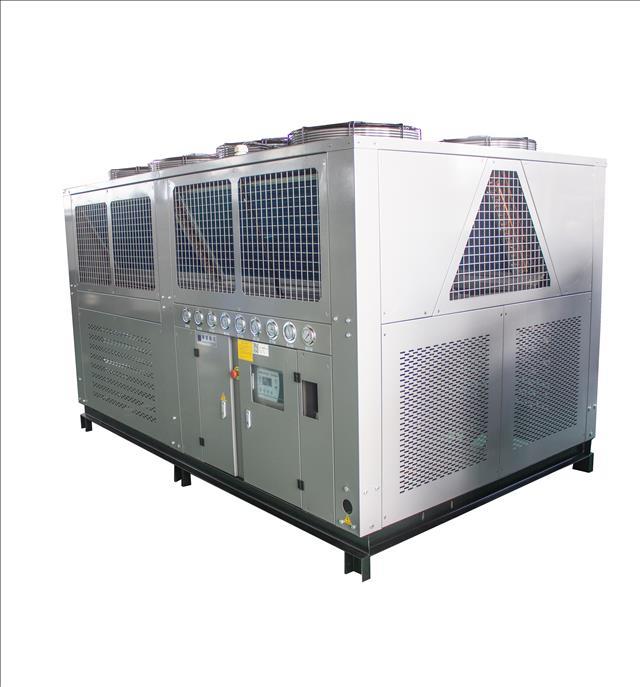
A chiller is a water cooling device that provides a constant temperature, flow, and pressure of chilled water. Its working principle involves first filling the machine's water tank with a certain amount of water, cooling it through a refrigeration system, and then pumping the low-temperature chilled water into the equipment that requires cooling. After the chilled water carries away the heat, it becomes warmer and returns to the tank, thus achieving the cooling effect. However, over the long-term use of a chiller, deposits often form in the chiller's pipes or water tank. But where do these deposits come from?
1. Chemical Treatment Agent
If zinc salts or phosphate corrosion inhibitors are added to the water circulation system, zinc or phosphate scale may form. Therefore, we need to regularly maintain and service the chilled water unit, not only to ensure its refrigeration capacity but also to extend its lifespan.
2. Process medium leakage
Leakage in the water cooler, particularly oil leakage or certain organic substances causing sedimentation.
3. Tap Water
Unprocessed poor-quality makeup water can introduce silt, microorganisms, and suspended particles into the chilled water unit. Even well-clearified, filtered, and disinfected makeup water will have some turbidity and carry a small amount of biological contaminants. During clarification, there's also a possibility of introducing hydrolysis products of the mixed agent, such as aluminum or iron ions, into the makeup water. Moreover, regardless of pretreatment, dissolved salts in the makeup water will be introduced into the circulating water system.
4. Air
Silt, dust, microorganisms, and their spores can be carried into the circulating system by air, and sometimes insects can also introduce them, leading to clogs in heat exchangers. When the surrounding environment of the cooling tower is contaminated, corrosive gases like hydrogen sulfide, chlorine dioxide, and ammonia will react within the unit, indirectly causing deposits.