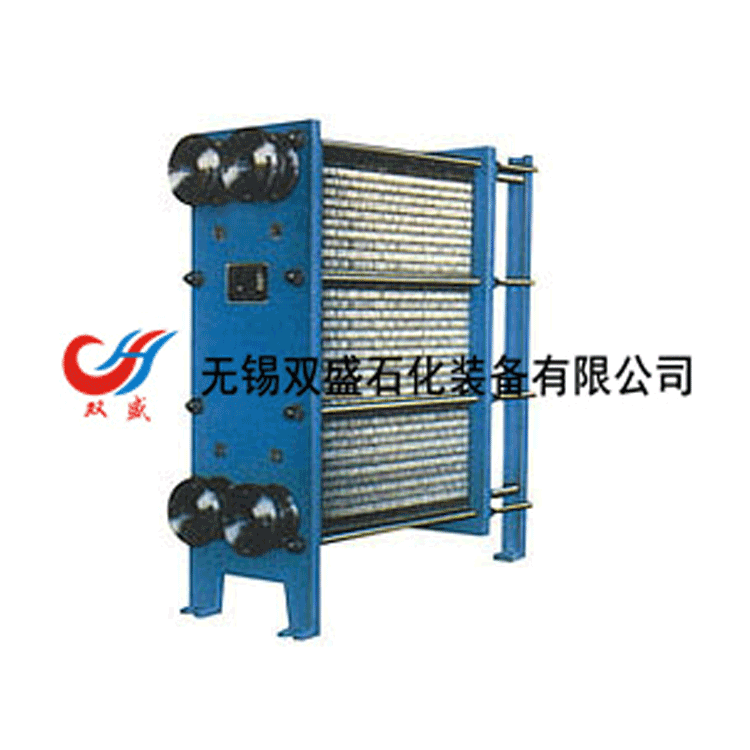














Plate Heat Exchanger

Overview
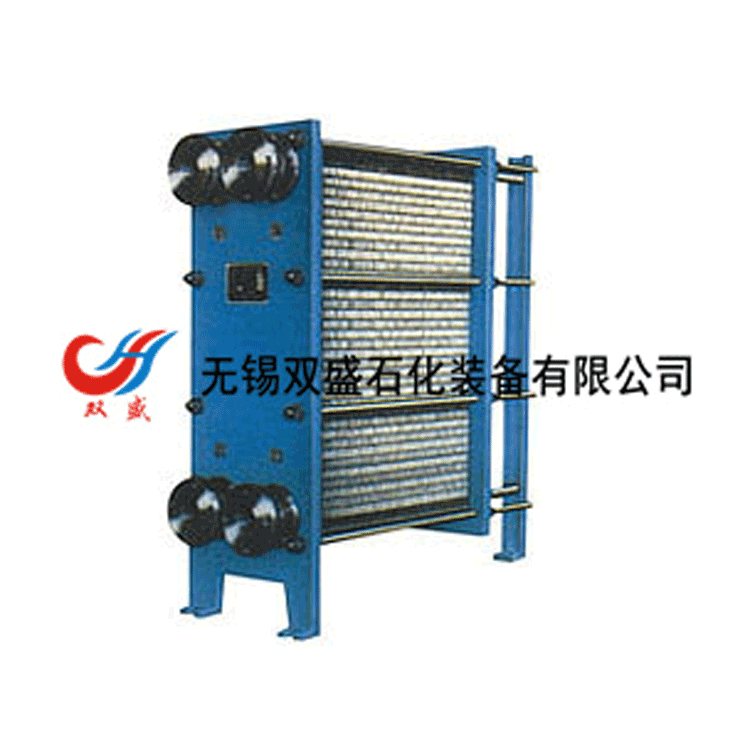
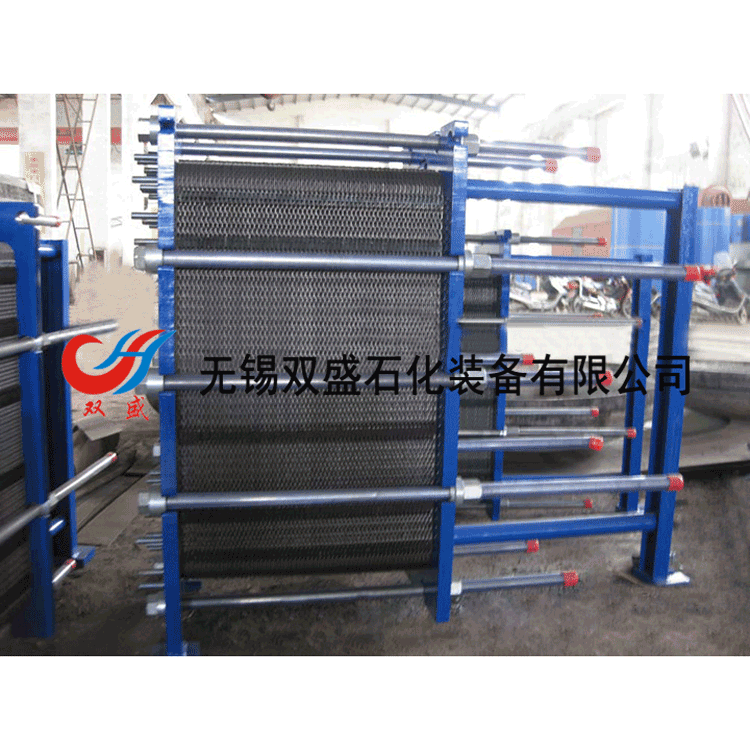
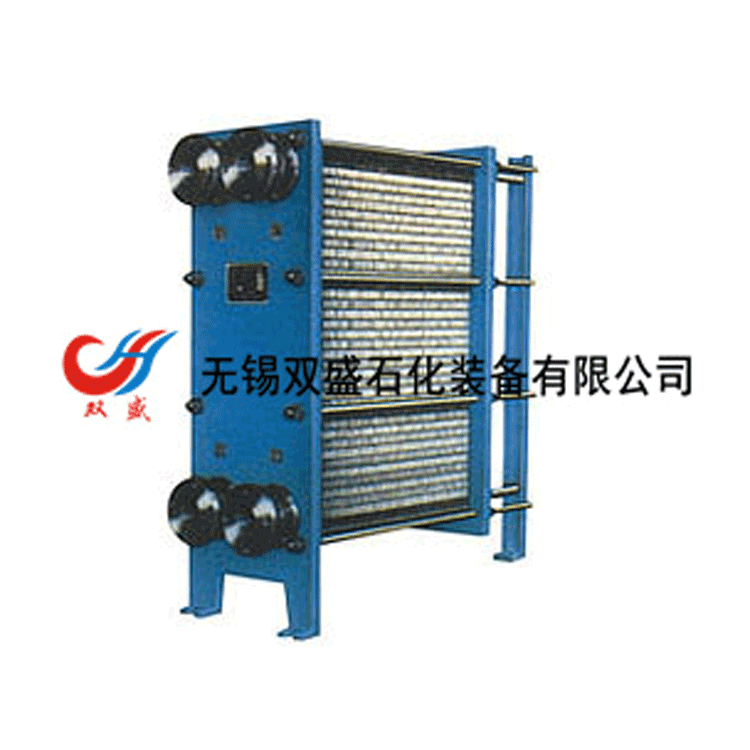
Plate heat exchangers are heat exchange devices suitable for gas-gas, liquid-liquid, and gas-liquid convective heat transfer, as well as for steam condensation and liquid evaporation heat transfer. This product boasts high heat transfer efficiency, strong self-cleaning ability against fouling, compact size, affordable price, and reliable operation. It is used for heat exchange and waste heat recovery in industries such as solvents, chemicals, rosin, dyes, and food.
Design Features of Plate Heat Exchangers
High heat exchange efficiency
The heat transfer coefficient typically ranges from 2000 to 5000 kcal/m²hr°C, which is 3 to 5 times higher than that of a shell-and-tube heat exchanger.
Section II: Compact Structure
Due to the compact arrangement of the heat transfer plates, the占地面积 or space required is smaller compared to other types of heat exchangers.
3. Easy to Maintain
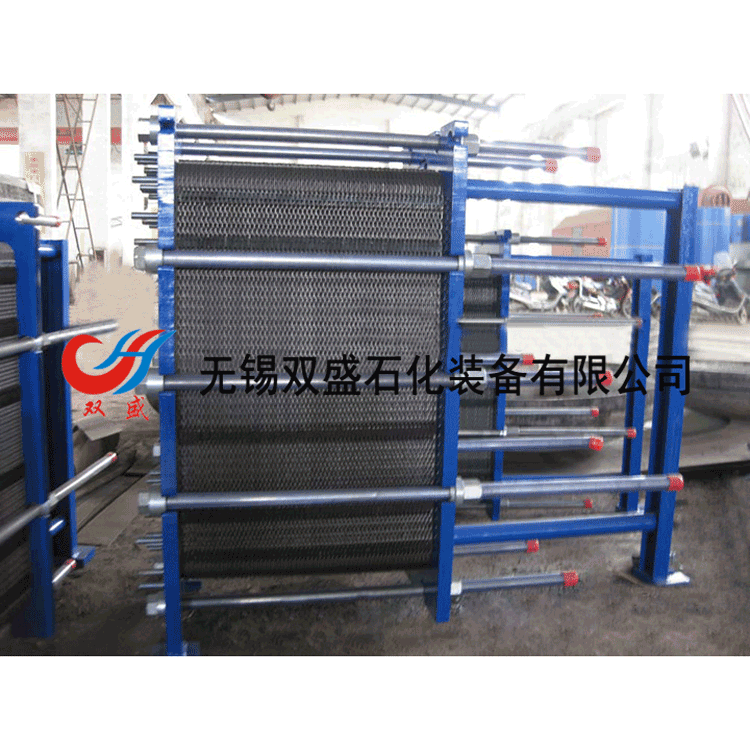
The plates are tightly assembled yet easily disassembled for maintenance and cleaning.
Four, Longevity
The sheets can be made from 0.6-1.0mm thick 304, 316, 316L stainless steel plates or titanium alloy thin plates, which are resistant to various corrosive media.
Five, flexible assembly without liquid cross-contamination
As per the varying heat exchange area requirements of the user, the assembly can be configured to change the initial power by simply adding or removing plates. Moreover, due to the double-sealed plate channels, a safe steam passage is formed, preventing the possibility of communication between the two media.
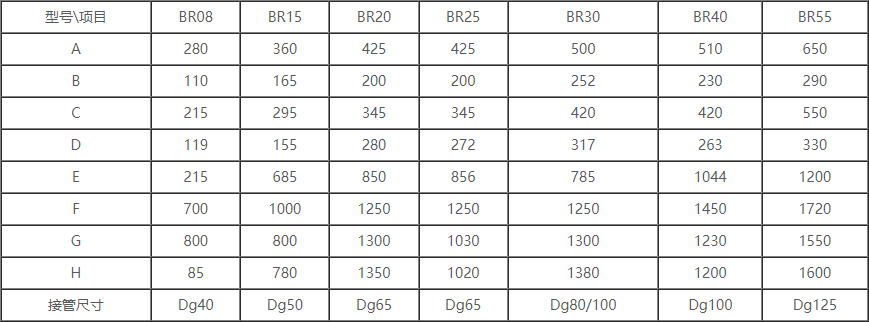
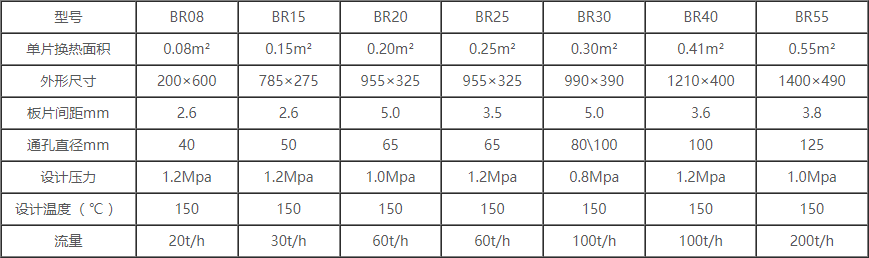
Plate Heat Exchanger Technical Parameters
Usage Instructions
Before starting up, check the entire pipeline connection system and the required fluid inlet and outlet connection forms. When starting, first open the low-temperature, low-pressure valve, then open the high-temperature, high-pressure fluid valve. When shutting down, first close the high-temperature, high-pressure fluid valve, then close the low-temperature, low-pressure fluid valve.
Two, When a plate heat exchanger is used for liquid-liquid exchange, there is no need for a condensate removal device. For vapor-vapor exchange and low flow rate, high viscosity fluids, a condensate valve and a drain trap should be installed in the piping system to improve the heat exchange efficiency of the unit.
Three, after long-term continuous operation, plate heat exchangers may experience reduced heat transfer efficiency due to sediment accumulation on the plate surfaces, increasing thermal resistance. Maintenance personnel should regularly clean and maintain them.
Four, when replacing gaskets during maintenance, first clean the plates with acetone or ethyl acetate. Then apply adhesive to both the plate slots and the gasket. After the adhesive has dried slightly, insert the gasket into the slot and press it flat around the edges, allowing a few hours for assembly.
Sealing Gasket Material

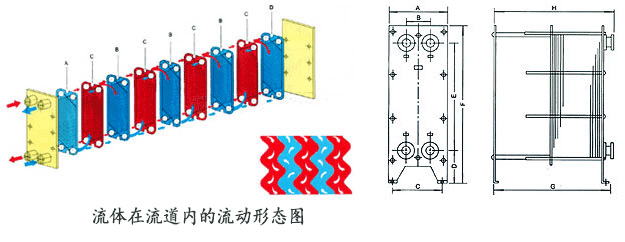
Main Technical Parameters of the Complete Machine