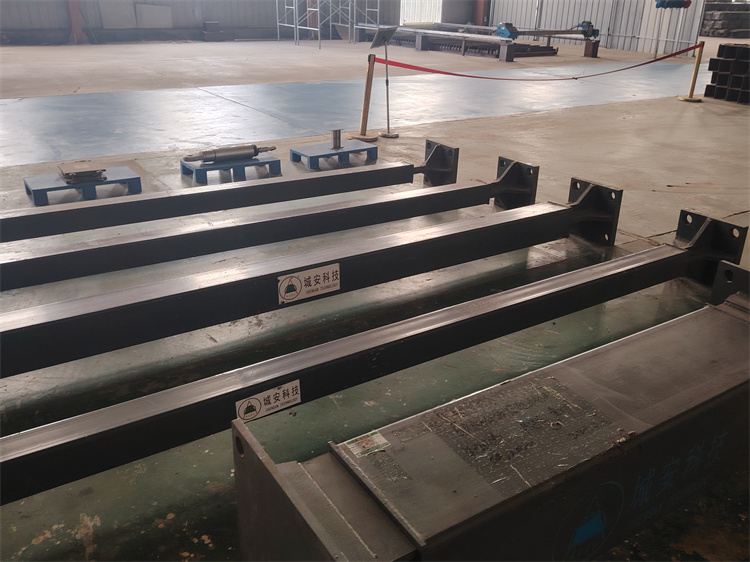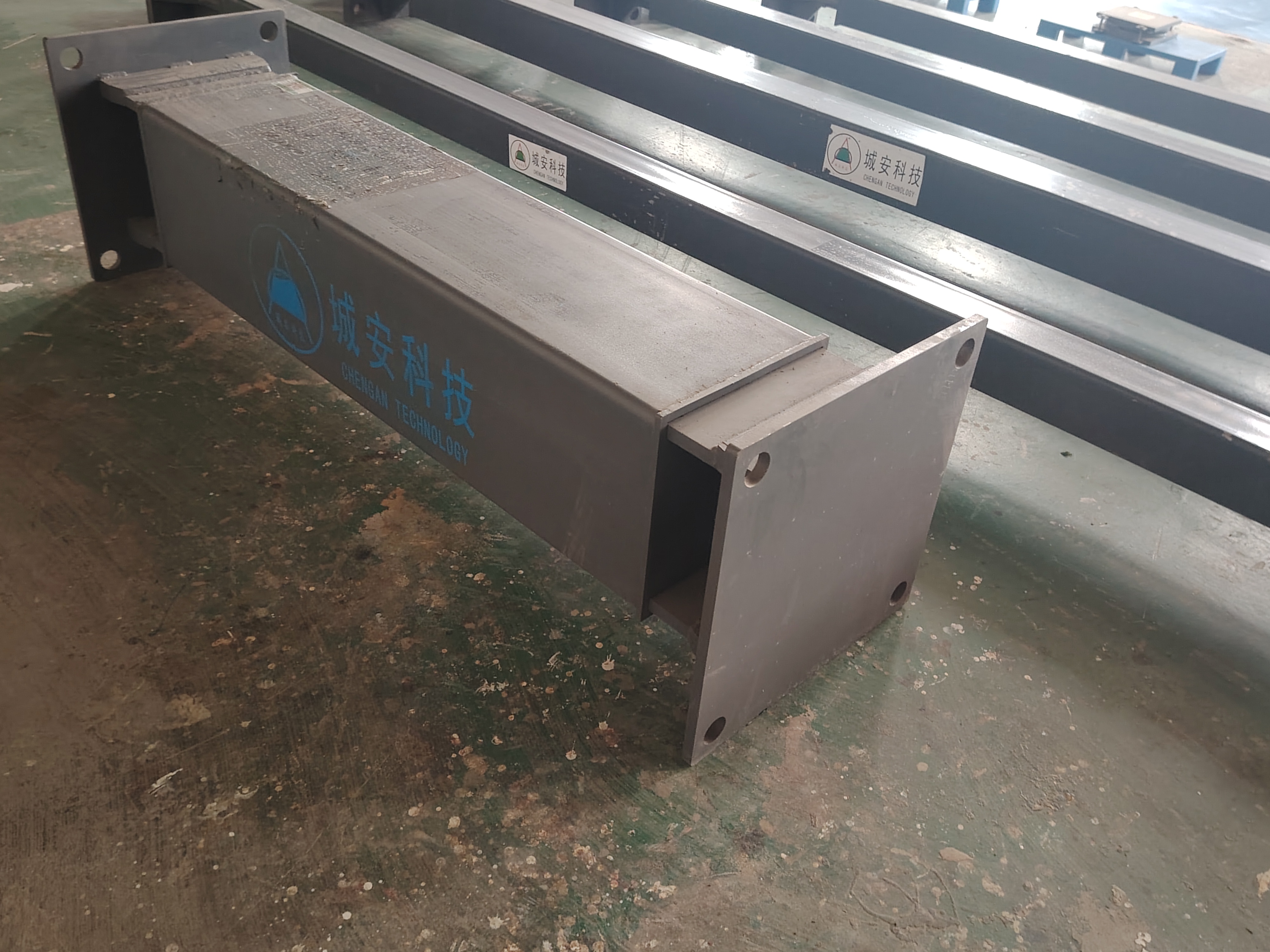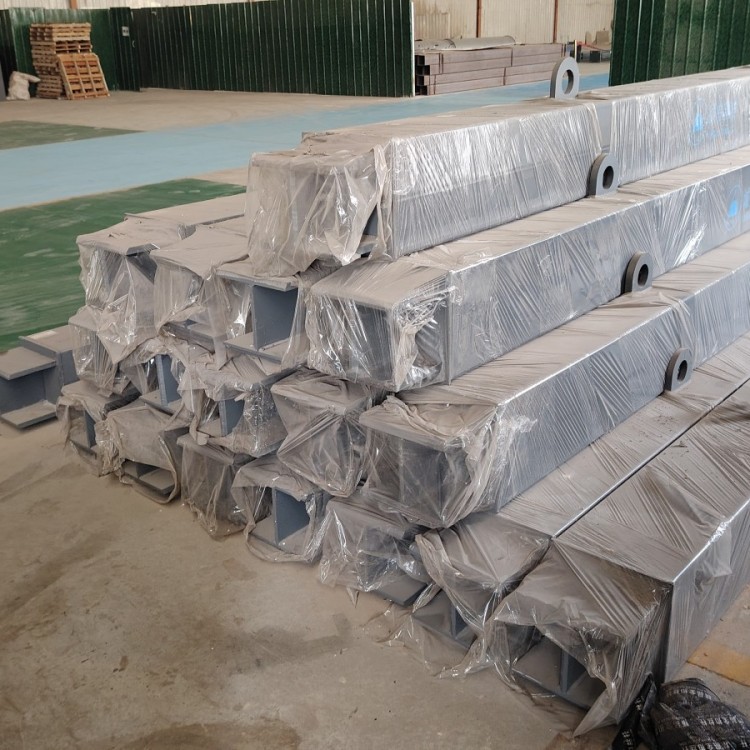

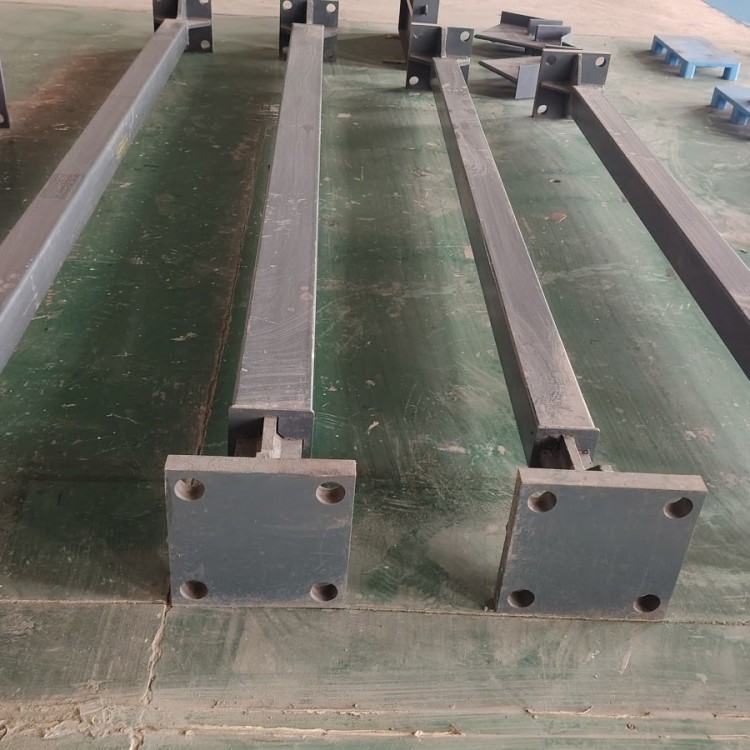














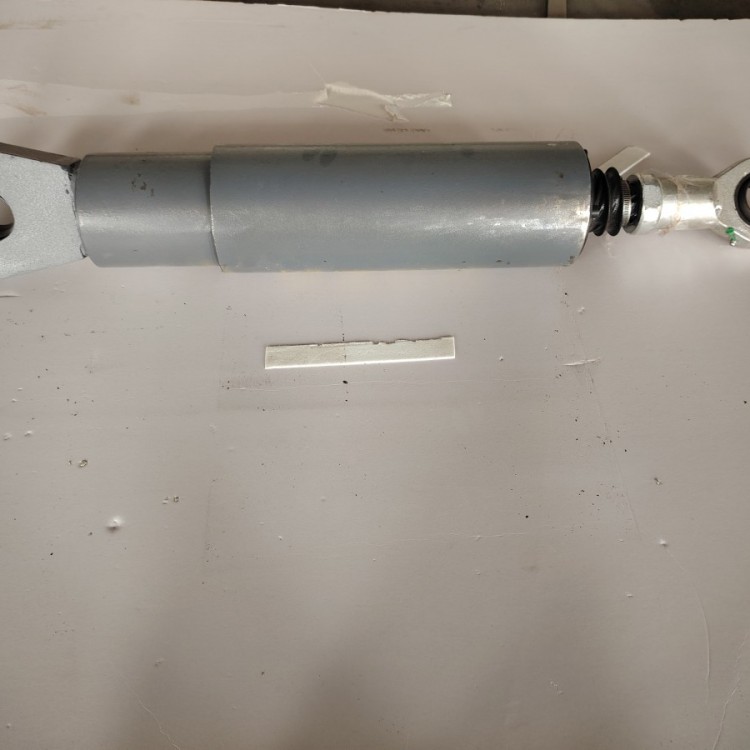
The buckling-restrained bracing, through the core unit's yielding energy dissipation, the restraint unit's prevention of buckling and provision of lateral constraint, and the sliding mechanism's reduction of friction and assurance of deformation coordination, can effectively absorb and dissipate seismic energy under seismic action, thereby protecting the main structure from damage.
The buckling restraint support is mainly composed of the following parts:
I. Core Unit
The core unit is the primary load-bearing section of the buckling-restrained brace, commonly made of steel, such as low yield point steel, ordinary steel, and special steel.
Section shapes are varied, commonly including I-shaped, cross-shaped, and T-shaped, etc. Different section shapes are suitable for different engineering requirements, such as I-shaped sections for structures with smaller spans, and T-shaped sections with higher bending stiffness, suitable for large-span structures.
The core unit can yield and dissipate energy under axial force, absorbing seismic energy through repeated tensile and compressive deformation. Its design should consider mechanical property indicators such as yield strength, ultimate strength, elongation, etc., to ensure effective energy dissipation under seismic action.