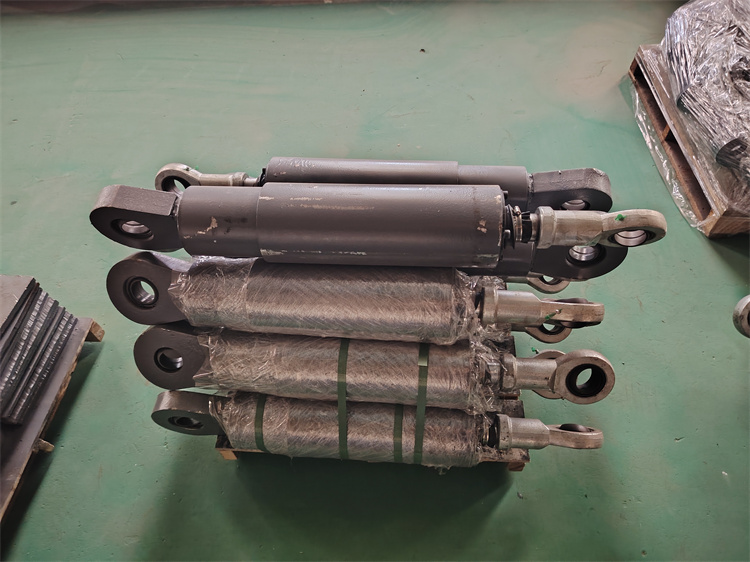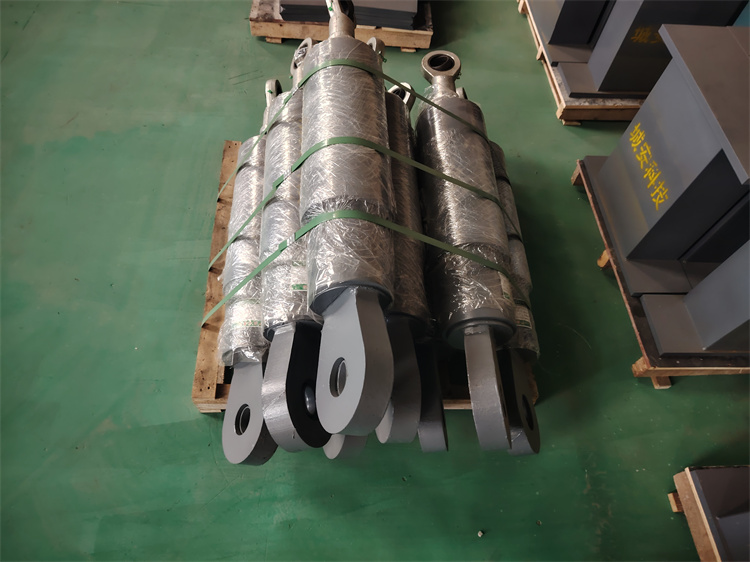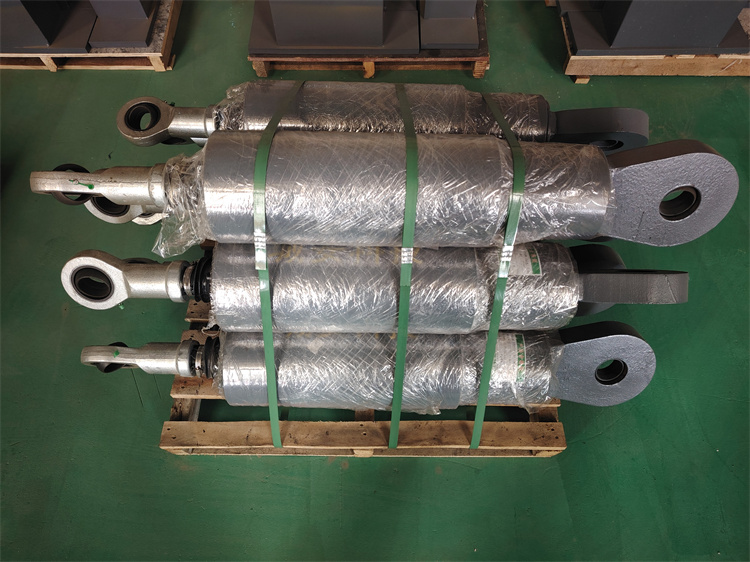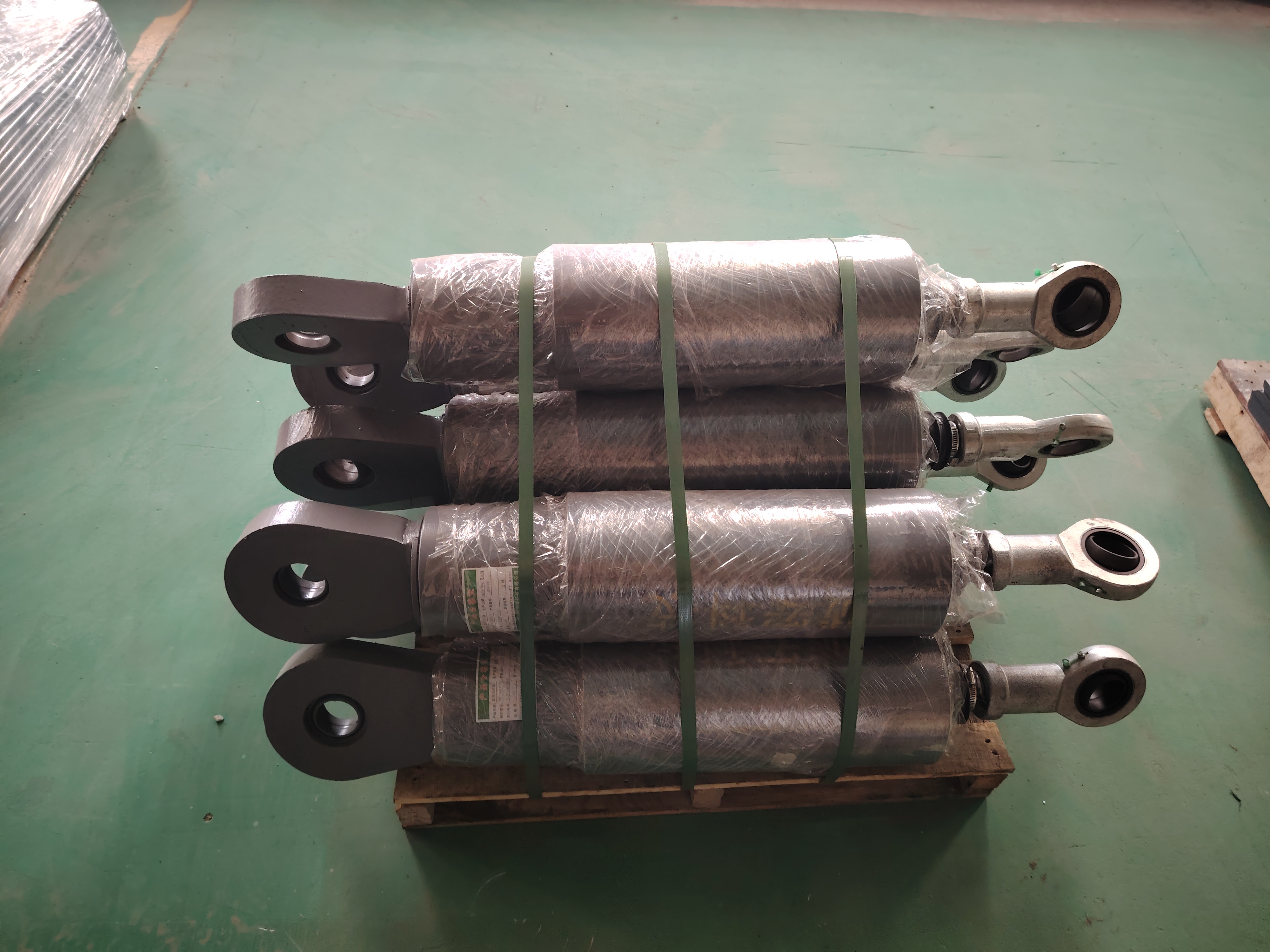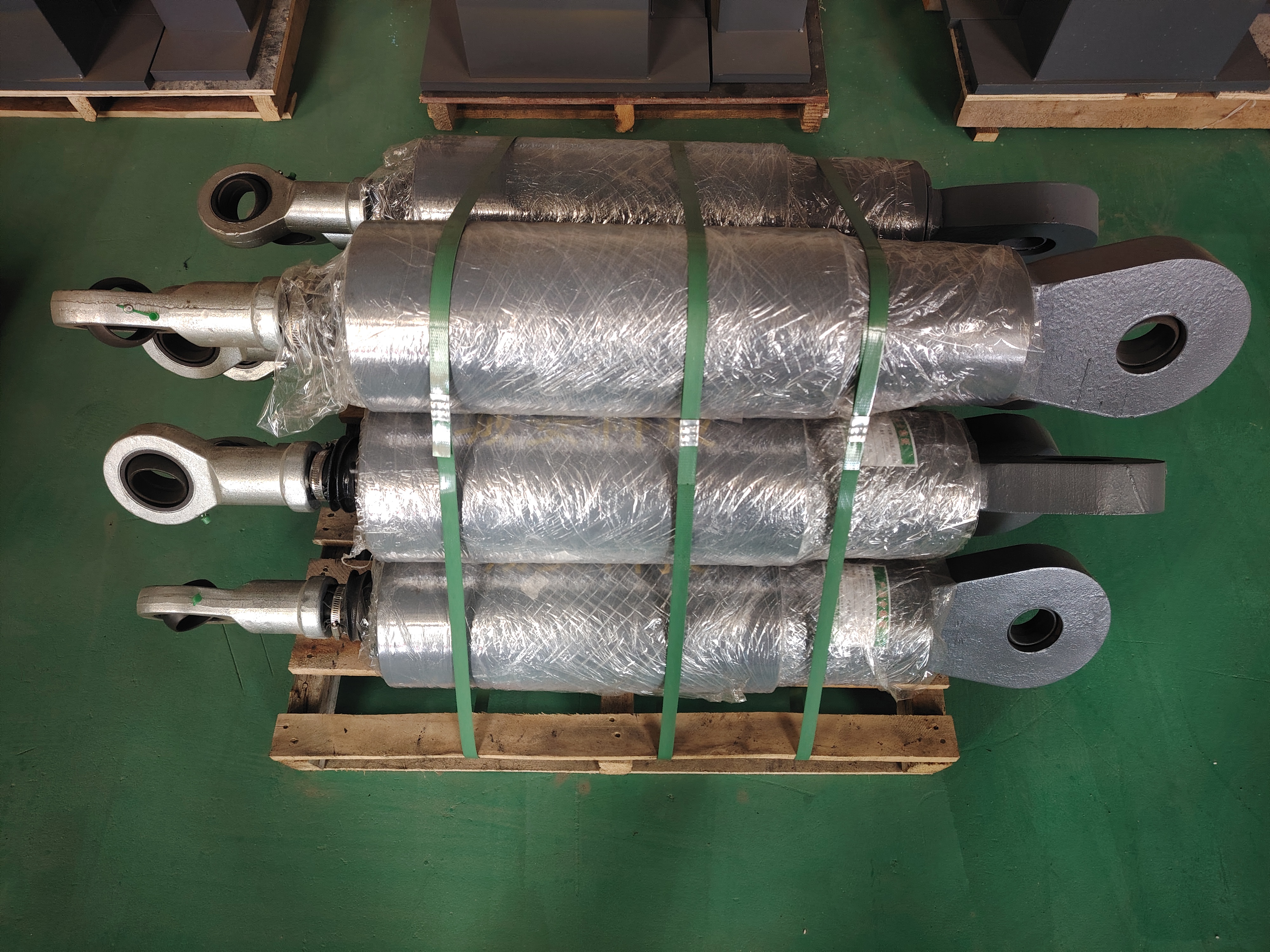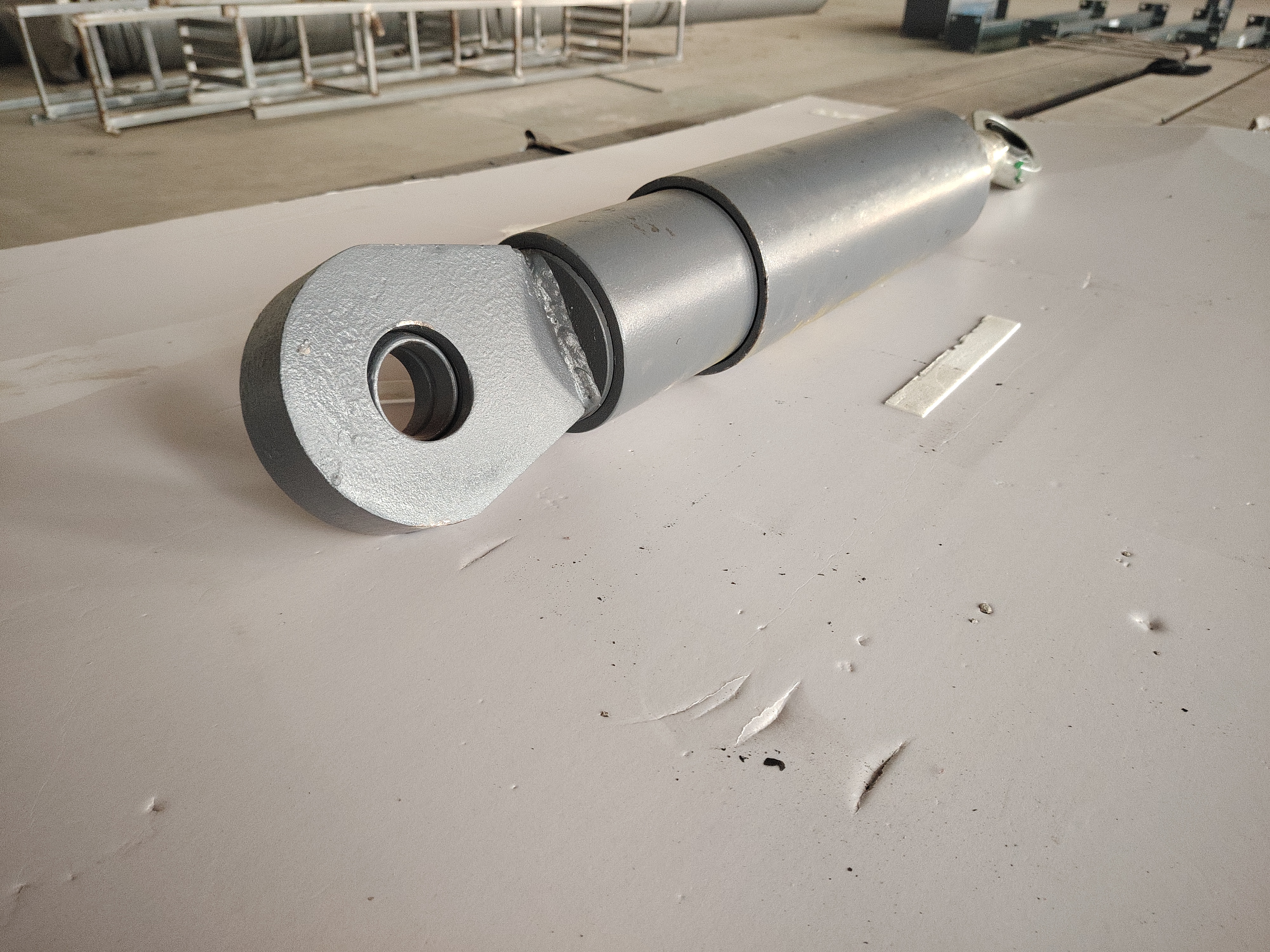














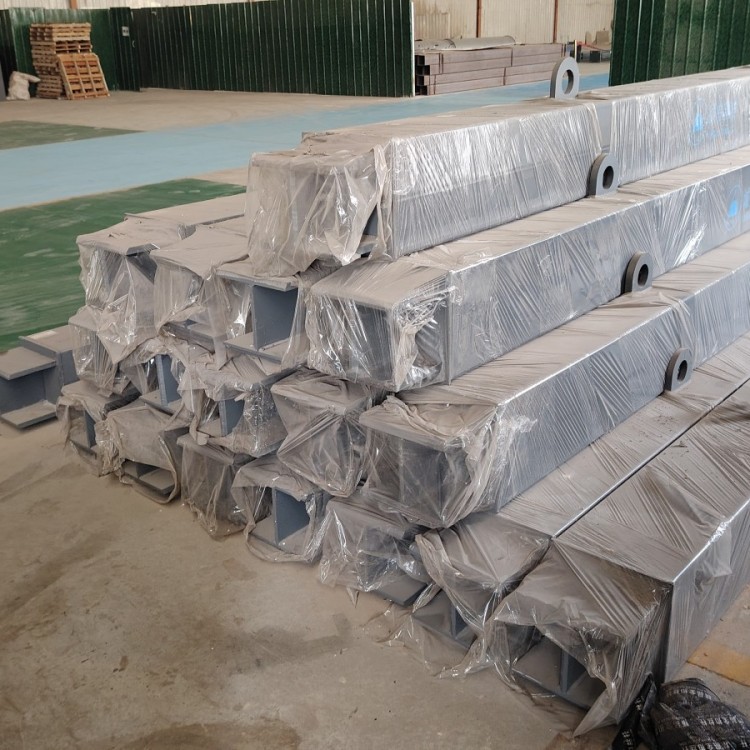
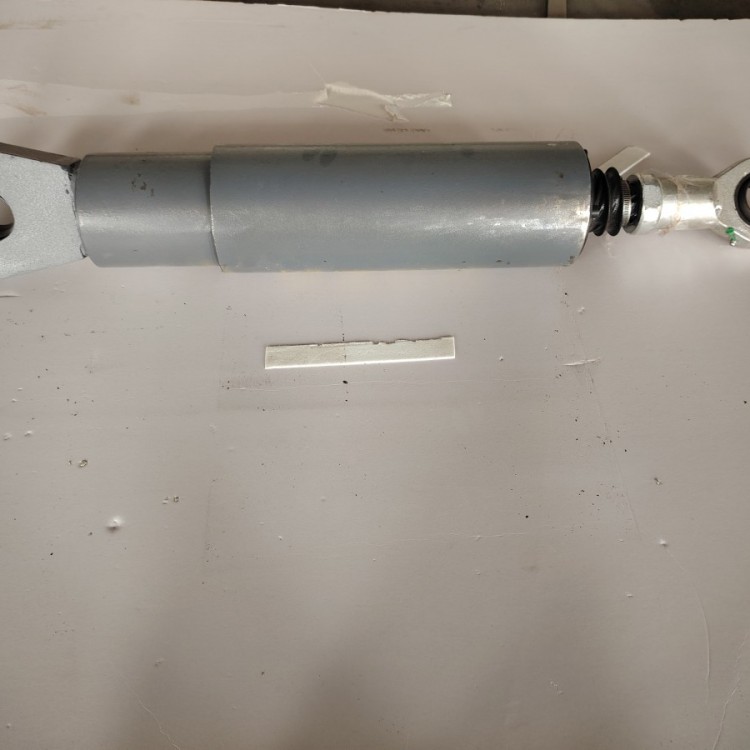
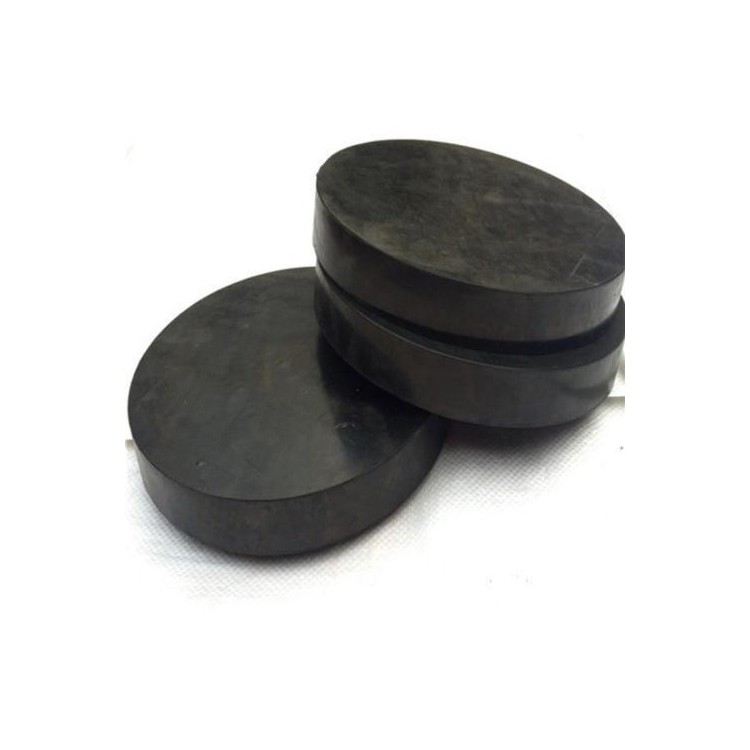
Viscous Damper: A damper designed based on the principle of fluid motion, particularly the generation of viscous resistance when fluid flows through a throttle hole, and is type-dependent on stiffness and speed. Widely used in high-rise buildings, bridges, seismic retrofitting of building structures, anti-vibration of industrial pipeline equipment, and other fields.
Traditional seismic resistance (vibration resistance) is achieved by enhancing the inherent seismic resistance properties (strength, stiffness, ductility) of the structure itself to withstand natural disasters such as earthquakes, winds, snow, and tsunamis. Due to the uncertainty of the intensity and characteristics of natural disasters, the structures designed by traditional seismic resistance methods lack self-regulating capabilities. Consequently, when an earthquake strikes, it often leads to significant economic losses and casualties.
The development and application of viscous energy-dissipating dampers are akin to fitting "airbags" to buildings or bridges. When an earthquake strikes, the dampers absorb and dissipate the impact energy from the earthquake on the building structure to the greatest extent possible, significantly mitigating the shocks and damage caused by the earthquake to the structure.
The JZN series viscous damper is a passive velocity-dependent damper designed and manufactured based on the principle of the interaction between a viscous medium and the structural components of the damper. The medium used is silicone oil, which boasts a small coefficient of viscosity-temperature, stable performance at both low (-50℃) and high (+250℃) temperatures, and good radiation resistance. Additionally, it exhibits excellent electrical insulation properties, as well as superior resistance to ozone, corona, and moisture-proof properties.
Applications of the viscous damper
Building Sector: Widely applied in seismic design of high-rise buildings, it effectively reduces the damage caused by earthquakes to the building structure, enhances the seismic performance of the buildings, and ensures the safety of personnel and property. 356
Bridge Engineering: Suitable for bridges in earthquake and typhoon-prone areas, such as the抗震strengthening project of the Golden Gate Bridge in the United States, as well as renowned bridges at home like the Yangtze River Bridge in Jiangyin, the Sutong Yangtze River Bridge, and the Eerguson Yangtze River Bridge, etc. These applications can enhance the stability of bridge structures under natural disasters.
Structural Reinforcement Renovation: Plays a significant role in the reinforcement and renovation of existing buildings and bridge structures, enhancing their seismic and wind resistance capabilities through the installation of viscous dampers.