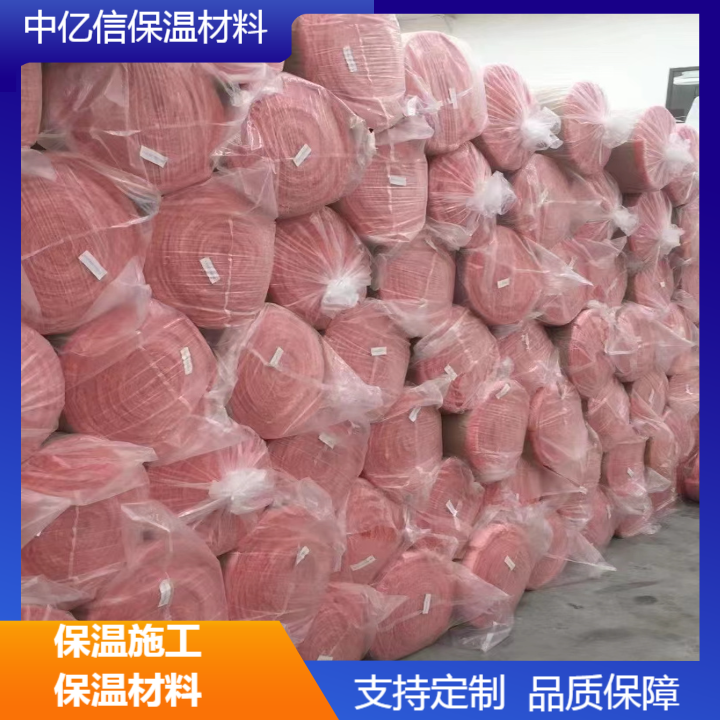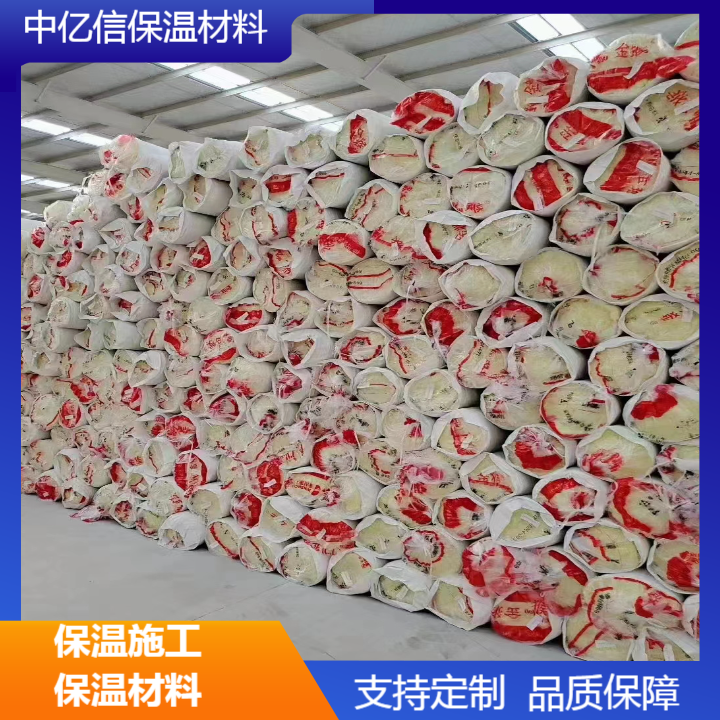







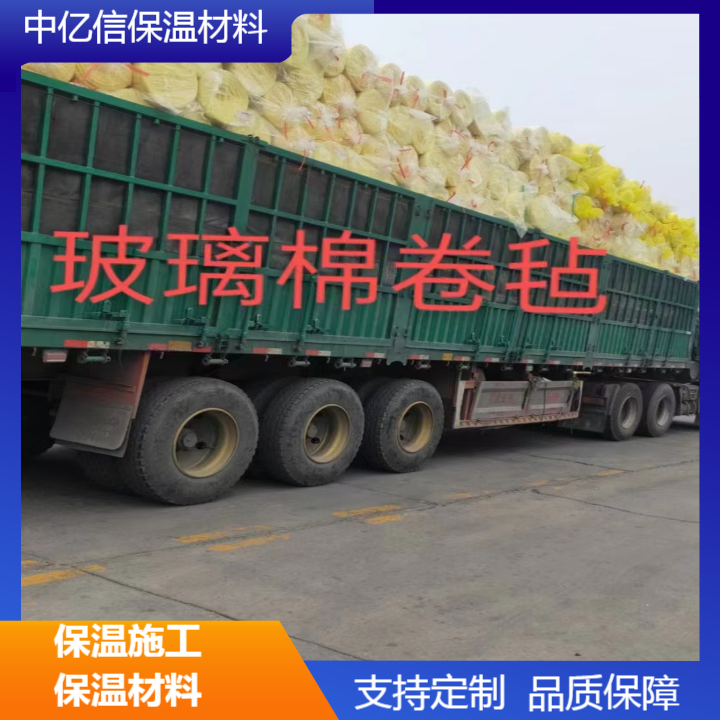
Glass wool rolls are a type of inorganic glass fiber material. Below is a detailed introduction to it: I. Raw Materials and Production Process Raw Materials: The main raw materials for glass wool rolls include glass slag, quartz sand, dolomite, and other inorganic materials. Production Process: 1. Raw Material Preparation: Cut the glass fibers to the appropriate length, then grind and clean them to remove impurities and contaminants. 2. Binder Preparation: Mix binder and water in a certain proportion to create the binder, which is used to bond the glass fibers. 3. Impregnation: Place the glass fibers into the binder to ensure full impregnation, enhancing their adhesiveness and flexibility. 4. Rolling: Use a roller to form the impregnated glass fibers into rolls. 5. Drying and Cutting: Dry the rolls and cut them to the desired length as needed. 6. Product Inspection and Packaging: Inspect the rolls for quality, package them upon passing inspection to protect product quality and prevent contamination. II. Performance Characteristics 1. Lightweight: Glass wool rolls are a lightweight material that can effectively reduce the weight and energy consumption of buildings. 2. Insulation and Heat Retention: They have excellent insulation and heat retention properties, reducing the temperature difference between indoors and outdoors and maintaining stable indoor temperatures. 3. Sound Absorption and Noise Reduction: The porous structure of the fibers absorbs and reduces the reflection and transmission of sound waves, providing effective noise reduction and acoustic regulation. 4. Fire Resistance: They have high fire resistance, meeting building fire safety requirements.