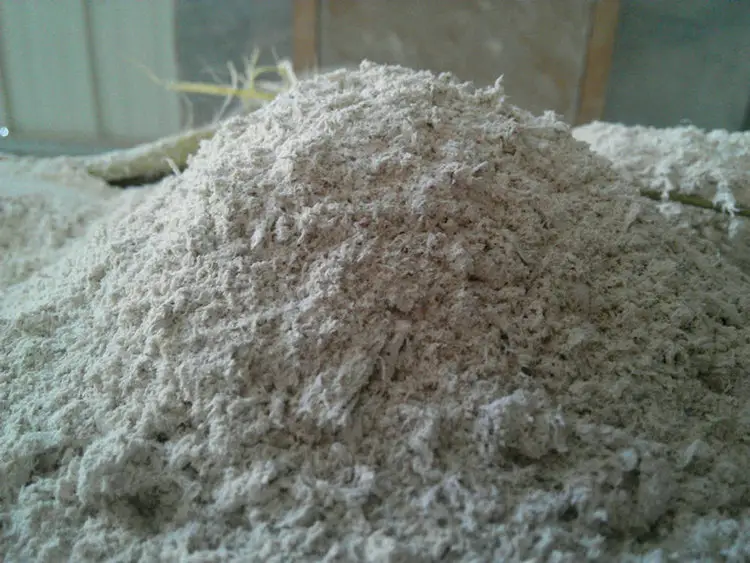
Anti-Crack Mortar: Anti-crack mortar (anti-crack mortar), a type of mortar that can withstand certain deformation without cracking, made by mixing a certain proportion of polymer emulsion and additives, cement, and sand with water. Product Performance: This is a new type of anti-crack material that addresses a major issue in the construction industry - the cracking problem of lightweight thermal insulation layers. It is a highly tensile, easy-to-install, freeze-resistant eco-friendly material. It can be widely used on both interior and exterior walls of buildings. Application Range: Mainly used for exterior wall insulation or interior wall insulation layers, covering materials such as extruded polystyrene boards, expanded polystyrene boards, etc. Construction Method: 1. Clean the dust, oil, debris from the wall surface, ensuring it is clean and smooth.
2. Mix: Mortar powder to water ratio is 1:0.3, mix thoroughly using a mortar mixer or a hand-held mixer.
3. Spot glue or thin glue application on walls is acceptable, ensuring a tight press for a flat finish.
4. Dosage: 3-5 kg/m2. Application Process:〈1〉Substrate Preparation: The surface of the insulation board to be adhered should be as flat, clean, and firm as possible. Sandpaper can be used for sanding if necessary. The insulation boards should be tightly pressed together, and any gaps should be leveled using thermal insulation surface and adhesive polystyrene granular thermal insulation mortar.
〈2〉Material Preparation: Mix directly with water for 5 minutes, then stir until well blended before use.
〈3〉Material Application: Apply anti-crack mortar using a stainless steel trowel onto the thermal insulation board, press the glass fiber mesh into the warm mortar and level it, ensuring the joints overlap by 10cm. The glass fiber cloth must be fully embedded, with the reinforced surface layer thickness of about 2-5mm. Caution: 1. No additives are required during the on-site application of anti-crack mortar. Strictly control the water-to-solid ratio and troweling time.
2. For substrates with strong absorbency at the base or excessively dry surfaces, apply a primer coat first or spray a small amount of water to moisten before proceeding with the construction.
3. Pay attention to moisture, rain, and sun protection during transportation.
4. During storage, anti-cracking mortar should be kept in a dry, well-ventilated area to prevent dampness.
5. When using crack-resistant mortar, do not mix more than needed for the job, as it should be determined by the amount of application. If any unused mortar sets and hardens, it cannot be used anymore.
6. Temperature requirements for construction and storage are above 5°C.
7. After each construction, it is essential to clean the construction tools and mixing equipment thoroughly to prevent any issues with subsequent use.