






Anhui Centrifugal Glass Wool Board, Anhui Centrifugal Glass Wool Board Price, Anhui Centrifugal Glass Wool Board Wholesale
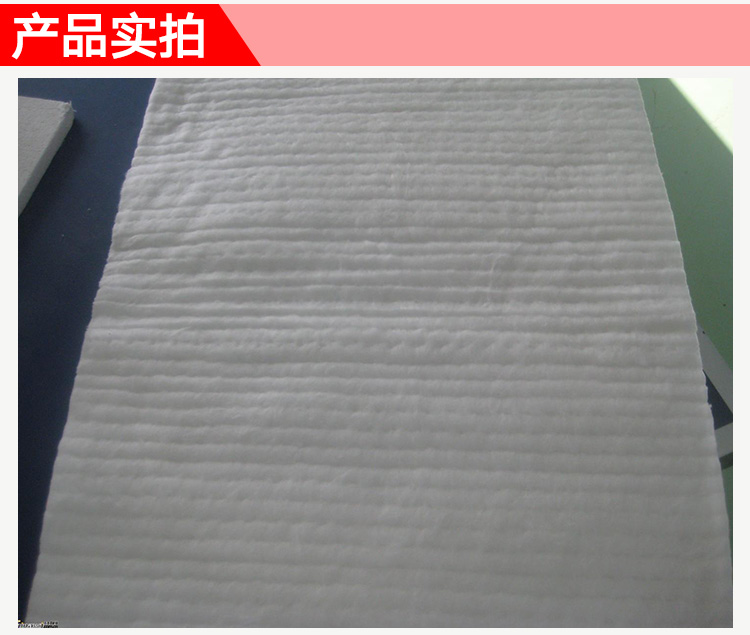
Centrifugal glass wool exhibits good sound absorption properties for high-frequency sounds. The main factors affecting the sound absorption performance of centrifugal glass wool are its thickness, density, and air flow resistance, among others. Density refers to the weight of the material per cubic meter. Air flow resistance is the ratio of air pressure on both sides of the material to the air velocity at a unit thickness. Air flow resistance is the most critical factor affecting the sound absorption performance of centrifugal glass wool. Too low flow resistance indicates that the material is sparse, allowing air vibrations to pass through easily, thus reducing the sound absorption performance; conversely, too high flow resistance suggests that the material is dense, making it difficult for air vibrations to penetrate, also decreasing the sound absorption performance. For centrifugal glass wool, there exists an optimal flow resistance for sound absorption.
Glass wool is a category of glass fiber, a type of artificial inorganic fiber. It is primarily made from natural ores such as quartz sand, limestone, and dolomite, along with some chemical raw materials like soda ash and borax, which are melted into glass. In the molten state, external force is used to blow and spin it into fluffy fine fibers. The fibers are cross-linked in a three-dimensional manner, entwined together, forming numerous tiny gaps. These gaps can be considered as pores. Therefore, glass wool can be regarded as a porous material with excellent thermal insulation and sound absorption properties.