








Manufacturer's Hot-Selling Zhejiang Insulation Material, Wholesale Prices
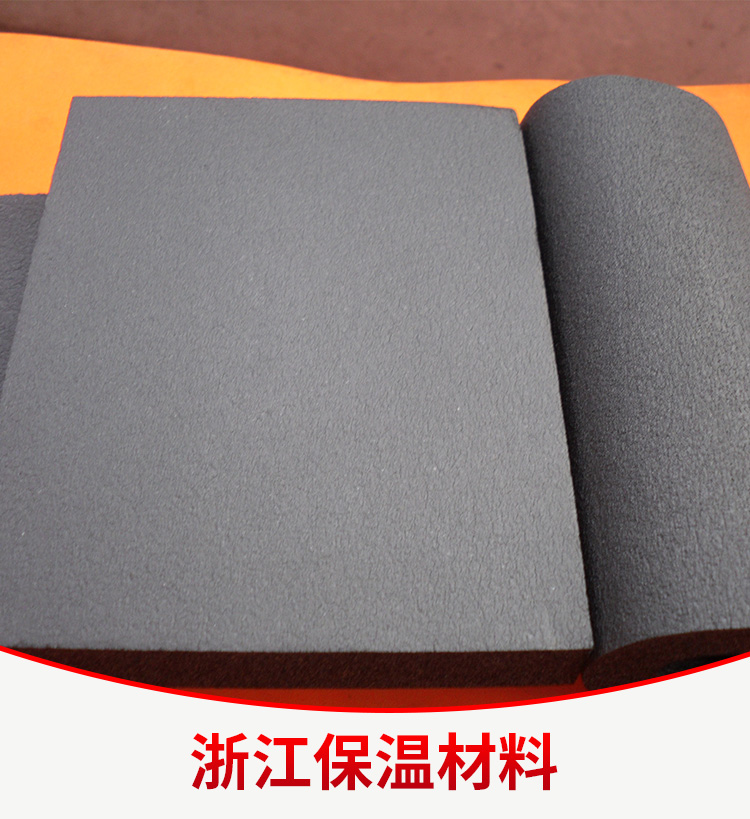
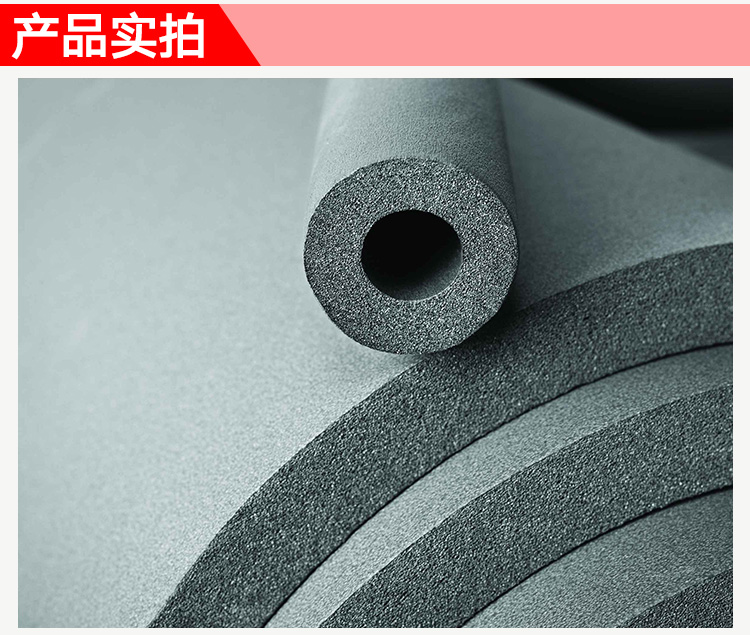
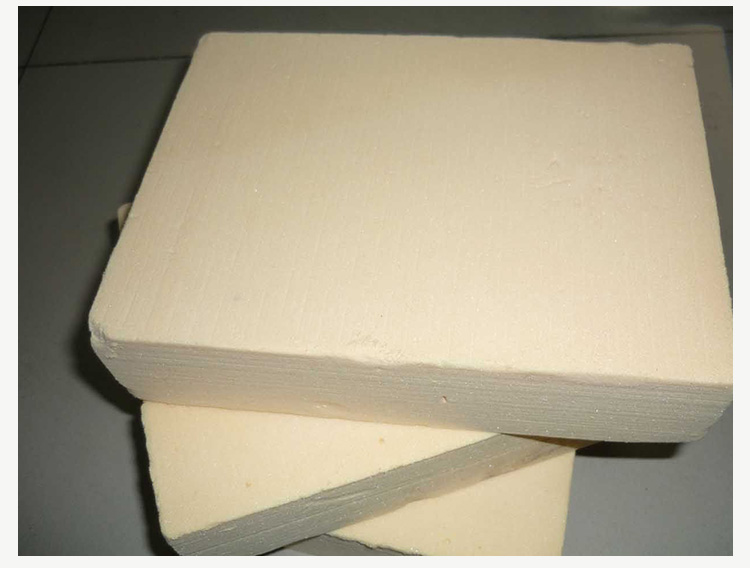
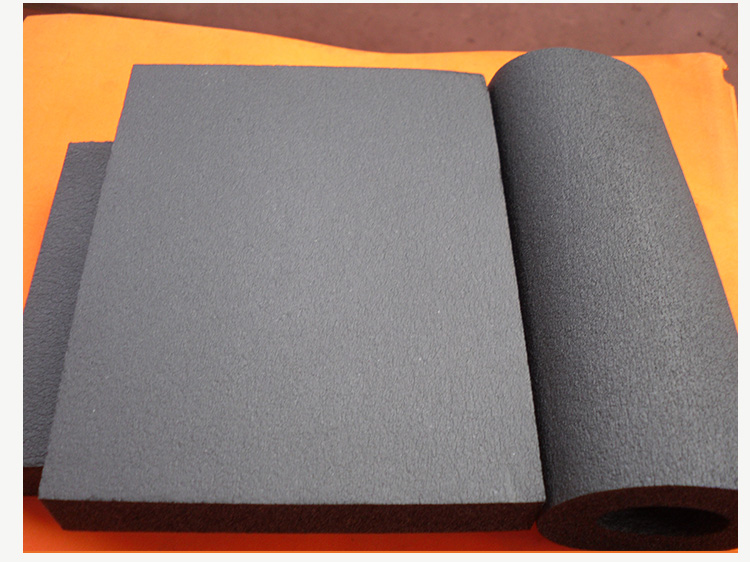
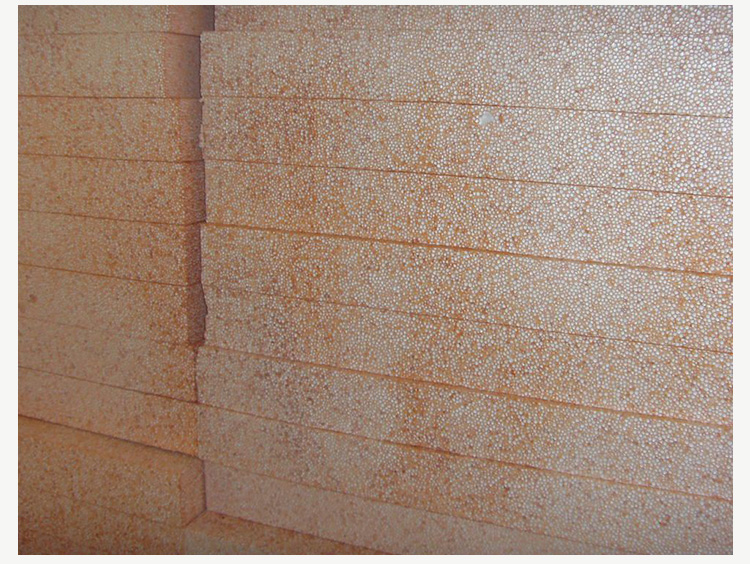
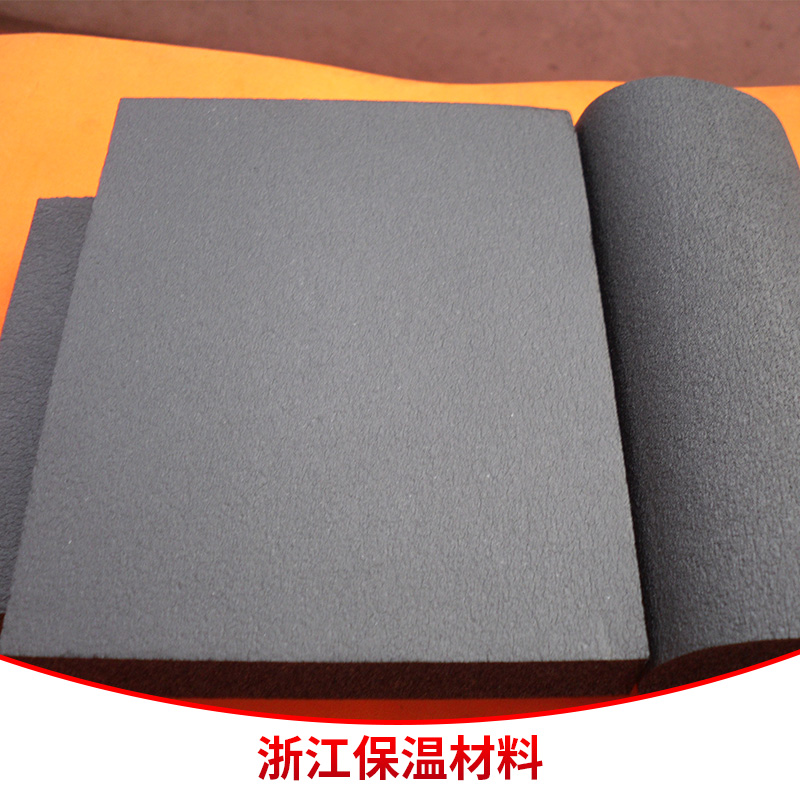
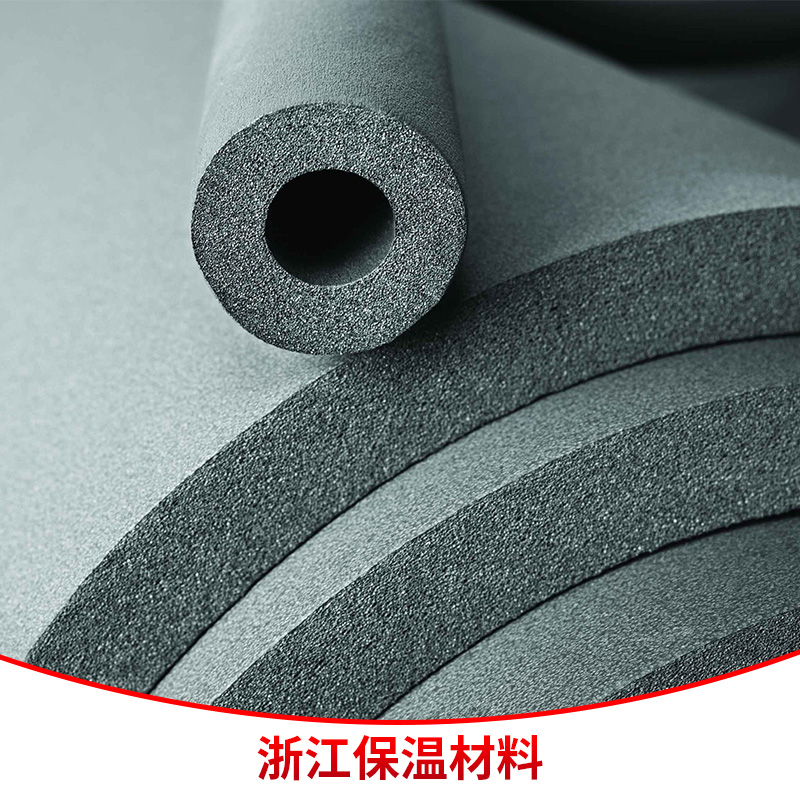
Insulation materials generally refer to those with a thermal conductivity coefficient of 0.2 or less. The development of insulation materials is rapid, and the use of effective insulation technology and materials in industry and construction often yields double the results with half the effort. Insulation materials feature low density, high flexibility, and waterproofing capabilities, capable of collecting excess heat, providing ease of use, without cavities, and preventing tearing and detachment due to negative wind pressure.
Features
Insulation materials for industrial equipment and pipelines utilize superior thermal insulation measures and materials. Aerogels, first applied in the thermal insulation linings of space suits developed by NASA, boast low thermal conductivity, small density, high flexibility, and fire and water resistance. Their thermal conductivity at room temperature is 0.018 W/(K·m) and they are waterproof, providing insulation performance 3 to 8 times that of traditional materials.
Insulation lining. It features low thermal conductivity, small density, high flexibility, fire and water resistance. Its thermal conductivity at room temperature is 0.018W/(K·m), and it is waterproof with insulation performance 3 to 8 times better than traditional materials.
Aerogel felt boasts adjustable hardness, ease of cutting, low density, high-temperature resistance, hydrophobic properties, inorganic material composition, and environmental friendliness. It can replace traditional, environmentally unfriendly, and poor-insulating flexible insulation materials such as glass fiber products, thermal insulation felt, and silicate fiber products.
Lightweight, typically 10-96 kg/m3; below 20 kg/m3 is felt, 24-48 kg/m3 is medium-hard board, and 48-96 kg/m3 is hard board, with 48 kg/m3 suitable for ceilings. The softening point is around 500°C, and it insulates up to 300°C. Used extensively in the U.S., k=0.9.
Calcium silicate insulating products were successfully developed in China in the 1970s. They feature high compressive strength, low thermal conductivity, ease of installation, and reusability, making them widely used in the power system.
Most domestic production is small-scale workshop-style, followed by the introduction of four production lines from the United States. The advanced technology includes instant dissolution and fiber spinning, as well as dry needle-punched felt, ensuring stable quality and resistance to temperatures of 800-1250°C.
Features: Acid Derivative above 2.0, high-temperature resistance, suitable for general chemical pipelines over 1000°C, this material is a must. Melting point around 2000°C.