






Factory-supplied thermal insulation material, aluminum silicate needled blanket, for sale, specialized for power plant equipment, price advantage
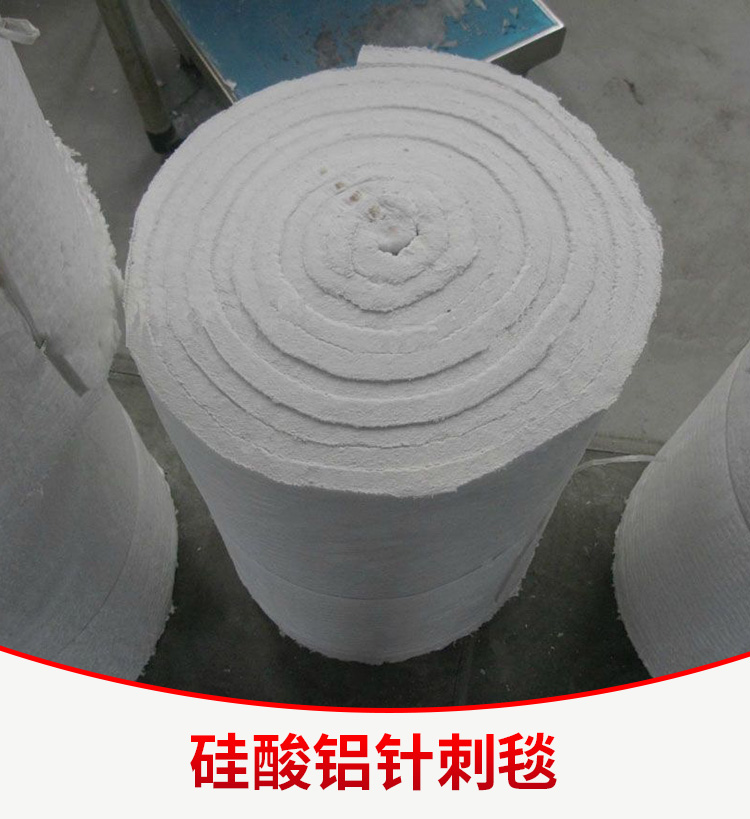
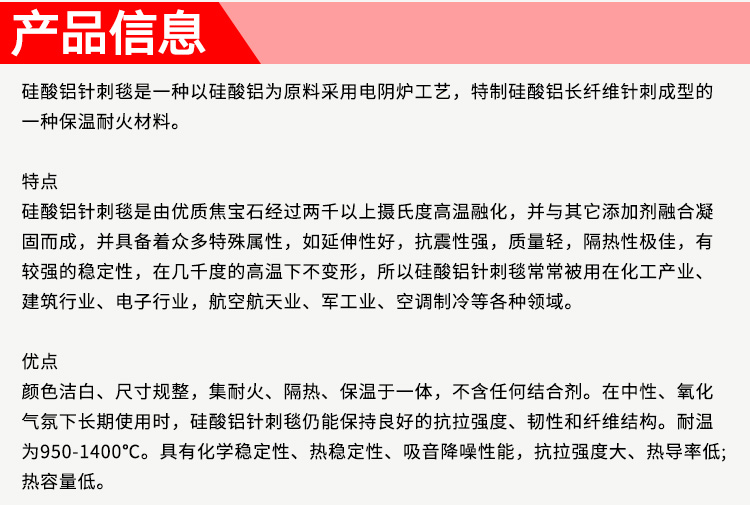
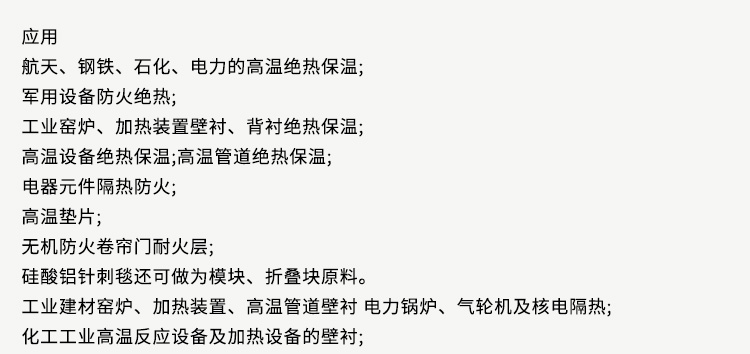
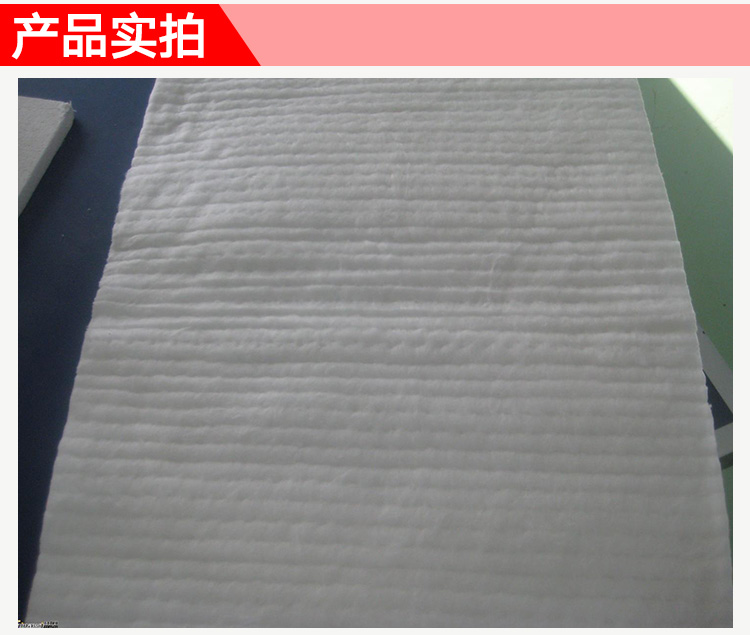
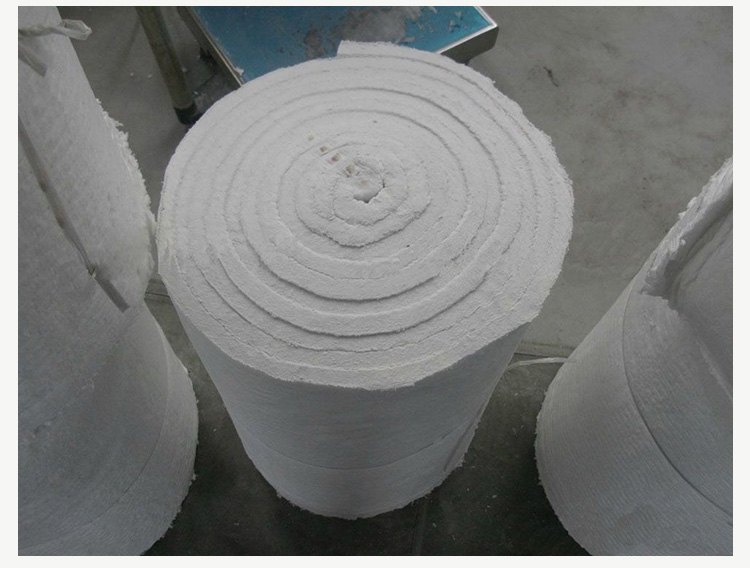
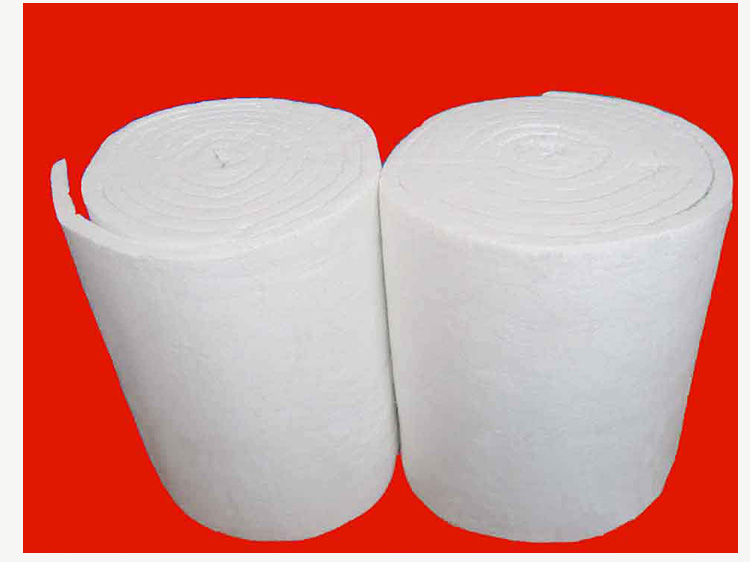
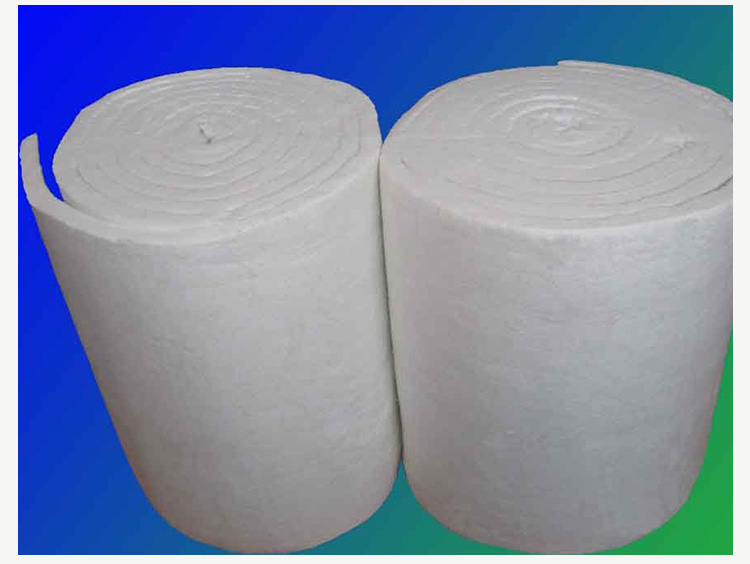
Alumina-silicate needled blanket is a thermal insulation refractory material, made by using alumina-silicate as raw material and processed through the electric arc furnace technique, specifically formed from long alumina-silicate fibers through needle-punching.
Features
Aluminosilicate needled felt is produced by melting high-quality coking coal at over 2,000 degrees Celsius and blending it with other additives to solidify, offering numerous special properties such as excellent elongation, strong vibration resistance, light weight, superior thermal insulation, and strong stability. It does not deform at temperatures of several thousand degrees, making it commonly used in various fields including the chemical industry, construction, electronics, aerospace, military, and air conditioning refrigeration.
Advantages
Color pristine white, dimensions uniform, combining fire resistance, heat insulation, and heat preservation in one. Free of any binder. Under neutral and oxidizing atmospheres, the alumina silicate needled felt maintains excellent tensile strength, toughness, and fiber structure after long-term use. With a temperature resistance of 950-1400°C, it boasts chemical stability, thermal stability, noise reduction, high tensile strength, low thermal conductivity; and low heat capacity.
Application
High-temperature thermal insulation for aerospace, steel, petrochemical, and power industries.
Fire-resistant and thermal insulation equipment
Industrial furnace, heating equipment wall lining, backing insulation;
High-temperature equipment thermal insulation; High-temperature pipeline thermal insulation;
Electrical component heat insulation and fireproofing
High Temperature Gasket
Inorganic fire-resistant curtain door fireproofing layer
Alumina-silicate needled mat can also be used as raw material for modules and foldable blocks.
Industrial building materials kilns, heating equipment, high-temperature pipeline linings; electric boilers, gas turbines, and nuclear power insulation
Chemical industry high-temperature reaction equipment and heating equipment wall linings;
High-rise building fire protection and thermal insulation