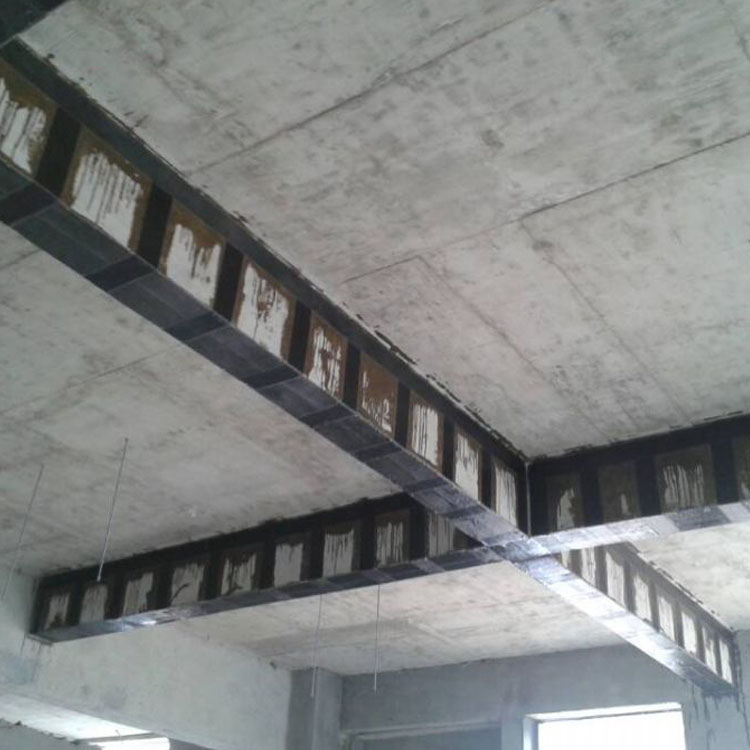
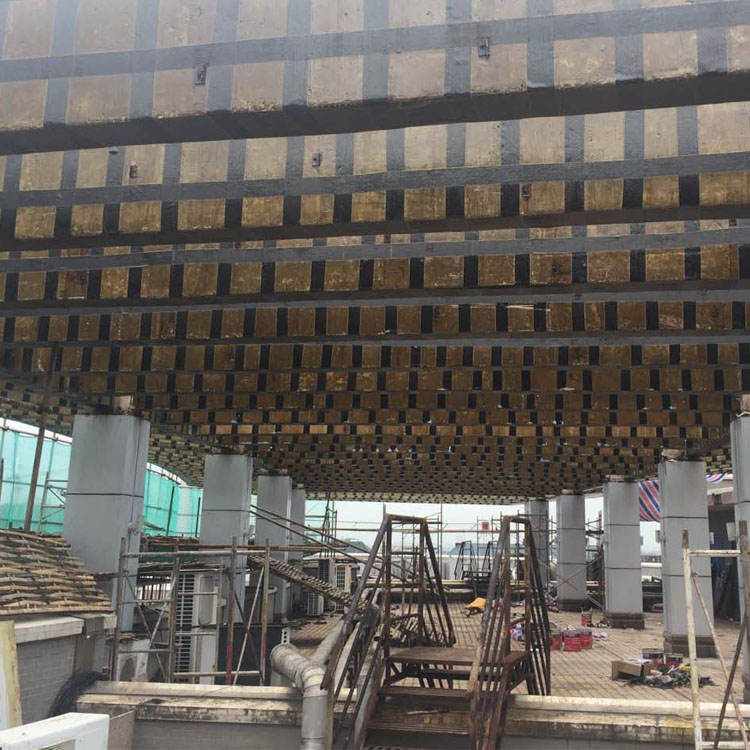







Concrete impermeability performance sampling and testing
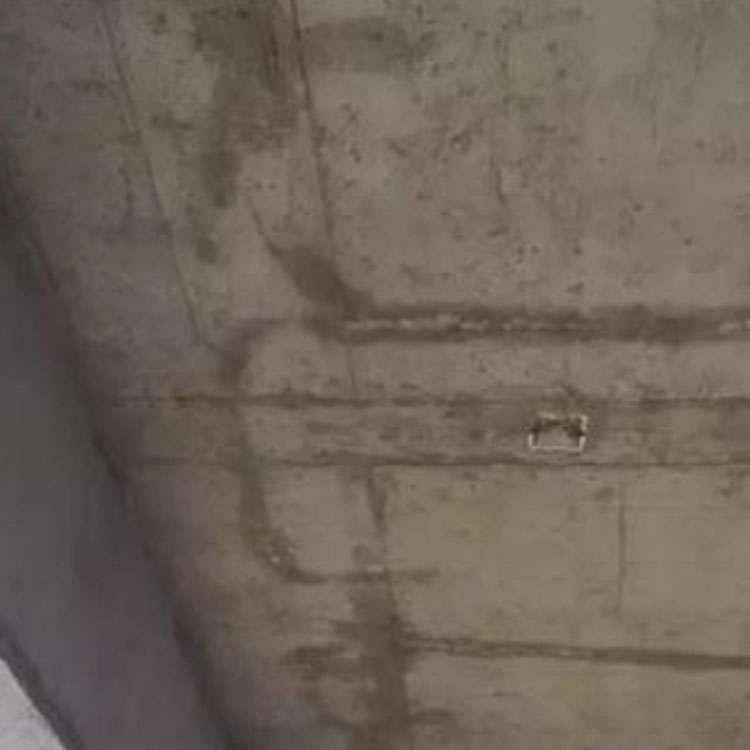
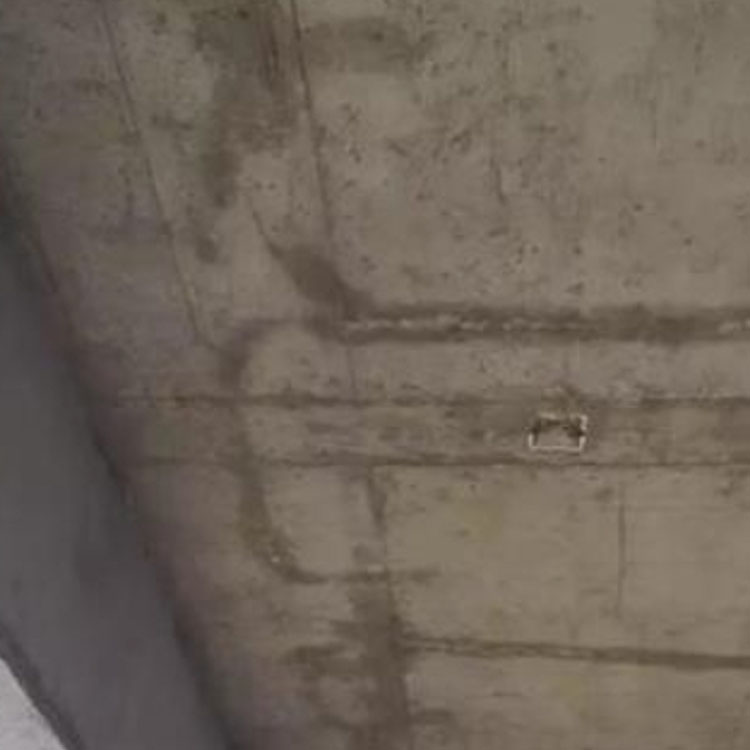
The impermeability function of structural concrete is attributed to its long-term and durability features, which affect the normal use of building structures. Today, let's discuss together how the impermeability function of concrete is sampled and tested. The operation of sampling method for testing the impermeability function of concrete and the treatment of specimens should comply with the following rules: 1. The number of samples taken from each inspected area should not be less than one set, with each set consisting of not fewer than 6 cores with a diameter of 150mm; 2. The drilling direction of the cores should be the same as the direction of water pressure applied to the component; 3. It is advisable to process cores with no significant defects internally into impermeability test pieces that meet the relevant regulations of the current national standard "General Methods for Testing the Long-term and Durability Function of Concrete." Each set of impermeability test pieces consists of 6 pieces.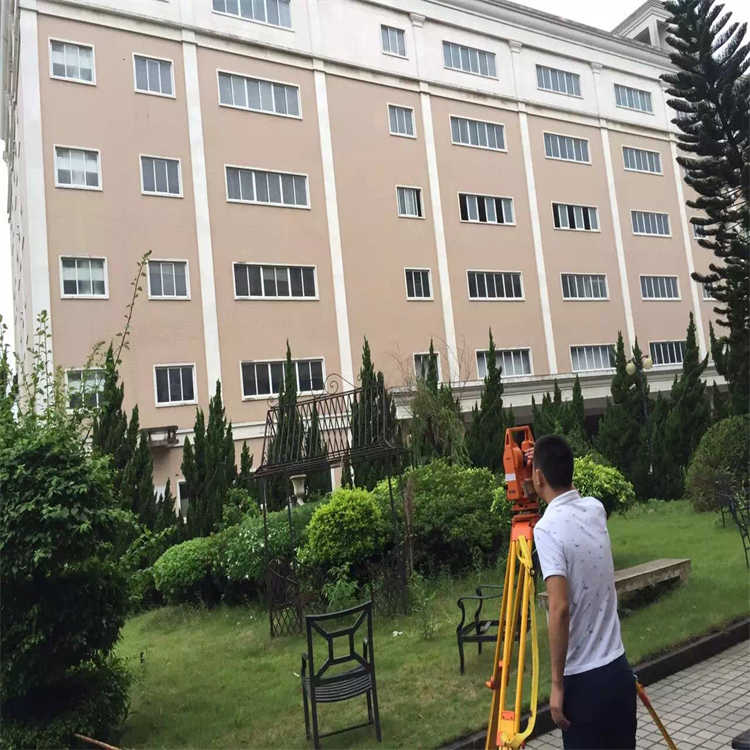 Reconstruction, expansion, and addition of floors building inspections
In accordance with the "DGJ08-81-2015 Existing Construction Seismic Assessment and Reinforcement Process," when carrying out renovations, expansions, or additions to existing structures, it is mandatory to establish an accounting model based on the structural conditions after renovations, expansions, or additions, conduct a seismic assessment, and follow the requirements of the current Shanghai standard "Seismic Design Code for Buildings" DGJ08-9 for seismic planning.
When renovating existing construction, if the renovation only affects a single non-lateral-resisting component in a limited area of the original structure and ensures that the overall seismic capacity of the original structure is not compromised, a seismic evaluation may be temporarily omitted. However, the new structure must comply with the requirements of the current Shanghai Standard "Code for Seismic Design of Buildings" for seismic planning, and ensure a reliable connection between the new and old structures.
Existing structures without seismic design should not be expanded. If expansion is necessary, it must be evaluated and planned according to the current Shanghai standards for "Seismic Design Code for Construction." The expanded structure should undergo comprehensive seismic calculations, considering both the original and expanded parts simultaneously. The load-bearing and seismic measures should comply with the regulations of the current Shanghai standard "Seismic Design Code for Construction." Structures that do not meet the requirements should be reinforced for seismic resistance. When conducting seismic load-bearing calculations, the material standard strength should be based on measured values, the component cross-sectional dimensions should be measured, and the loads should be determined according to the operational requirements, following the regulations of the current national standard "Load Code for Building Structures."
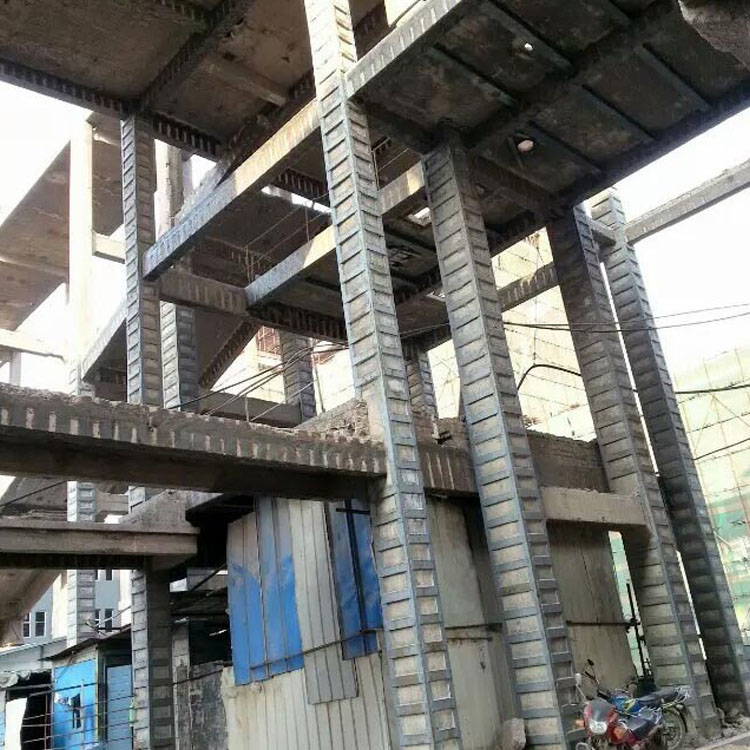
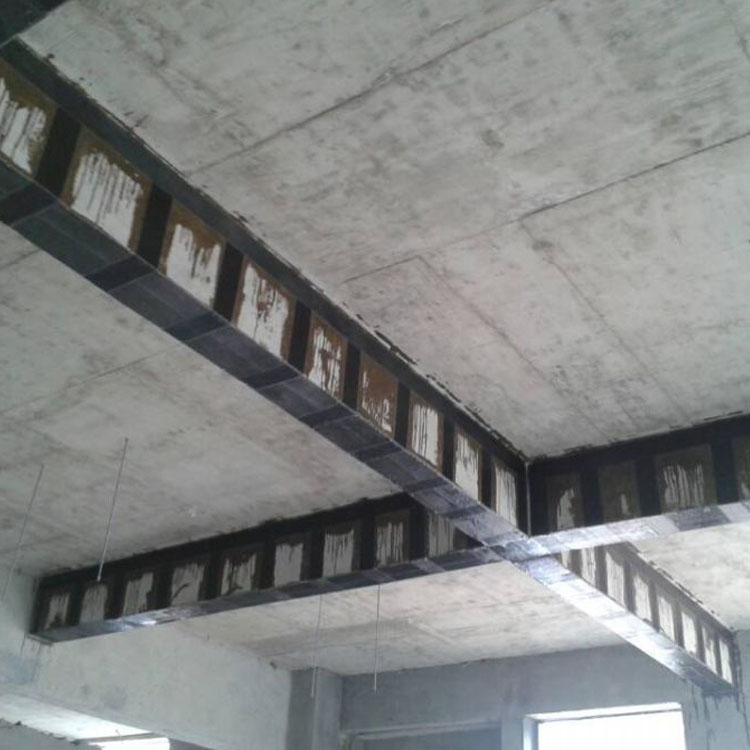
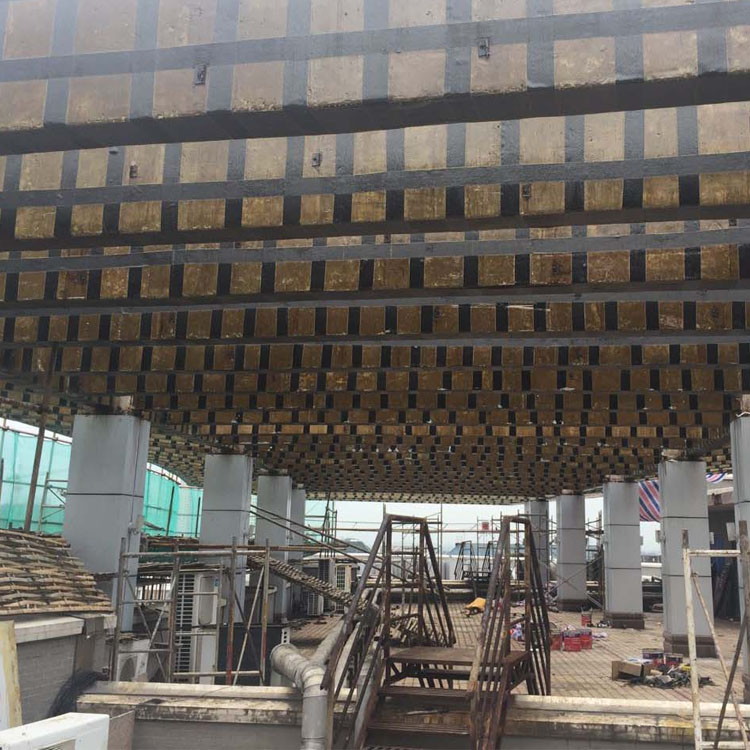
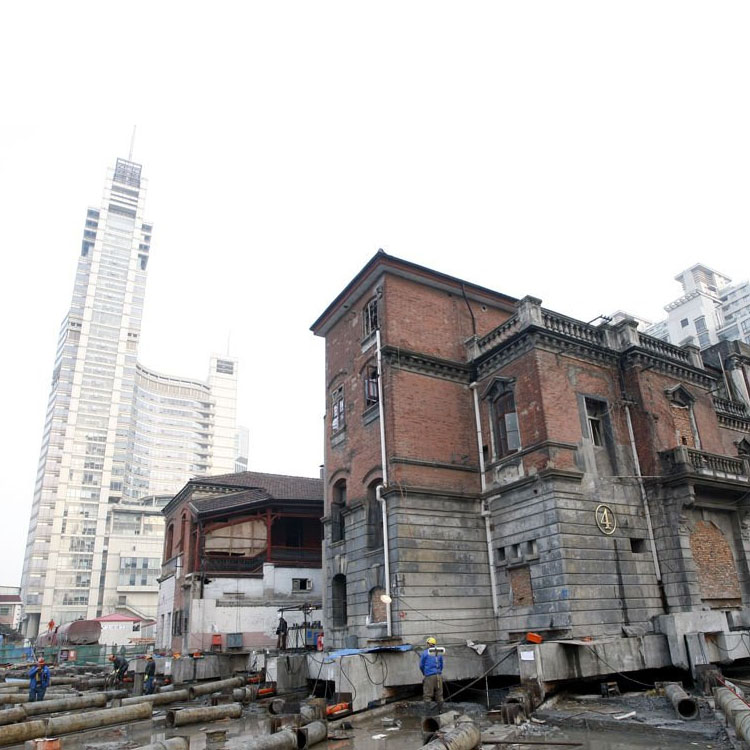
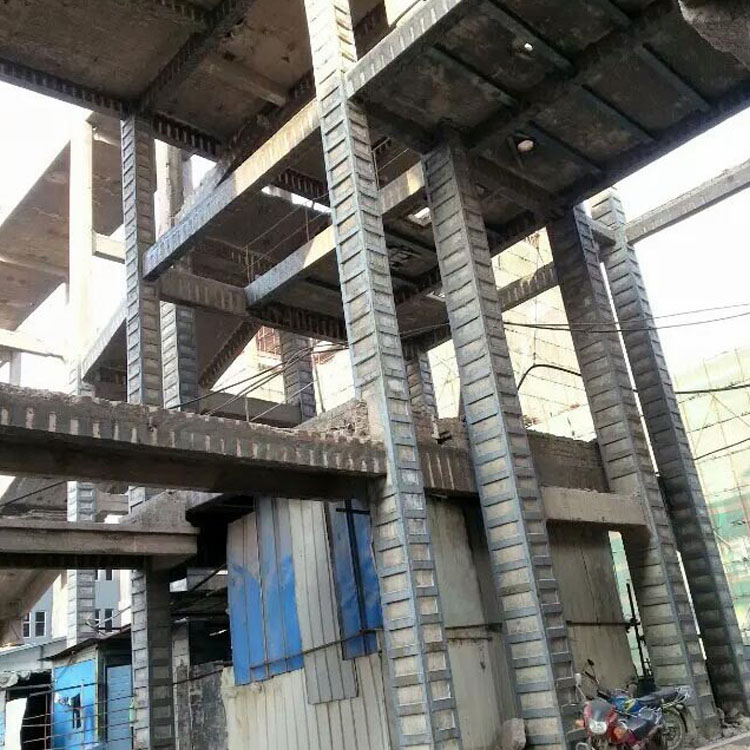
When adding a layer directly to a structure, the connection between the added layer and the original structure must be reinforced to ensure effective transmission of seismic effects. If, after the calculation of reconstruction, expansion, or addition, it is confirmed that the original structure needs reinforcement, the reinforcement work of the original structure should be carried out before reconstruction, expansion, or addition. Common reconstruction, expansion, and addition projects include apartments, hotels, KTVs, cinema renovations, factory expansion and addition, and shopping mall renovations. For more information on common knowledge and policy regulations related to the detection and judgment of reconstruction, expansion, and addition construction, please consult us.
WeChat Official Account

Scan to follow Official Account