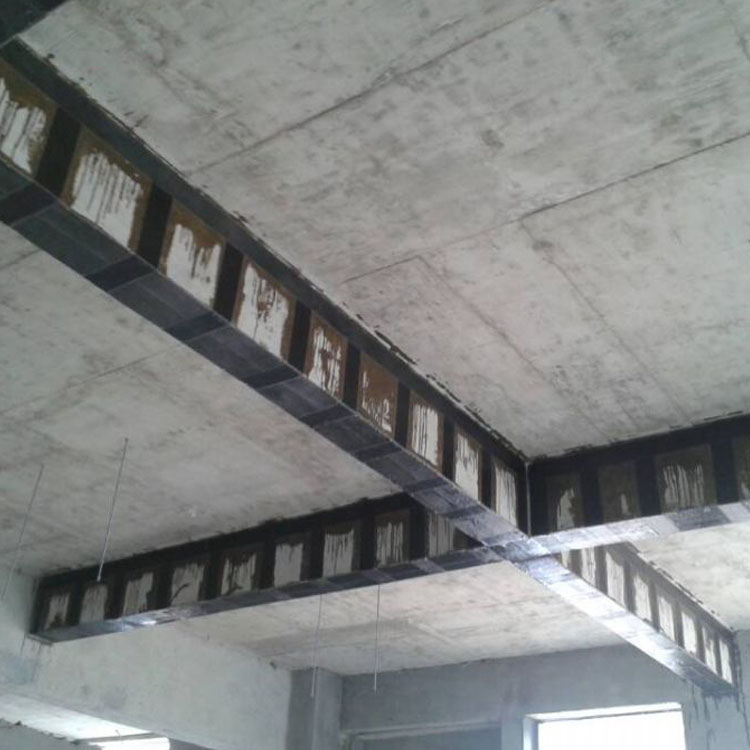
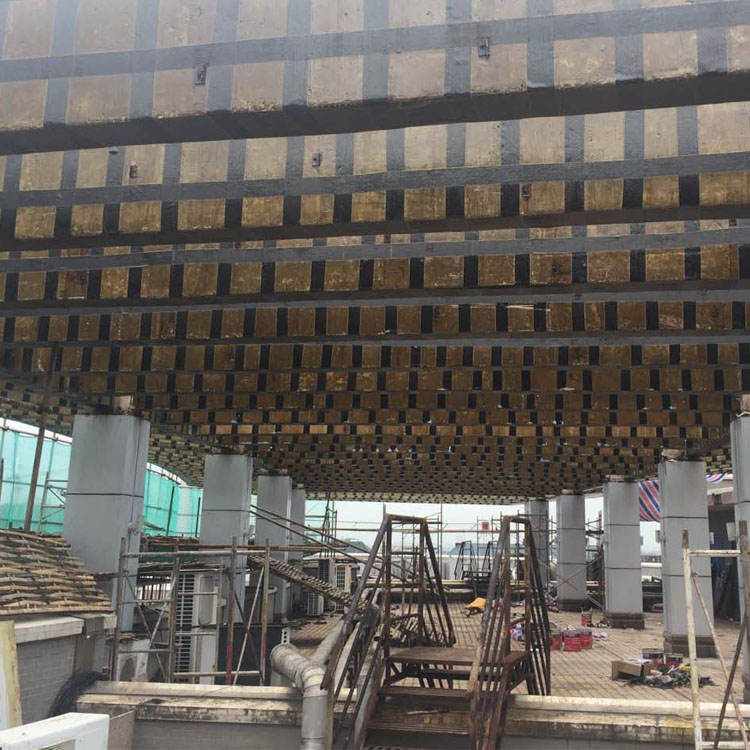







Factory Quality Inspection Process:
1. Investigate the factory's usage history and structural system.
2. Document the main structure and load-bearing components of the Xianning factory building using methods such as text, drawings, photographs, or videos.
3. The testing items for the mechanical properties of the factory building structure materials should be determined according to the requirements of structural load-bearing calculations.
4. As necessary, establish a calculation model based on the characteristics of the Xianning factory building structure. According to the actual mechanical properties of the building structure materials and the actual load conditions, calculate the safety reserve of the factory building structure in accordance with current regulations.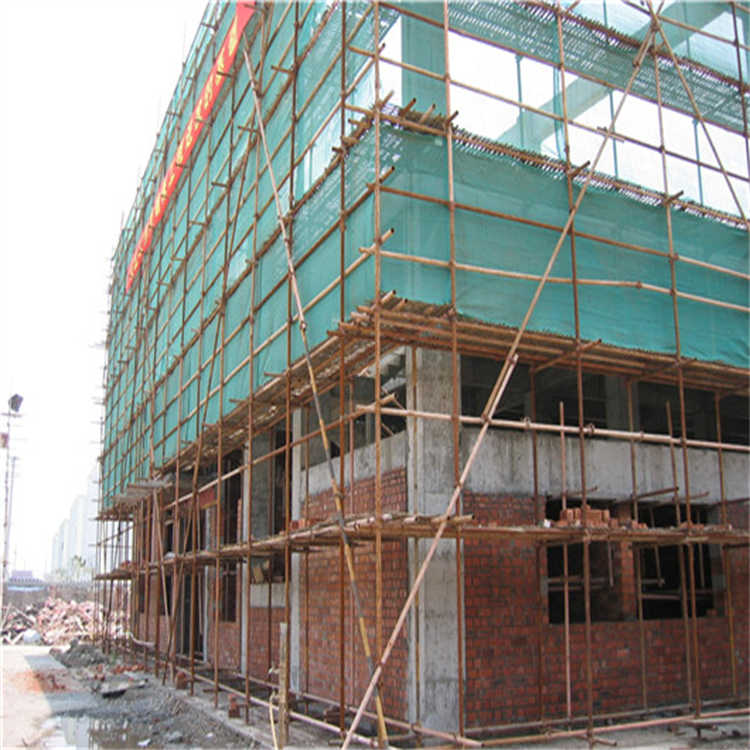 Uncover uneven settlement of the house and vibrations when vehicles pass by adjacent roads.
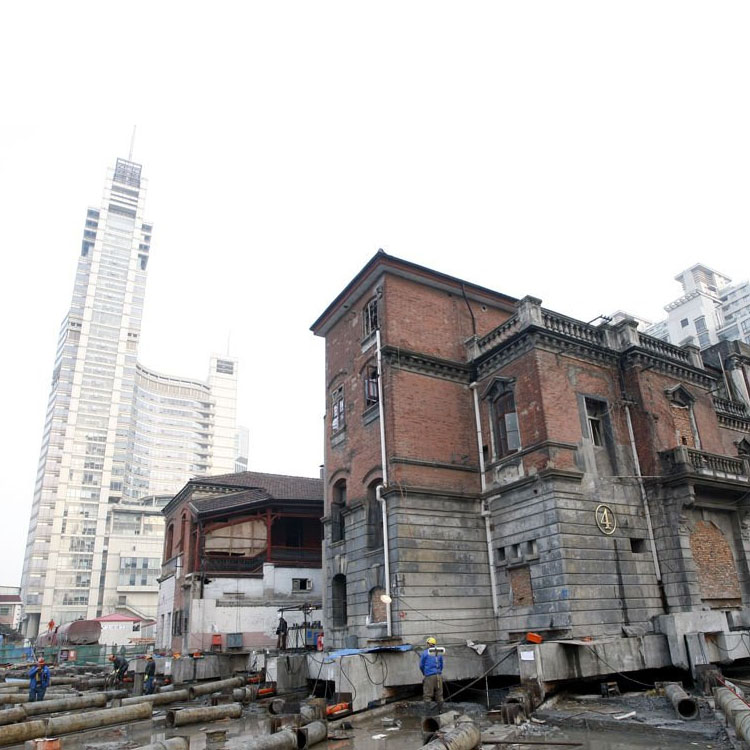
The principal intends to have the property inspected to understand its current tilt and structural reliability, as well as to provide a basis for usage and recommendations. They plan to entrust the inspection and submit treatment opinions and suggestions based on the findings.
Structural system compliance testing
Review the overall structural arrangement and load-bearing system of the building, and verify consistency with the original design drawings.
2 Component Dimension Inspection
Randomly inspect the main load-bearing components (beams, slabs, columns, walls) with a steel rule to measure their planar positions and cross-sectional dimensions. The primary purpose is to determine the degree of correspondence between the actual construction of the house and the design requirements, as well as the construction errors of the structural components. Additionally, it provides geometric conditions for possible subsequent structural load-bearing calculations.
3 Structural Material Sampling Inspection
The content and methods of structural material testing are listed in Table 2, with the sampling quantity and locations meeting relevant standard requirements. The primary purpose is to measure the existence of construction deviations in the strength of raw materials for the house, as well as the exact values and distribution of the current material strength, and to provide material physical and mechanical properties for subsequent structural load-bearing analysis.
4 Rebar Configuration Sampling Inspection
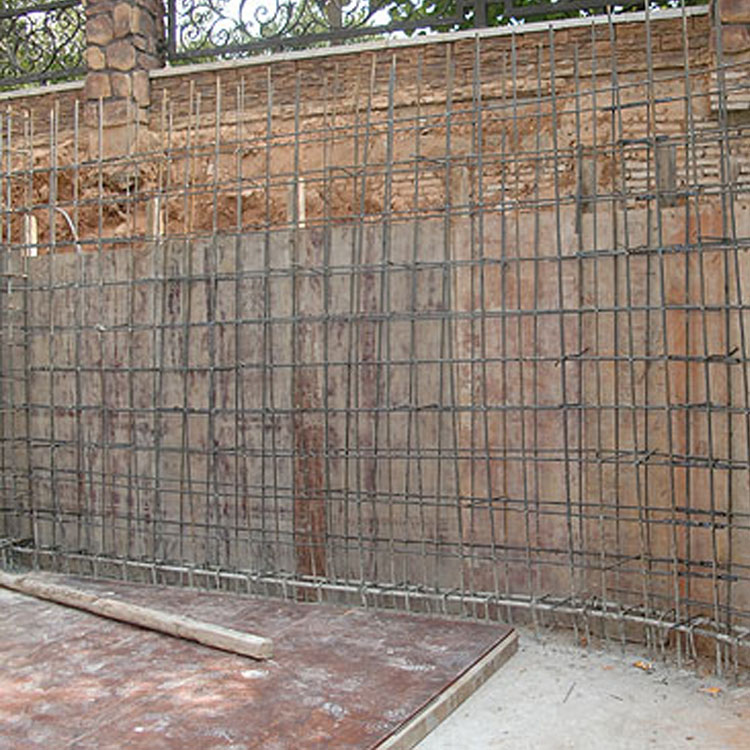
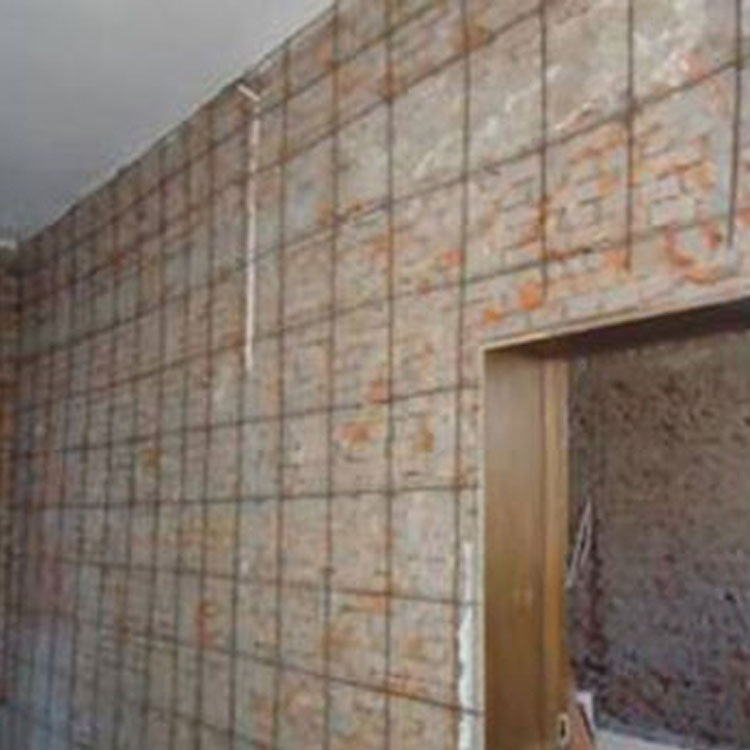
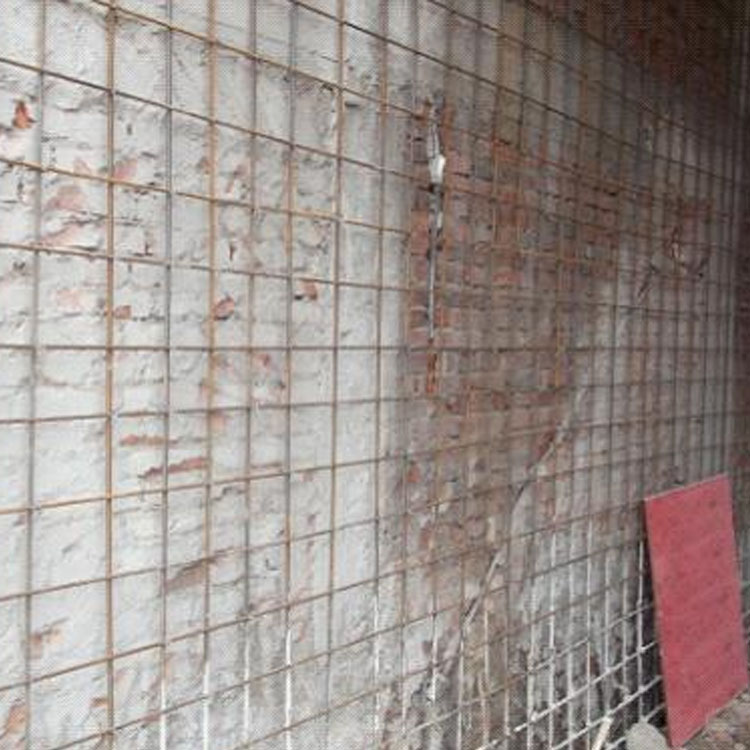
Utilize instruments and rebar detectors for sampling inspection of the spacing, specifications, and protective layer thickness of the main reinforcement and stirrups in load-bearing elements (beams, slabs, columns, walls). The primary objective is to determine if there are construction deviations in the steel reinforcement configuration of the building's load-bearing components compared to the original design, and to provide steel material evidence for any subsequent structural load-bearing capacity analysis.
Structural Steel Workshop Construction Quality Inspection
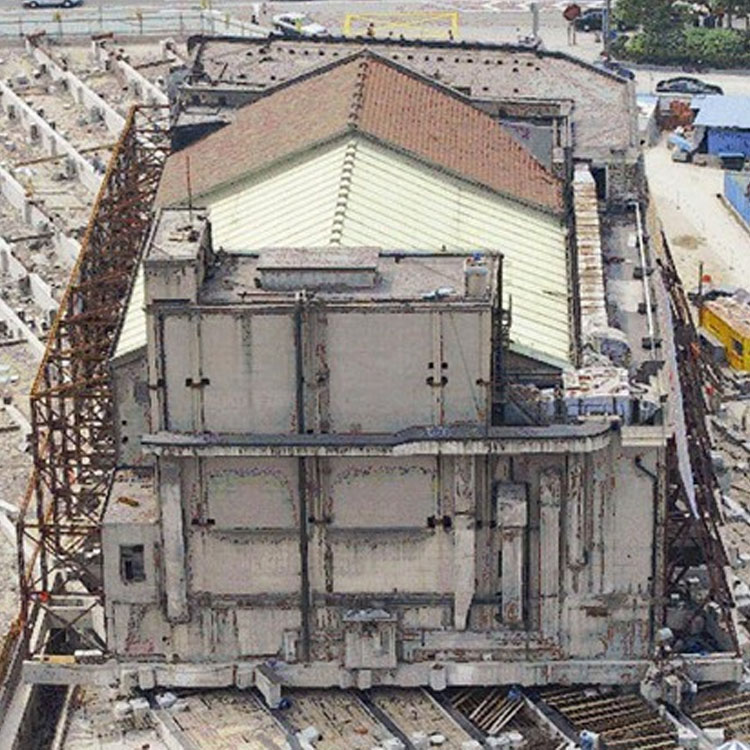
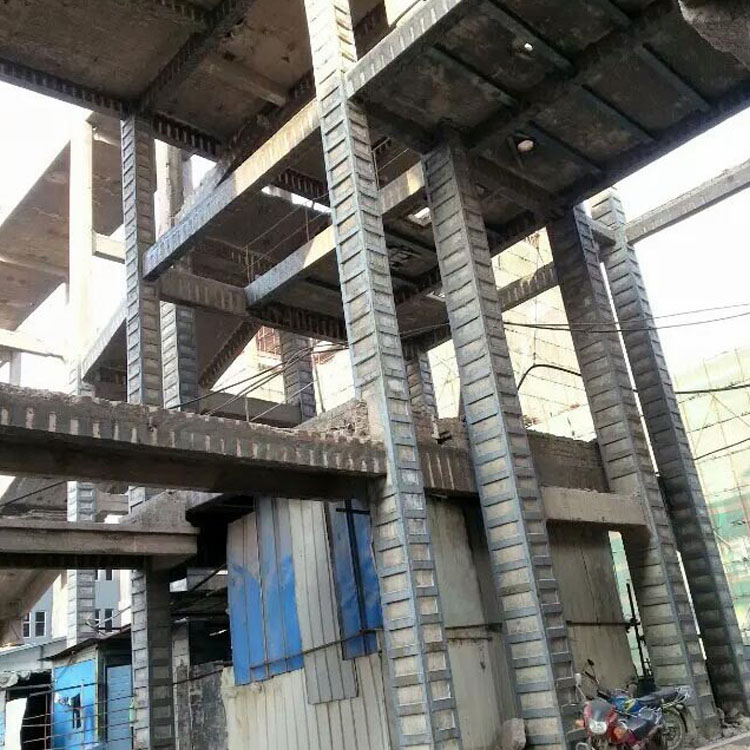
The house has local steel structures, preliminary exploration indicates that these steel structures were not constructed simultaneously with the main concrete structure, but were added after the main structure was completed. For this area, sampling inspections are conducted on the specifications and dimensions of steel beams, the quality of welding, bolt connections, the quality of corrugated steel plate installation, and the construction measures for connecting the steel structure to the main concrete structure.
Inclination and relative settlement measurements are taken using leveling instruments to gauge the overall settlement or relative elevation differences of the building, while theodolites are used to measure the inclination of the building's corner edges. The primary purpose is to determine if there are any harmful uneven settlement or inclination phenomena present in the building at the moment.
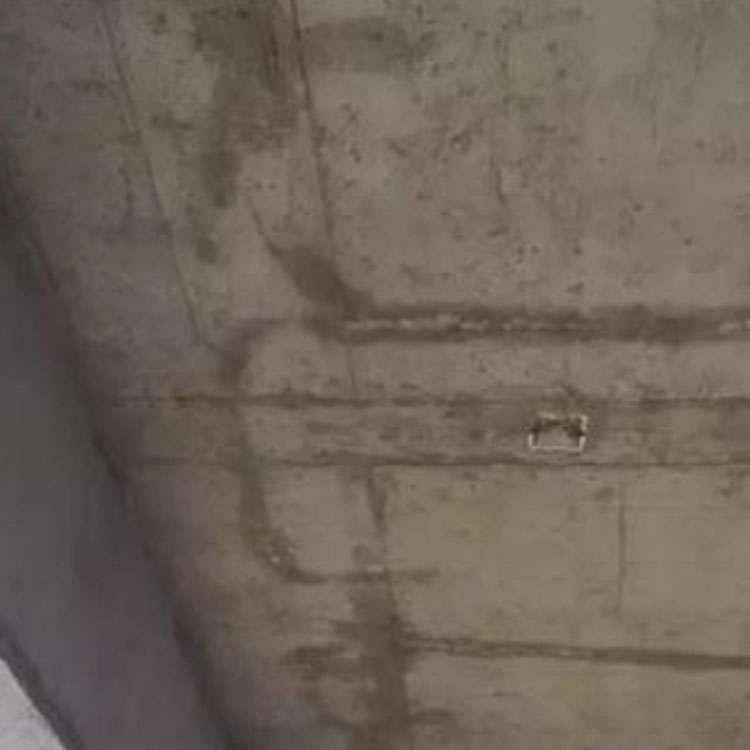
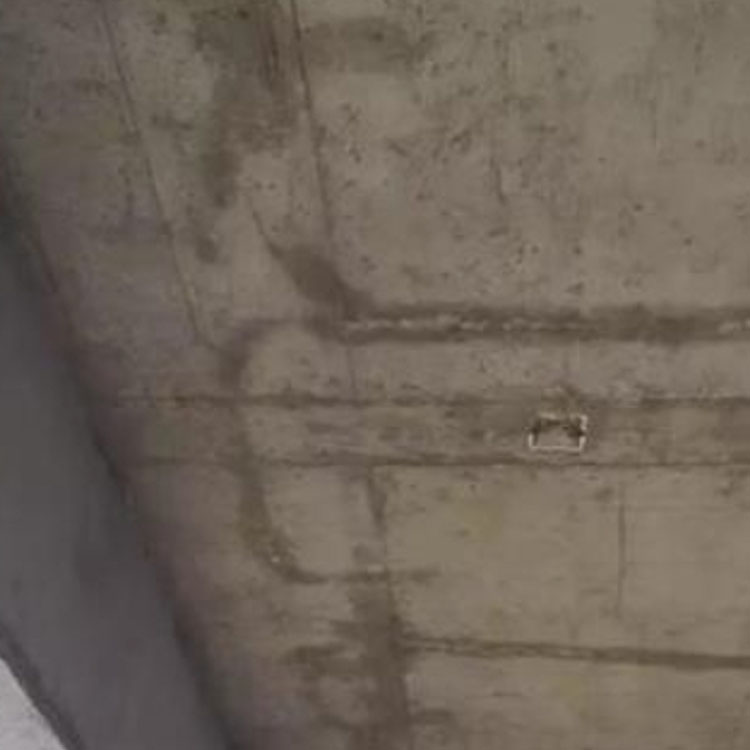
Investigation and testing of damage conditions, including the aging and damage status of the load-bearing and protective structures of the building. The contents and methods of testing are detailed in Tables 3-1 and 3-2, and the causes of damage are analyzed.
Construction Quality and Integrity Assessment, evaluate the construction quality and integrity of the property based on on-site inspections, renovation and maintenance recommendations, analyze the causes of property damage based on on-site findings, and propose renovation and maintenance suggestions for existing issues.
WeChat Official Account

Scan to follow Official Account