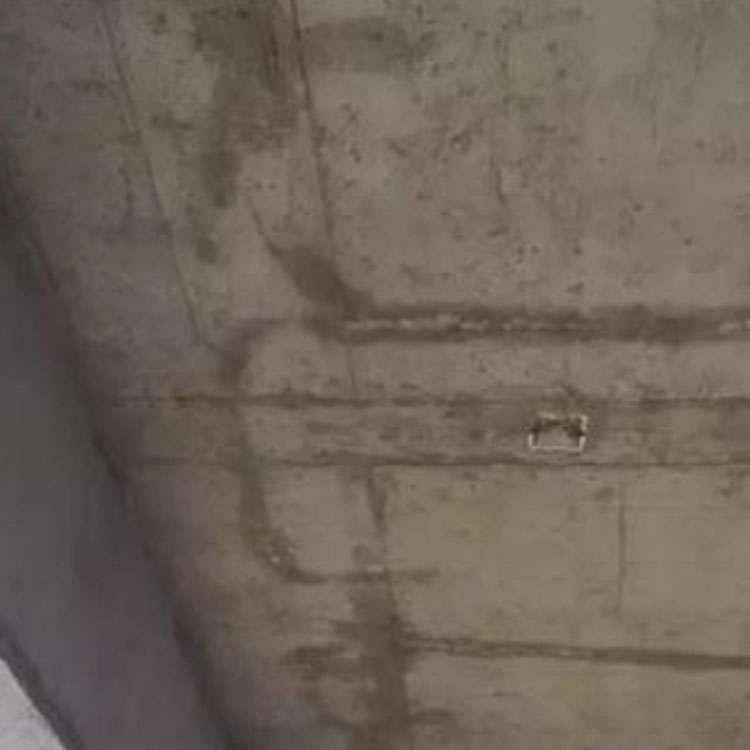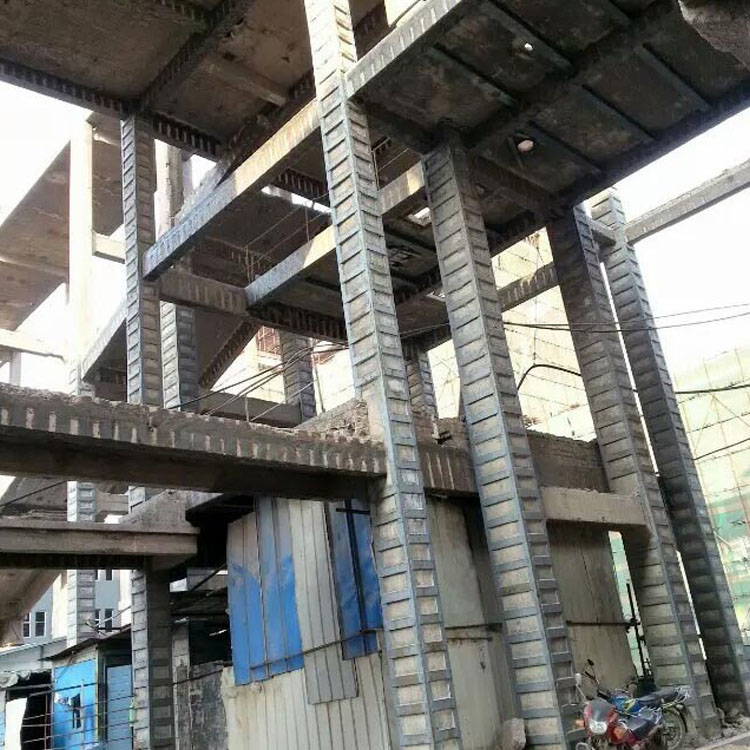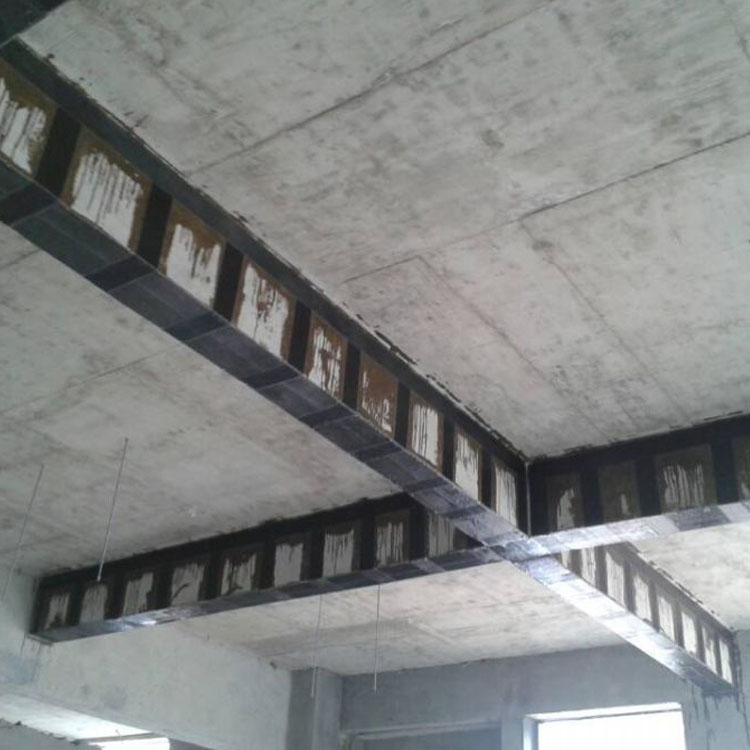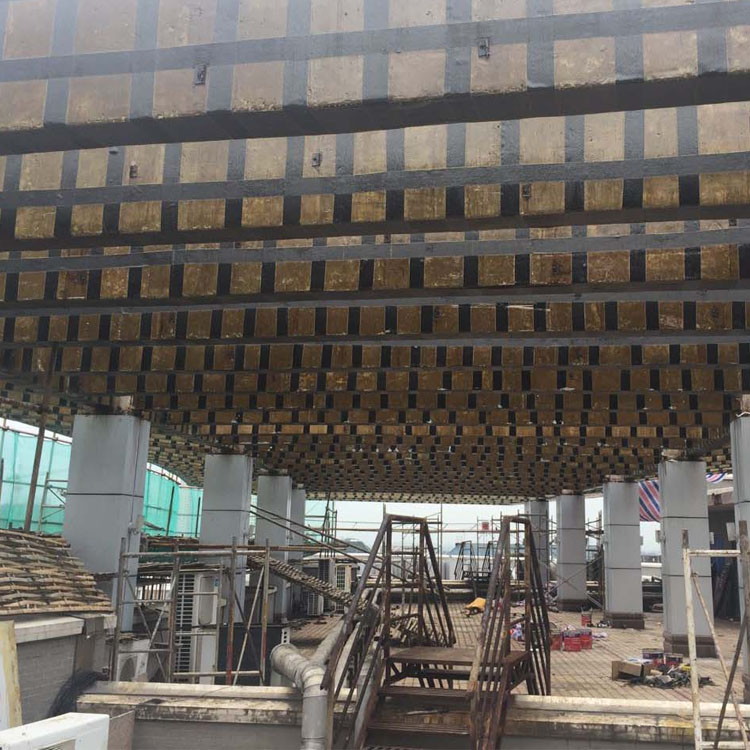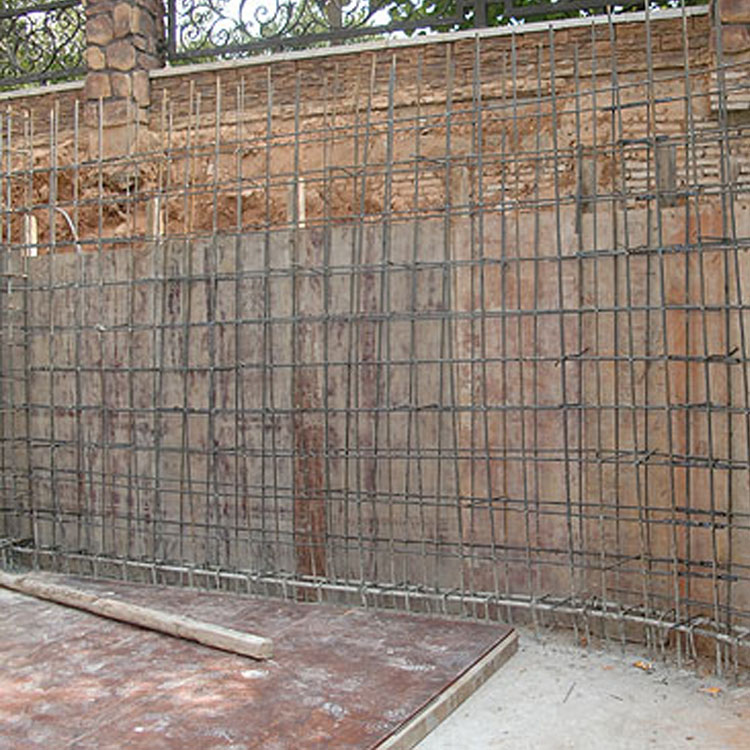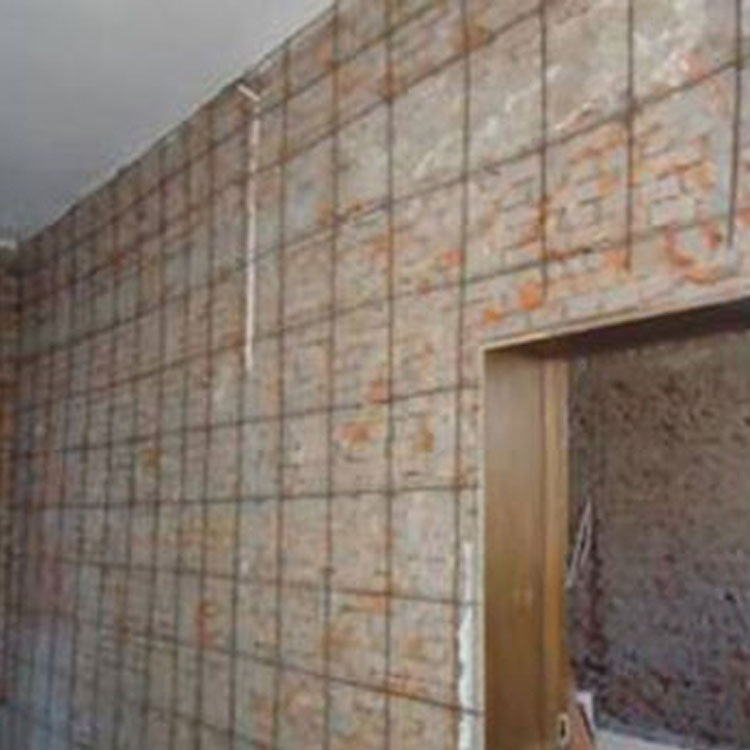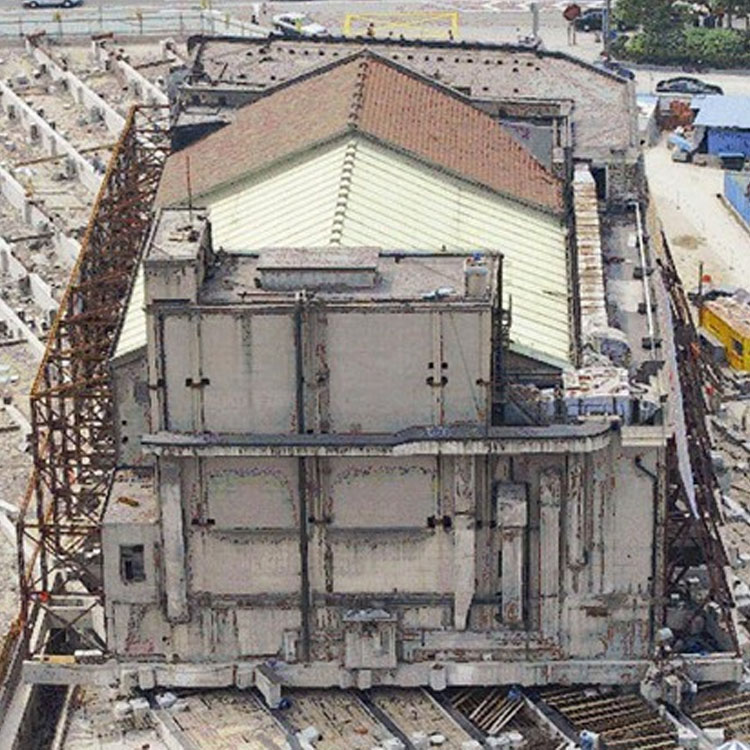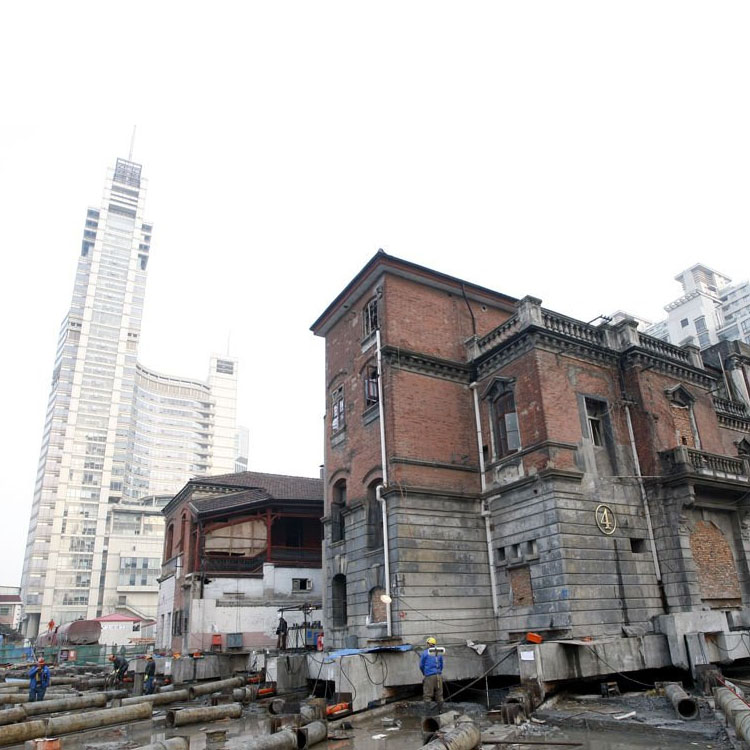
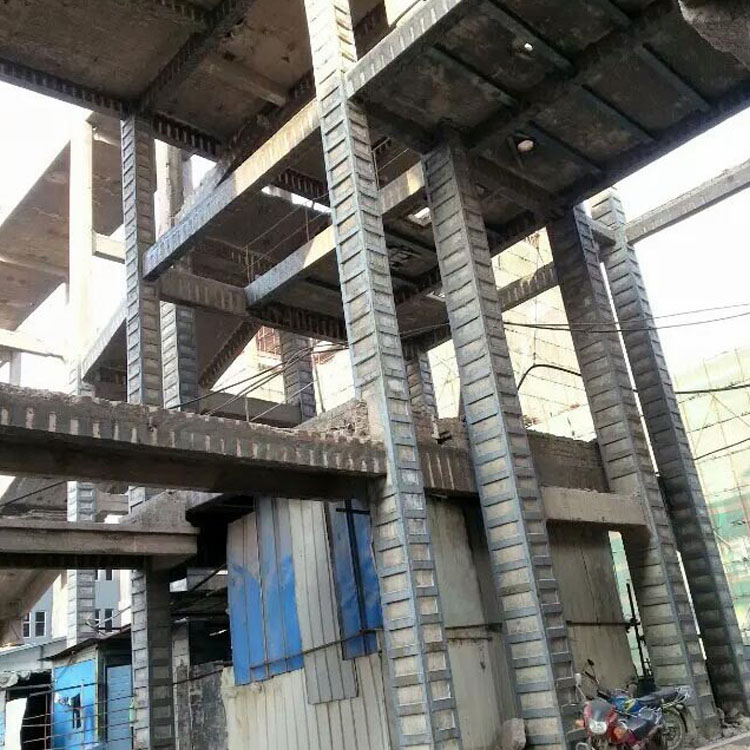
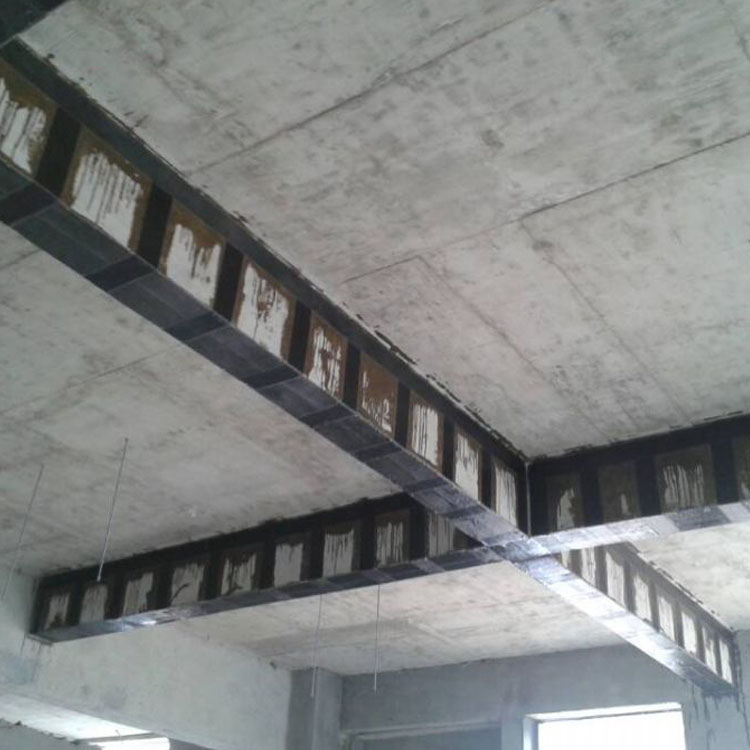
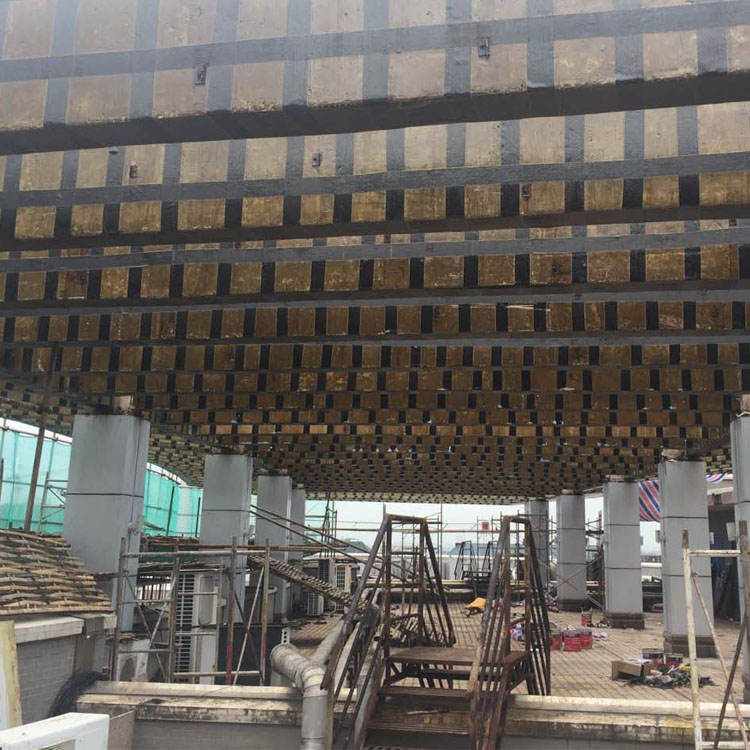







Factory seismic capacity testing should include the following basic contents: Collection of the geological investigation report, completion drawings, and engineering acceptance documents for the Xianning factory, etc., and supplementary engineering geological investigation when necessary; Inspection and record of the damaged parts, scope, and extent of the foundation, load-bearing structures, and protective structures of the factory; Investigation and analysis of the characteristics, structural layout, and construction of the factory structure, seismic measures, and review of seismic bearing capacity. General factories should follow the "Building Seismic Standard" G023-95, adopting the corresponding step-by-step method for comprehensive seismic capacity analysis.
Specific contents of quality and safety inspection for steel structure factory buildings:
1) Investigate the general overview of steel structure factory building: Understand and analyze the age, layout, function, style, environment, and final requirements of the building.
2) Investigate the historical evolution of steel structure factory buildings, focusing on key protected areas and protection requirements.
3) Architectural Structural Drafting: Re-measure the overall layout and structural dimensions of the factory, and draw up the plans.
4) Structural System Review and Inspection
5) Component size and reinforcement verification and inspection.
6) Structural Material Testing
7) Inspection of structural steel workshop condition and integrity
8) Steel structure factory building tilt and settlement measurement
9) Structural calculations and safety analysis
10) Seismic Performance Evaluation
11) Feasibility Recommendations for Structural Maintenance.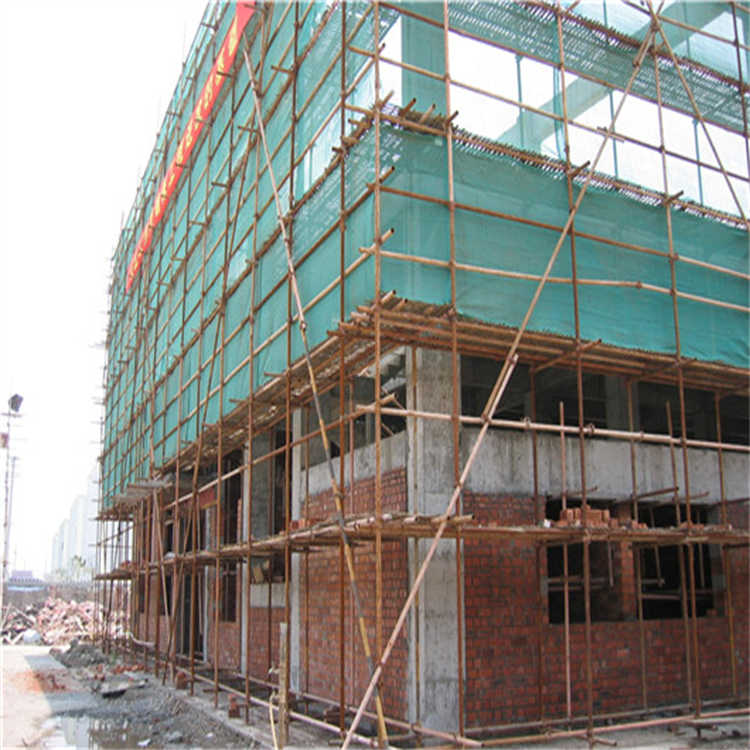 Structural Steel Factory Construction Quality Inspection
The house has local steel structures, preliminary surveys suggest that these structures were not constructed simultaneously with the main concrete structure, but were added after the main structure was completed. For this area, sample inspections are conducted on the specifications and dimensions of steel beams, the quality of welding, bolt connections, the quality of corrugated steel sheet installation, and the construction measures for connecting the steel structure with the main concrete structure.
The measurement of inclination and relative settlement is conducted using leveling instruments to assess the overall settlement or relative elevation differences of the building, while theodolites are used to measure the inclination of the building's corner edges. The primary purpose is to determine if there are any harmful uneven settlement or inclination phenomena present in the building at the moment.
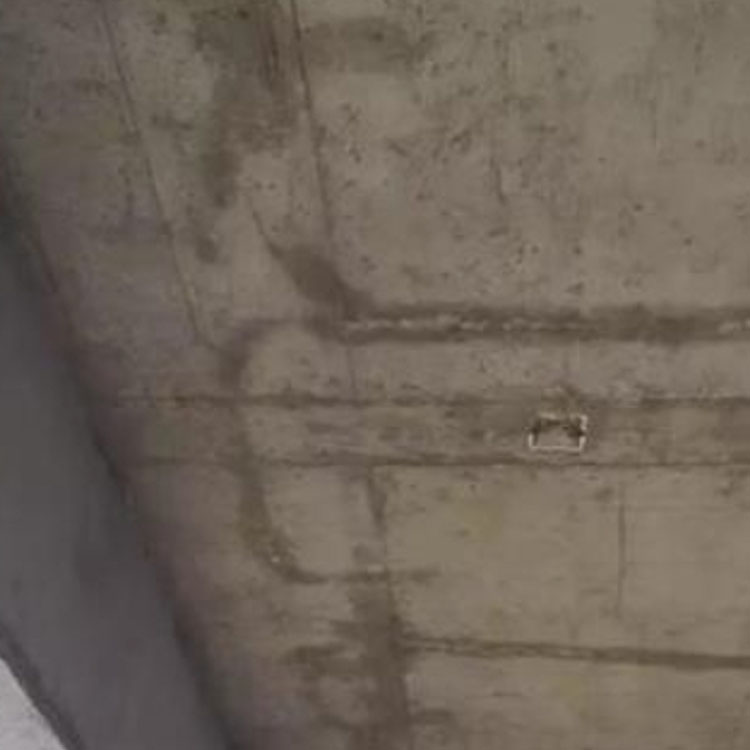
Investigation and testing of damage conditions, including the aging and damage status of the load-bearing and protective structures of the building. The contents and methods of testing are listed in Tables 3-1 and 3-2, and the causes of damage are analyzed.
Construction Quality and Integrity Assessment, evaluate the construction quality and integrity of the property based on on-site inspections, provide renovation and maintenance recommendations, analyze the causes of property damage based on on-site findings, and propose suggestions for subsequent renovation and maintenance addressing existing issues.
WeChat Official Account

Scan to follow Official Account